
What Happens If You Need to Leave a Boat Tour Early
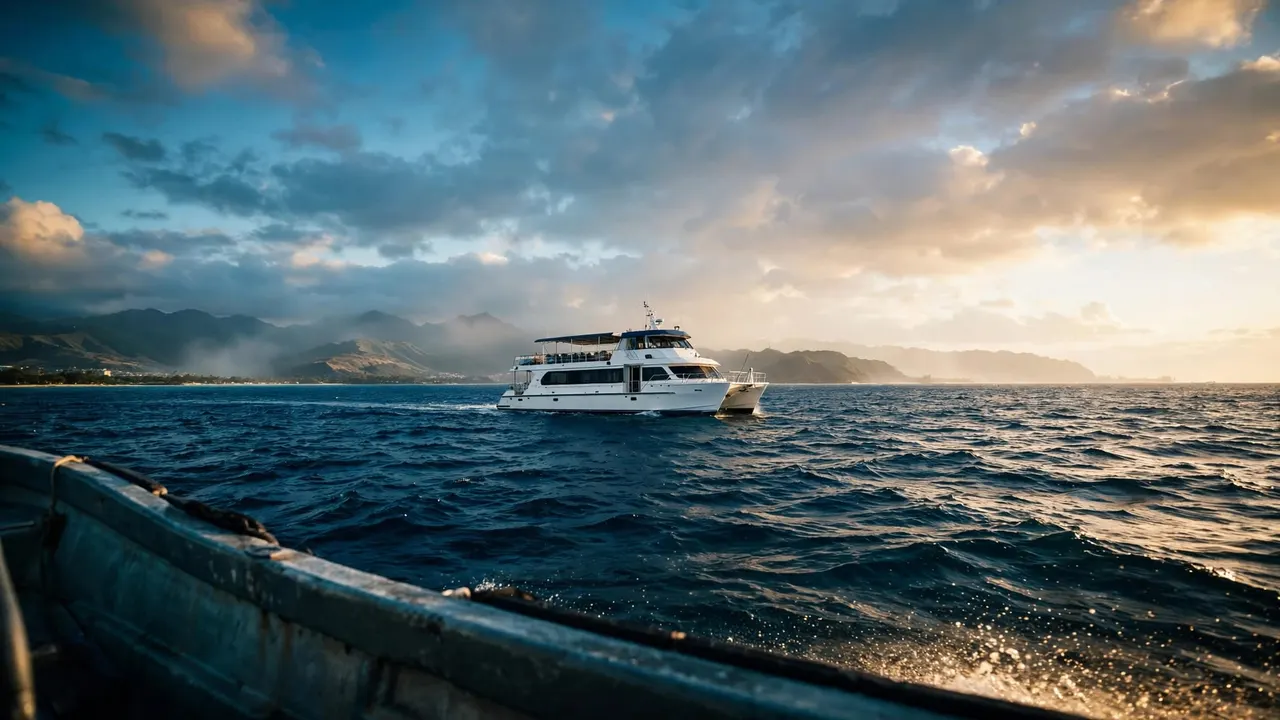
You can change your mind about a boat trip while you’re still at the dock. Once you’re offshore, leaving gets more complicated. If you need to leave a boat tour early, tell the crew right away, but don’t assume the vessel can turn around or drop you at the nearest shore.
Living Ocean Tours welcomes families, snorkelers, and ocean lovers aboard trips departing from Kewalo Basin Boat Harbor in Honolulu. Wherever you’re sailing, the captain has to consider everyone aboard before changing the route. Knowing what to ask before departure makes an unexpected change easier to handle.
Can You Leave a Boat Tour Early Once You’re Offshore?

An early return depends on the boat and conditions
A tour boat isn’t a taxi with stops available on request. Once the vessel leaves the harbor, the captain must consider its position, weather, harbor traffic, the other passengers, and the reason you want to leave. A return or transfer may be possible in some circumstances, but you shouldn’t count on one.
If your reason is a dinner reservation or another scheduled activity, expect to remain aboard until the planned return unless the crew tells you otherwise. If someone is ill or injured, the captain may make a different decision based on that person’s needs.
You need a safe place to disembark
Being close to shore doesn’t mean you can get off. The boat needs an appropriate place and a safe way for passengers to step onto land. Never jump into the water, approach a dock on your own, or ask another vessel for a ride.
Even when an early landing is arranged, wait for the crew’s directions. They need to account for everyone aboard and tell you when it’s safe to move.
Tell the Crew Why You Need to Go
Speak up as soon as plans change
Tell a crew member promptly if you need to leave a boat tour early. You don’t need a long explanation. Say what’s happening, whether anyone is hurt or unwell, and whether there’s a time-sensitive reason to return.
For example, “My partner feels faint and is having trouble standing” gives the crew more useful information than “We need to get off.” If you’re speaking for a child or another guest, describe what you’ve seen rather than guessing at a diagnosis.
An early conversation gives the captain more time to assess the options. Waiting until you reach the farthest point of the trip may leave fewer practical choices.
Stay where the crew can find you
After you report the problem, follow directions about seating and movement. Keep your group together, and tell the crew if someone has gone to the restroom or is still in the water. Don’t gather bags or move between decks while the vessel is maneuvering unless you’re told it’s safe.
A request to return and permission to disembark are separate things. Stay aboard until the crew confirms where and how you can leave.
If you don’t hear an instruction, ask for it again. Clear communication matters more than trying to anticipate the crew’s next step.
If Someone Is Sick or Injured, the Plan May Change
Report symptoms early
Seasickness can begin as mild nausea and become harder to manage if dizziness makes it difficult to walk. Tell a crew member when symptoms start. They can advise you where to sit and pass the information to the captain.
For chest pain, breathing trouble, unusual confusion, collapse, or another serious concern, alert the crew immediately. Share when symptoms began and any relevant information you know, such as a medical condition or medication. Then give crew members space to help.
Don’t assume the boat will always return to its departure harbor. Depending on the situation, the captain may change course, contact responders, or arrange to meet help at a suitable location.
Let the captain coordinate the vessel
If you’re facing an immediate emergency and can’t reach the crew, call 911 if you have service. When the crew is responding, let the captain coordinate vessel communications unless you’re asked to make a call. Accurate location information matters on the water.
Meanwhile, follow instructions about where to sit or stand. If you’re dizzy, don’t climb stairs or head to the restroom alone. If you’re helping someone else, keep walkways clear and report changes in their condition.
Leaving the Water Is Different From Leaving the Tour
If you’re snorkeling, you can need a break without needing an early trip back to shore. A leaking mask, tired legs, anxiety, or an uncomfortable swim may mean it’s time to return to the boat. Signal a guide, follow their directions, and use the designated ladder when instructed. You don’t have to stay in the water because others in your group are still swimming.
Living Ocean Tours says it’s the only tour company with professional snorkel guides. Its guides are a direct point of contact when you need help during a swim. Tell one if you feel unwell or want to stop. Once you’re back aboard, explain whether you need to leave the outing entirely so the crew can assess the situation.
If you encounter a sea turtle, give it space. Observing wildlife without touching it protects both you and the animal, even when you’re eager to finish your swim and get back aboard.
Will You Get a Refund If You Leave Early?
Check the terms for your booking
Don’t assume you can leave a boat tour early and receive money back for the unused portion. Refunds and credits depend on the terms attached to your reservation and the circumstances of the trip. Ask the operator what applies to your booking.
A cancellation before departure is also different from leaving after you’ve boarded. A cancellation window shown in your confirmation doesn’t automatically promise a refund once the trip is underway. If you booked through another seller, keep the receipt and confirmation so you know whom to contact afterward.
Ask about a later trip without counting on one
You may want to return for another outing once you’re feeling better or your schedule settles. Ask whether a later date is available and whether any credit applies. A new sailing depends on space, staffing, weather, and the operator’s policies.
If several people booked together, clarify whether the request affects one guest or the entire party. Get any approved change in writing before making new plans. Above all, don’t let a payment question delay telling the crew about a health or safety concern.
Plan Before You Board If Your Time Is Tight

Ask the operator what the trip requires
If you have an airport transfer, a dinner booking, or a child who may need a shorter outing, discuss it before you pay. Ask for the scheduled trip length, departure location, expected return time, and what happens if a guest can’t continue. Leave room after the tour for a later-than-expected arrival.
Living Ocean Tours’ Honolulu ocean tours depart near Waikiki. Its tour information asks guests to be at the boat and ready to board 30 minutes before departure. That arrival guidance helps you hear instructions and settle in; it isn’t a promise that you can leave early.
Living Ocean Tours operates the double-decker Coral Kai and Lokahi, with shaded seating and onboard restrooms. Those comforts may help you stay aboard if you’d prefer to stop an activity, but they don’t replace an early-return plan. Ask the team which vessel is scheduled and what access or seating you need.
Raise health and access concerns privately
Tell the operator before departure if someone may need help boarding, finds stairs difficult, or requires medication during the trip. You can share the practical details without explaining your entire medical history. Keep essential medication accessible rather than at the bottom of a bag.
Listen during the safety briefing, including directions about life jackets and where to sit while the boat moves. The U.S. Coast Guard’s life-jacket guidance covers recreational vessels; inspected passenger tour boats have different requirements. Follow your crew’s instructions for the vessel you’re actually aboard.
Key Takeaways
- Tell the crew promptly if you need to leave a boat tour early, especially when someone feels ill or unsafe.
- An unscheduled return or shore transfer isn’t guaranteed. The captain assesses conditions and the needs of everyone aboard.
- You can end a swim and remain on the boat if you don’t want to continue snorkeling.
- Check your booking terms before assuming an early exit qualifies for a refund or credit.
- Build time around your trip so another appointment doesn’t depend on an early return.
Frequently Asked Questions
Can you get off at a different dock?
Only if the captain determines that a suitable landing is possible and the crew arranges a safe disembarkation. Don’t assume a nearby marina, beach, or pier is available to your boat. Wait for instructions before moving toward an exit.
What if your child wants to leave the tour?
Tell the crew what’s bothering your child. If the issue is the swim, your family may be able to return to the boat and stay aboard for the rest of the outing. If your child is sick or injured, describe the symptoms promptly so the captain can assess what to do next. An early return still can’t be promised.
Can your group split up if one person needs to leave?
Ask the crew before making plans. Whether anyone can disembark depends on the location and the safe transfer options available. Make sure the crew knows exactly who is with the person leaving and who expects to stay aboard. Don’t arrange a pickup until a landing is confirmed.
Should you call shore yourself to arrange a ride?
You can contact a ride once the crew confirms where and when you’ll reach land. Before that, the destination may change. For an onboard emergency, give the captain and crew the information they need to coordinate the response rather than guessing where help should meet you.
Conclusion
When you need to leave a boat tour early, your best first step is to tell the crew what has changed. They can assess the situation, but an early return and a refund aren’t automatic.
Before you sail, ask about trip length, access needs, and booking terms. Once aboard, speak up early and follow crew directions. That gives everyone the clearest path to a safe decision.


