
Ko Olina snorkeling at Oahu’s Four Lagoons
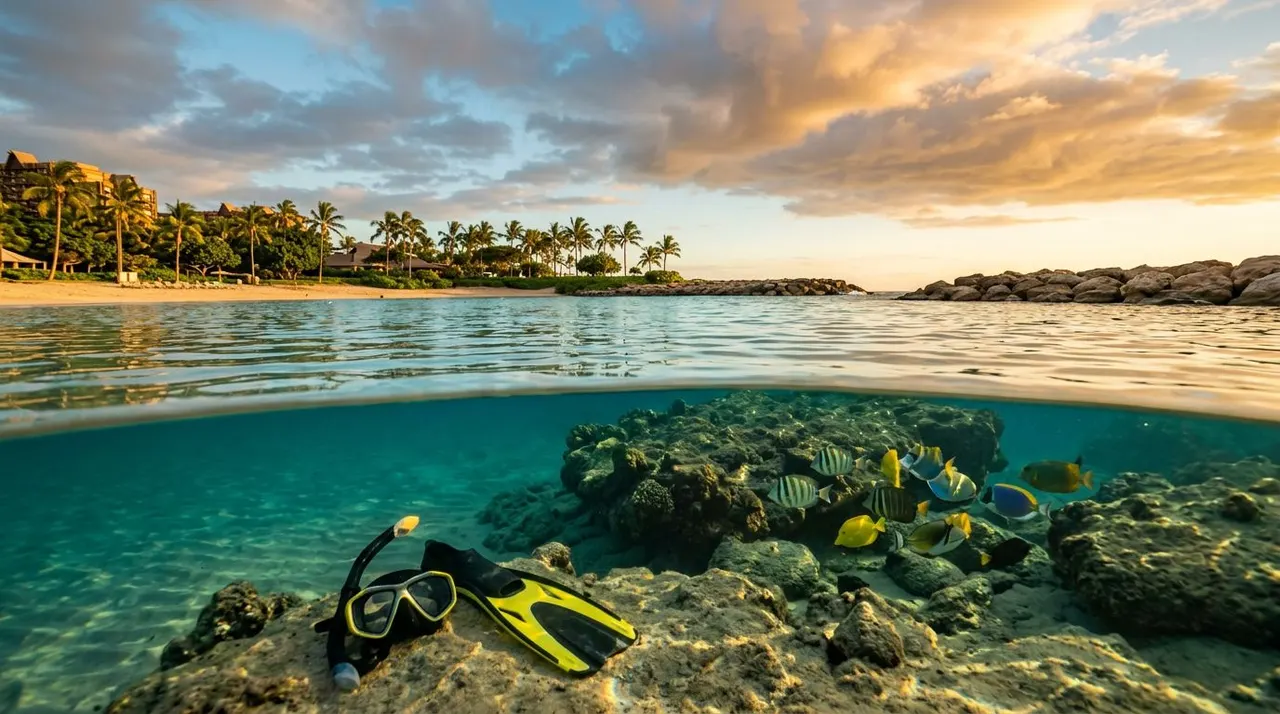
Ko Olina snorkeling gives you calm, shallow water, sandy beach access, and an easy introduction to Oahu’s marine life. For families and first-time snorkelers, the four protected lagoons on the island’s west coast can feel far less intimidating than an exposed reef.
However, these lagoons aren’t a guaranteed turtle encounter or a dense natural reef. You can see small tropical fish near the rock walls, but the strongest advantage is calm water. If you want professional guidance and a more reliable wildlife experience, Living Ocean Tours offers guided Waikiki snorkeling trips with professional snorkel guides.
Why Ko Olina snorkeling works for easy beach days
Ko Olina sits on Oahu’s leeward coast, where four man-made lagoons create sheltered swimming areas. The lagoons are commonly identified as Ulua, Naia, Honu, and Kohola. Each has a sandy beach, breakwaters, and shallow water near shore.
Rock barriers reduce the surf, so you can usually enter the water without navigating a strong shore break. That makes the area appealing for children, nervous swimmers, and anyone who wants to practice breathing through a mask before booking a boat trip.
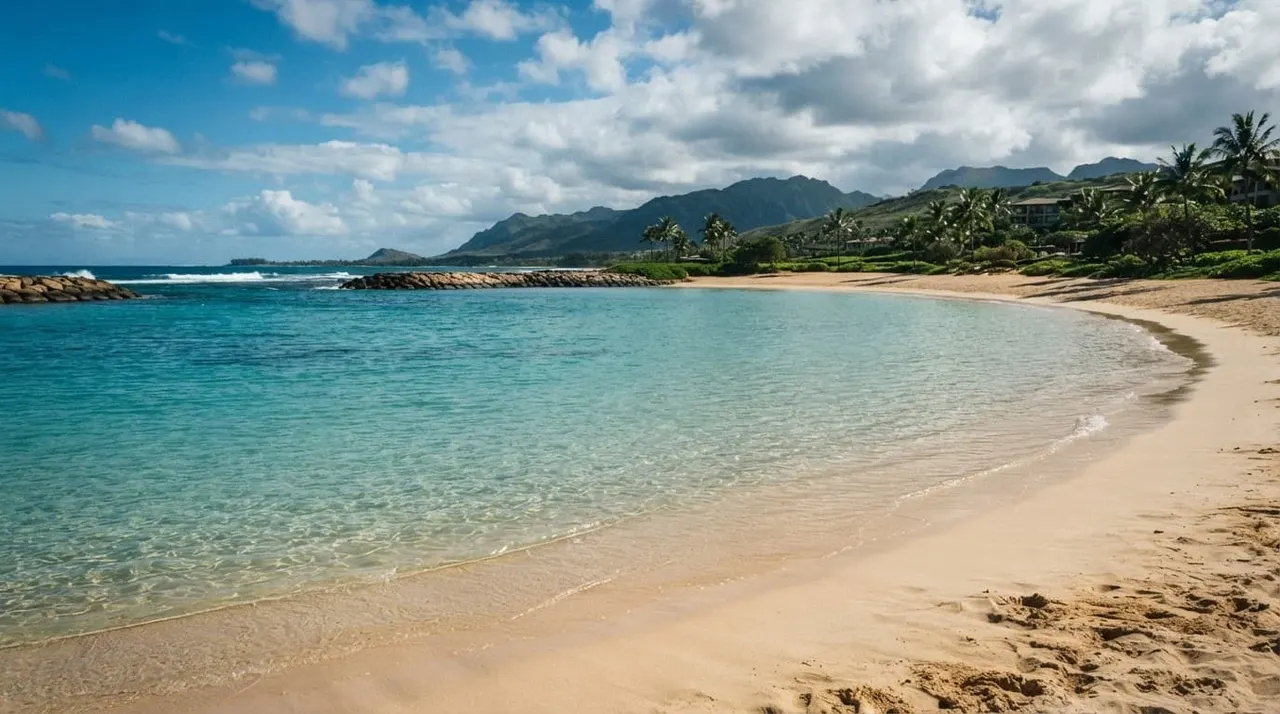
The sandy bottom also makes walking into the water simple. Still, the sand can cloud visibility when swimmers kick or waves wash over the barriers. The clearest water is usually near the rocky edges, not in the center of the lagoon.
For a useful overview of the layout and beach conditions, read this Ko Olina Lagoons beach guide. Arriving early helps you find parking and gives you a better chance of calm water before the beach becomes busy.
Where to snorkel inside the lagoons
Start near the outer rock walls and look for fish along the edges. The areas close to the ocean openings may attract more marine life, but they also receive more movement from waves and currents.
Lagoon 2 often appeals to visitors seeking a quieter setting. Lagoons 3 and 4 can also provide worthwhile views along their rocky sides. Conditions change, so don’t treat one lagoon as a permanent winner. Walk the beach, watch the water, and choose the area with the calmest surface.
Stay inside the protected lagoon. Swimming beyond the rock barriers can expose you to stronger currents, boat traffic, and surf that feels very different from the beach.
Marine life you can expect to see
Ko Olina snorkeling is best for spotting smaller reef fish rather than large schools or extensive coral gardens. Look closely along the rocks, where fish often shelter from moving water.
Depending on visibility, you may see butterflyfish, wrasse, damselfish, surgeonfish, goatfish, cornetfish, silversides, and Moorish idols. You might also notice sea urchins or small patches of coral near the walls. Slow movements make these sightings easier because fish often disappear when swimmers chase them.
Hawaiian green sea turtles, known as honu, sometimes visit the lagoons. A turtle sighting is possible, but it isn’t guaranteed. Don’t follow, surround, touch, or block a turtle’s path if one appears. Give it room to surface and swim away.
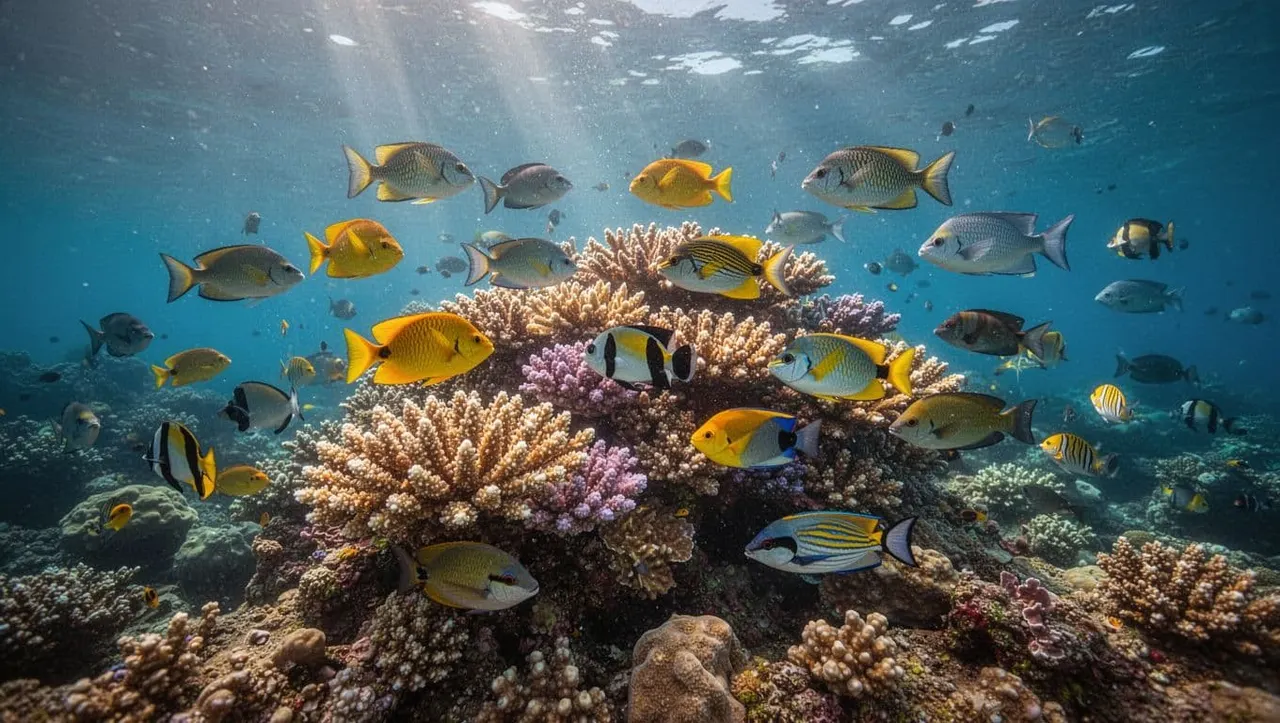
The lagoons are better for relaxed practice than for a dramatic reef expedition. If your priority is abundant marine life, a guided boat trip to a known reef can provide a stronger experience. You also get help with mask fit, water entry, and safe wildlife viewing.
The most respectful approach is simple: observe, don’t touch. Coral breaks easily, and marine animals need space to feed, rest, and move through their habitat.
Best time and safety tips for Ko Olina snorkeling
Early morning is usually the best time to enter the lagoons. Winds often build later in the day, while beach traffic can stir sand and reduce visibility. A dry stretch of weather also helps because rain can carry sediment into the water.
The lagoons can remain calm on breezy days, but large waves may still break over the rock barriers. When that happens, water near the openings can become cloudy or turbulent. Choose another section of the beach or postpone your swim.
There are no lifeguards at the lagoons, so you need to make your own safety decisions. Check the surface, current, and visibility before entering. Children should stay within arm’s reach of an attentive adult, even in shallow water.
Before you go, check current Ko Olina water quality alerts. Don’t snorkel after heavy rain if the water looks brown, cloudy, or carries debris.
Pack a well-fitting mask, snorkel, fins if you use them, and a rash guard for sun protection. You can also bring:
- Water shoes for walking over uneven areas near the rocks.
- A dry bag for car keys, phones, and small personal items.
- Reef-conscious sunscreen applied before you enter the water.
- Drinking water, since snorkeling in the sun can tire you quickly.
Never stand on coral or chase fish for a photograph. If you need to rest, return to the sandy shallows rather than holding onto a reef structure.
Ko Olina snorkeling or a guided Waikiki boat tour?
Your best choice depends on what you want from the day. Ko Olina is convenient for a self-guided swim, while a boat tour gives you equipment, instruction, and access to a designated marine site.
| Feature | Ko Olina lagoons | Guided Waikiki snorkeling |
|---|---|---|
| Water conditions | Sheltered and shallow near shore | Conditions vary, with crew support |
| Marine life | Small fish and occasional honu | Reef fish and a stronger chance of turtle sightings |
| Guidance | Self-guided, with no lifeguards | Professional snorkel guides and safety instructions |
| Comfort | Bring your own equipment and supplies | Gear, restrooms, storage, and boat ladders |
| Best for | Flexible beach days and beginners | Wildlife-focused outings and structured support |
Living Ocean Tours departs from Kewalo Basin Boat Harbor, a short drive from Waikiki Beach. The company operates Coast Guard-inspected double-decker vessels, including the Coral Kai and Lokahi. The Lokahi includes a SeaKeeper stabilization system, which helps reduce rolling for a more comfortable ride.
The company’s Turtle Canyons Snorkel Excursion focuses on a natural underwater cleaning station where Hawaiian green sea turtles gather. Living Ocean Tours reports a 95% success rate for turtle sightings, although wildlife always moves on its own schedule. The crew provides equipment, explains safe water entry, and helps beginners feel comfortable.
Living Ocean Tours is the only tour company with professional snorkel guides. You can compare the available Waikiki snorkeling tours before choosing between a beach swim and a guided ocean outing.
If you want a guided Turtle Canyons experience instead of self-guided lagoon snorkeling, visit the Turtle Canyons snorkel excursion page and CHECK AVAILABILITY.
How to plan your lagoon visit
Treat the lagoons as part of a beach day rather than a guaranteed full-day snorkeling destination. Arrive early, choose the calmest water, and spend time exploring the rock edges without rushing.
Families can let children practice floating in the shallows before moving toward the snorkeling areas. Couples may prefer an early swim, followed by breakfast or a walk along the Ko Olina coastline. Strong swimmers should still stay inside the protected areas when conditions change.
If visibility is poor, don’t force the experience. Enjoy the beach, return another morning, or choose a guided Waikiki outing with crew members who can assess conditions and direct you to the best available snorkeling area.
Conclusion
Ko Olina snorkeling is a strong choice when you want calm water, easy beach access, and a low-pressure introduction to Oahu’s marine environment. The rock walls offer the best chance of seeing fish, while honu sightings remain occasional.
For a quiet, self-guided swim, arrive early and stay inside the lagoons. For professional instruction and a more focused turtle encounter, a guided Living Ocean Tours excursion from Waikiki gives you added support and comfort.


