
Is Parasailing Safe? A 2026 Guide to Risks & Operators
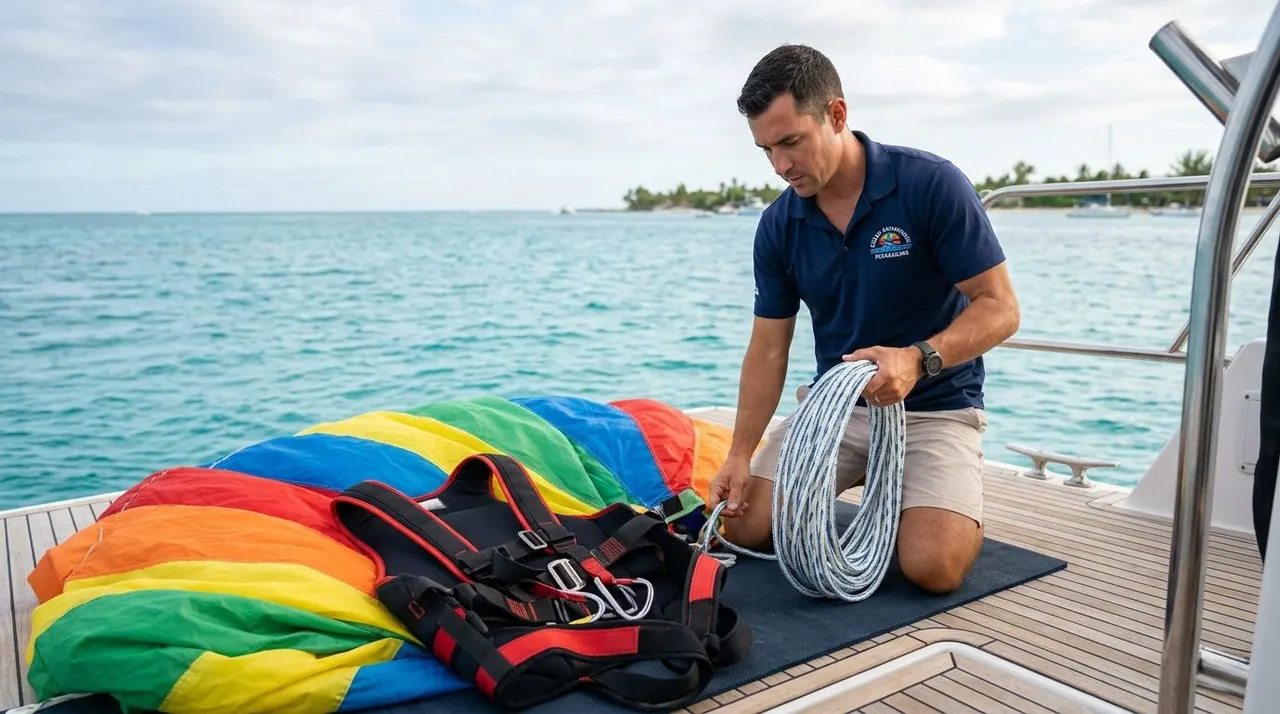
TL;DR: Parasailing has a strong statistical safety record. The Parasail Safety Council reports that out of an estimated 141 million harness parasail rides, the incident rate is less than 0.01%, but serious accidents are closely tied to operator decisions and weather, so your safety depends heavily on choosing a reputable company.
You’re probably in the same spot a lot of Waikiki visitors find themselves in. You look up from the beach, see a bright canopy floating above the water, and it looks calm, scenic, and easy. Then somebody in the family asks the obvious question: is parasailing safe?
The honest answer isn’t a simple yes or no. Parasailing can be a low-risk vacation activity when a professional crew runs it properly. It can also become dangerous fast when an operator cuts corners on maintenance, pushes marginal weather, or treats briefings like an afterthought.
That difference matters more than is often recognized. In ocean work, the activity itself is only part of the safety equation. The crew, the boat, the weather call, the equipment checks, and the willingness to say “not today” are what separate a smooth memory from a bad situation.
The Allure of the Skies vs The Reality of the Ropes
On Waikiki, parasailing sells itself. A family walking the shoreline sees two people lifted high over blue water, legs dangling, camera ready, the city behind them. From the sand, it looks peaceful. It also looks simple.
That’s why so many visitors assume the answer to is parasailing safe must be obvious. If it’s offered openly in major beach destinations, it must all be tightly regulated and broadly standardized. That assumption is where people get into trouble.
The part people see
Guests see the view, the height, and the fun. They picture the photo they’ll post later and the story they’ll tell when they get home. Kids usually focus on the excitement. Parents usually focus on whether the ride feels controlled.
Both reactions are reasonable. Parasailing often is smooth and scenic when conditions are right.
The part people don’t see
What matters most happens before anyone leaves the deck. The crew has to read the wind correctly, inspect the towline and hardware, fit the harness properly, and keep enough distance from anything that can turn a drift into a collision. Good parasailing looks effortless because trained crews remove as much uncertainty as possible.
A calm-looking ride can still be a bad idea if the operator is casual about weather or equipment.
This is the core trade-off. Parasailing is not automatically unsafe, but it isn’t automatically safe either. It’s a managed activity, and the quality of that management is everything.
If you’re weighing a boat activity and trying to compare the experience fairly, this side-by-side look at boat tours in Waikiki vs parasailing is useful because it frames the choice around comfort, risk tolerance, and who in your group will genuinely enjoy it.
For families, especially multi-generational groups, that’s usually the better question than “Is it thrilling?” The better question is “Who’s running it, and how do they handle the parts we can’t see?”
What Parasailing Actually Involves
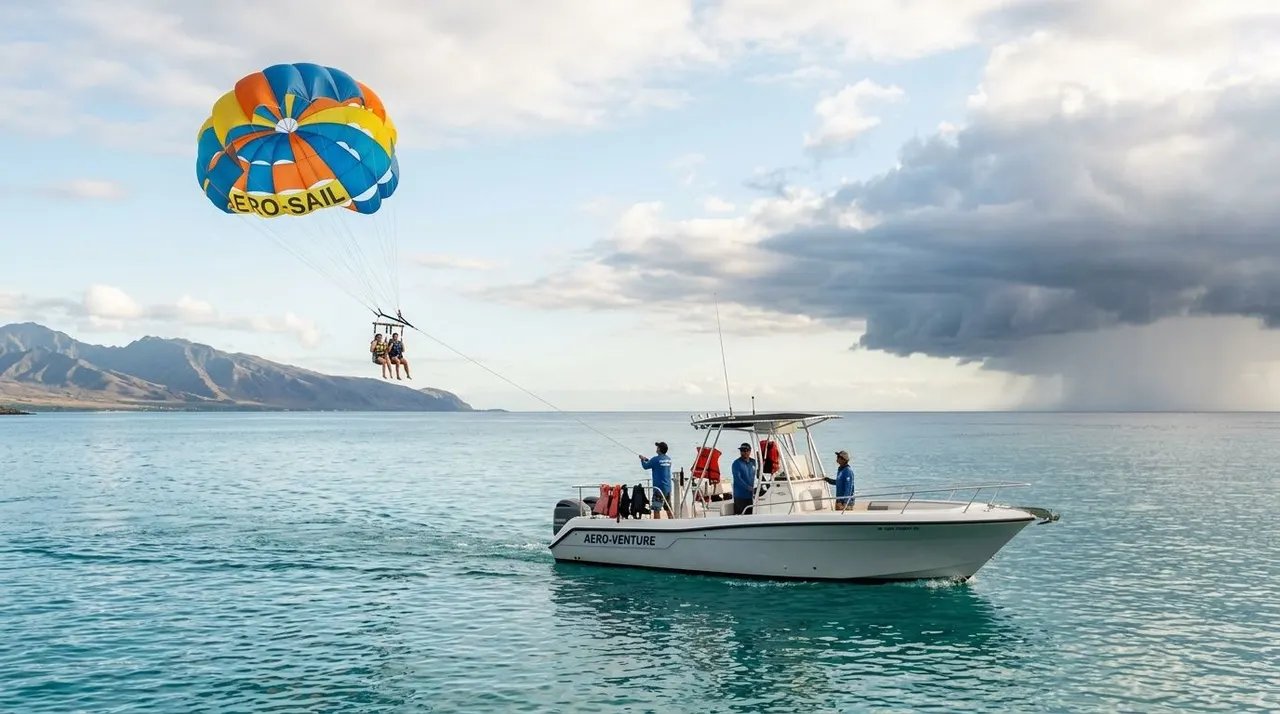
Before judging the risk, it helps to understand the mechanics. Parasailing is basically a controlled tow. You wear a harness attached to a canopy, and that canopy connects to the boat with a towline. The boat creates forward pull, the canopy fills with air, and the winch system controls how much line goes out and comes back in.
How a normal flight works
Most commercial parasailing trips start from a platform on the back of the boat, not from the beach. The crew clips riders in, checks the connection points, and gives a short safety briefing. As the boat accelerates and the winch releases line, the canopy lifts the riders gradually.
Once you’re airborne, the ride is usually quiet. That surprises first-timers. It tends to feel more like floating than like a theme park ride.
Landing is the reverse. The winch reels you back toward the stern, and the crew brings you down onto the platform.
Why the system matters
Parasailing has a strong safety record when this process is handled correctly. The Parasail Safety Council reports that out of an estimated 141 million harness parasail rides, the incident rate is less than 0.01%, and 95% of accidents are attributed to violations of safety guidelines, according to this overview of parasailing accident data and safety protocols.
That number tells you two important things at once:
- The activity can be low risk: Millions of people have done it with very few incidents relative to total rides.
- The margin comes from procedure: The low incident rate depends on crews following standards, not improvising.
There are also different equipment setups. The most common is a harness system. Some operators use a gondola or seat-style rig. Guests don’t need to become equipment experts, but they should understand that this isn’t just “strap in and go.” It’s a technical operation.
Practical rule: If a crew rushes the briefing, jokes off your questions, or looks disorganized at the platform, don’t assume they’ll be sharper once you’re in the air.
For people new to ocean activities in general, a boat tour safety talk guide is a helpful reference because it shows what a professional pre-departure briefing should feel like. Clear instructions are a good sign. Casual vagueness isn’t.
The Real Risks and How Accidents Happen
Rare doesn’t mean random. When parasailing accidents happen, they usually follow recognizable patterns. The biggest ones are equipment failure, weather, and operator judgment. In practice, those factors often overlap.
Towline problems are a serious red flag
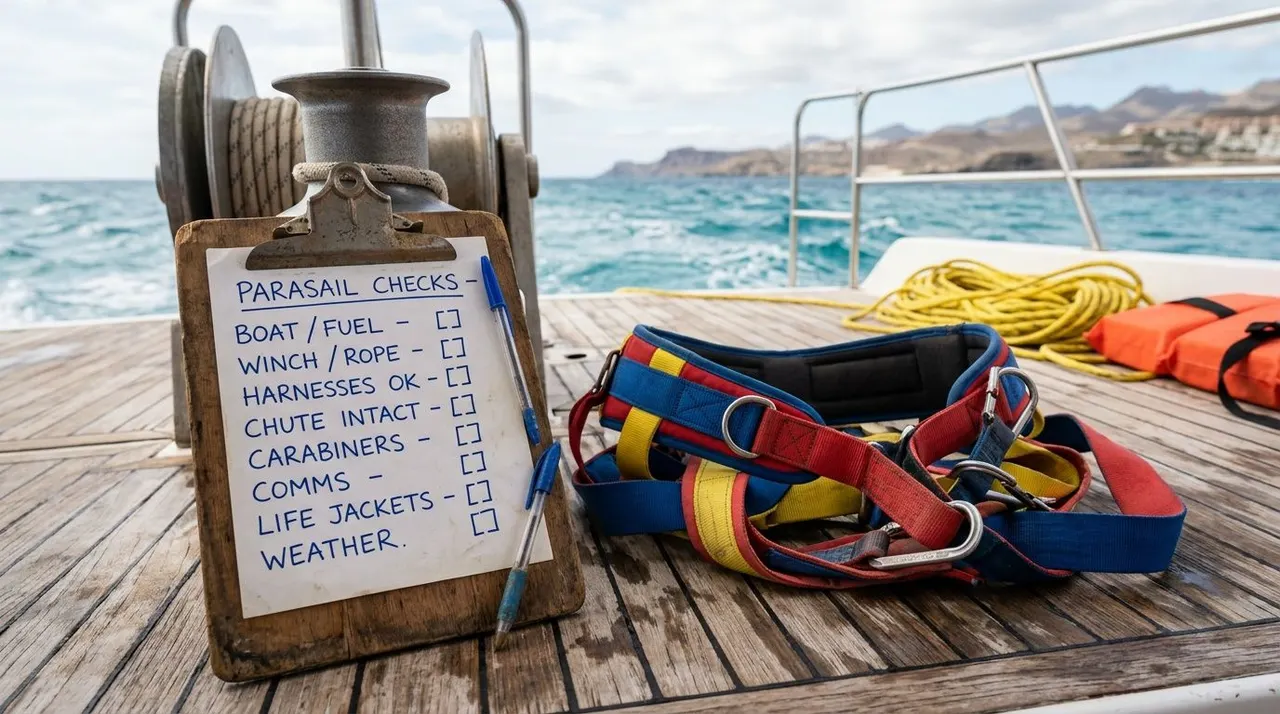
The towline is not a minor detail. It is the connection between the boat and the canopy, and it takes constant stress. According to this analysis of how common parasailing accidents are and why towline failure matters, towline failure accounts for over 50% of injuries in some analyses, and a towline’s strength can be reduced by up to 70% by UV exposure, saltwater corrosion, and improper knotting.
That’s why experienced crews obsess over line condition. A good operator doesn’t wait for something to “look bad enough.” They inspect, replace on schedule, and treat wear as a real hazard.
Weather is not background scenery
Wind is part of parasailing. Unsafe wind is what turns a normal operation into a hard-to-control one. From a guest’s point of view, this is tricky because conditions can feel pleasant on the dock while being far less stable out on the water or higher above it.
A conservative captain cancels early. A risky captain talks guests into going anyway.
Here’s where judgment matters most:
| Condition | Good operator response | Bad operator response |
|---|---|---|
| Building wind | Delays or cancels | Tries to “squeeze in one more” |
| Questionable visibility | Waits for better conditions | Downplays the concern |
| Guest uncertainty | Answers clearly and honestly | Pressures the guest to board |
Most failures start with human choices
The strongest broad lesson in parasailing safety is that the worst outcomes usually aren’t freak events. They grow out of decisions. Crews fly too close to shore. They keep using tired gear. They don’t build enough margin into the day. They ignore what the weather is telling them.
That’s why I tell families to focus less on how exciting the flight looks and more on how disciplined the operation looks.
- Watch the setup: Does the crew move with a routine, or does it feel improvised?
- Look at the gear: Clean and organized doesn’t guarantee safety, but neglected-looking gear is a warning.
- Listen to the captain: A calm, direct explanation beats sales talk every time.
If an operator seems more committed to keeping the schedule than protecting the guests, that’s the wrong operator.
This is also why accident conversations shouldn’t become fear-mongering. The point isn’t that parasailing is broadly reckless. The point is that specific hazards are identifiable, and good companies work hard to prevent them.
The Unregulated Truth About Parasailing Safety
Many visitors assume parasailing is covered by a clear national rulebook. In the United States, that assumption is wrong.
What the federal gap means
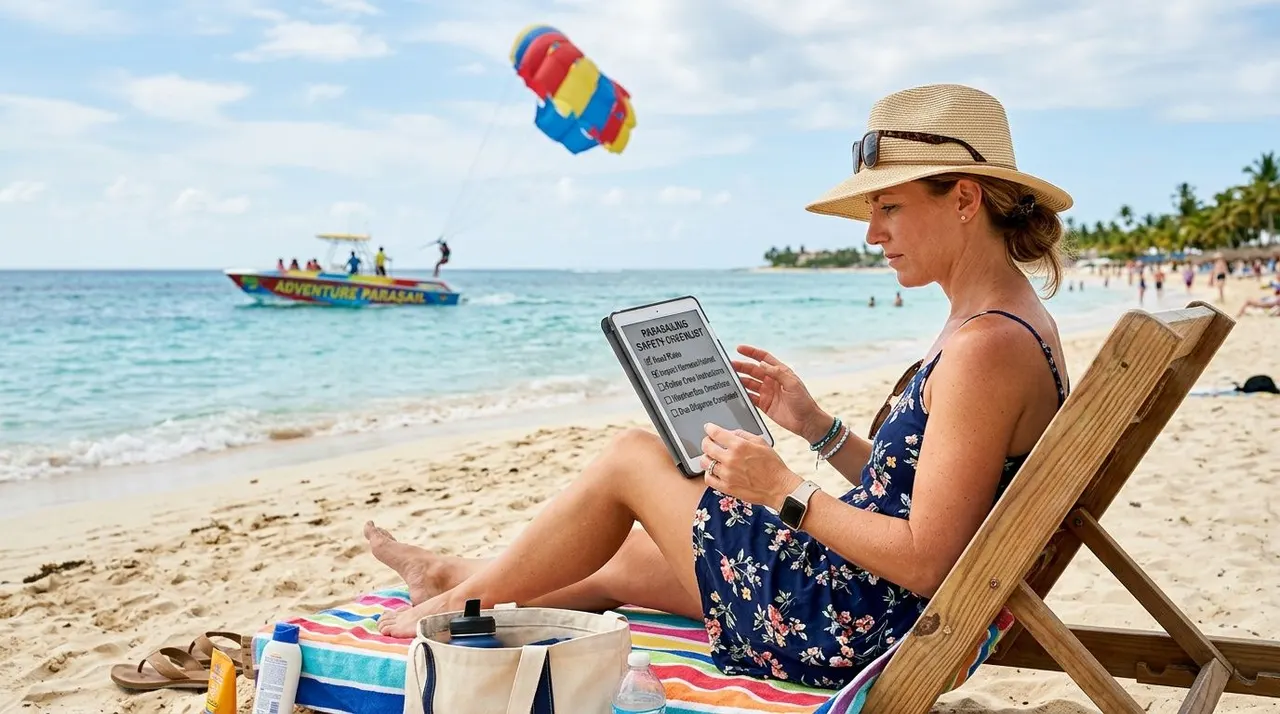
A 2014 NTSB special investigation report found that there are no federal U.S. regulations for parasailing, leaving safety standards, equipment inspections, and weather-related operating decisions voluntary and up to the individual operator, as stated in the NTSB parasailing safety investigation SIR1402.
That changes how you should think about booking. You’re not just choosing between companies with identical standards. You’re choosing between operators who may have very different maintenance cultures, training standards, and cancellation philosophies.
Voluntary standards matter
The better operators usually follow industry guidance and internal checklists with real discipline. They inspect gear consistently, brief guests thoroughly, and stop operations when conditions don’t look right. The weaker operators may still sound polished online, but the difference shows up in how they answer direct safety questions.
Ask yourself what kind of response you’re getting:
- Specific and transparent: “We cancel if conditions aren’t right, and we’ll rebook you.”
- Evasive and sales-driven: “It should be fine, we go all the time.”
Those are not equal answers.
The absence of federal rules doesn’t mean every operator is unsafe. It means you have to do more of the screening yourself.
That applies to all ocean activities, not just parasailing. A solid primer on how to choose the best boat tours in Honolulu is useful for exactly this reason. Safety often comes down to operator culture, and culture shows up in details long before the boat leaves the harbor.
When people ask me is parasailing safe, this is the part I want them to hear clearly. Parasailing can be run responsibly. But there is no universal baseline protecting you from a company that doesn’t take the same care.
Your Pre-Flight Checklist for Choosing a Safe Operator
If you decide to parasail, don’t book the first option that appears on your phone and hope for the best. Ask a few direct questions. Watch how the company answers them. Safe operators usually welcome that conversation.
Questions worth asking before you pay
Start with the basics. Ask what safety standards they follow, how they handle weather calls, and what their check-in and briefing process looks like. You’re not trying to trap anyone. You’re trying to hear whether the company has clear operating habits.
A useful shortlist:
- Standards and training: Ask if they follow Parasail Safety Council guidance or an equivalent internal standard.
- Weather policy: Ask what happens if wind or conditions change. You want a clear cancellation policy, not a vague reassurance.
- Equipment checks: Ask how often towlines, harnesses, and hardware are inspected and replaced.
- Captain credentials: Confirm the boat is run by a properly licensed professional.
- Emergency procedures: Ask what guests are told to do in an unexpected situation.
What to notice on site
Once you arrive, keep observing. Some of the best safety clues aren’t in the marketing copy. They’re in the operation itself.
Good signs include a calm boarding process, clear instructions, and a crew that checks fit and attachment points carefully. Bad signs include rushed waivers, sloppy gear staging, and staff who seem irritated by basic questions.
On-the-ground test: If you feel hurried into saying yes, step back and reconsider.
Be honest about your own fit for the activity
Not every guest is a good parasailing candidate. Parasailing is generally unsuitable for people with pre-existing back or heart issues, or for those who are pregnant. Many operators also use age and weight limits for harness fitting, and there are no mandatory health screenings, so guests need to disclose relevant conditions themselves, according to this article on common parasailing misconceptions and health restrictions.
That part is easy to overlook on vacation. People don’t want to feel like they’re missing out. But ocean activities should fit the guest, not the other way around.
If you’re traveling with grandparents, young kids, nervous swimmers, or anyone recovering from an injury, broaden the conversation beyond “Can we do it?” and ask “Will this be enjoyable for everyone?”
That’s where a guide to Waikiki boat tour red flags helps. The same warning signs repeat across marine activities. Pressure, poor communication, and vague safety answers are never a good start.
Safer Adventures for Peace of Mind in Oahu
For some families, the answer after all this is still yes. They find a disciplined operator, conditions look right, and parasailing ends up being a highlight. For others, the better call is choosing an activity with fewer variables and a wider comfort range.
That’s not settling. It’s smart trip planning.

Why guided snorkeling works for more groups
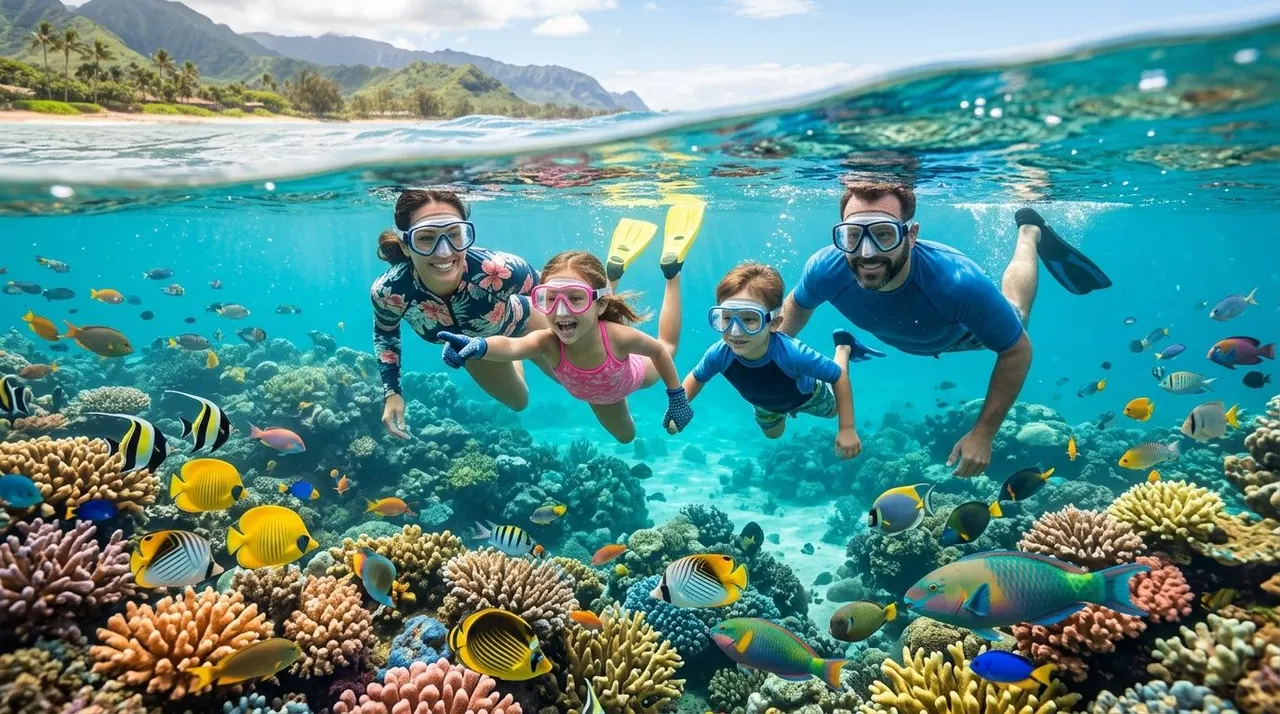
Guided snorkeling is often the better fit for multi-generational travel because the experience is easier to scale to different comfort levels. People can ease in, stay near the boat, ask questions, and enjoy the wildlife without the height, harness, and wind-related variables that come with parasailing.
It also gives families something parasailing usually doesn’t. A shared experience. Instead of one or two riders going up at a time while everyone else waits, the group gets to participate together.
Good snorkel operations also build confidence well. A professional crew can help first-timers with mask fit, entry technique, flotation, and basic water comfort in a way that feels supportive rather than rushed.
Another strong option for non-swimmers and mixed groups
If your group wants ocean views without the physical demands of snorkeling or the exposure of parasailing, a sunset cruise is hard to beat. You still get the coastline, open water, and memorable scenery, but from the comfort of a stable boat ride.
That’s often the sweet spot for grandparents, hesitant kids, and travelers who want the beauty of Waikiki without the adrenaline component.
If you’re comparing organized alternatives, Oahu has excellent options for both. A guided Waikiki snorkel and waterslide cruise gives families a marine-life-focused outing with structure and support. For a calmer evening plan, a Waikiki sunset cruise or the dedicated Sunset Cruise Waikiki experience offers the same ocean backdrop in a much lower-stress format.
Living Ocean Tours is the top rated & most reviewed snorkel company on Oahu.
Making the Right Choice for Your Family
So, is parasailing safe? Yes, it can be. But it’s only as safe as the operator running it, the equipment they maintain, and the weather decisions they make.
That’s the practical answer I’d want any visiting family to hear. Don’t judge the activity by the brochure photo. Judge it by the company behind it. If the crew is disciplined, transparent, and willing to cancel when needed, parasailing can be a reasonable choice for the right guest.
If your group includes young children, older relatives, nervous first-timers, or anyone with health concerns, the better memory may come from choosing an ocean experience with fewer risk points and more shared enjoyment. For a lot of visitors, that means snorkeling, wildlife cruising, or spending time on the water with a professional crew.
A useful gut check is this. If you’re asking a lot of “what if” questions before parasailing, listen to that instinct. There are plenty of ways to enjoy Waikiki’s ocean without forcing the most dramatic option.
Families planning around comfort, confidence, and kid-friendliness usually do well starting with these Waikiki boat tour tips for families with children. The best day on the water is the one your whole group feels good about before, during, and after it ends.
If you'd rather choose an ocean experience built around comfort, guidance, and family-friendly fun, Living Ocean Tours is a trusted place to start. From guided snorkeling to relaxing cruises along the Waikiki coastline, the focus stays where it should be: safe operations, memorable wildlife encounters, and a great day on the water.


