
Injured Turtle Oahu: What to Do at Turtle Canyon
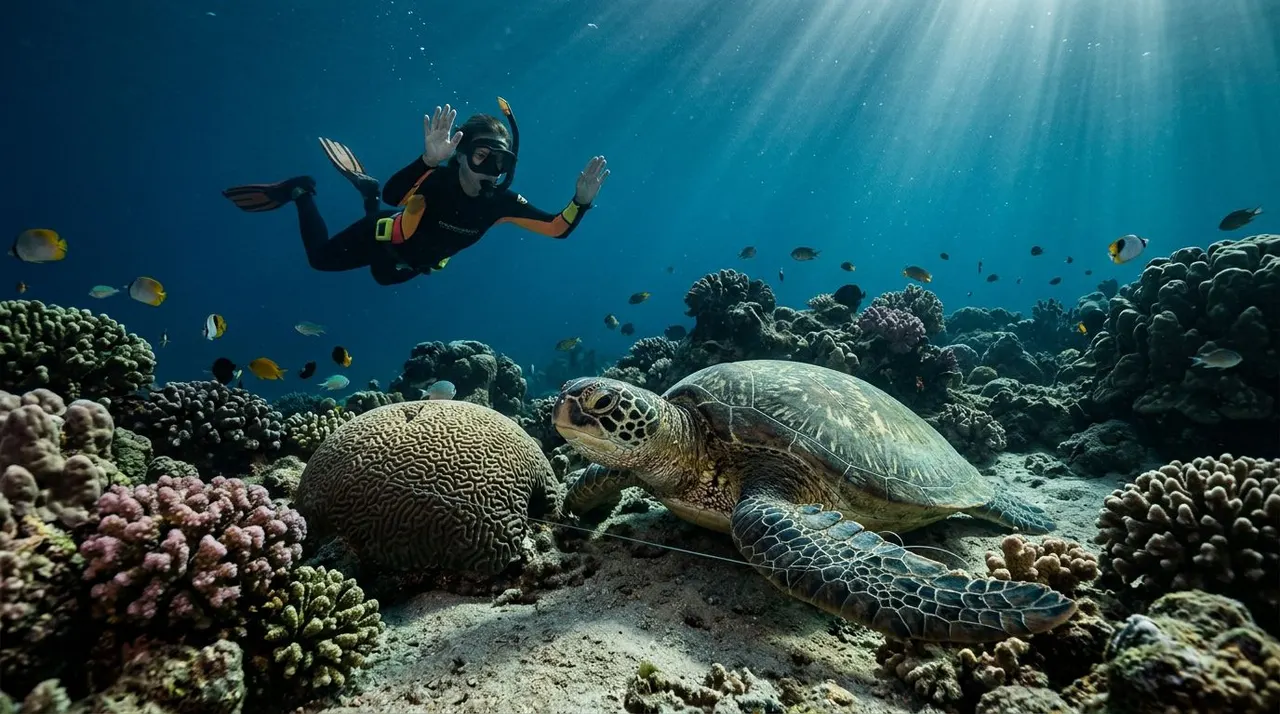
Seeing a Hawaiian green sea turtle at Turtle Canyon can be the highlight of your Oahu vacation. Seeing one injured, tangled, or struggling can leave you unsure what to do next.
Your safest response is simple: keep your distance, alert the crew or lifeguard, and call the statewide marine wildlife hotline at (888) 256-9840. You can help without touching the turtle or trying to move it.
Key Takeaways
- Keep at least 10 feet away from an injured, sick, stranded, or entangled turtle.
- Call the Hawaii Marine Animal Response hotline at (888) 256-9840.
- Never touch, feed, chase, tow, or remove a turtle from the water.
- Share the exact location and clear observations with responders.
- If you snorkel with Living Ocean Tours, alert the professional crew immediately.
How to Recognize an Injured Turtle at Turtle Canyon
Hawaiian green sea turtles, or honu, often rest on the seafloor, pause near coral, or float quietly at the surface. Normal behavior can look slow, so you shouldn’t assume every motionless turtle needs rescue.
Pay closer attention when you notice a visible problem or behavior that puts the animal at risk. Warning signs can include fishing line around the flippers or neck, a hook, bleeding, a damaged shell, or trouble swimming. A turtle that cannot submerge, keeps drifting into rocks, or remains stranded above the waterline also needs attention.
A turtle on the beach isn’t automatically injured. Honu sometimes rest on shore, particularly in familiar coastal areas. However, people and dogs should never crowd the animal. If you see blood, entanglement, a wound, a cracked shell, or signs of harassment, treat the sighting as urgent.
Do not swim closer to inspect a tag or photograph a wound. An injured animal may panic, change direction quickly, or injure you with its flippers. Instead, note the turtle’s location, direction of movement, nearby landmarks, and the problem you observed.
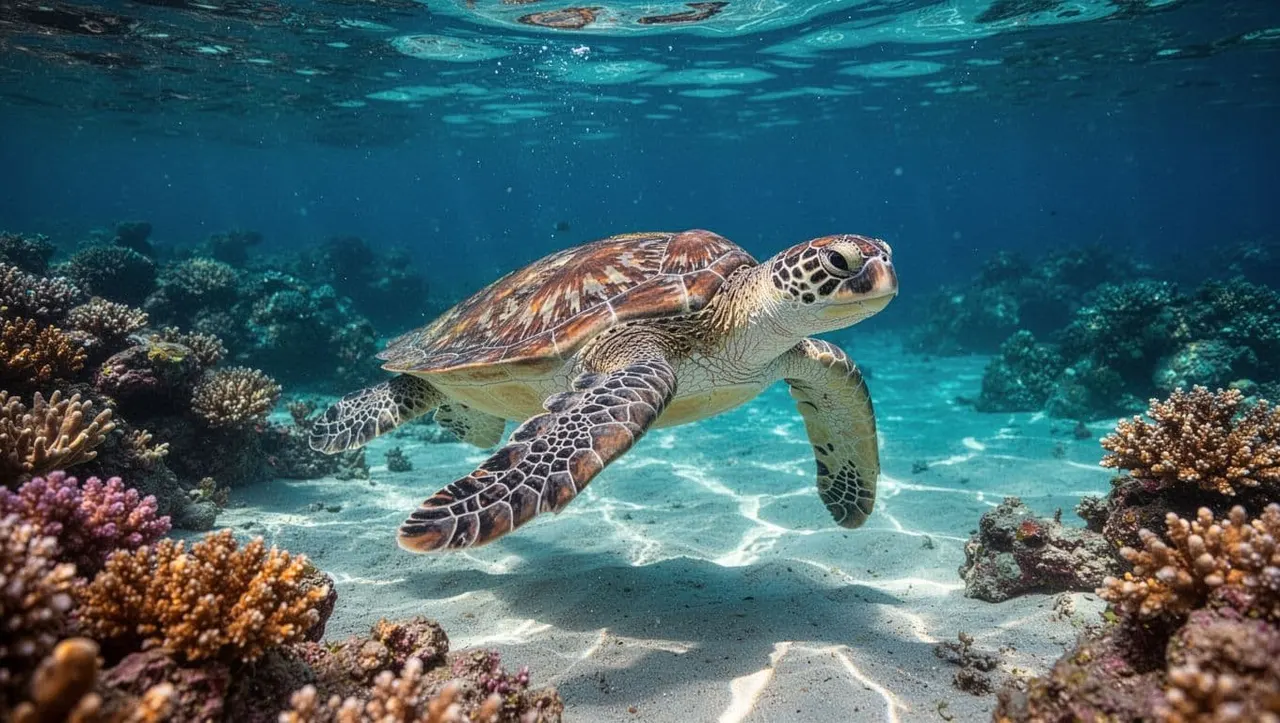
Even when a turtle appears calm, observing without touching is the right choice. Your distance gives responders a better chance to assess the animal without added stress.
What to Do If You Spot an Injured Turtle on Oahu
The statewide contact for an injured, sick, stranded, entangled, or dead sea turtle is the NOAA Marine Wildlife Hotline at (888) 256-9840. Hawai’i Marine Animal Response, commonly called HMAR, coordinates reports and can provide instructions for the specific situation.
You can also review HMAR’s sea turtle response guidance before your outing. Save the number in your phone so you don’t need to search for it while standing on a beach or boat.
Follow these steps:
- Move back at least 10 feet. Give the turtle space on land and in the water. Keep children, pets, swimmers, and paddleboards away from the animal.
- Call the hotline promptly. Explain that you’re reporting an injured turtle on Oahu. Share the beach, reef, harbor, or landmark name.
- Describe what you see. Mention entanglement, bleeding, a hook, shell damage, unusual floating, or any human interaction.
- Watch from a safe distance. Note whether the turtle moves, swims away, returns to shore, or becomes trapped.
- Follow responder instructions. HMAR may ask for photos, video, or additional location details.
Use your phone’s location services to identify the nearest beach or harbor, but don’t walk toward the turtle to get a closer image. A zoomed photograph taken from shore is more useful than a close-up that stresses the animal.
NOAA’s marine animal reporting guidance also directs people to contact the local stranding network immediately. If a person is in danger, contact 911 first. For suspected harassment or illegal handling, you can also report the incident to Hawaii enforcement authorities.
Keep the hotline number handy: (888) 256-9840 is the primary contact for sea turtle emergencies across Hawaii, including Oahu.
What You Should Never Do
Your good intentions can create additional danger for both you and the turtle. A stranded or entangled animal needs trained help, not a crowd of rescuers.
Don’t pull fishing line from the turtle. Line may be wrapped around the body, caught on coral, or connected to a hook that you can’t see. Pulling can tighten the line or cause deeper injuries. Don’t cut line unless a trained responder gives you clear instructions for that exact situation.
Don’t lift a turtle, push it back into the ocean, or carry it to a shaded spot. A turtle may need medical treatment, and moving it can hide important evidence about its condition. It can also expose you to bites, scratches, or sudden movement.
Avoid feeding the animal or pouring water over it. Don’t surround it for photos, block its route to the water, or touch its shell. A shell isn’t a handle, and touching the animal can spread stress and germs.
If you’re snorkeling when you see a problem, signal your guide or boat crew. Leave the turtle where it is and return to the group. Professional crew members can move other swimmers away while you report the sighting.
At Turtle Canyon, the best wildlife encounter is a calm one. Keep your fins away from the reef, stay several feet from turtles, and let the animal choose its path. You may get a memorable view without ever making contact.
How a Guided Turtle Canyon Tour Helps
A knowledgeable crew makes it easier to enjoy Oahu’s marine life responsibly. Living Ocean Tours operates from Kewalo Basin Boat Harbor, a short distance from Waikiki Beach, and offers guided ocean tours in Honolulu for beginners, families, and experienced swimmers.
Living Ocean Tours is the only tour company with professional snorkel guides. Guides help you enter the water safely, understand local wildlife rules, and keep the group positioned away from turtles and fragile coral. If a guest spots an animal in distress, the crew can help manage the group while contacting the right response team.
The company’s Turtle Canyons Snorkel Excursion visits a natural underwater cleaning station where Hawaiian green sea turtles are frequently seen. Turtle sightings are never guaranteed, but the tour reports a 95% success rate. The goal is a respectful encounter, not a close-contact experience.
The Coast Guard-inspected double-decker vessels, Coral Kai and Lokahi, include shaded seating, restrooms, dry storage, and sturdy ladders for water entry. Lokahi also has a SeaKeeper stabilization system that helps reduce rolling for guests who are concerned about seasickness.
Before you book, consider your swimming comfort, the day’s weather, and the needs of everyone in your group. First-time snorkelers can ask for help with masks, fins, and water entry. Families should remind children to watch turtles quietly and keep their hands to themselves.
If you want to visit Turtle Canyon with a professional crew, check the schedule before your preferred day fills.
If You See a Turtle During a Boat or Snorkel Trip
The right response depends on where you are when you notice the problem. In the water, stop swimming toward the turtle and signal your guide. Keep your body still while the crew directs you away from the animal.
If the turtle is near the boat, don’t jump in to help. Tell the captain or crew member what you saw, including whether line, plastic, or another object is attached. The crew can record the location and contact responders without putting guests in danger.
When you see an injured turtle from a beach, stay above the high-water area and keep a clear path between the animal and the ocean. Don’t create a ring of people around it. Ask one person to make the call while everyone else maintains distance.
A turtle caught on fishing gear needs special care. Call the hotline before attempting anything. If you accidentally hook a turtle while fishing, stop pulling and follow the responder’s instructions. Never cut away a hook on your own unless the hotline specifically tells you how to proceed.
If someone is touching, riding, chasing, feeding, or deliberately blocking a turtle, document the behavior only if you can do so safely. Don’t confront an aggressive person or place yourself between them and the animal. Report the incident to the appropriate authorities and provide the time, location, and description.
Your report may be the first clear information responders receive. Small details matter, especially when the turtle swims away before help arrives.
Respectful Turtle Encounters Beyond Turtle Canyon
The same rules apply wherever you see honu on Oahu, including Waikiki, Hanauma Bay, the North Shore, and coastal beaches. Stay at least 10 feet away, keep your fins off the reef, and leave room for the turtle to surface.
You may see other visitors approach closely because they don’t know the rules. A calm reminder can help, but don’t turn a wildlife sighting into an argument. If the animal appears distressed or someone refuses to stop harassing it, contact the hotline.
Responsible snorkeling also means checking your equipment before entering the water. Loose straps, dangling accessories, and fishing line can harm reef animals. Secure your gear, carry out anything you bring, and avoid standing on coral while you adjust your mask.
Turtle Canyon is a living habitat, not an aquarium. The cleaning station belongs to the animals that use it, so your visit should leave the site as calm as you found it. A good encounter gives you a clear view while allowing the turtle to continue feeding, resting, or swimming without interruption.
Conclusion
If you spot an injured turtle on Oahu, create space and call (888) 256-9840. Don’t touch, move, feed, chase, or attempt to remove fishing gear unless trained responders provide direct instructions.
At Turtle Canyon, your best role is a careful observer. With distance, accurate information, and help from professional guides when you’re on a tour, you can protect the turtle while keeping your own group safe.


