
Humuhumunukunukuapua’a Fish: An Oahu Snorkeling Field Guide
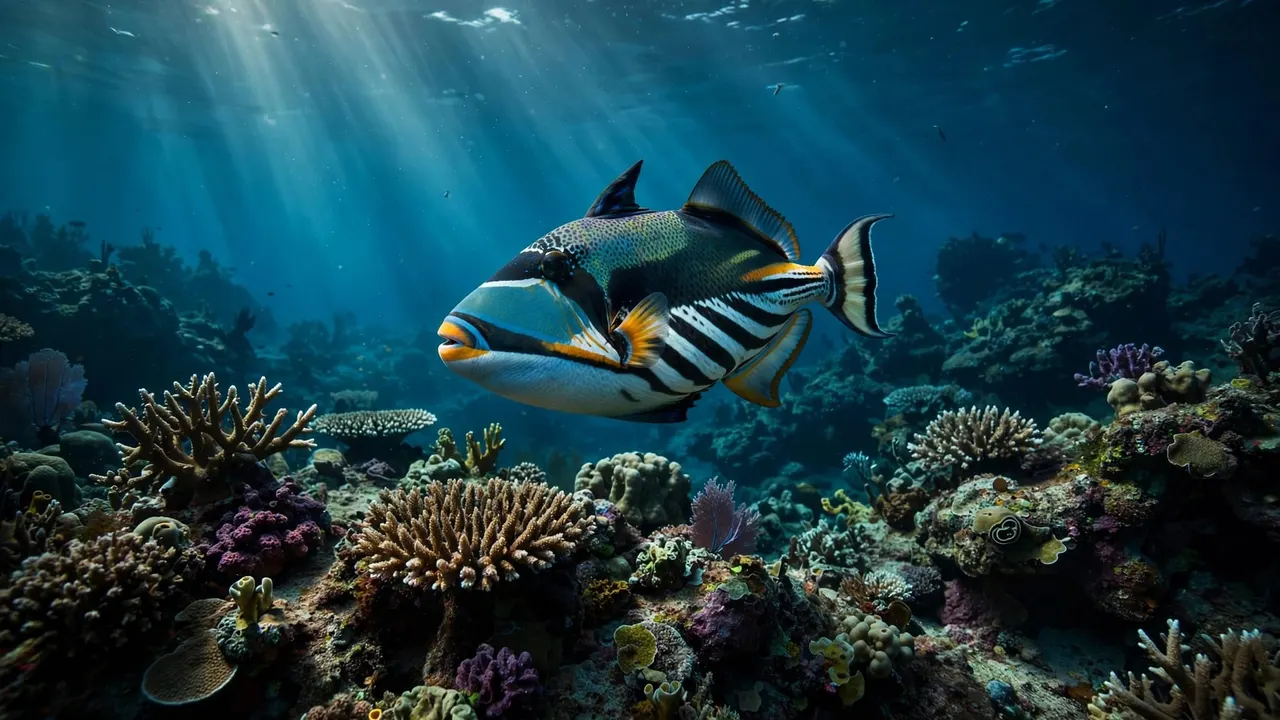
The best reef sighting might happen after you stop swimming. If you’re hoping to spot a humuhumunukunukuapua’a fish while snorkeling Oahu, slow down and give the reef a chance to come into focus.
Living Ocean Tours takes guests from Kewalo Basin near Waikiki to offshore snorkeling areas, but even with a guide, no particular fish is guaranteed. Patient observation gives you a better experience than a hurried search. Start by knowing what to look for.
How to identify the humuhumunukunukuapua’a fish
Look for the shape before the colors
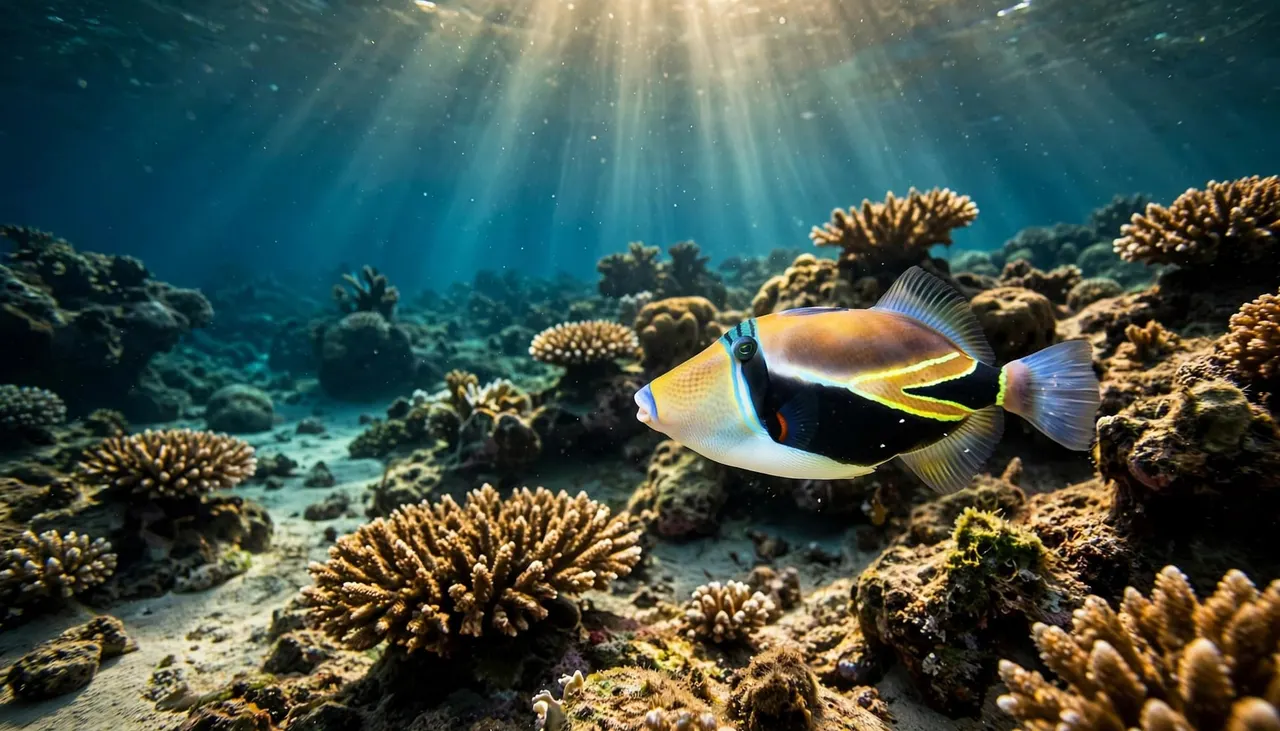
The humuhumunukunukuapua’a is a reef triggerfish, Rhinecanthus rectangulus. Its compact, angular body is a useful first clue when several colorful fish cross your view at once. Look for a dark band through the eye and bold contrasting patches across the body.
Color changes with light and viewing angle underwater. For that reason, don’t identify a fish from one yellow patch or a quick glimpse of its tail. Watch it long enough to see the body shape and markings together. The Waikiki Aquarium’s reef triggerfish profile says the species reaches up to 10 inches long and has small, powerful jaws.
Get comfortable with the name
You may hear the Hawaiian name written with diacritics as humuhumunukunukuāpuaʻa. On an Oahu snorkel trip, you’ll also hear it shortened to “humuhumu.” Both point you toward the same fish.
The name is closely tied to Hawaii’s public image of reef life. A 2006 Hawaii House committee report describes a proposal to establish the species permanently as the state fish. In the water, its distinctive outline is more useful than remembering every syllable.
Read the reef before you follow a fish
A moving snorkeler can overlook fish that are in plain sight. Settle into a comfortable float over water deep enough to keep your fins clear of the bottom. Then scan one patch of reef rather than sweeping your head constantly from side to side.
Give yourself a full viewing window
Watch a small area for 20 to 30 seconds. Notice a fish’s direction, how much space it keeps from other fish, and whether it comes back into view. If you spot a likely humuhumunukunukuapua’a fish, let it travel at its own pace.
You don’t need to follow it into a narrow reef gap for confirmation. A second, unhurried look may reveal the eye band and body markings. If the fish disappears, keep floating. Another part of the reef may become visible once you’ve stopped kicking.
Treat distance as useful information
When fish move away as you approach, give them more room. Hold position and watch where they go rather than closing the gap for a photo. That approach also helps you notice the surrounding habitat instead of focusing on one animal.
If getting a closer look requires a hard kick over shallow coral, let the sighting go.
The humuhumunukunukuapua’a fish is one part of a living reef. Watching without pursuit gives you time to notice other fish and leaves their space undisturbed.
Where to look while snorkeling Oahu
Favor habitat over a promised sighting
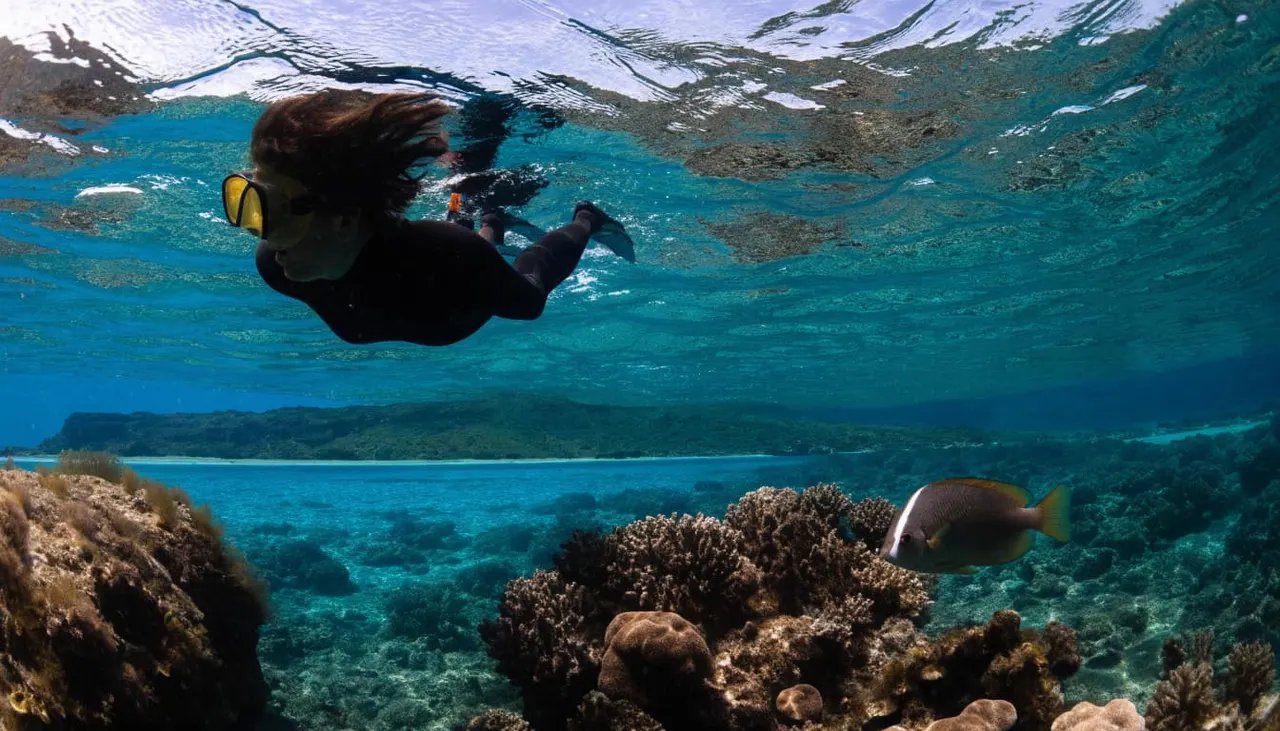
Reef triggerfish occur around coral reefs and sandy-bottom areas in warm water, according to CSA Ocean’s species overview. That gives you a starting point, not a reliable address for an individual fish.
Look across the boundary between reef structure and adjacent open bottom when visibility allows. Stay far enough above the reef that you won’t strike it with a fin. If you can’t see the bottom clearly or hold your position comfortably, focus on getting back to a safe swimming area instead of searching.
Neither a famous beach nor a boat-accessible reef can promise a humuhumunukunukuapua’a fish. Conditions affect what you can see, and wild fish move freely. Keep your plans flexible enough to enjoy the reef you encounter.
Choose an outing that fits your group
Shore snorkeling gives you control over your schedule, but you must assess access, conditions, and your route back. Go with a buddy and choose a place suited to your swimming ability. Don’t assume a calm-looking stretch of water is an easy entry.
A guided boat outing can simplify gear, instruction, and water entry for a family with mixed experience. From Waikiki, you can compare Living Ocean Tours’ Oahu ocean outings before choosing how you want to spend your reef time. Pick the trip for its overall experience, not a promise of one species.
Prepare for a calmer look underwater
A comfortable snorkel starts before you begin identifying fish. If your mask leaks or your breathing feels rushed, stop and sort it out near your entry point, boat, or guide. You’ll see more once you can float without thinking about your equipment.
Set your mask and fins before swimming away
Keep hair clear of the mask seal and check that the strap sits securely without overtightening it. Test your breathing through the snorkel while you’re still close to support. If your mask repeatedly fills, ask for help or try a different fit.
Your fins should stay on without rubbing. Use small, controlled kicks and keep them behind you in open water. When the bottom rises toward you, change your route instead of kicking harder across it. A flotation device can help you pause without reaching for coral.
Let the day’s conditions decide
Before entering from shore, identify where you’ll exit and watch the water long enough to see how waves reach that spot. Check whether you can stay within a comfortable distance of your buddy. If you can’t judge the conditions confidently, choose another activity or ask for local guidance.
On a boat, listen to the crew’s swimming boundaries and return instructions. Tell them early if you’re nervous, cold, tired, or dealing with a gear problem. A humuhumunukunukuapua’a fish isn’t worth a swim that exceeds your comfort level.
Snorkel with professional support near Waikiki
Living Ocean Tours departs from Kewalo Basin Boat Harbor, minutes from Waikiki. Its guided outings offer snorkeling gear and instruction, while the double-decker boats provide shaded seating, restrooms, dry storage, and sturdy ladders for getting back aboard.
The company says it’s the only Oahu tour company with professional snorkel guides in the water. That support is useful when you need help settling a mask, getting comfortable with flotation, or keeping clear of the reef. Let a guide know what you need before entering; you don’t have to solve a small equipment problem while trying to watch fish.
Make wildlife viewing the goal
An offshore snorkel can put you near varied reef habitat, but no crew can arrange a meeting with a particular fish. Tell your guide if you’re keen to identify a humuhumunukunukuapua’a fish. They can help you look while keeping the group’s swimming plan in view.
If turtles appear, give them room to travel and surface. If you see only smaller reef residents, watch how they use the space around them. Either way, you get more from the outing when you leave room for wildlife to behave naturally.
Leave the reef as you found it
Keep your body and gear off coral
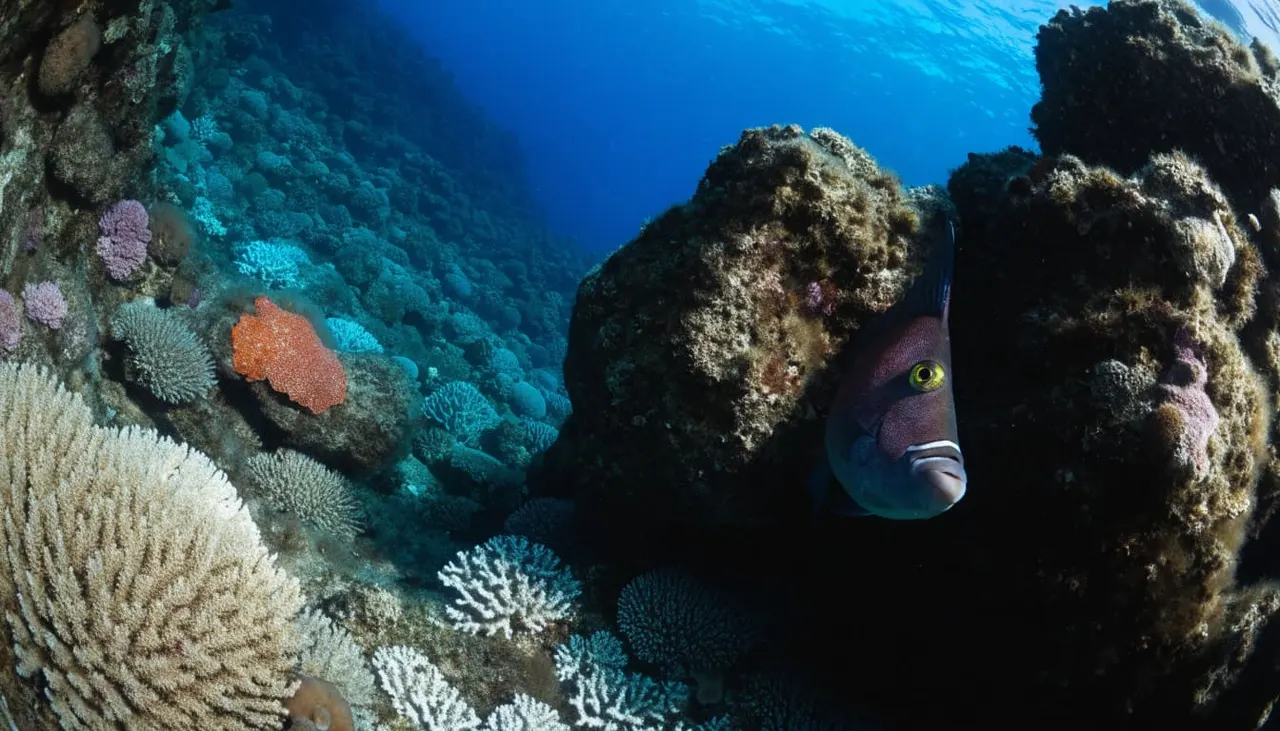
Coral isn’t a place to stand while adjusting a mask. Move into open water, use flotation if available, or return to your guide or boat for help. Watch where your fins trail when you turn, especially near a shallow reef edge.
Leave shells, coral, and other natural material where you find them. Hawaii’s Department of Land and Natural Resources sets out rules for marine invertebrates and coral, including restrictions on taking coral from state waters. The simplest habit for a snorkeler is to look without collecting.
Give every animal an exit
Don’t touch, feed, corner, or chase a fish for a clearer photo. If it slips behind reef structure, let it stay there. If a turtle passes through your viewing area, keep its route to the surface open.
A good sighting doesn’t require you to be close. You can often see the humuhumunukunukuapua’a fish’s striking shape from a comfortable distance, especially when you float still and let the water settle.
Key takeaways for your reef day
- Identify a likely reef triggerfish by its angular body and contrasting markings, not color alone.
- Watch one patch of reef patiently before swimming farther to search for wildlife.
- Choose shore or guided snorkeling based on your swimming ability and the day’s conditions.
- Keep fins clear of coral and let fish move away without following them.
- Enjoy every wildlife encounter as a possibility, never a guarantee.
Frequently asked questions
Is the humuhumunukunukuapua’a fish easy to spot on Oahu?
You may spot one in suitable reef habitat, but sightings vary. Visibility, your route, and the fish’s movements all affect what you see. A patient scan of the reef gives you a better chance to notice its shape than fast swimming.
Is it the same fish as a reef triggerfish?
Yes. Humuhumunukunukuapua’a is the Hawaiian name associated with the reef triggerfish Rhinecanthus rectangulus. “Humuhumu” is a common shorter name you’ll hear while visiting.
Can a beginner look for one on a snorkel trip?
Yes, if the conditions and outing suit your ability. Start near your guide or other support, practice breathing, and use flotation when offered. You can watch the reef without swimming far or diving down. Tell the crew before entering if you’re unsure about your mask or open water.
Should you bring a camera?
A camera is optional. If you bring one, secure it and keep your attention on your position in the water. Don’t reach into a crevice or approach coral for a close-up. A steady, distant view is better than a photo that disturbs the reef.
A better sighting starts with slowing down
You don’t have to cover an entire reef to find a memorable moment. Learn the triggerfish’s outline, choose a swim that suits the conditions, and give wildlife space.
The next time the reef looks busy, stop moving for a few breaths. The details you came to see may already be in front of you.


