
Understanding humpback whale lifespan off Oahu
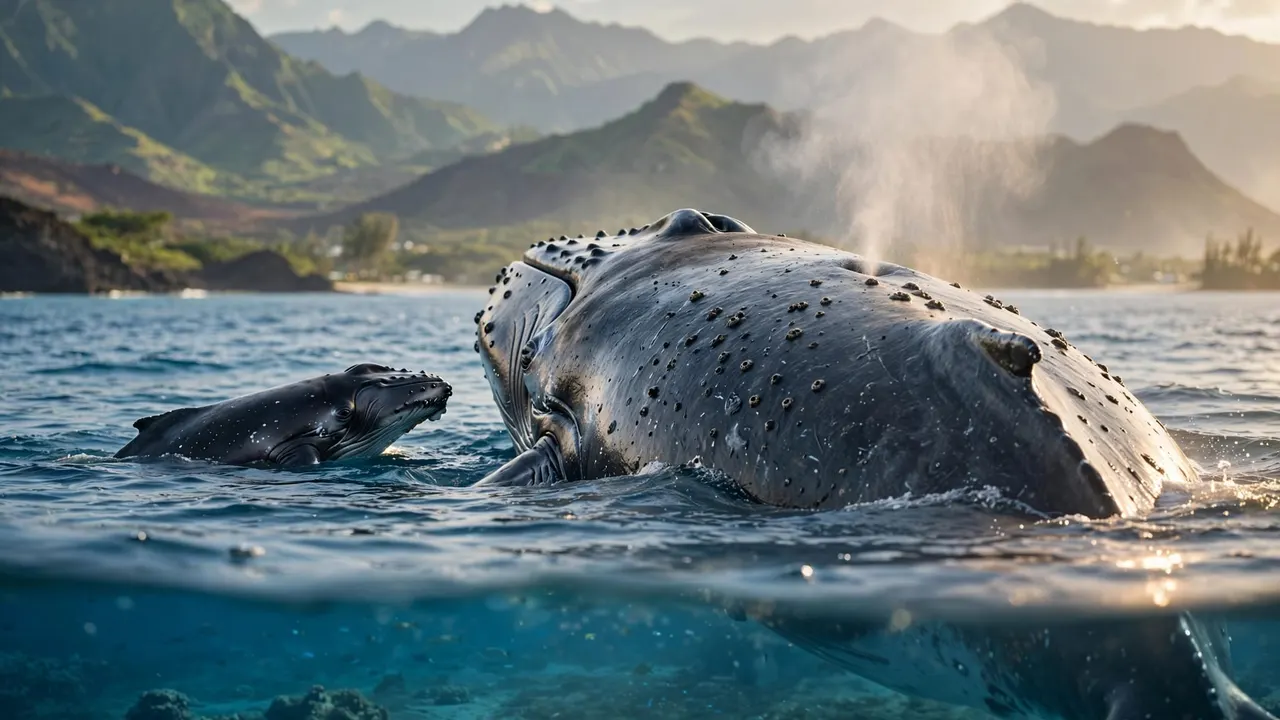
Humpback whales are estimated to live about 80 to 90 years. That lifespan gives you a different perspective on an animal surfacing beside Oahu: you may be watching a whale that has made decades of ocean journeys.
At Living Ocean Tours, you can experience part of that life cycle during Hawaii’s winter whale season. Understanding the biology helps you appreciate quieter encounters, including a mother traveling with her calf.
Start with what the lifespan estimate means, then connect it to the whales you might see offshore.
What a humpback whale lifespan estimate tells you
The estimated lifespan describes a long-lived species, not a deadline for every individual. Some whales die young, while others survive through many breeding and feeding seasons.
You also need to separate longevity from a population’s average age at death. Those measurements answer different questions. An animal’s potential lifespan doesn’t mean every newborn will reach that age.
For your Oahu encounter, the useful point is that adulthood can last for decades. A mature whale may have returned to Hawaiian breeding waters many times before you see it.
However, you can’t assign an age simply because a whale looks large, moves slowly, or carries scars. Appearance gives you observations, not a birth date.
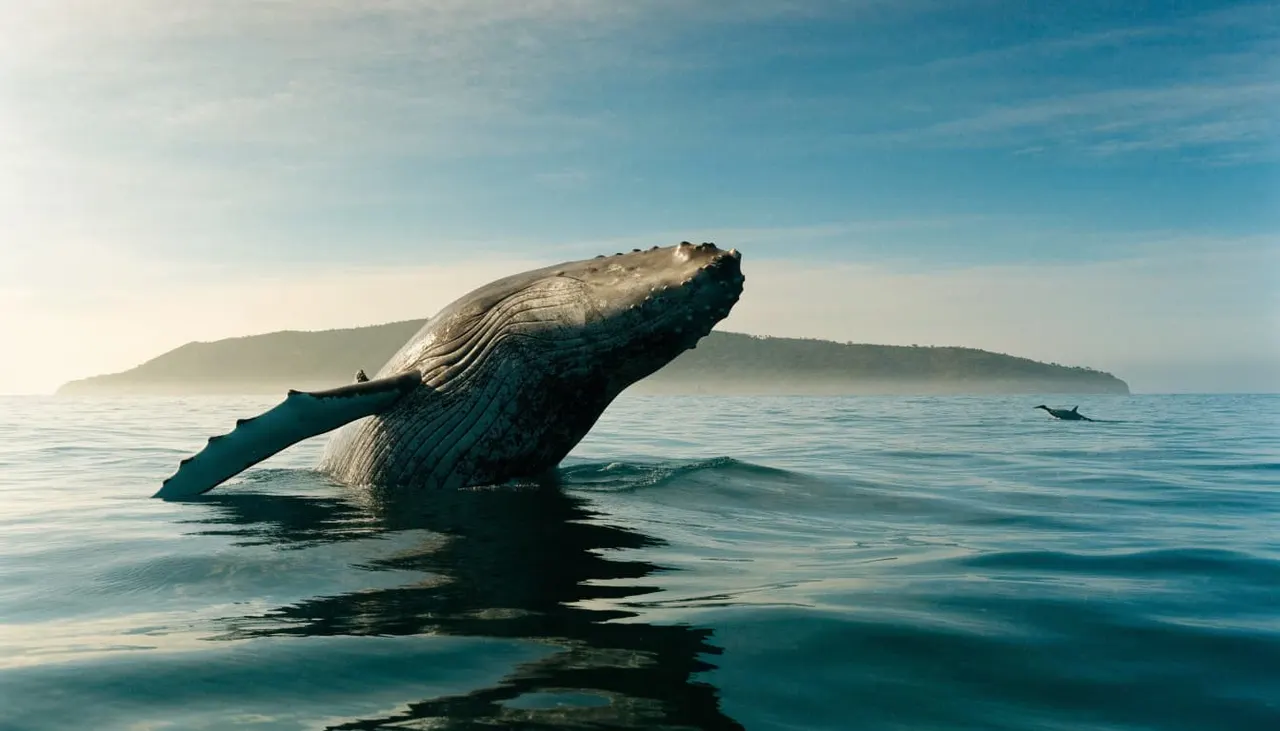
An impressive breach doesn’t reveal youth, either. Mature whales can perform energetic surface displays, while younger animals may travel without much visible activity.
You can enjoy the encounter without solving that mystery. Watch the whale’s movements and surroundings, then keep its possible age separate from what you can directly observe.
Adulthood begins well before old age
A long humpback whale lifespan includes several distinct stages. Becoming capable of reproduction is only one milestone within that much longer life.
Sexual maturity arrives between ages 4 and 10
According to NOAA’s humpback whale biology profile, humpbacks reach sexual maturity between 4 and 10 years old. That range means reproductive maturity doesn’t happen at one fixed birthday.
You shouldn’t read “sexually mature” as “fully grown” or “old.” Those are separate biological questions.
During a winter encounter, a whale participating in breeding activity could still have many decades ahead. Meanwhile, a solitary whale’s behavior won’t tell you whether it has reproduced before.
For families watching together, this distinction makes the life cycle easier to understand: an animal can become a parent relatively early in a long life.
Females usually have one calf every 2 to 3 years
Female humpbacks generally produce a single calf every 2 to 3 years. This is a typical interval, not an exact schedule for every mother.
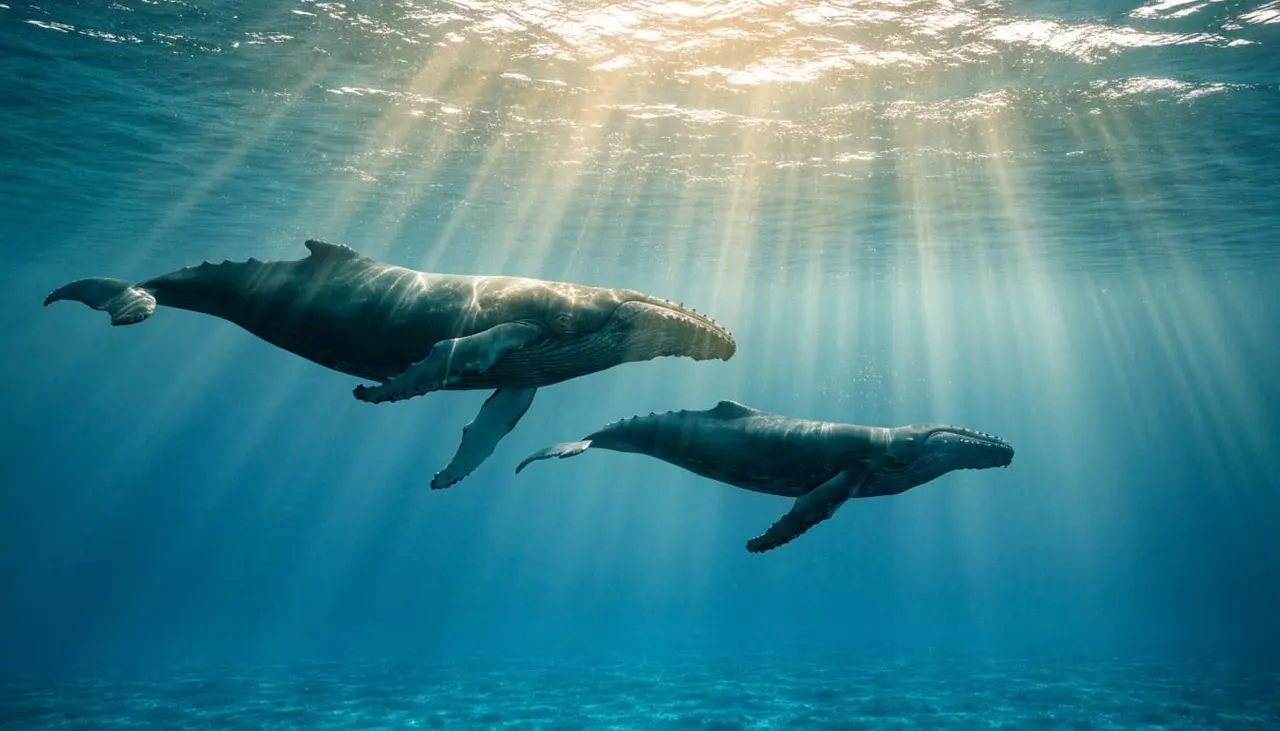
A mother-and-calf pair therefore reveals something meaningful: you’re seeing a demanding stage of reproduction and early development.
The mother supplies milk while the calf grows and stays near her. Yet that sighting doesn’t reveal her age or how many previous calves she has raised.
Because the reproductive interval varies, you can’t calculate a mother’s lifetime offspring by dividing an estimated lifespan by two or three. Survival and individual reproductive history affect the outcome.
Why Oahu is one chapter in a long life
Across a humpback whale lifespan, feeding and breeding habitats both matter. The ocean off Waikiki is one part of that larger pattern.
Northern feeding waters supply energy
North Pacific humpbacks spend the warmer part of the year feeding in colder, productive northern waters. Their prey includes krill and small schooling fish.
That food supports much more than daily activity. Whales build energy reserves before traveling toward breeding areas.
When you watch a humpback near Oahu, you’re seeing an animal whose condition also depends on habitat far beyond Hawaii. A healthy winter destination can’t replace productive feeding grounds.
This connection gives conservation a wider scope. Protecting whales requires attention to the waters where they feed as well as the waters where you encounter them.
Hawaii supports breeding and calf care
Hawaii’s warm waters are primarily a breeding and nursery destination for visiting humpbacks. Whales come to mate, give birth, and care for young calves.
However, every animal you see won’t be actively courting. You may encounter a traveling whale, a mother nursing her calf, or an animal resting between surface periods.
Likewise, several whales near each other don’t automatically form a competitive breeding group. Their actions provide better clues than their proximity alone.
A quiet encounter can be memorable because you’re watching part of a repeated annual cycle. The animal’s time near Oahu is only a short portion of its life.
Read the behavior without guessing the whale’s age
You don’t need to know a whale’s birthday to understand more of your sighting. Focus first on visible movements and relationships.
Follow the sequence at the surface
A sighting often begins with a blow, the visible mist produced when a whale exhales. You may then see its back roll above the water.
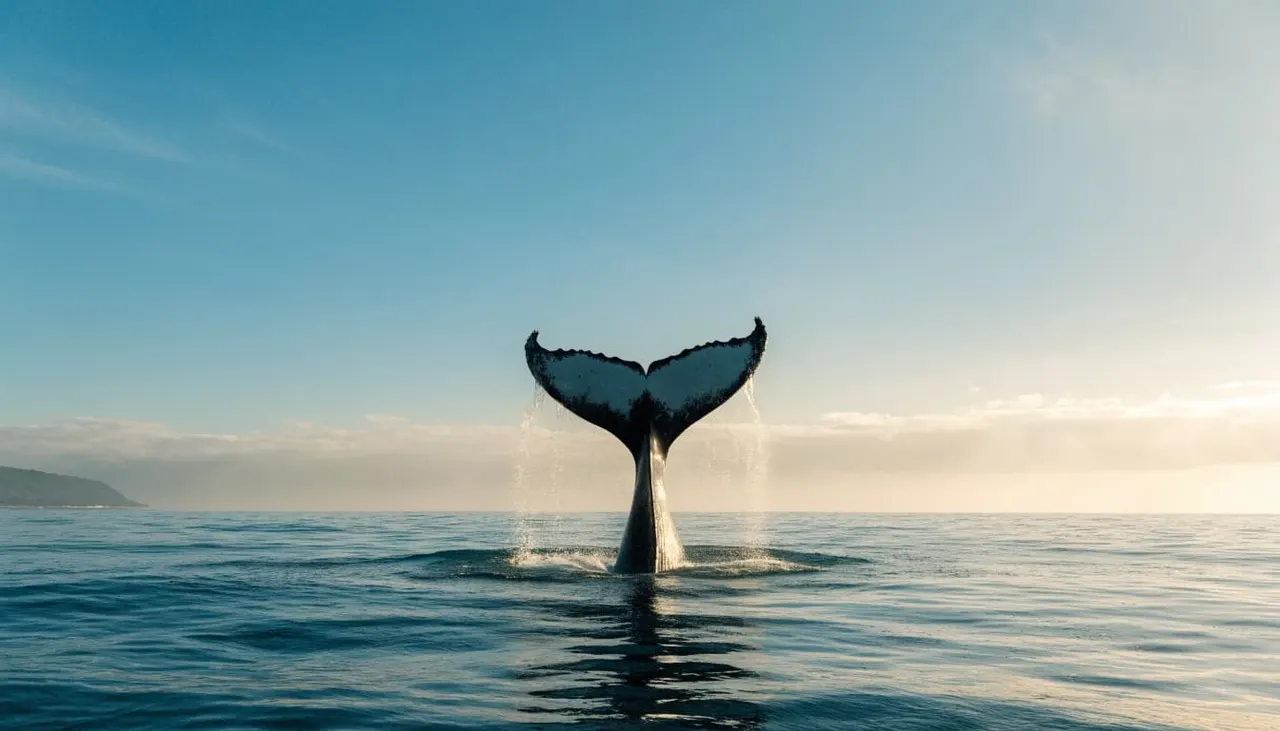
Sometimes the tail flukes rise before a dive. At other times, the whale slips beneath the surface without showing its tail.
Watch that sequence rather than waiting only for a breach. It helps you follow an animal across brief appearances and longer underwater pauses.
You can also practice patient scanning from land. The Sanctuary Ocean Count whale guide supports shore-based observation, which gives you another way to appreciate Hawaii’s winter visitors.
Notice pairs without assigning a family history
A small whale traveling closely beside a much larger one may be a calf with its mother. Watch their relative size, spacing, and movement.
However, another whale nearby doesn’t establish a father, sibling, or permanent companion. Humpback associations can change.
Similarly, scars aren’t a reliable measure of years lived. An animal can acquire an injury early, while an older whale may show fewer obvious marks.
A mother-and-calf sighting tells you about the calf’s early life stage. It doesn’t tell you the mother’s age or reproductive history.
Keeping those limits in mind makes your observations more accurate without taking away the excitement.
What can shorten a humpback’s life
A long humpback whale lifespan depends on surviving both natural hazards and human-caused threats. Longevity is possible, but survival requires suitable habitat throughout the animal’s life.
Entanglement in fishing gear is one serious danger. Lines can restrict movement, cause wounds, and interfere with feeding. A whale carrying gear may also expend extra energy while swimming.
Vessel collisions are another threat. These injuries can be severe even when the full damage isn’t visible at the surface.
Ocean conditions also influence prey availability. Because humpbacks depend on productive feeding areas, changes in food supply can affect their condition and reproductive success.
Underwater noise can interfere with communication and alter behavior. That matters for animals that use sound across large ocean spaces.
For you, these threats explain why respectful wildlife viewing has real value. A whale needs room to travel, breathe, and care for its calf without additional disturbance.
Your encounter is temporary. The animal still has an ocean journey ahead after the boat returns to shore.
Give whales room during your Oahu encounter
In Hawaii, you must not approach a humpback whale within 100 yards. The Hawaiian Islands Humpback Whale National Marine Sanctuary explains this safe and legal viewing distance.
That requirement applies to more than large boats. Swimming, kayaking, or paddleboarding doesn’t give you permission to approach a whale.
Stay aboard during your encounter and follow the crew’s instructions. If a whale approaches the vessel, let the captain manage the situation rather than trying to arrange a closer photograph.
A zoom lens or binoculars can help you appreciate details without reducing the distance. However, keep your attention on the animal as well as your equipment.
Mothers and calves need space to surface, travel, and rest. Chasing a pair for another photograph adds pressure during an already demanding life stage.
Respectful viewing lets the encounter unfold on the whales’ terms. You may see a dramatic display or a quiet series of breaths, and both deserve your attention.
Experience winter whale watching with us
You can join our Waikiki humpback whale watching cruise for a chance to observe these animals along Oahu’s coastline. We depart from Kewalo Basin Boat Harbor, near Waikiki.
At Living Ocean Tours, our approach centers on observing wildlife without touching or pursuing it. Whether you’re traveling as a couple or bringing your family, patience helps you notice more.
If your ocean plans also include reef time, we’re the only tour company with professional snorkel guides. For whale viewing, keep your focus above the water and follow our crew’s directions.
Wind, swell, visibility, and whale movement affect each outing. Plan for sun and breezes, keep your camera secure, and give yourself time to enjoy the coastline between sightings.
When you’re ready to reserve your whale-watch outing, CHECK AVAILABILITY.
Key takeaways for your whale watch
Keep these distinctions in mind as you scan the water:
- Treat the humpback whale lifespan estimate of 80 to 90 years as a general estimate, not an individual age.
- Sexual maturity usually occurs between ages 4 and 10, well before the end of a potential lifespan.
- Females generally produce one calf every 2 to 3 years, but individual histories vary.
- Hawaii provides breeding and nursery habitat, while northern feeding areas supply much of the whales’ energy.
- Maintain the required 100-yard distance and let wildlife determine the encounter.
Frequently asked questions
Can you tell how old a humpback is from a boat?
You can’t reliably determine its exact age from a surface sighting. Size, scars, speed, and energetic behavior don’t provide a birth date. You can describe what you see without assigning a number of years to the animal.
Does a mother with a calf have to be an old whale?
A female can reproduce after reaching sexual maturity, typically between ages 4 and 10. Seeing her with a calf therefore doesn’t establish old age. It also doesn’t tell you whether this is her first calf or a later one.
Are the whales near Oahu a separate species?
The humpbacks visiting Oahu belong to the same species, Megaptera novaeangliae, found in other oceans. However, populations differ in migration routes and breeding destinations. The North Pacific whales you encounter in Hawaii connect these waters with distant feeding habitats.
Appreciate the whole life behind the sighting
Understanding humpback whale lifespan adds perspective to every blow, tail lift, and mother-and-calf encounter. You may be seeing one brief moment in decades of feeding, migration, and reproduction.
Your most rewarding view comes from patient observation and respectful distance. Let the whales choose their movements while you appreciate the part of their lives that unfolds off Oahu.


