
Honu Magnetic Fields: How Oahu Turtles Find Their Way
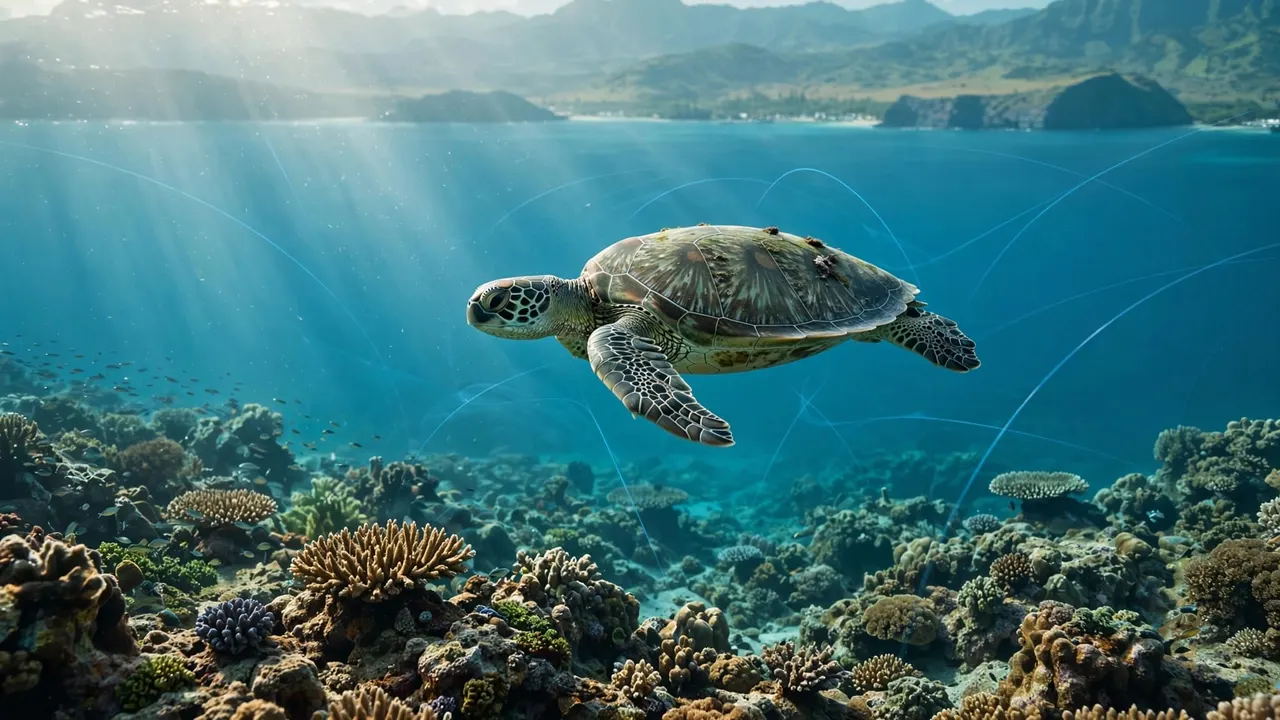
Sea turtles can use Earth’s magnetic field for navigation, but that ability doesn’t explain every honu movement around Oahu. When you join us at Living Ocean Tours, that distinction adds perspective to the turtles you encounter.
To understand how magnetic fields affect honu, separate evidence from observation: researchers can study navigational responses, while you can watch turtles feeding, resting, and moving through coastal habitat. Start with the magnetic map scientists have investigated in sea turtles.
Key Takeaways
- Earth’s magnetic field provides information that sea turtles can use during ocean navigation.
- Much of the research discussed here concerns loggerheads, so you shouldn’t treat it as proof of how a particular Oahu honu chooses its route.
- Coastal sightings show you one part of a larger life cycle that can include distant nesting grounds.
- During snorkeling, giving turtles space protects their access to resting habitat, cleaning stations, and the surface.
What Research Into honu magnetic fields Shows
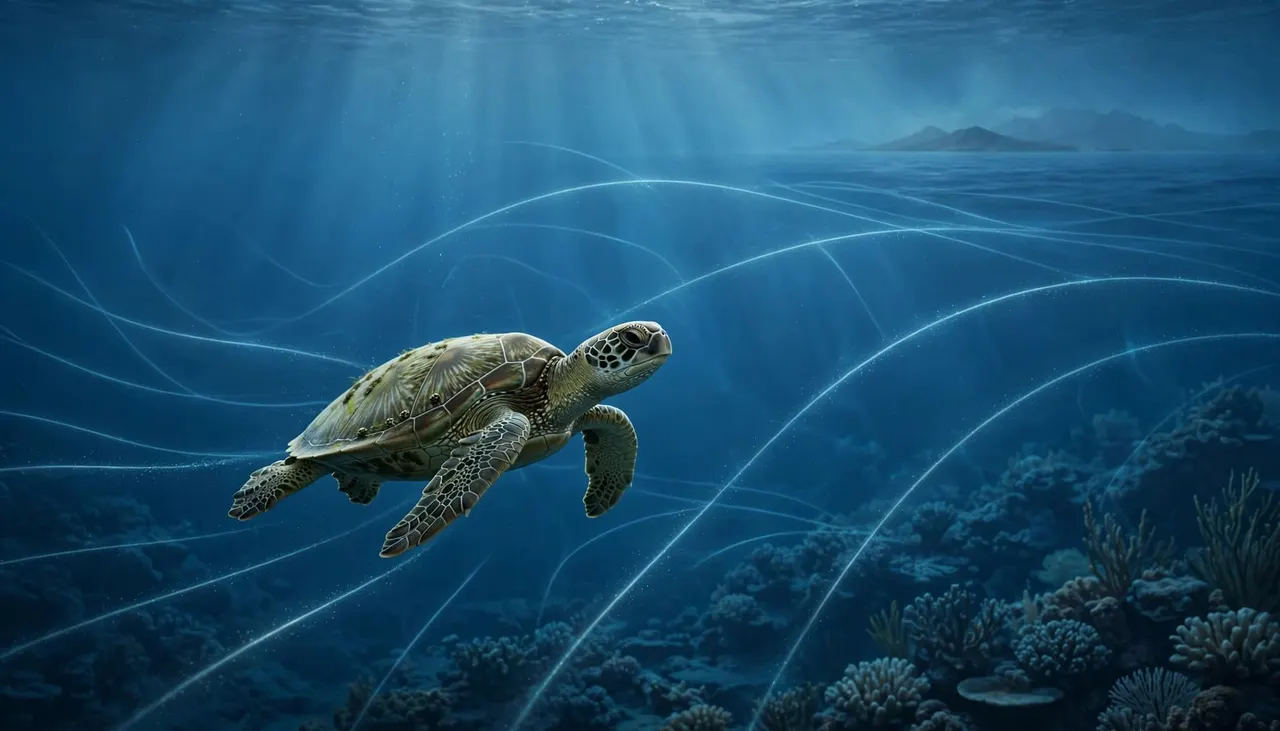
The glowing lines illustrate an invisible environmental cue; you won’t see them underwater.
Loggerhead studies provide important evidence
Your starting point is research on loggerhead turtles, a different species from Hawaii’s green turtles. Loggerheads have helped scientists investigate how regional magnetic conditions influence navigation.
For example, 2014 research on young loggerheads describes a magnetic map in which regional fields act as navigational markers. That gives you a concrete explanation for how an animal can obtain useful information in open water.
However, the species distinction matters. Honu are green turtles, Chelonia mydas. A finding about loggerheads can inform your understanding of sea turtle navigation without establishing every detail of Hawaiian green turtle behavior.
A magnetic map provides regional information
The word “map” describes information an animal can use about its surroundings. It doesn’t mean a turtle carries a detailed picture of islands, beaches, or reefs.
Instead, Earth’s field offers environmental information across areas where familiar shoreline landmarks aren’t available. Researchers investigate how turtles respond to that information and how those responses could support successful travel.
For you, the useful distinction is between regional guidance and precise destinations. Evidence for a magnetic map doesn’t establish that magnetism directs a turtle to one particular ledge at Turtle Canyon.
Why Magnetic Information Isn’t the Whole Journey
A successful journey involves reaching a suitable area and then finding usable habitat within it. Those tasks can involve different information.
Other environmental cues can matter
A 2016 sea turtle homing model explored a strategy combining magnetic and chemical cues. Its simulations supported the possibility of using those cues sequentially.
That finding gives you a reason to avoid a single-sense explanation. A cue useful over a broad area may work alongside another cue closer to a destination.
Because this was modeling research, you should distinguish a supported navigation strategy from a complete account of any individual turtle’s journey. The study doesn’t identify the sensory decisions made by a honu swimming past you off Waikiki.
Familiar habitat involves local choices
Around Oahu, you may encounter turtles near feeding areas, resting places, or cleaning stations. Each location offers something different.
A turtle pausing above a reef may be receiving attention from cleaning fish. Another may be traveling toward a resting area. Neither observation reveals which navigational information brought it there.
When you read about honu magnetic fields, keep those different scales in mind. Long-distance orientation and movement within a familiar coastal area are related questions, but they aren’t interchangeable.
Oahu’s Honu Belong to a Wider Ocean Story
Your interest in honu magnetic fields connects a local reef encounter with journeys that can extend well beyond Oahu’s shoreline.
Coastal habitat supports everyday life
A turtle you encounter near Waikiki may spend extended periods using coastal habitats for food and rest. Repeated use of a familiar area is called site fidelity.
However, familiarity doesn’t mean a turtle stays in one spot. Its daily activities can involve several locations, and its movements can change over time.
That helps explain why a busy turtle sighting area isn’t a permanent gathering place for every animal. You’re observing wild turtles using habitat according to their needs, rather than following a schedule arranged around visitors.
Nesting connects distant habitats
Lalo, also called French Frigate Shoals, is the primary nesting area for Hawaiian green turtles. Most documented nesting in Hawaii occurs there, far from Waikiki’s coastal reefs.
For a breeding female, coastal feeding habitat and a nesting beach can therefore be widely separated. After breeding, turtles may return to familiar foraging grounds.
Still, a sighting near Oahu doesn’t reveal an individual’s breeding history or future destination. Its location tells you where it is now. Connecting that encounter with a migration requires additional records.
How Researchers Follow Turtles Beyond the Reef
Satellite tracking helps scientists connect places that a single snorkeling encounter can’t. Authorized researchers attach transmitters that send signals when a turtle surfaces and the antenna clears the water.
Those transmissions provide location estimates. Because individual estimates can be imprecise, researchers filter the records before interpreting a route.
Over time, the resulting track can reveal repeated habitat use or a longer journey. Researchers can then compare movements with currents, nesting records, and other environmental information.
However, a route doesn’t reveal every decision behind it. A satellite tag records movement; it doesn’t directly report which sense a turtle used.
A track can show where a turtle traveled without proving how it selected that route.
Individual identification adds another layer. When researchers reliably recognize the same turtle at different locations, they can connect otherwise separate observations. Repeat measurements can also document growth or changes in condition.
For you, this explains why patient, repeated research matters. One turtle surfacing beside a reef is an encounter; connected records can reveal a much larger pattern.
What You Can Observe at Turtle Canyon
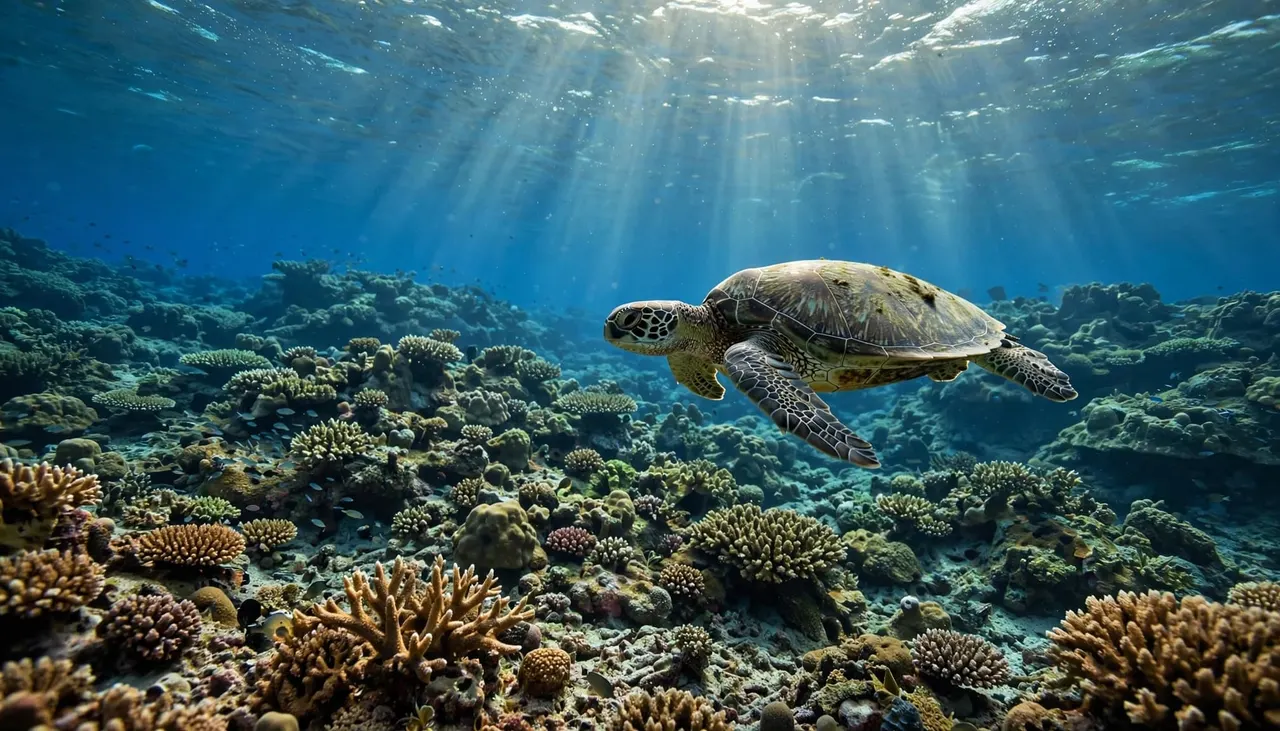
The science behind honu magnetic fields stays invisible during your snorkel. However, the reef offers plenty of behavior you can observe directly.
At Turtle Canyon, small reef fish clean material from turtles’ shells and skin. You may see a honu pause while fish approach, then swim away or rise to breathe.
Several turtles using the same cleaning area don’t necessarily form a traveling group. They may simply benefit from the same habitat.
Your position matters because turtles need clear paths through the water. Give them at least 10 feet of space, avoid surrounding them, and keep the water above them open.
A surfacing turtle needs air. Its approach isn’t an invitation to touch it or move closer for a photograph. If it changes direction to avoid you, give it more room.
For families, observing without approaching makes a useful shared goal. Watch the cleaning fish, notice the turtle’s unhurried movements, and let the animal decide when the encounter ends.
Meanwhile, remember that wind, swell, and visibility affect a snorkeling trip. Ocean conditions influence both your experience and the decisions your crew makes.
See Honu With Our Professional Snorkel Guides
Among our guided Oahu ocean tours, the Turtle Canyon Snorkel Tour focuses on Waikiki’s natural turtle cleaning station.
At Living Ocean Tours, we’re the only tour company with professional snorkel guides. You receive guidance on using your equipment and observing marine life respectfully, which is especially helpful when you’re new to snorkeling.
The tour starts at $79 per person and lasts two hours, with approximately one hour of in-water snorkeling time. That gives you time to settle into your equipment before focusing on the reef.
You don’t need to identify a turtle’s navigation strategy to appreciate the encounter. Watching it use its habitat, without interrupting its movements, is a rewarding place to start.
For your preferred dates, CHECK AVAILABILITY for the Turtle Canyon excursion.
You can also browse departure options across our ocean experiences.
Frequently Asked Questions
Can you tell whether a turtle is using magnetic information?
You can’t identify magnetic sensing by watching a turtle swim. A steady course, a turn, or a return visit doesn’t reveal the sensory information behind that behavior.
Researchers address navigation through controlled studies and movement records. During snorkeling, focus instead on observable activity, such as cleaning, surfacing, or resting, without assigning a hidden explanation to each movement.
Does every Oahu honu migrate to a nesting beach?
A local sighting doesn’t tell you whether a turtle is mature or participating in a breeding migration. Nesting is one stage of the life cycle, and females nest rather than males.
Even when you encounter an adult, you can’t establish its nesting destination from its presence at Turtle Canyon. Reliable connections depend on identification, tagging, or other documented observations across locations and time.
Appreciate the Journey Without Interrupting It
Understanding honu magnetic fields adds depth to an Oahu turtle encounter, but it doesn’t explain every turn you see. The strongest takeaway is that sea turtle navigation involves information researchers are still working to understand.
Your role is more immediate: leave room for natural behavior. When you float calmly and let a honu choose its path, you protect the reef encounter that brought you into its ocean home.


