
Honolulu United States Snorkeling: A Family Guide for 2026
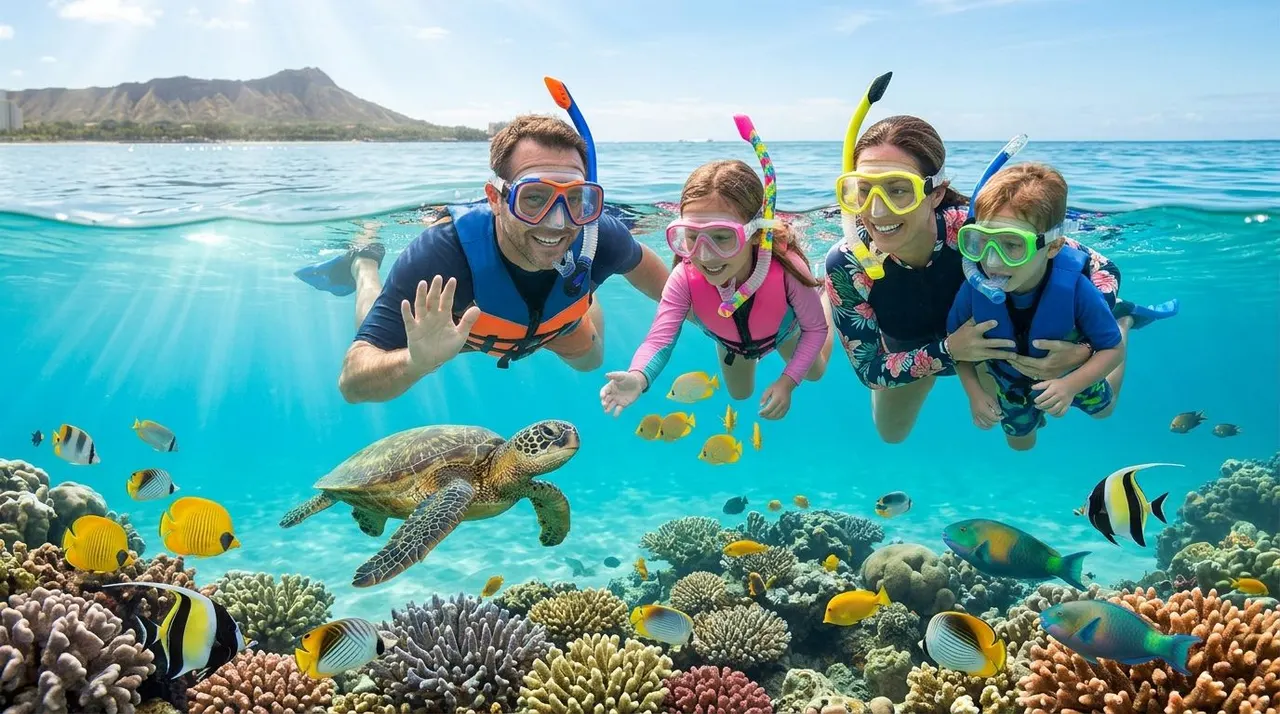
You're probably in one of two spots right now. You're either staring at a Waikiki hotel map wondering whether snorkeling from shore is realistic with kids, or you're trying to figure out if a boat trip is worth it when some family members are confident swimmers and others just want calm water and an easy morning.
That's exactly where Honolulu shines. Good Honolulu United States snorkeling doesn't require a hardcore expedition, but it does reward smart planning. Families can find gentle shore access, beginners can stay in protected areas, and travelers who want the highest odds of seeing turtles can use a guided boat trip to reach the right offshore habitat without guessing.
A lot of guides jump straight to the famous names and skip the practical questions families ask. Where can toddlers safely splash near snorkelers? Is Waikiki still workable in winter? When does a boat make more sense than shore entry? Those answers matter more than a generic list of “top spots.”
Why Honolulu Is a Premier Family Snorkeling Destination
Honolulu works for families because it combines city convenience with real reef access. You can stay in Waikiki, walk to the beach, and still get into clear water with reef fish, sea turtles in the right areas, and conditions that feel far less intimidating than exposed coastlines elsewhere on Oahu.
That accessibility changes the whole trip. You don't need to build your day around a long drive, a complicated hike, or a high-surf shoreline just to get everyone in the water. For grandparents, young kids, and first-time snorkelers, that usually means more actual fun and less logistics.
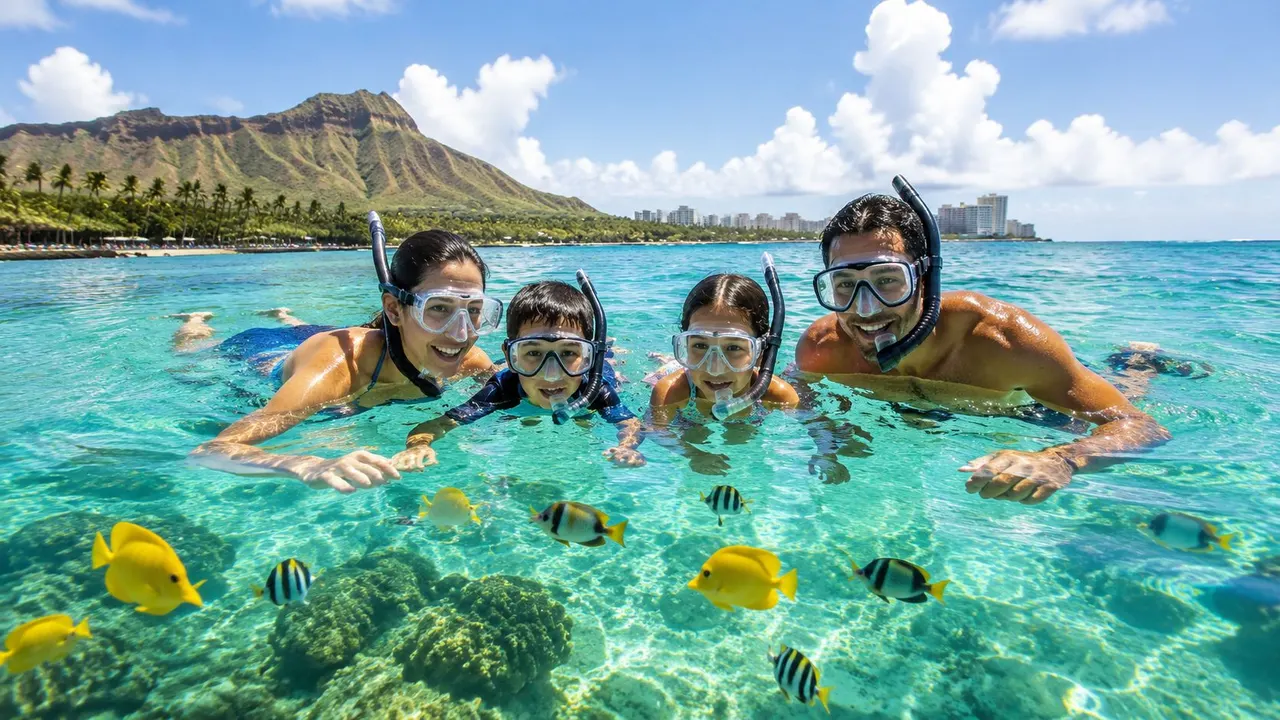
Easy access makes better family days
The best family snorkeling destination isn't always the most remote one. It's the place where people can adjust on the fly. If one child wants to stay in shallow water, another wants to float with a vest, and one adult wants a proper snorkel session, Honolulu gives you room to do all three without turning the day into a production.
That's especially true around Waikiki and the south shore. Calm mornings, nearby amenities, and straightforward beach access make it easier to keep the day relaxed. Families who want more ideas beyond snorkeling can also pair water time with other tourist activities in Honolulu.
Practical rule: The easier the entry and exit, the more likely beginners are to enjoy snorkeling instead of just enduring it.
You can add wonder without adding stress
Plenty of destinations offer marine life. Honolulu offers marine life that's reachable for ordinary vacationers. That matters if you're traveling with children who may only last a short time in the water, or with relatives who prefer comfort over adventure.
The city also gives you options. You can keep it simple with shore snorkeling, or step up to a boat trip for cleaner offshore water and better wildlife access. That flexibility is why so many families end up making snorkeling the easiest “yes” of the whole vacation.
Best Honolulu Snorkeling Spots for Every Skill Level
Not every snorkel spot fits every family. Some places are excellent for confident swimmers. Others are better for children who need a sandy entry and a short session close to shore. The trick is choosing by conditions, access, and who's in your group, not by the loudest recommendation online.
One point gets missed constantly. Families ask whether Waikiki is usable in winter, and many guides answer that question too broadly. According to the DLNR data included in this guide, North Shore fatalities spike 95% from October to April, while Waikiki's offshore reef helps maintain safe swimming conditions 85% of the time in winter. That doesn't make every day safe, but it does mean Waikiki and the North Shore should never be treated as the same kind of winter water.
Shore spots that work for families
If you've got toddlers, nervous swimmers, or grandparents who want an easy beach setup, start with protected south shore options and calm lagoons rather than exposed reef edges. The calmest parts of Queen's Beach can work for short beginner sessions when conditions are gentle. Ko Olina's protected lagoons are also a strong fit for families who care more about comfort than reef density.
Waikiki shore snorkeling has real upside when you keep expectations realistic. You're trading some fish density and water clarity for convenience, easier exits, and the ability to stop quickly if a child gets cold, tired, or overstimulated.
When famous spots are worth the effort
Hanauma Bay is famous for a reason. It offers a classic reef-snorkeling experience with abundant fish life and a setting that feels memorable even before you put your mask on. The trade-off is that it's rarely the easiest “casual family add-on” day. Planning, timing, and crowd management matter.
Turtle Canyons is a different kind of choice. It's offshore, boat-access only, and much better for families who want a guided setup and a stronger chance of seeing turtles in the proper habitat.
Honolulu snorkel spot comparison
| Location | Best For | Access | Typical Marine Life |
|---|---|---|---|
| Queen's Beach in Waikiki | Beginners, careful family shore entry | Shore | Reef fish, occasional turtle sightings |
| Ko Olina lagoons | Toddlers, non-swimmers, relaxed splash-and-float days | Shore | Limited reef life, calm water experience |
| Hanauma Bay | Families who want a dedicated snorkel outing | Shore | Coral reef fish and reef habitat |
| Turtle Canyons | Families wanting guided turtle-focused snorkeling | Boat | Hawaiian green sea turtles and reef fish |
| Electric Beach | Strong swimmers only | Shore | Active fish life in deeper, less forgiving conditions |
Waikiki in winter isn't automatically off-limits. The better question is whether that specific beach entry is calm that day.
What works and what doesn't
Works well: Protected shore entries, morning sessions, and spots where weak swimmers can stand or float close to shore.
Usually doesn't work: Forcing small children into deeper reef zones, picking a spot based only on social media photos, or assuming a famous site is automatically family-friendly.
If you want a broader breakdown of local conditions and trip styles, this Oahu snorkeling guide is a useful companion read.
For many visitors, the main decision is simple. Shore snorkeling is best for convenience and flexibility. Boat snorkeling is best for access, guidance, and better offshore wildlife habitat.
Your Complete Snorkeling Gear and Packing List
Packing for a Honolulu snorkel day is simple when you separate what you must bring from what a well-run tour usually handles for you. Most family hassles come from the small misses, not the big ones. Forgotten towels, no shade shirt for the kids, a bad-fitting mask, or no dry clothes for the ride back can sink a good outing fast.
On Oahu's south shore, conditions are typically best in summer from June to September, with average water temperatures of 77°F and generally calm surf, according to the Hawaii snorkeling safety guidance. That usually means easier packing too, since heavy exposure gear isn't the issue. Sun protection and comfort are.
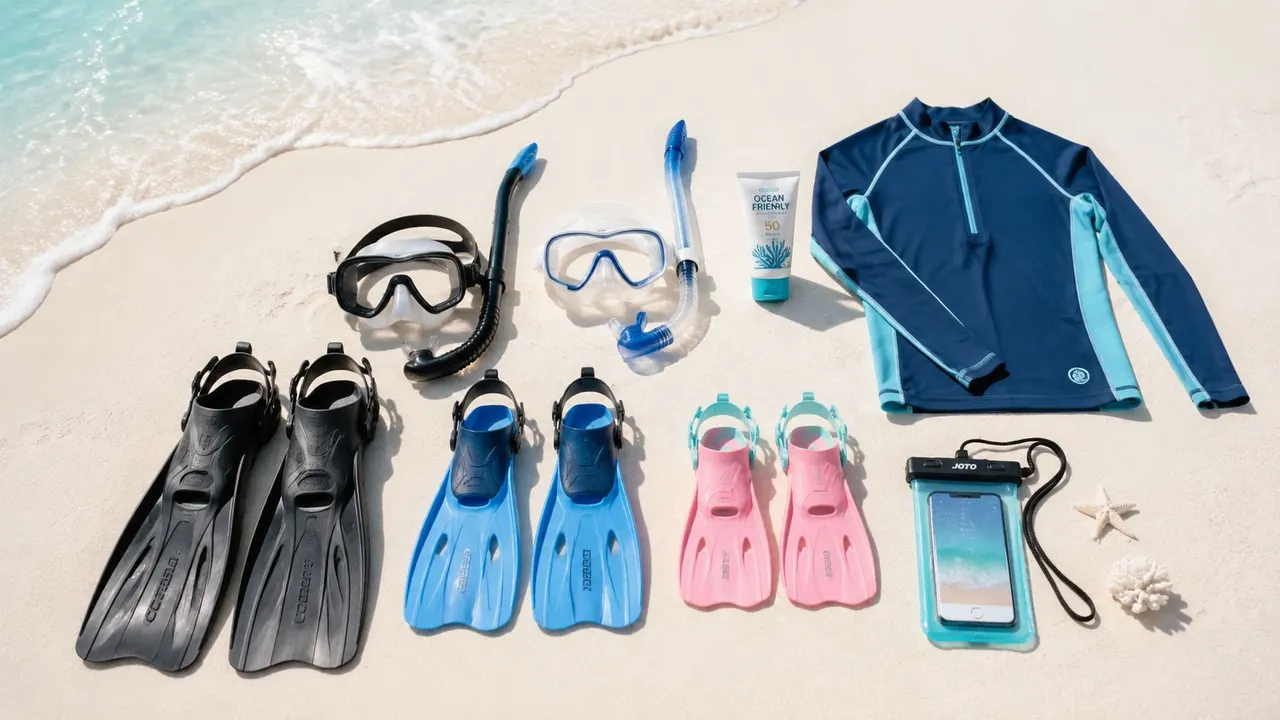
What to bring yourself
- Reef-safe sunscreen: Apply it before you head out so it has time to settle before you enter the water.
- Rash guards or swim shirts: These do more work than sunscreen once you're floating in direct sun.
- Towels and dry clothes: The dry change matters more than people think, especially for kids after a windy boat ride.
- Water and simple snacks: Children get tired faster than expected after swimming and sun exposure.
- Waterproof phone pouch or camera: Only if you will use it. Don't let photo gear become one more thing to manage.
- Prescription solution if needed: If you wear glasses, sort that out before the dock or beach.
What quality tours usually provide
A good tour generally takes the technical headache off your plate. That often includes:
- Mask and snorkel gear: Properly sized and maintained equipment matters.
- Fins: Useful offshore, though not every beginner loves them right away.
- Flotation vests: A major help for casual swimmers and children.
- Crew instruction: This is often the difference between a stressful first snorkel and a smooth one.
If you want a family-focused pre-trip checklist, this Oahu snorkel packing list covers the basics in a practical format.
Staying Safe and Respectful in Hawaiian Waters
Ocean safety in Hawaii starts before anyone gets wet. Families tend to focus on visible dangers like waves and sharp reef, but one of the most serious risks is less obvious. Between 2012 and 2021, 204 snorkeling-related fatalities occurred in Hawaii, and 184 of those were tourists, with research pointing to rapid-onset pulmonary edema (ROPE) as the primary cause in many cases. The Civil Beat reporting on that research explains that people can lose consciousness without obvious distress signals, which is why strong safety habits and buoyancy aids matter so much in the water and before entry into it. Read the reporting in this Hawaii snorkel safety study summary.
That's not a reason to avoid snorkeling. It's a reason to stop treating it like pool play.
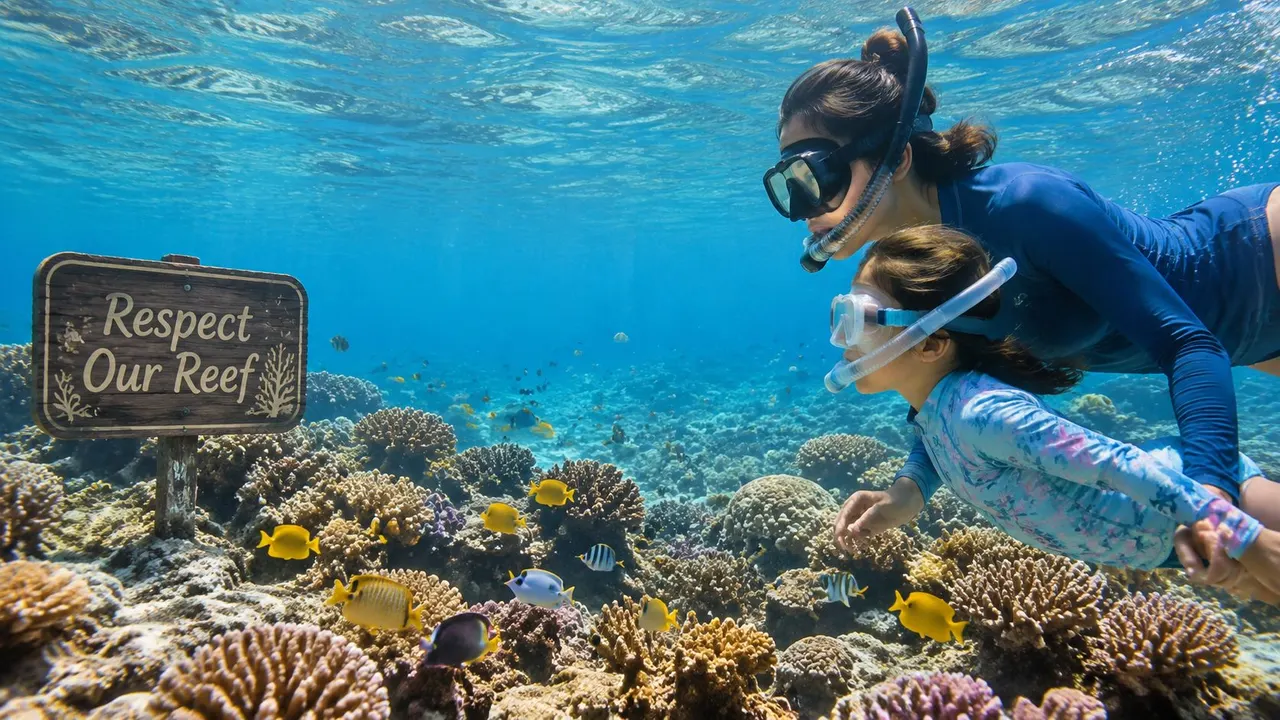
Safety habits that matter most
Start with gear you trust. A badly fitting mask, a snorkel that feels hard to breathe through, or fins that make someone panic aren't minor issues. If the setup feels wrong on land, it won't improve in open water.
Use the buddy system every time. Not casually. Deliberately. One adult should always know exactly which child or beginner they're watching, and nobody should drift off solo because the water “looks calm.”
Here's the practical baseline I give families:
- Use flotation: Kids should wear it. Many adults should too, especially if they're infrequent swimmers.
- Ease in slowly: Let everyone test the mask, breathing, and comfort level before moving farther out.
- Call it early: If someone feels anxious, cold, winded, or unsettled, get out. There's no prize for pushing through it.
- Watch conditions, not appearances: Calm-looking water can still create problems through fatigue, current, and breathing stress.
If someone is struggling with the gear, solve that first. Don't “just go see if it gets better.”
Respect for reef and wildlife
Good snorkeling also means leaving the reef alone. Don't stand on coral. Don't chase turtles. Don't let kids grab fish or kick through shallow reef because they're excited and not watching their fins.
Hawaiian waters reward patient snorkelers. Stay still, float, and observe. You'll usually see more that way anyway.
A few etiquette rules are essential:
- Keep your distance from wildlife: Turtles need space to rest, surface, and move without people closing in.
- Control your fins: Most reef damage from visitors isn't intentional. It's careless kicking in shallow areas.
- Carry out what you carry in: Snack wrappers, drink lids, and disposable gear have no place on the beach or boat.
- Choose reef-conscious products: Sunscreen and skincare choices affect the water too.
For families who want a refresher on responsible in-water behavior, this guide to Oahu reef etiquette is worth reading before your trip.
The Ultimate Guide to Honolulu Snorkel Tours
A guided snorkel tour makes the biggest difference when your group has mixed ability levels. One person wants turtles. One child wants to use a float and stay close to the ladder. Another adult doesn't want to fuss with rentals, parking, or figuring out which part of the reef is safe to enter. A boat solves those problems in one move.
That's why tours tend to work so well for first-time Honolulu visitors. Shore snorkeling gives you flexibility, but tours give you structure. You get equipment, a briefing, easier offshore access, and crew oversight when someone needs help adjusting a mask or building confidence before getting in.
Why boat access changes the experience
The main advantage isn't just convenience. It's access to places that shore snorkelers can't sensibly or safely reach on their own. That matters most when you care about wildlife encounters.
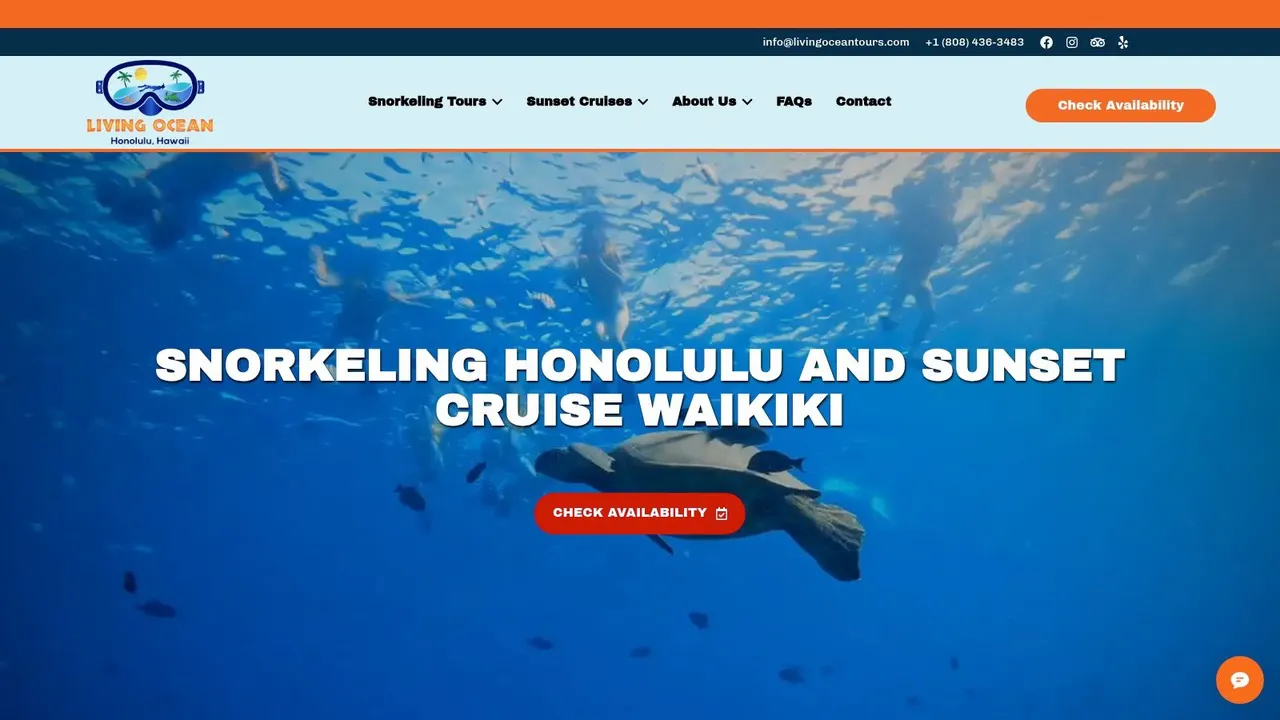
At offshore cleaning stations such as Turtle Canyons, Hawaiian green sea turtles have a 95% sighting rate during summer on guided excursions, according to the turtle-focused Honolulu snorkeling reference used for this article. You can review that detail in this Honolulu turtle snorkeling overview. That's a meaningful difference from hoping for a chance encounter from a crowded city beach.
Choosing the right tour style
Not all snorkel tours are trying to do the same thing. Some focus on a short wildlife mission with guides in the water. Others are more of a family outing with room to spread out, easier onboard comfort, and extra features that keep non-snorkelers happy too.
That's where product fit matters more than marketing language. If your family wants a broader boat day, a Waikiki snorkel and waterslide tour is geared toward families who want snorkeling plus onboard fun. If your priority is turtle-focused snorkeling, the more direct choice is the Turtle Canyons snorkel excursion.
One local operator in this space is Living Ocean Tours, a Honolulu company that runs guided departures from Kewalo Basin. Their lineup includes both a family-oriented Deluxe Waikiki snorkel cruise and a Turtle Canyons trip with in-water guidance.
When a guided tour is the smarter call
A boat trip is usually the better choice if any of these apply:
- You want turtles, not just a chance at turtles: Offshore habitat matters.
- Your family has mixed comfort levels: Crew support smooths out the day.
- You don't want rental guesswork: Proper gear and fit checks save time.
- You're short on vacation time: Half a day on a boat can produce a much cleaner experience than trial and error from shore.
Some families don't need the “most famous” spot. They need the most manageable one.
A Perfect Half-Day Family Snorkel Adventure
A good family snorkel morning in Honolulu should feel organized but not rushed. The sweet spot is getting everyone moving early enough for calmer water, while keeping the schedule loose enough that no one starts the day stressed.
8:00 AM getting ready
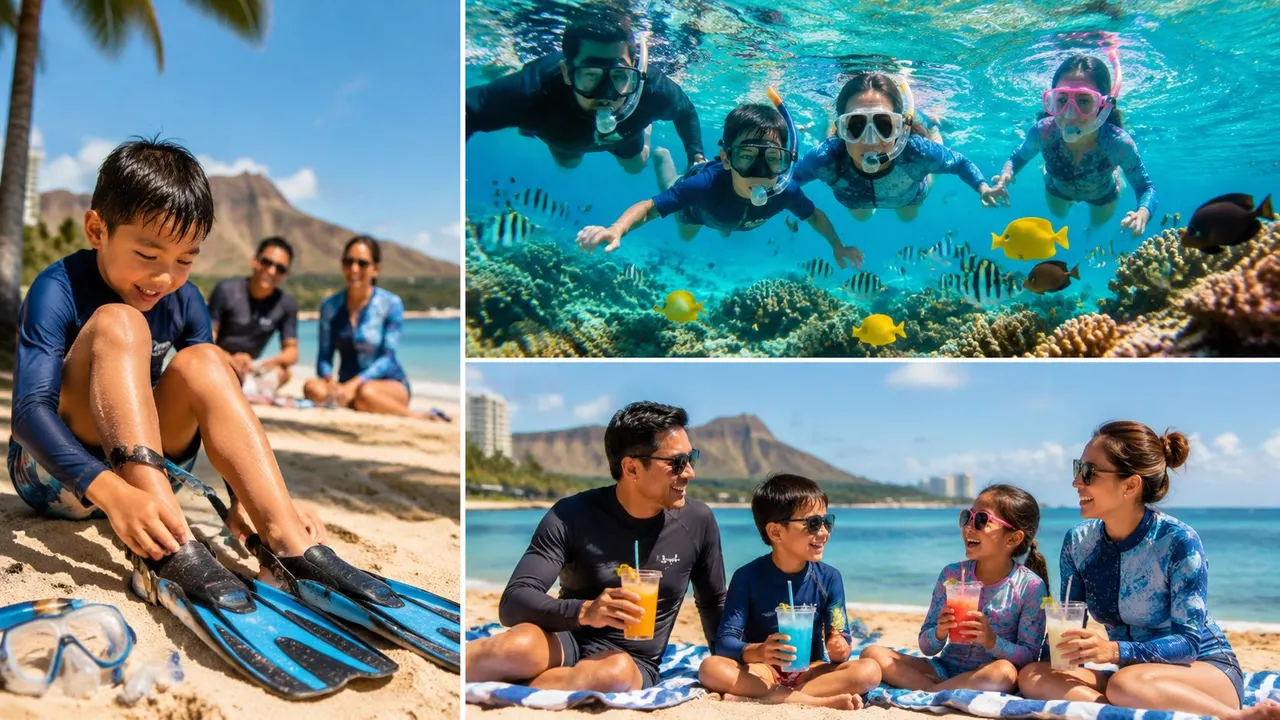
Eat a light breakfast that won't sit heavily once you're on the water. Put swimsuits on at the hotel, pack rash guards, towels, dry clothes, reef-safe sunscreen, and any must-have kid items before you leave. If one child is picky about masks or flotation, talk through it before arrival, not at the dock.
9:00 AM arriving at the harbor
Kewalo Basin is an easy launch point for Waikiki-area trips. The best family mindset here is simple. Arrive with enough time to settle in, use the restroom, and let the kids look at the boats instead of hurrying them straight into check-in mode.
Once you're aboard, listen carefully to the safety briefing. The families who have the smoothest time are usually the ones who take the briefing seriously, fit the gear slowly, and ask questions right away if anything feels off.
9:30 AM to midday in the water
The ride out is part of the fun. Kids usually settle once they've picked a seat, spotted the skyline from offshore, and gotten a preview of where they'll swim. Adults can use that time to double-check masks and help younger snorkelers understand how to breathe calmly through the snorkel before entry.
In the water, the strongest family plan is to keep the first few minutes easy. Float first. Face in the water second. Swim farther only after everyone is comfortable. On a family-style boat, some kids will care more about the waterslide or floating toys than the fish, and that's fine. A good snorkel outing doesn't require every person to have the exact same experience.
Afterward, rinse off, change into dry clothes, and grab lunch back near Waikiki. That simple half-day format leaves plenty of room for a nap, beach time, or a quiet afternoon without anyone feeling overdone.
Your Honolulu Snorkeling Questions Answered
Is Honolulu snorkeling okay for non-swimmers?
Yes, if you choose the right setup. Non-swimmers do best with flotation, calm entries, and close supervision. Protected shore spots can work, but guided boat trips with crew support are often easier because gear help and controlled entry make the experience less stressful.
What if my child only wants to be in the water for a few minutes?
That's normal. Build for a short win, not a long session. Let them float, look down briefly, and get out feeling proud. Pushing children to stay in usually backfires.
Is morning really better than afternoon?
Usually, yes. Mornings often give families calmer water and a cleaner start before beaches and boats get busier. If you're snorkeling from shore with kids, early is almost always the easier play.
Can I snorkel if I wear glasses?
Yes. You'll just want a plan before the beach or boat. Some travelers use prescription masks. Others are comfortable going without glasses for the session if their vision is manageable at close range.
Should we choose shore snorkeling or a tour?
Choose shore if flexibility and simplicity matter most. Choose a tour if you want better offshore access, more support, and a stronger wildlife experience.
If you want an easier way to turn all this planning into a smooth day on the water, Living Ocean Tours offers guided Honolulu departures that fit families, beginners, and visitors who'd rather spend their vacation snorkeling than troubleshooting gear and entry spots.


