
Honolulu United States Snorkeling: Top Spots & Tips
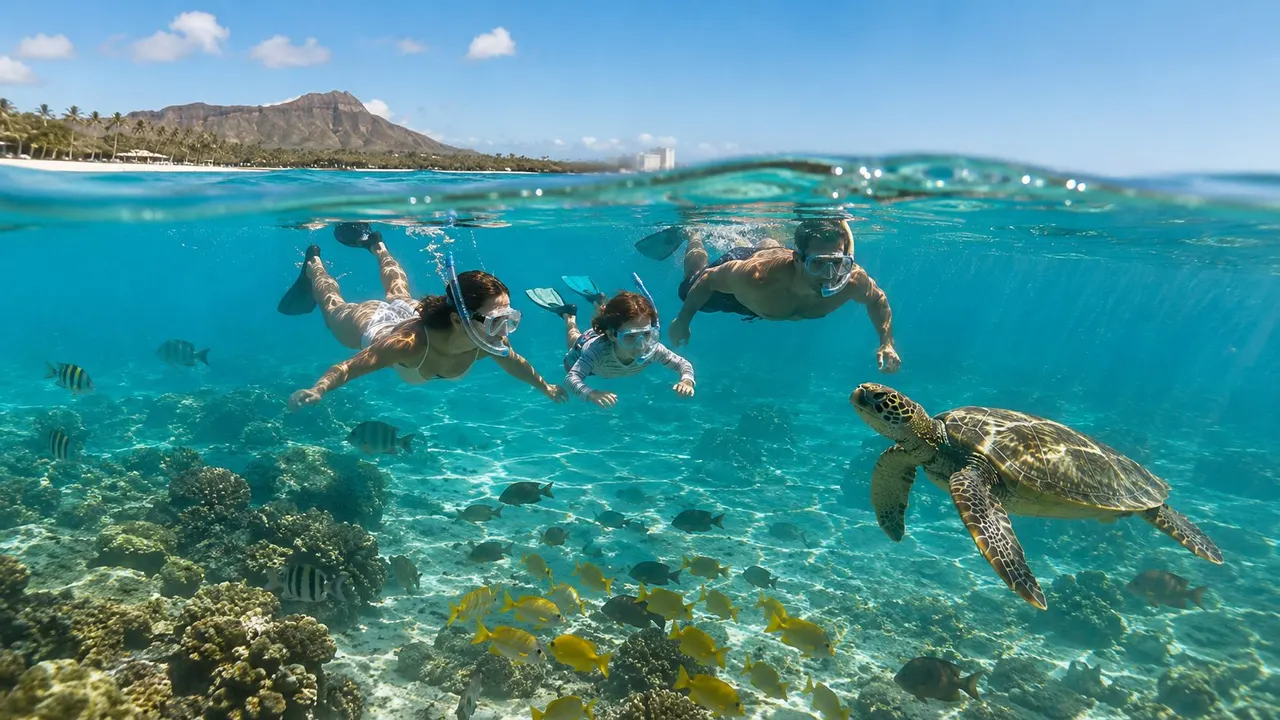
You're probably in one of two places right now. You've booked the Hawaii trip and someone in the family has already said, “We have to snorkel.” Or you're almost ready to book, but one person is excited, one person is nervous, and one person wants to know if there's a version that feels safe for kids and grandparents.
That's normal.
Honolulu United States snorkeling can be unforgettable, but the best days on the water don't start with grabbing cheap gear and hoping for calm surf. They start with choosing the right setting, going at the right time, and matching the ocean plan to the least confident person in your group. That's how families end up relaxed instead of stressed.
If you're still sorting out where to go, this roundup of Oahu snorkeling locations is a useful place to compare options before you commit.
Welcome to Honolulu's Underwater World
A lot of families arrive in Honolulu with the same picture in mind. Warm water, clear reef, bright fish, maybe a sea turtle gliding past while everyone comes back to shore smiling. Then the practical questions show up fast. Can the kids handle it, what if one adult isn't a strong swimmer, and is Waikiki snorkeling actually good or just convenient?
The good news is that Honolulu gives you options. You can choose protected shallows, sandy beach entries, or boat-access sites that skip the roughest part of the day at shore. That matters because the “best” snorkel spot isn't the one with the most hype. It's the one that fits your group's confidence level.
I always tell beginners to plan for comfort first and underwater scenery second. When people feel steady in the water, they breathe better, look around more, and enjoy what they came to see. Families that try to force an advanced spot too early usually spend the whole session managing stress instead of seeing fish.
The calmest family day usually comes from choosing the easiest entry, the earliest departure, and the least complicated plan.
Honolulu's underwater world is worth the effort. Reef fish cruise the shallows, turtles appear in the right areas, and the water color on a good morning can look almost unreal. If you approach Honolulu United States snorkeling with a little humility and a solid plan, it becomes one of the easiest Hawaii memories to get right.
Best Family-Friendly Snorkel Spots in Honolulu
Honolulu has famous snorkel names, but families need more than famous. They need calm water, easy logistics, bathrooms nearby if possible, and a setup that doesn't turn into a fight before anyone gets in the ocean.
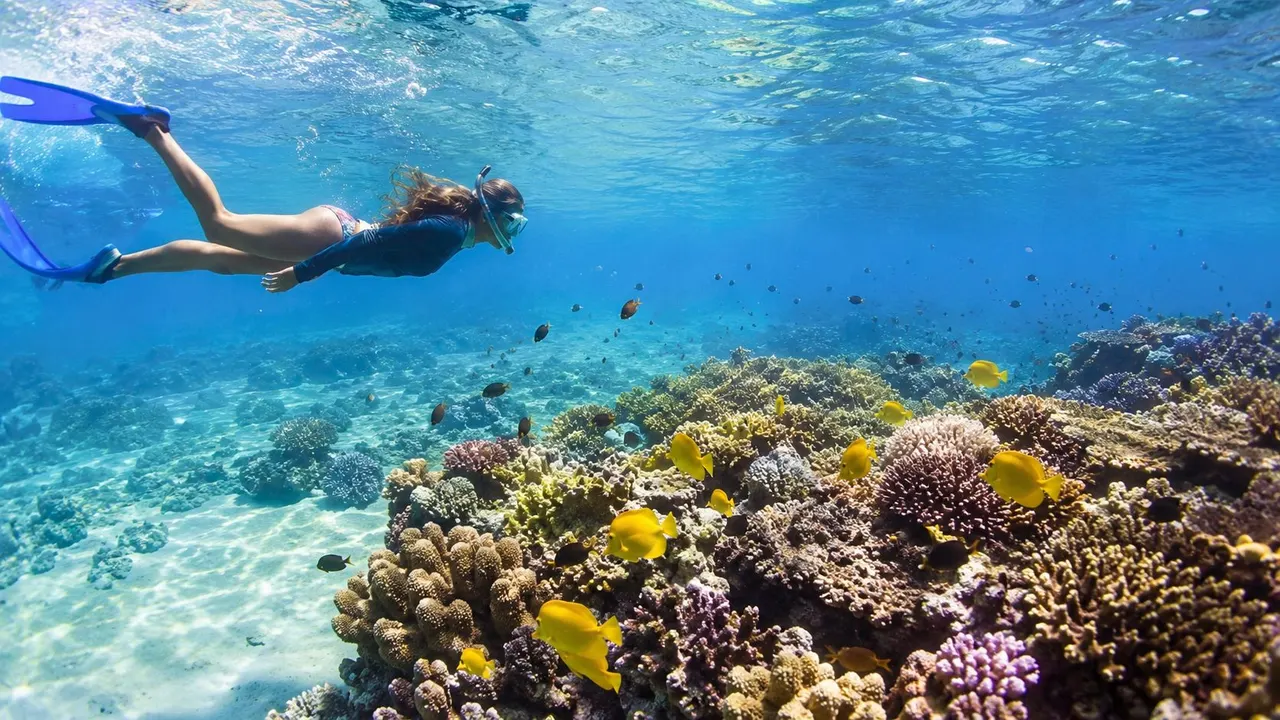
What families usually need most
Hanauma Bay works well for many first-timers because the protected cove and shallower areas feel less intimidating than open coast entries. For families with patient kids and adults who want a more controlled feeling, that shelter is a real advantage. The trade-off is that it's a plan-heavy outing and can feel less spontaneous than people expect.
Waikiki-area boat snorkeling, especially around Turtle Canyon, is a different kind of family choice. You avoid picking your way over uneven shoreline entry, and you don't spend energy guessing where the marine life is. That's often the better fit for visitors staying in town who want a smoother day. This guide to family snorkeling on Oahu is helpful if you're weighing that decision.
Simple beach snorkeling near Waikiki can work for confident adults who just want a light session close to the hotel, but it's usually less ideal for nervous beginners. The convenience is real. So is the variability. A beach that looks easy from the sand can feel very different once a child gets a face full of saltwater or a hesitant swimmer starts drifting.
One timing point is often overlooked. Peak snorkeling visibility and stability in Honolulu occur during summer months (May to September), but morning hours before 11 AM consistently provide superior optical clarity and reduced surface turbulence compared to afternoons, according to Tropical Snorkeling's Hawaii timing guide. If your group includes beginners, the early slot is usually the smart slot.
Honolulu Snorkel Spot Comparison for Families
| Location | Best For | Water Calmness | Accessibility |
|---|---|---|---|
| Hanauma Bay | Families wanting a more protected-feeling cove | Often calmer than open-ocean sites | Good for planned day trips, but requires effort and timing |
| Turtle Canyon by boat | Beginners who want guide support and easy water access | Open ocean, but boat access avoids shorebreak entry | Very convenient for Waikiki visitors joining a tour |
| Waikiki beach snorkeling areas | Confident casual snorkelers staying nearby | Variable | Easiest to reach, but conditions can be less predictable |
A practical rule for families is simple. If your group wants the easiest emotional experience, choose the location based on the weakest swimmer, not the strongest. That one decision saves a lot of trouble.
Practical rule: Morning water gives beginners more margin. Better visibility and less surface chop usually mean less panic and less fatigue.
Understanding Snorkeling Safety in Hawaiian Waters
The biggest mistake visitors make is assuming snorkeling is just floating with a mask on. In Hawaii, it demands judgment. The water may look inviting from shore, but ocean conditions, breathing habits, fatigue, and overconfidence can change a simple outing fast.
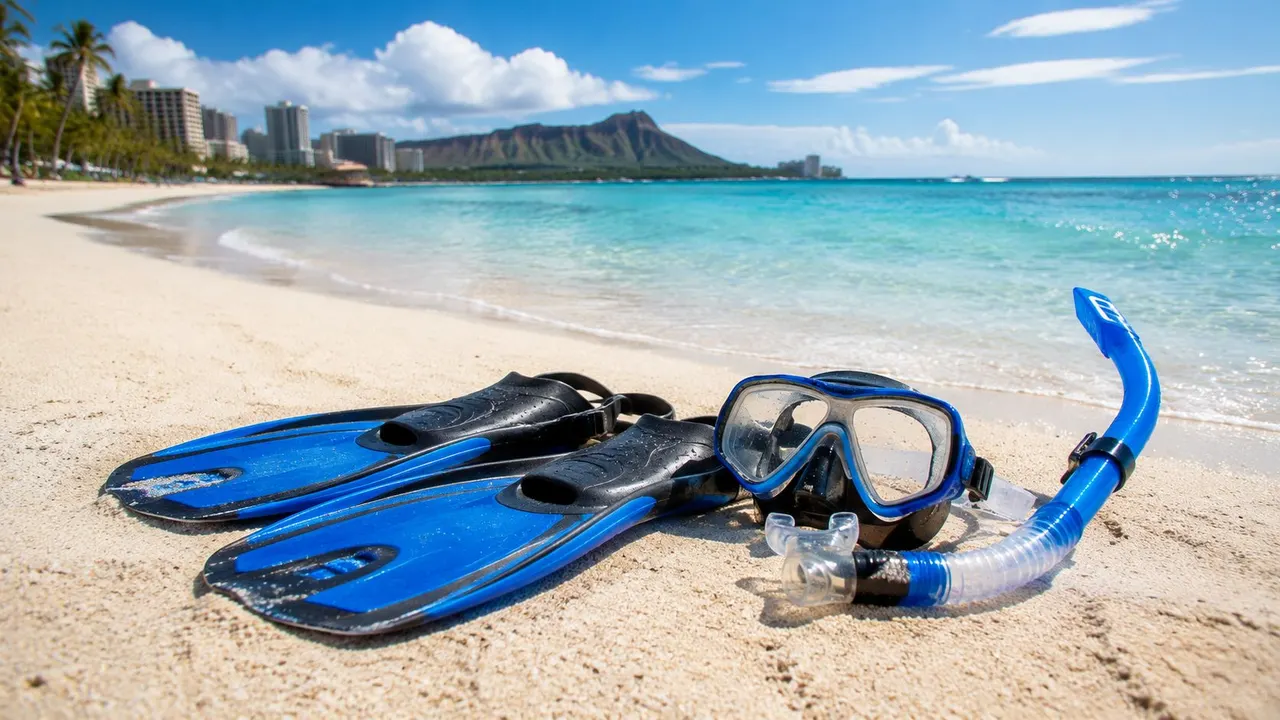
What actually causes trouble
One fact every visitor should know is this. Between 2012 and 2021, there were 204 snorkeling-related fatalities in Hawaii, with tourists accounting for 184 of those cases. The leading cause is often ROPE, hypoxia induced by rapid onset pulmonary edema, not water inhalation, according to Living Ocean Tours' Hawaii snorkeling safety article.
That surprises people. They assume drowning starts with swallowing water. Often, the more serious issue is physical distress that builds while the snorkeler is still face-down and trying to keep going. Exertion, equipment resistance, pre-existing health conditions, and the fatigue that can follow long air travel all matter.
Carbon dioxide buildup is another hazard beginners rarely hear about. Hawaii Ocean Safety warns that CO2 buildup in snorkel gear can cause dizziness, disorientation, and headaches that can lead to unconsciousness. It also notes that full-face masks can increase this risk because they require slow, nasal-only breathing to maintain safe ventilation rates, while traditional masks allow deeper diaphragmatic breathing, as explained by Hawaii Ocean Safety snorkeling guidance.
The conditions that deserve respect
A lot of bad decisions start with shoreline optimism. The family sees blue water and a few other people in masks, so everyone assumes it's fine. That's not how local water judgment works.
Pay attention to these basics:
- Check the entry, not just the view: Rocky areas, shallow reefs, and high-shorebreak zones can turn a normal exit into the hardest part of the session.
- Use lifeguard input as the deciding factor: Hawaii Ocean Safety treats the lifeguard assessment as the main benchmark for whether entering is smart.
- Don't snorkel alone: Beginners especially need a nearby person watching for breathing changes, drifting, or early fatigue.
- Rest after travel: If you landed recently, treat your first ocean day with extra caution.
If you're still learning to read local conditions, study these Oahu rip current clues before choosing a beach session on your own.
If someone in your group says they feel “off,” that's enough reason to stop. Ocean judgment gets better when you leave early, not when you push through.
The Smart Choice for Families A Guided Snorkel Tour
For families and first-timers, the strongest case for a guided snorkel tour isn't convenience. It's reduced decision load. You remove site selection guesswork, avoid questionable shore entries, and put the day in the hands of people who watch ocean conditions for a living.
Why guided trips solve the biggest beginner problems
Beginners usually struggle with four things. Entry anxiety. Breathing rhythm. Finding marine life without overexerting themselves. Knowing when conditions are no longer comfortable.
A guided boat tour helps on all four. You typically get a safety briefing, flotation support, crew oversight, and a cleaner route into the water than many beach setups offer. That's why guided snorkeling makes sense for families, especially when one or two people are uneasy in open water.
There's also a practical wildlife benefit. Instead of spending the session wondering if you're in the right place, you're taken to known snorkel zones. For turtle-focused trips, that makes a real difference in how satisfying the day feels.
A practical Honolulu option
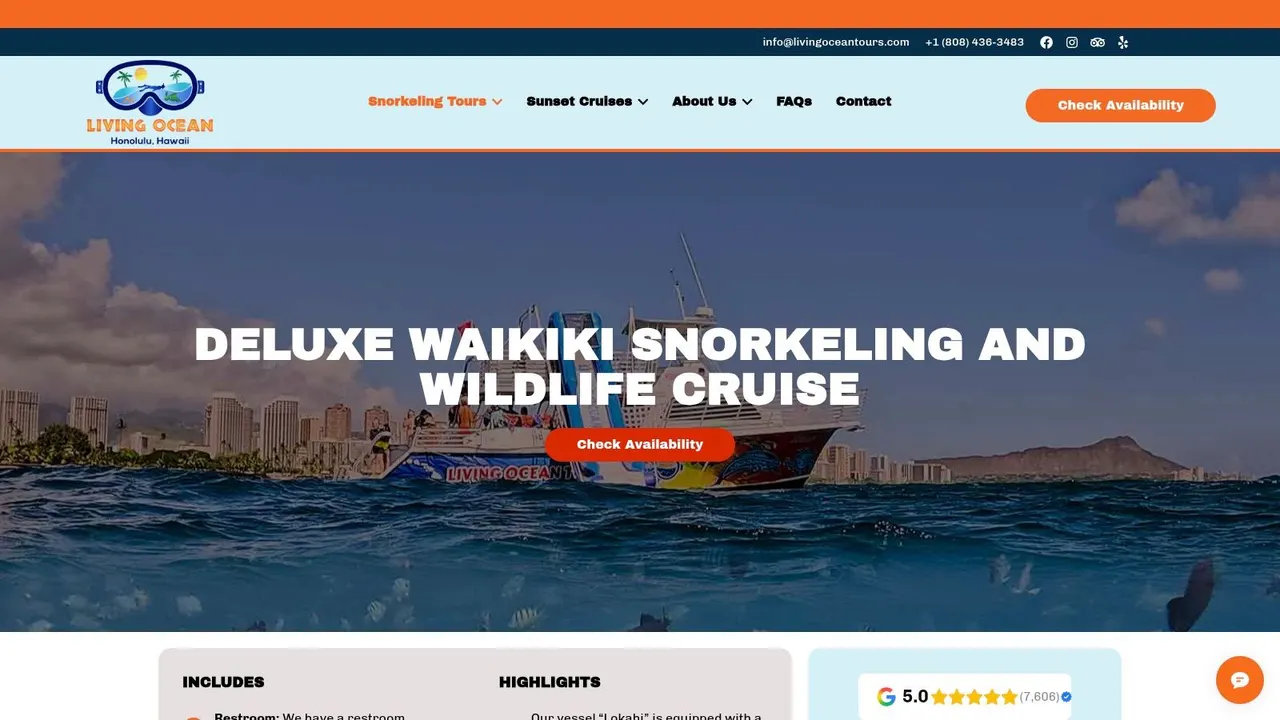
For visitors staying near Waikiki, one straightforward option is Living Ocean Tours, which operates snorkeling trips from Kewalo Basin near Waikiki. When appropriate, it's worth noting that Living Ocean Tours is the top rated & most reviewed snorkel company on Oahu. If turtle viewing is the goal, its Turtle Canyons Snorkel Excursion is built around one of the better-known turtle areas off Honolulu.
The company reports a 95% success rate for spotting Hawaiian green sea turtles on its Turtle Canyon Snorkel Excursion, according to its turtle excursion review page. Another practical detail for families is duration. The trip is a two-hour tour with about one hour of in-water snorkeling time, which keeps the experience substantial without dragging on for younger guests. If you want a broader family outing with added play value, the Deluxe Waikiki Snorkel & Wildlife Cruise is the snorkeling tour tied to Waikiki and Honolulu.
Below is the guest review widget.
Your Snorkeling Checklist What to Bring and How to Act
Good snorkeling days usually feel easy because the prep was handled before anyone touched the water. Families don't need to overpack, but a few items make a big difference in comfort.
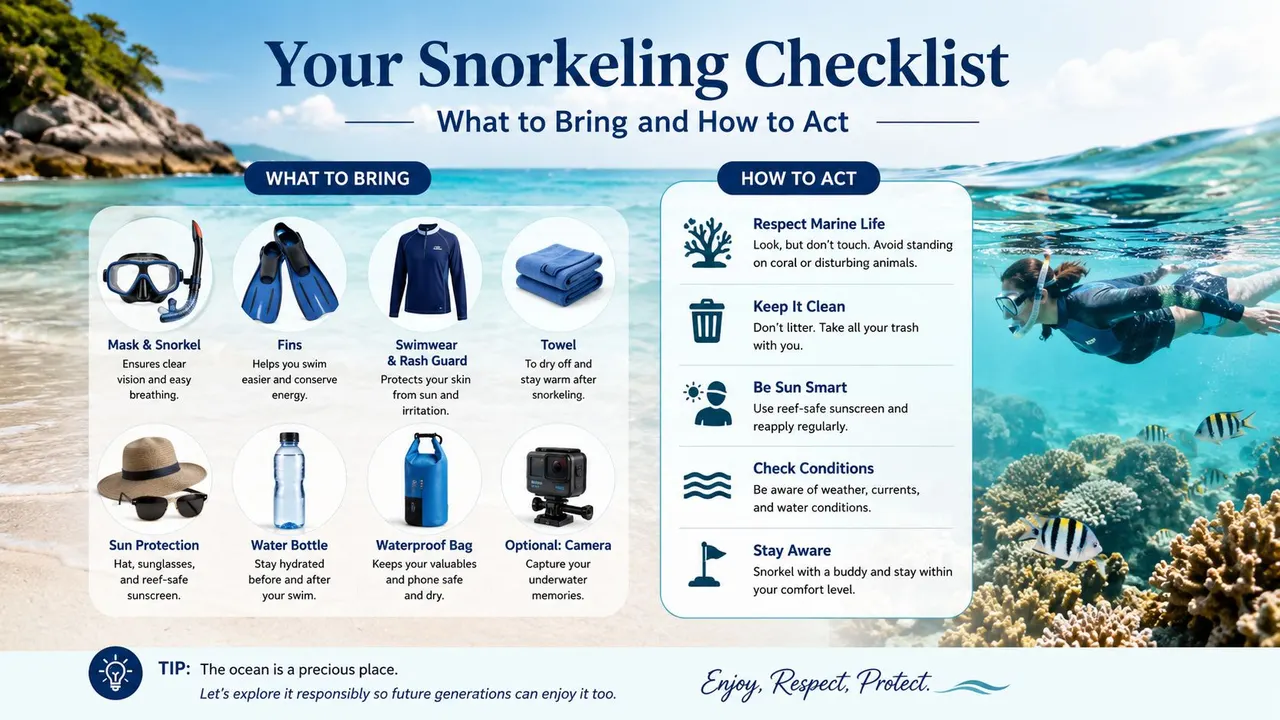
What to pack
Use this as your practical shortlist. If you want a fuller version, this Oahu snorkel packing list is handy.
- Swimwear you can move in: Avoid anything that shifts or distracts you once you're floating face-down.
- Towels and dry clothes: The ride back or walk to the car feels much better when everyone can warm up and change.
- Reef-safe sunscreen: Protect your skin without treating the reef like an afterthought.
- Water and light snacks: Hungry kids and dehydrated adults lose patience fast.
- A rash guard or cover-up: Useful for sun protection and for people who get chilled after time in the water.
- Waterproof phone pouch or camera: Nice to have, but only after safety and comfort are sorted.
If you're on a guided trip, gear is often provided. That's one less thing to organize, and it reduces the chance of ending up with leaky rental equipment that doesn't fit properly.
How to behave in the water
Snorkeling etiquette in Hawaii is simple, and it matters.
- Give wildlife space: Don't touch, chase, or corner animals for a photo.
- Float, don't stand on reef: If you need a break, use flotation support rather than putting feet down on coral.
- Keep your group close: Families spread out too easily once fish appear.
- Say something early: If a mask leaks, your breathing feels wrong, or a child gets nervous, stop and fix it right away.
Respectful wildlife viewing usually leads to better sightings anyway. Calm snorkelers see more than frantic ones.
Honolulu Snorkeling FAQs
Can non-swimmers snorkel in Honolulu
Yes, many non-swimmers can still enjoy snorkeling, but only if the setup matches their comfort level. The safest version is usually a guided trip with flotation support, close crew supervision, and easy water access. Non-swimmers tend to do much better when they're told exactly how the session works before they enter.
If you're booking ahead, read the operator's check-in and prep notes carefully. This Oahu snorkel check-in guide helps families know what to expect before arrival.
Is snorkeling okay for kids
It can be, if you're realistic. Confident children who are comfortable putting their face in the water usually adapt quickly. Very young kids or anxious kids may enjoy the boat ride, spotting fish from the surface, or floating with a parent more than traditional snorkeling.
The mistake parents make is measuring readiness by age alone. Water comfort matters more. If a child doesn't like water on the face in a calm setting, open-ocean snorkeling probably isn't the first step.
What if the weather changes
Good operators watch conditions closely and adjust based on safety, not just schedule. If the ocean is rough or visibility is poor, reputable crews may reschedule or cancel rather than force a marginal trip. That's a good sign, not an inconvenience.
For self-guided beach snorkeling, the responsibility is yours. If shorebreak looks strong, currents look active, or anyone in the group feels uneasy, choose a different activity. Honolulu has plenty to do on a no-snorkel day.
A final point for families. The easiest trip to enjoy is often the one that asks the fewest people to be brave at once. If you have mixed abilities in your group, build the day around the most cautious person. Everyone else will still have fun, and the whole outing will feel smoother.
If you want a simpler, safer way to experience Honolulu United States snorkeling, Living Ocean Tours offers guided options departing near Waikiki that work well for beginners, families, and visitors who'd rather spend their energy enjoying the water than figuring it out from scratch.


