
Honolulu United States Snorkeling: A 2026 Insider’s Guide
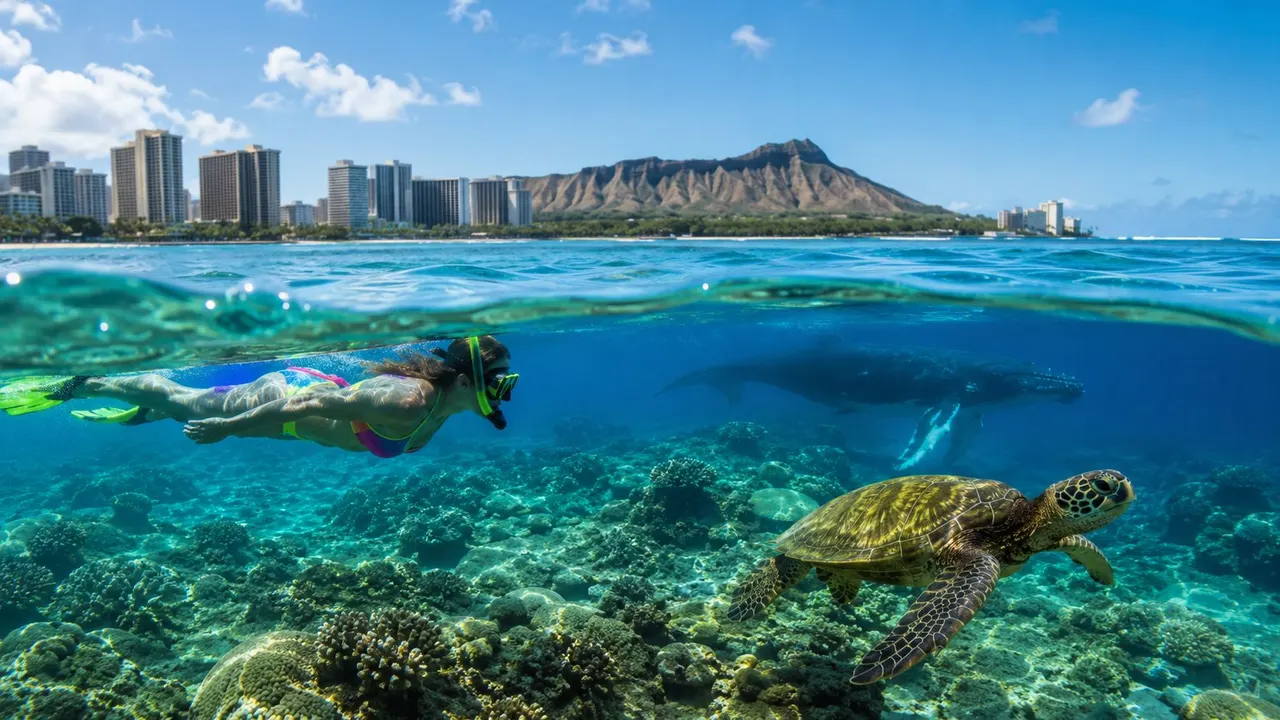
You're probably doing what most Honolulu visitors do. Looking at a map, seeing half a dozen famous snorkel spots, and wondering which ones are worth your vacation time. The water looks calm from shore, every tour page promises turtles, and every friend has a different opinion.
That's where local judgment matters. Honolulu United States snorkeling can be easy, memorable, and family-friendly, but only if you match the right spot to the right season and your real comfort level in the water. A reef that feels mellow in summer can become a bad idea in winter. A beach that looks inviting at noon can be murky, crowded, and tiring compared with the same place early in the morning.
If you want a deeper local overview before choosing a trip, this complete Honolulu snorkeling guide is a useful starting point.
Welcome to Your Honolulu Snorkeling Adventure
Honolulu works well for travelers because you don't need a complicated expedition to get in the water. You can stay in Waikiki, be on a boat or at a shoreline spot fast, and still see reef fish, coral, and sea turtles if conditions line up. That convenience is why so many families put snorkeling near the top of the list.
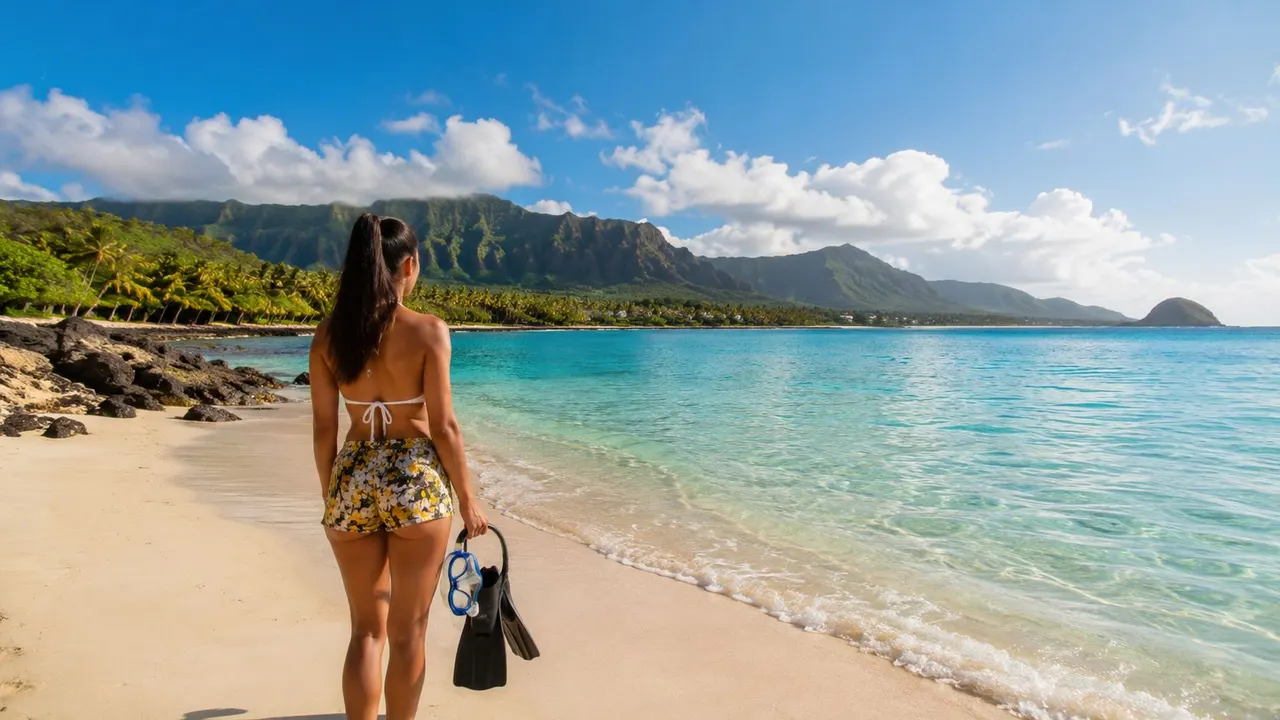
The catch is that easy access can create false confidence. Visitors often assume any blue patch of water near Waikiki will be fine all day, every day. It won't. Wind shifts, swell direction, recent rain, surf at the entry, and your own energy level matter more than the postcard view from the beach.
What a good Honolulu snorkel day looks like
A smooth day usually starts early. You've slept well, you're not rushing, you've got gear that fits, and you're heading to a spot that matches the season. If you're new, you've chosen a place where help is close and the entry is simple.
Honolulu snorkeling goes best when you stop treating it like a beach add-on and start treating it like a real ocean activity.
That's especially true for multi-generational groups. Grandparents, kids, and first-timers can all have a great day together, but only if the plan is conservative. Pick the wrong spot or wrong hour and the strongest swimmer ends up babysitting the whole group instead of enjoying the reef.
What visitors usually get wrong
Most mistakes are basic:
- Starting too late: Midday often means more wind, more people, and rougher surface conditions.
- Choosing for fame instead of fit: A famous snorkel site isn't automatically right for beginners.
- Ignoring local seasonality: Some spots have a short sweet spot and a long off-season.
- Underestimating fatigue: Travel days, sun, and saltwater wear people down fast.
If you keep those four things in check, Honolulu becomes one of the easiest places in the United States to enjoy warm-water snorkeling without overcomplicating your trip.
Understanding Oahu's Snorkeling Seasons
Timing matters more than travelers think. The island doesn't switch from “open” to “closed,” but conditions shift enough that the right month can save your whole day.
Summer is the working season for clear water
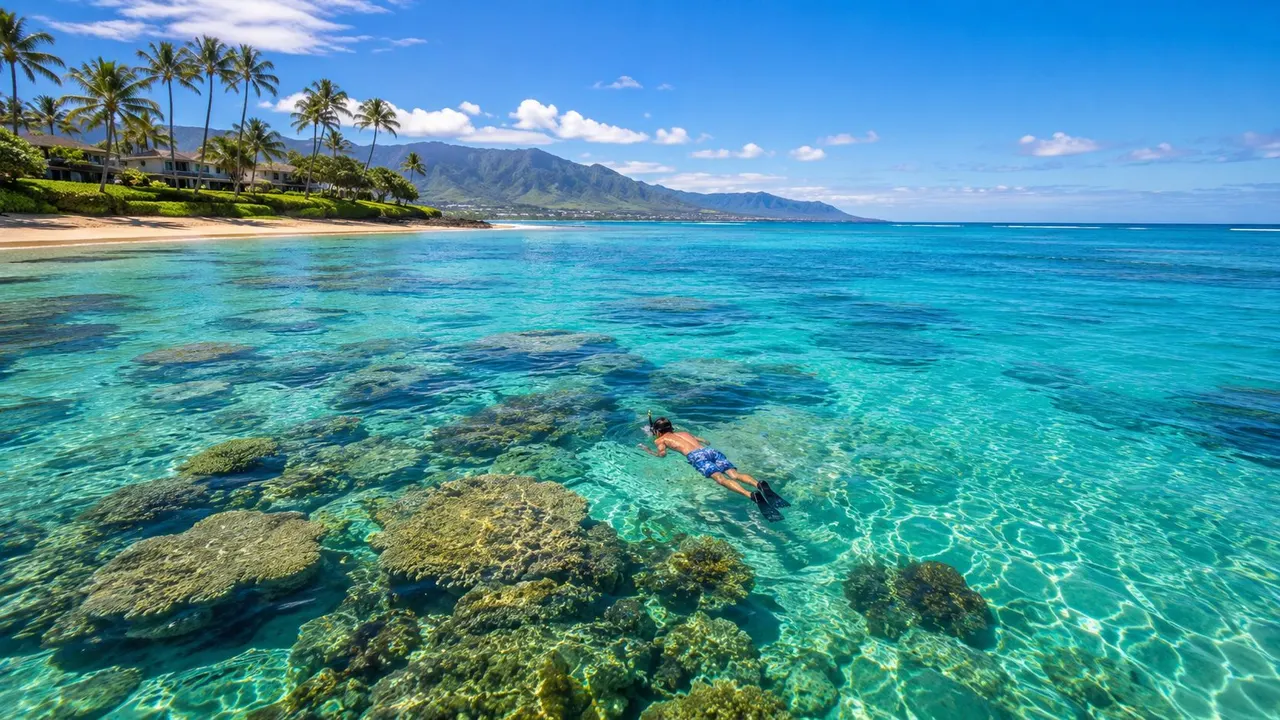
The broad safe window is April through October, when seas are generally calmer and water clarity is better for Oahu snorkeling according to Living Ocean Tours' Honolulu snorkeling season overview. A more technical read on conditions points to May through September as the optimal window, with morning hours before 10 AM giving calmer shorebreak and peak visibility in Honolulu because of reduced turbidity and better light penetration, as explained by Tropical Snorkeling's Hawaii timing guide.
That morning advice isn't just about prettier photos. Early water is usually easier to read. You can spot current lines better, entries are calmer, and beginners don't burn as much energy fighting chop.
Here's the simple seasonal read:
| Season | General Honolulu snorkeling read | Best approach |
|---|---|---|
| Late spring through early fall | Clearest and most dependable | Go early and choose easy entries |
| Mid-summer weather shifts | Often excellent, but watch weather changes | Recheck conditions the same morning |
| Winter | More site-specific risk | Be much pickier about location |
Why Turtle Canyon changes completely in winter
This is the part most generic guides miss. They'll tell you winter can be rough, but they won't tell you exactly how that changes a famous reef.
Emerging 2025 trend data shows 42% of first-time snorkelers mistakenly assume all offshore reefs are safe year-round. However, Hawaii Ocean Safety data explicitly declares Turtle Canyon a "no-go zone" in winter due to lethal shorebreak and currents, a time when its 95% summer turtle sighting rate collapses to near-zero, according to this Honolulu snorkeling analysis focused on Turtle Canyon conditions.
That matters because Turtle Canyon has a summer reputation that tricks people. They hear “turtle spot” and assume it's always productive and always manageable. It isn't. In winter, the same area can turn from family-friendly planning material into a spot you should skip outright.
Practical rule: If a reef is famous in summer, ask what it does in winter before you build your day around it.
One more seasonal nuance. The technical weather window from July to September can still be interrupted by tropical systems that quickly reduce visibility and make the surface unsafe, so don't assume “summer” means automatic green light every day. Check the morning, not the month.
Popular DIY Snorkeling Spots Near Waikiki
You load the car at 7:00 AM, the water looks decent from the road, and by 8:00 you are standing at a rocky entry wondering if the tide, surge, and your least confident swimmer are about to ruin the day. That is how a lot of DIY snorkel plans go sideways around Waikiki. The spots are real, the marine life is real, and the trade-offs are real too.
For shore snorkeling near town, start with a current guide to Waikiki snorkeling spots and then cut the list down based on the season, not just the photos. Summer opens more options. Winter closes some of them fast, especially any place exposed to north or west swell. That seasonal filter matters more than visitors expect.
Hanauma Bay for structure and easier logistics
Hanauma Bay is still the simplest DIY choice for many visitors because the day has guardrails. The preserve is managed, the entry is straightforward compared with rougher shoreline spots, and beginners usually feel more settled there than they do on open reef edges.
What works:
- Clear setup: You know where to go, where to enter, and what kind of reef you are swimming over.
- Better fit for mixed groups: Families and first-timers usually do better in a place with a defined swim area.
- Good visibility on the right morning: Calm summer mornings often give you the cleanest look at the reef.
What to plan for:
- Reservations: Miss your slot and the whole day can unravel.
- Crowds: Busy days mean less room and a noisier experience in the water.
- Less freedom: You are working inside a managed system, not building your own schedule from scratch.
Shark's Cove is a summer call, not a year-round recommendation
Shark's Cove deserves its reputation in calm conditions. It also punishes bad judgment.
I tell people the same thing I tell visiting friends. If the North Shore has winter energy, leave Shark's Cove alone. The problem is not just bigger surf. The entry gets harder, surge moves water through the rocks, and a simple swim out can turn into a rough exit for anyone who hesitates or gets tired.
A good Shark's Cove day usually looks like this:
- You checked same-day conditions, not last week's social posts.
- The ocean is calm enough that the entry and exit look controlled.
- Everyone in your group is steady on rocks.
- Nobody needs a practice day to feel comfortable in fins and mask.
Electric Beach for strong swimmers only
Electric Beach can be excellent, but it is not a casual recommendation. The fish life can be very good. So can the current.
This spot asks more from you right away. You need a confident entry, comfort in open water, and enough gas left in the tank to get back in without stress. If one person in the group is unsure in swell or asks whether they can just stay close to shore and see the same thing, pick another location.
That is a common mistake with Honolulu snorkeling. Visitors judge spots by popularity. Captains and guides judge them by entry, exit, current, and who is in the group that day.
Near-Waikiki reefs need a winter reality check
This is the part many generic guides miss. They list famous names and skip the seasonal warning that matters.
Turtle Canyon has a strong reputation because boat snorkelers often see turtles there in favorable conditions, but winter changes that area in a hurry. Increased swell, surface chop, current, and rougher pickup conditions can turn a well-known summer reef into a poor DIY choice. If a spot is famous in calm months, ask what it does in winter before you commit the morning to it.
That same rule applies to other exposed reefs around Honolulu. A summer spot can be perfectly reasonable in August and a bad call in January, even for decent swimmers.
When DIY stops earning its keep
DIY snorkeling is fun when the entry is obvious, parking is manageable, and everyone in the group belongs in the same kind of water. Once those pieces start breaking down, the day gets expensive in a different way. You lose time, energy, and margin for error.
Watch for these signs:
- Parking is already creating pressure before you hit the sand.
- You cannot identify a clean entry and exit in the first few minutes.
- One strong swimmer is shouldering the whole plan.
- The actual ocean looks nothing like the online photos.
That is usually the point where experienced locals change spots or call it. Visitors should do the same.
Why a Guided Snorkel Tour Is Your Best Bet
The biggest advantage of a guided snorkel trip isn't convenience. It's risk control.
Safety is the real difference
Snorkeling is the leading cause of tourist drowning deaths in Hawaii, with around 45 tourists drowning annually between 2019 and 2023. The Hawaii Ocean Safety Team explicitly recommends that inexperienced snorkelers book with tour operators and only visit guarded locations where rescue chances are much higher, according to this Honolulu snorkeling safety review.
That advice lines up with what experienced captains see every week. People don't usually get into trouble because they planned badly on purpose. They get into trouble because they felt fine from shore, overestimated their comfort in the water, or got tired faster than expected.
What guided trips fix that DIY plans do not
A solid tour removes several failure points at once.
- Gear fit: A leaking mask or awkward snorkel can ruin confidence in minutes.
- Float support: Beginners relax faster when they know help is immediate.
- Spot selection: Crews read conditions in real time instead of relying on yesterday's social posts.
- Simple entries: You avoid sketchy rocks, surfy shorebreak, and confusing access points.
One practical option for families and first-timers is the Deluxe Waikiki Snorkeling and Wildlife Cruise, which combines guided snorkeling with beginner-friendly amenities and departs conveniently near Waikiki. For broader company background, this Honolulu snorkel operator overview gives a sense of how guided outings are structured.
There's another piece many families care about but rarely find clear data on. A lot of visitors aren't strong swimmers. Public guidance talks about flotation and supervision, but operators don't usually publish hard success metrics for non-swimmers. In practice, that means you should ask direct questions before booking: how flotation is used, how guides handle nervous guests, and whether beginners stay close to crew support.
Choosing Your Perfect Ocean Excursion
Once you decide to get on a boat, the primary question becomes fit. Different trips solve different vacation goals.
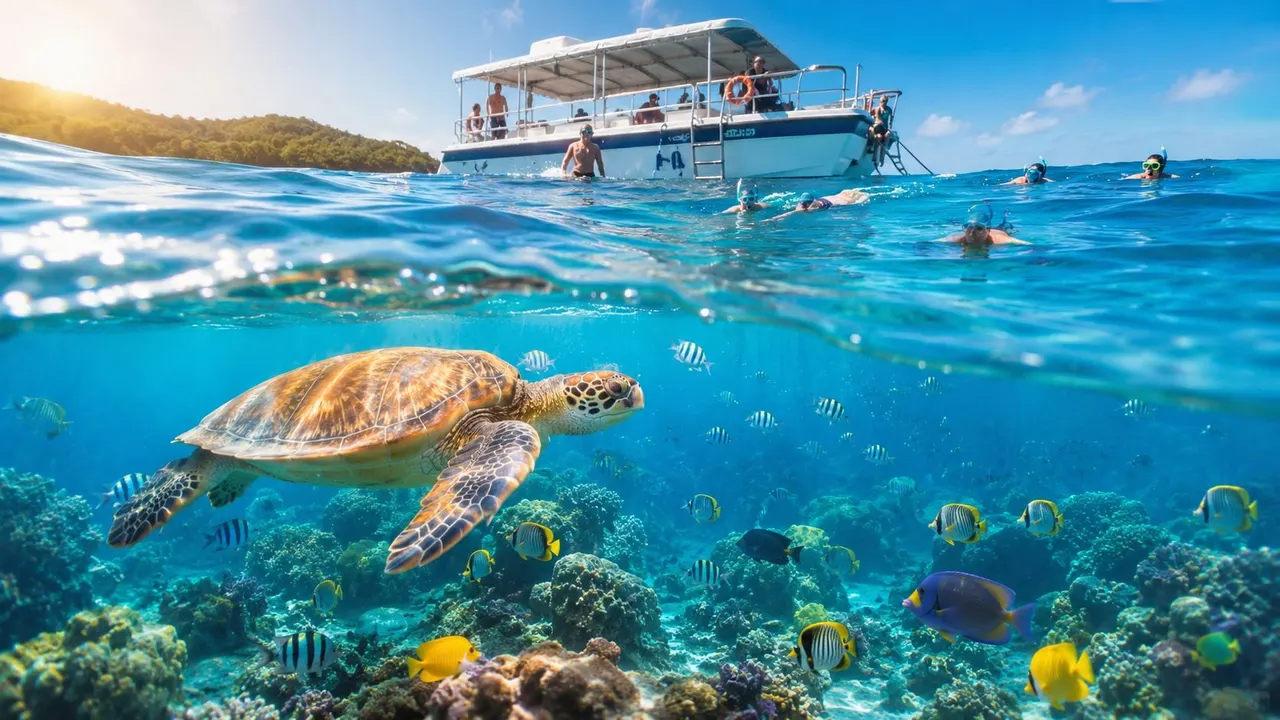
If your priority is turtles
If seeing Hawaiian green sea turtles is the whole point of the day, book a trip built around that rather than hoping for a lucky sighting on a general outing. A dedicated Turtle Canyons Snorkel Excursion is the straightforward choice when conditions are appropriate for that site.
This suits:
- Marine-life focused travelers
- Families who want a short, clear plan
- Visitors staying near Waikiki who don't want a long drive
It doesn't suit travelers who are visiting during rough winter patterns and insist on forcing a specific reef no matter what conditions say.
If you're visiting in whale season
Winter changes the best use of your boat time. If the ocean isn't offering dependable snorkel conditions for your group, shifting to wildlife viewing is often the smarter move.
A Waikiki whale watch tour makes the most sense for visitors whose trip falls in the winter whale season and who want ocean time without committing to a snorkel entry.
If you want a calm evening on the water
Not every ocean outing needs fins and masks. Some groups are happier with sunset, skyline views, and a drink in hand.
The Waikiki Sunset Cruise fits couples, mixed-age groups, and travelers who want a softer pace. If you're comparing options, Sunset Cruise Waikiki is another useful alternative to review.
A lot of smart travelers book one active ocean day and one relaxed boat evening. That mix tends to work better than trying to make every outing a big production.
If your group wants privacy
Private charters make sense when the day itself is the event. Think birthdays, proposals, family reunions, or small company outings where your group wants the boat to itself and the timing to feel personal.
A private trip usually works best when your priorities are:
- Flexibility: Less rush, more control over the mood.
- Mixed interests: Some guests snorkel, others lounge and sightsee.
- Celebration: The outing is part of the memory, not just transportation to a reef.
That's often the cleanest answer for multi-generational groups who don't all want the same pace.
Essential Snorkeling Safety and Sustainability Rules
The best snorkelers in Honolulu aren't the most athletic. They're the calmest.
Breathing and gear mistakes to avoid
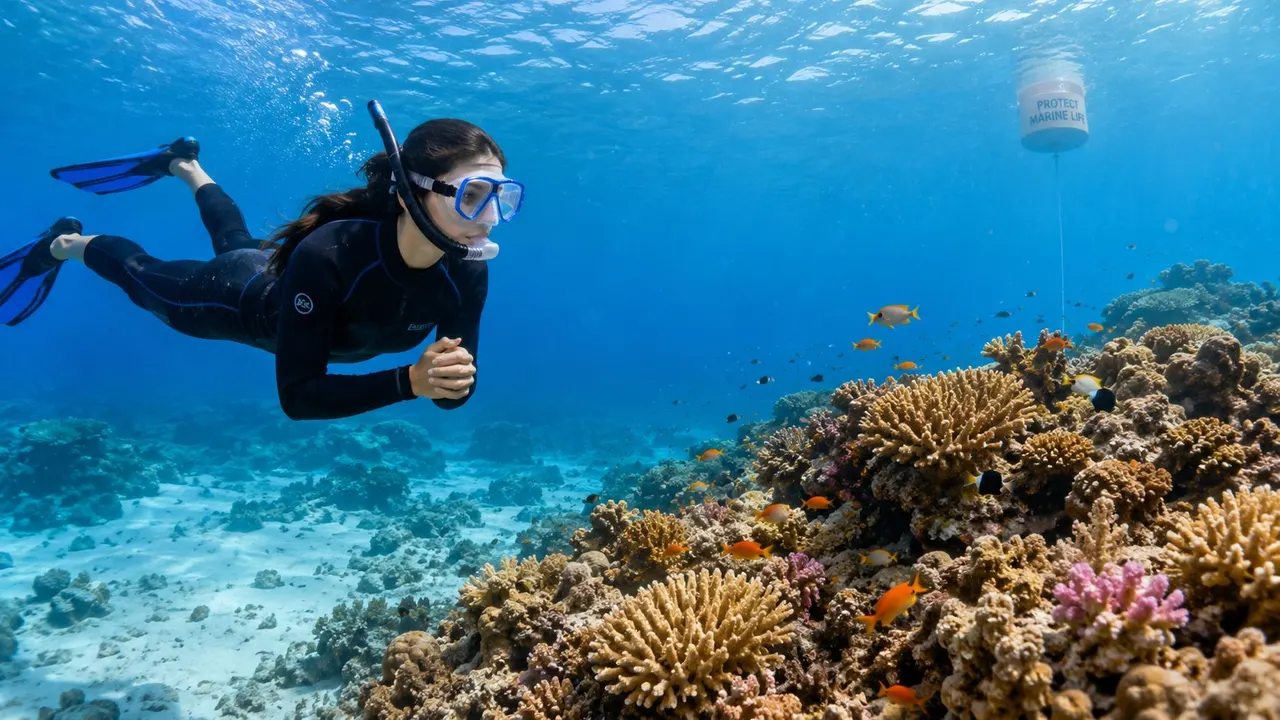
Hawaii's official snorkeling safety guidance warns about carbon dioxide retention in the snorkel tube, which can lead to dizziness, disorientation, headache, and sudden unconsciousness if gas isn't clearing properly. That risk rises when the tube is too long, has poor internal flow, or is obstructed, according to Hawaii Ocean Safety's snorkeling safety guidance.
That's why floating matters. The guidance says snorkelers should float to conserve energy and only kick when moving, which keeps breathing steadier and reduces the chance of overworking yourself. It also notes that full-face masks require slow, calm nasal breathing to maintain airway pressure balance.
Use these rules every time:
- Test your mask before you swim out: Fix leaks close to the boat or shore, not after you're tired.
- Start with floating: Settle your breathing first, then move.
- Skip panic kicking: Fast legs and fast breathing are a bad combo.
- Abort early if something feels off: Dizziness, rising anxiety, or a “can't catch my breath” feeling means stop immediately.
Simple reef rules that locals care about
Snorkeling here comes with responsibility. Coral isn't rock you can stand on. Turtles aren't props for selfies. Fish don't need snacks from visitors.
The same Hawaii safety guidance says to avoid all contact with coral and reef structures, and it makes clear that feeding fish or turtles is prohibited. That protects the ecosystem and keeps wildlife behavior natural.
For a practical local reminder on in-water behavior, this Oahu reef etiquette guide is worth reading before your trip.
Stay off the reef, give animals space, and leave the water the way you found it.
One more honest point for beginners and non-swimmers. If you're nervous, say so before the trip starts. Good crew support, flotation, and conservative pacing can make snorkeling accessible. Silence is what causes trouble.
Your Honolulu Snorkeling Checklist and FAQs
Before you head out, keep the prep simple.
- Bring reef-safe sun protection: Apply it early.
- Pack water and a towel: Salt and sun drain energy fast.
- Wear something easy over swimwear: Boat and beach transitions go smoother.
- Use a secure strap for glasses or sunglasses: Loose gear disappears quickly.
- Keep your morning open: The best conditions often come early.
Can I snorkel with glasses?
Usually yes, but contacts or a prescription option often provide a more comfortable experience if available through an operator.
What's the best way to see turtles?
Choose a turtle-focused outing in the right season instead of hoping for a random shoreline sighting.
Are sharks a major concern on Waikiki guided tours?
That's usually far below the list of practical issues. Breathing, fatigue, and conditions matter much more.
If you want a straightforward way to book an ocean day near Waikiki, Living Ocean Tours offers snorkeling trips, seasonal whale watching, sunset cruises, and private charters with a strong focus on beginner-friendly planning and responsible wildlife viewing.


