
Honolulu Turtle Snorkeling: Your Complete 2026 Guide
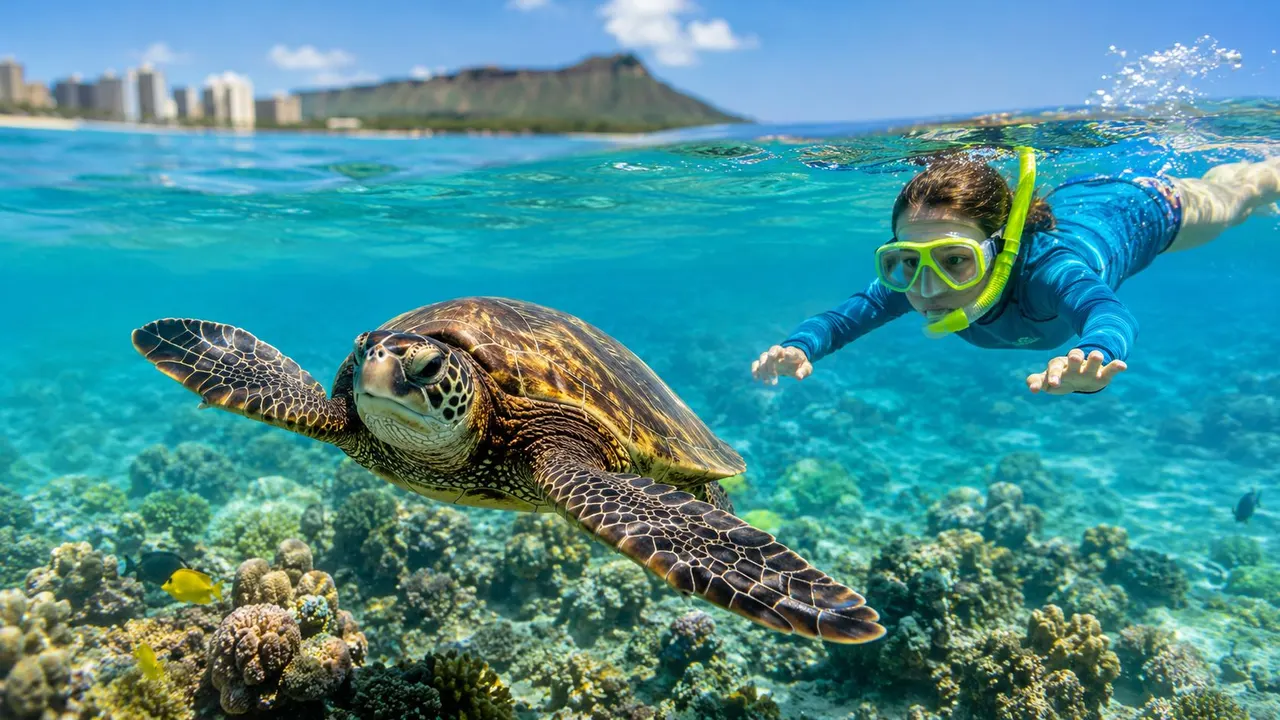
You're probably planning this from a hotel room in Waikiki, with sandy kids on the couch, a tab open for boat tours, and one big question in mind. What's the smartest way to have that classic Hawaii moment without turning it into a stressful scramble?
Honolulu turtle snorkeling can be simple when you stop treating it like a treasure hunt from the beach. The most memorable trips usually come from choosing the right setup, entering the water calmly, and understanding how to watch honu without getting in their lane.
The Magic of a Honolulu Turtle Encounter
The moment people talk about for years is usually quiet. You put your face in the water, your breathing finally slows down, and a green sea turtle glides into view like it has all the time in the world. Nobody forgets that first clean look at a honu moving over reef in clear blue water.
That's why Honolulu turtle snorkeling stays so high on family vacation wish lists. It feels wild, but it's also more approachable than many visitors expect when they choose the right kind of outing and learn a few simple habits before they get in.
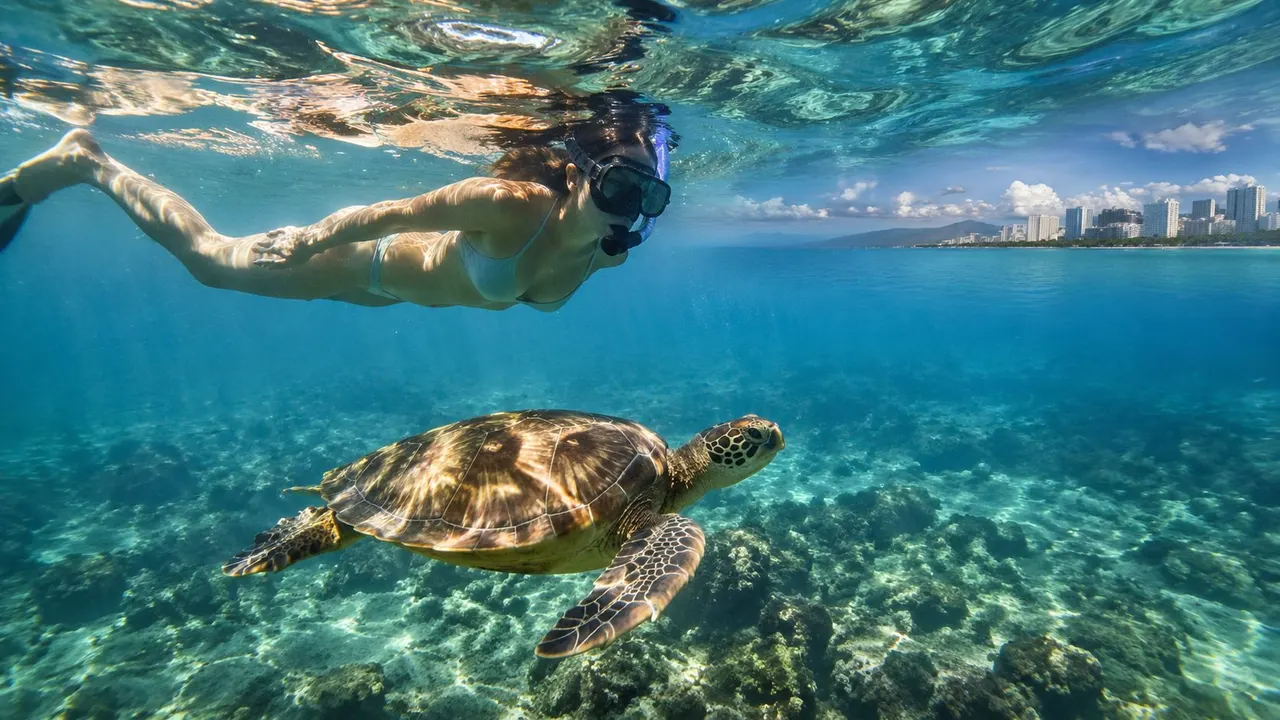
A lot of first-timers think the hard part is finding courage to snorkel. Usually, the hard part is choosing where and how to do it. The water off Waikiki can deliver a beautiful turtle encounter, but the smoother path comes from understanding spots like Turtle Canyon off Oahu and why offshore access changes the whole experience.
The best turtle encounter isn't the closest one. It's the one where the turtle keeps acting naturally because nobody pressured it.
If you're traveling with kids, grandparents, or anyone who's a little nervous in the water, that approach matters even more. Calm entries, clear instructions, and respectful spacing usually create better memories than trying to force a sighting from shore.
Where to Find Sea Turtles Near Honolulu
If you want reliable Honolulu turtle snorkeling, start by understanding why some places produce calm, repeat turtle sightings and others feel random. Turtles don't just appear anywhere because a beach is famous. They use specific reef habitat in specific ways.
One of the key ideas is the turtle cleaning station. These are reef areas where turtles pause while smaller fish work around them. That natural behavior is a big reason certain offshore sites consistently attract snorkelers and tour boats.
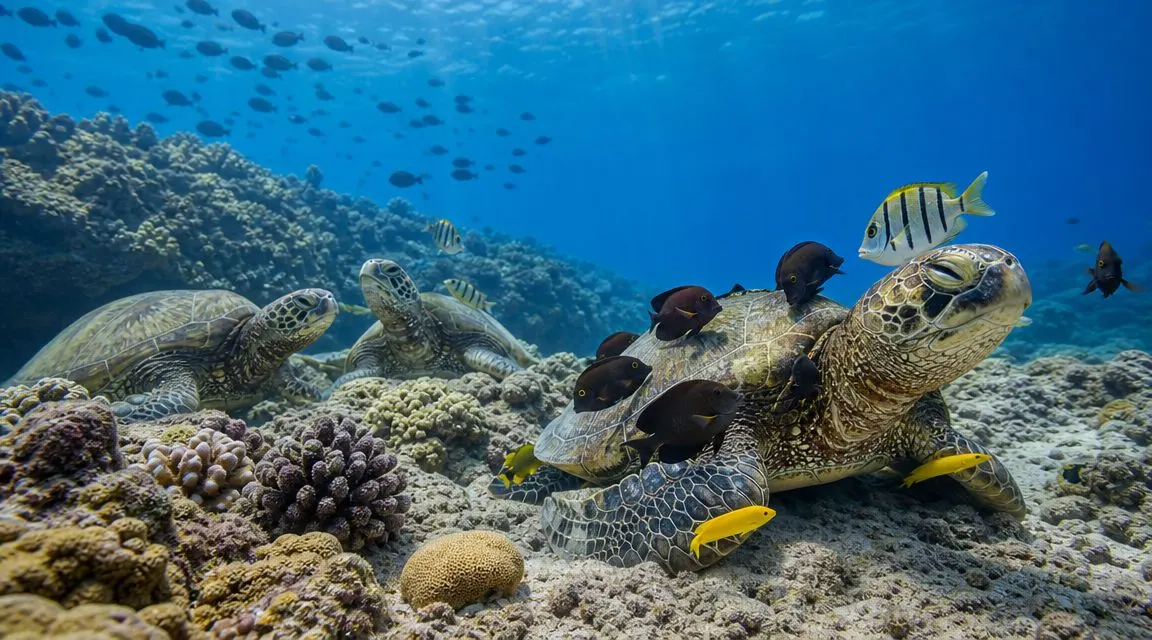
Why offshore reefs work better
Off Waikiki, Turtle Canyon is widely treated as the main reference point for turtle snorkeling because it combines accessibility with habitat turtles frequent. A short boat ride gets you away from the churn and guesswork of a shoreline entry and into water that's generally set up for a cleaner snorkel.
That difference shows up fast in the water. People who launch from shore often spend their energy on entry, footing, and visibility. People who access an offshore reef by boat usually spend more of their time looking down at the reef and less time dealing with the setup.
For a broader local overview, this guide on where to see sea turtles in Oahu is useful background before you choose a departure.
Shore spots versus boat spots
Some beach areas around Oahu can produce turtle sightings, especially for shoreline viewing. The trade-off is consistency. Shore entries can be crowded, murky, and highly dependent on the day's conditions.
Here's the practical comparison most visitors care about:
| Option | What works | What usually doesn't |
|---|---|---|
| Boat-access reef | Cleaner access, guided supervision, more focused snorkel time | Less spontaneous if you prefer a DIY day |
| Shore-entry beach | Easy to visit from land, good for casual viewing from shore | Variable visibility, crowding, more guesswork |
| Famous turtle beach | Memorable for seeing turtles from land | Often disappointing if your goal is an in-water snorkel |
What to choose for your group
Families and first-time snorkelers usually do better offshore. The environment is more controlled, and the day feels organized instead of improvised. That matters when one person in the group is excited, one is nervous, and one just wants to know where the bathroom is.
Practical rule: Judge a turtle spot by the full experience, not by the name on the map.
Recent guidance also notes that boat-access reefs are generally the better year-round option, while shoreline turtle viewing is more seasonal and more likely to be crowded or murky, as described in this Oahu turtle snorkeling guide. That lines up with what most captains see in real life. A short offshore run usually beats a long morning of hoping a beach comes together.
Why a Guided Tour is the Best Way to Snorkel with Turtles
A guided tour wins on three fronts. Reliability, safety, and behavior in the water. If your goal is to snorkel with turtles in Honolulu rather than just chase the idea of it, that combination matters.
Turtle Canyon off Waikiki is widely described as Oahu's most reliable turtle-snorkeling site, with one operator reporting a 99% sighting success rate and an average of 3 to 5 Hawaiian green sea turtles seen per guided trip, according to this Turtle Canyon snorkeling reference. That same guidance tells snorkelers to stay at least 10 feet from turtles, which is one reason guided access works so well. The crew can set expectations before the first person even hits the water.
What a good guided trip solves
From a captain's point of view, most bad turtle snorkeling days start before the snorkel starts. Masks don't fit. People are nervous and won't say it. Someone overestimates a beach entry. Then the group burns energy before they ever settle into the water.
A guided boat fixes a lot of that.
- Gear support: Crews help with masks, fins, flotation, and entry.
- Better positioning: Guides can place guests where they can observe turtles without drifting into a crowd.
- Less guesswork: You're not burning vacation time testing one spot after another.
- More beginner confidence: Nervous swimmers relax faster when a crew is present and the plan is clear.
A local operator around Waikiki describes Turtle Canyon tours as a short boat ride offshore, with 2 daily tours lasting about 2.5 hours total and roughly 1 hour 15 minutes of snorkeling time at the site, as outlined in this Waikiki Turtle Canyon tour description. That's a sweet spot for many families. It's long enough to feel like a real outing and short enough that it doesn't eat the whole day.
Why the format matters for families
When you've got mixed ages in a group, structure beats spontaneity. A guided departure gives everyone a clearer rhythm. Check in, get fitted, listen to the briefing, ride out, snorkel, come back warm and happy.
One Honolulu option many visitors consider is this Turtle Canyons snorkel excursion, which focuses on the offshore turtle site near Waikiki. Families who want a more activity-heavy boat day sometimes look at the Waikiki Snorkel & Waterslide Tour instead.
If you want more local trip-planning context before choosing, this page on turtle snorkeling around Oahu gives a helpful overview.
Living Ocean Tours is often described as the top rated and most reviewed snorkel company on Oahu.
A good tour doesn't just help you see turtles. It helps you avoid becoming the reason a turtle leaves.
Snorkeling with Turtles Safely and Respectfully
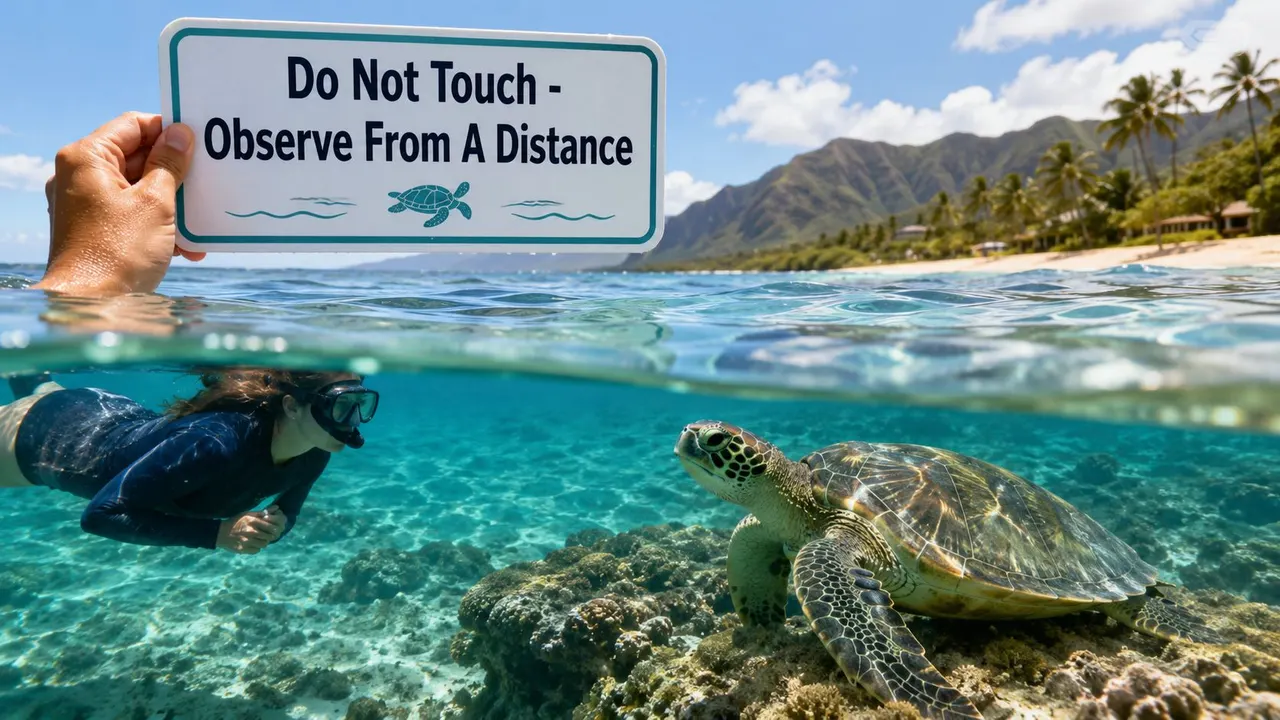
The distance rule is typically the first part heard. Stay at least 10 feet away. That's the baseline, not the full skill.
The part that shapes a respectful encounter is how you move. Good Honolulu turtle snorkeling depends less on getting close and more on staying predictable, calm, and out of the turtle's lane.
The moves that cause trouble
Guidance on responsible snorkeling goes beyond distance. Don't cut across a turtle's path, don't dive down over it, and don't crowd it from multiple angles. That practical advice is laid out in this responsible turtle snorkeling article.
Those mistakes usually come from excitement, not bad intentions. Somebody sees a turtle heading left and swims in front for a photo. Somebody else drops down from above. Then a third person closes from the side. From the turtle's perspective, the exit gets messy.
What respectful behavior looks like
Use this checklist in the water:
- Stay to the side: Let the turtle keep a clear travel line.
- Float instead of charge: Slow fin kicks keep the encounter calm.
- Leave room at the surface: Turtles need to surface and breathe without weaving through people.
- Watch the group shape: Even if you stay back, a crowd from several angles still creates pressure.
- Back off early: If the turtle changes direction because of you, you were too close.
For a practical etiquette refresher before your trip, review this guide to Turtle Canyon snorkeling etiquette.
If your movement makes the turtle change its movement, give it more room.
Why guided supervision helps
Here, a professional crew earns their keep. Shore snorkelers often bunch up without realizing it. On a supervised boat trip, guides can spread people out, redirect eager swimmers, and preserve the space that keeps the encounter natural.
That's better for the turtles, and it's also better for guests. When nobody is crowding the animal, everyone gets a cleaner, longer look.
Your Pre-Snorkel Checklist What to Bring and Know
A smooth turtle snorkel starts with packing light and packing smart. Many travelers bring too much of the wrong stuff and forget the few things that improve the day.
Guided tours typically handle the core snorkeling setup. That usually means your mask, snorkel, fins, and flotation gear are already part of the experience, so you don't need to buy a full kit for one vacation outing.
What to bring yourself
Keep your personal checklist simple:
- Reef-safe sun protection: Cover up before you board and protect your skin without treating the reef like an afterthought.
- A towel and dry clothes: The ride back feels better when you've got something dry waiting.
- Waterproof phone case or camera: Good for quick photos on the boat, but don't let it distract you in the water.
- Sunglasses and a hat: Harbors and decks are bright, especially around midday.
- Any personal medication: Bring what you know you may need, and keep it easy to access.
If you want a trip-specific reminder list, this Turtle Canyon packing guide is a practical place to start.
What helps first-time snorkelers most
The first ten minutes matter more than any fancy gear. Beginners do well when they focus on comfort, not performance.
A few habits make a big difference:
- Practice breathing through the snorkel before looking down. Stand or float calmly and get used to the rhythm.
- Let the flotation work. You don't need to kick hard the whole time.
- Clear your mask early if needed. A small adjustment at the start is better than a frustrated half-hour.
- Keep your face in the water longer than feels natural at first. That's when the reef starts to open up.
Family prep that pays off
Kids usually handle snorkeling well when adults frame the rules clearly. Tell them the goal is to spot a turtle without making it turn away. That gives them a job they can understand.
For multigenerational groups, assign roles before leaving the hotel. One person handles towels. One keeps phones and dry items together. One watches that everyone has water and reef-safe sun protection sorted before boarding.
Calm snorkelers see more. Rushed snorkelers spend the trip fixing gear, swallowing seawater, and wondering why everyone else looks relaxed.
Common Questions About Honolulu Turtle Snorkeling
Is it guaranteed I'll see a turtle
No wild animal encounter is a guarantee. That said, Turtle Canyon is widely described as Oahu's most reliable turtle-snorkeling site, and one operator reports a 99% sighting success rate on guided tours. That's strong reliability, but it's still wildlife, not an aquarium.
What if I'm not a strong swimmer
That's exactly where guided Honolulu turtle snorkeling helps. Flotation gear, a controlled boat entry, and in-water supervision make the experience far more approachable than a do-it-yourself shore snorkel. The goal isn't athletic swimming. It's calm floating and good instruction.
Is turtle snorkeling safe for young children
Often, yes, when the trip matches the child and the adults prepare them properly. Kids do best when they know the rules in advance, wear the right flotation, and understand that turtle watching is about observing, not chasing. The more structured the trip, the easier it is for families to stay relaxed.
What's the best time of year for turtle snorkeling in Honolulu
A Waikiki-area operator notes that guided tours to Turtle Canyon often run 2 daily trips lasting about 2.5 hours total because the site is a year-round cleaning and resting ground for Hawaiian green sea turtles in warm, protected South Shore waters near Waikiki, as described in this Turtle Canyon Waikiki overview. In plain terms, that makes guided offshore snorkeling one of the more dependable year-round marine activities in Honolulu.
If your goal is a relaxed, respectful turtle encounter instead of a maybe-good beach gamble, choose the outing that gives you support in the water and a crew that protects the space around the animals.
If you want a practical place to book a guided Honolulu turtle snorkeling trip, Living Ocean Tours offers Waikiki-area departures focused on offshore snorkeling, beginner support, and responsible wildlife viewing.


