
Honolulu sunset boat tour: How the Sea Breeze Changes
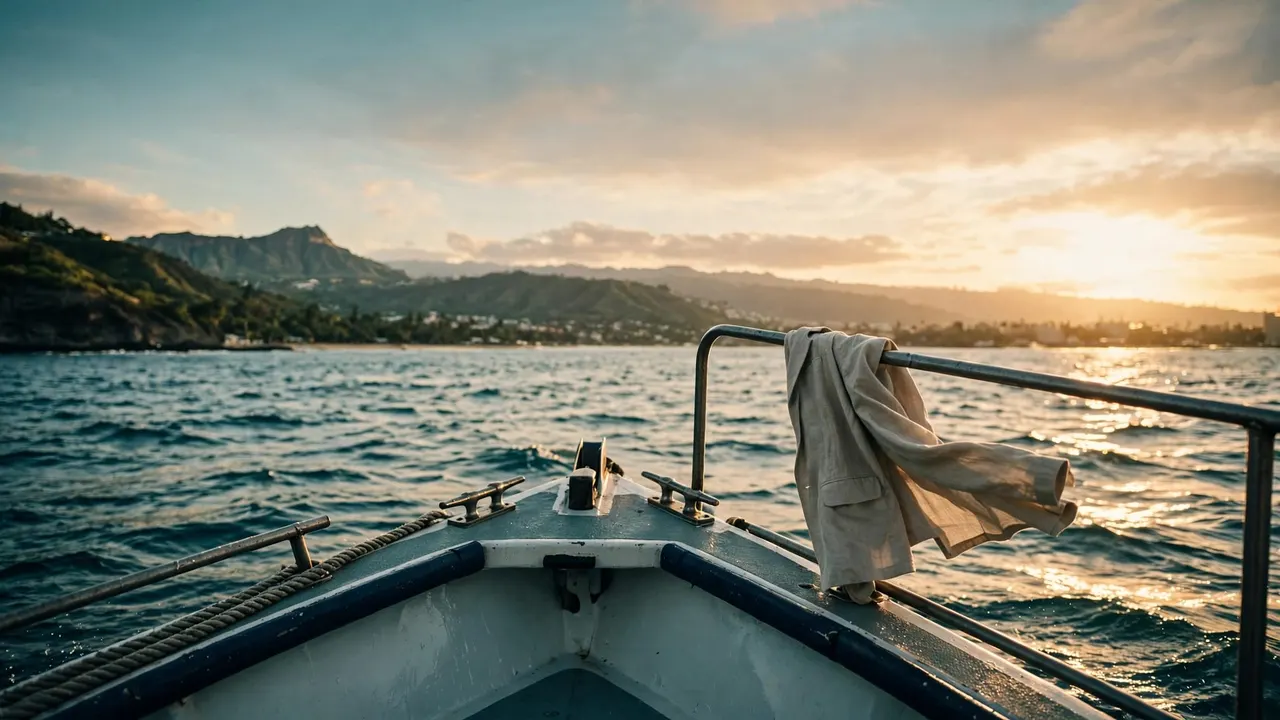
Honolulu’s local sea breeze can weaken as the land cools near sunset, but trade winds may keep blowing. On a Honolulu sunset boat tour with us at Living Ocean Tours, you’ll feel a combination of coastal weather and airflow created by the moving boat.
That means a warm afternoon can give way to a cooler-feeling ride without a dramatic temperature drop. Understanding those changes helps you choose a comfortable spot aboard and enjoy the evening beyond the sunset itself.
Key Takeaways
- You may notice the daytime sea breeze fade near sunset, especially when background winds are light.
- Trade winds don’t stop at sundown, so an evening cruise can remain breezy.
- Calmer wind doesn’t immediately erase ocean swell or guarantee a motion-free ride.
- A light wind-resistant layer, secure belongings, and comfortable seating help you enjoy changing conditions.
Your experience depends on several things happening together. Sunset changes the heating over land, while regional winds and the boat’s movement continue to affect your ride.
Why Honolulu’s Afternoon Sea Breeze Develops
Land heats faster than the ocean
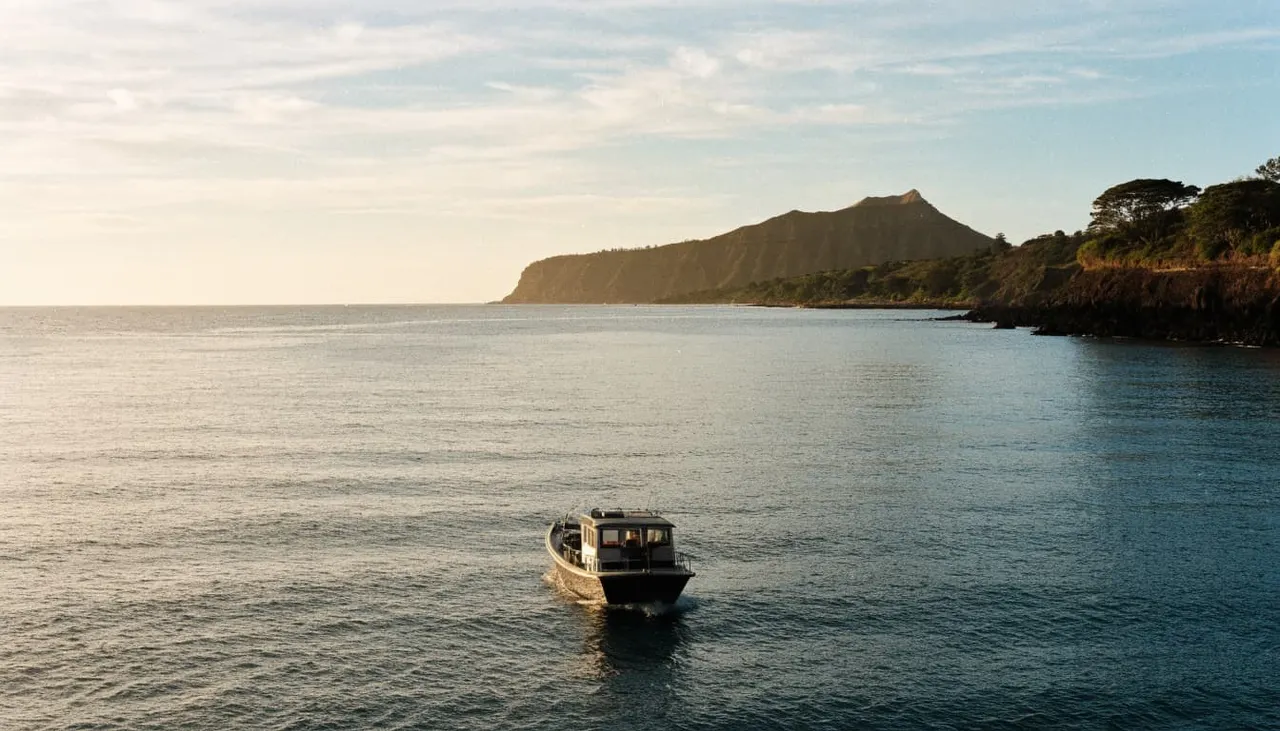
During daylight, Oahu’s land surface warms faster than the surrounding Pacific. Air over the warmer land rises, and cooler air near the ocean moves toward shore.
That circulation produces a sea breeze. NOAA’s National Data Buoy Center explains how unequal heating creates coastal breezes.
For you, the result can be a refreshing onshore flow along Honolulu’s waterfront. However, the breeze you feel isn’t always a pure sea breeze. It mixes with the broader weather pattern and winds shaped by Oahu’s terrain.
Afternoon warmth feeds the circulation
As sunshine heats the island, the temperature contrast between land and water can support that local airflow. Its strength depends on cloud cover, background wind, and other conditions.
Therefore, you shouldn’t expect every afternoon at Kewalo Basin to feel alike. A lightly breezy day can make the local circulation easier to notice. On a strong trade-wind day, the larger wind pattern can dominate instead.
By late afternoon, you’re boarding during a transition. The land still holds heat, but the incoming sunlight is decreasing.
What Changes as the Sun Gets Lower
The local sea breeze can lose strength
As sunset approaches, weaker sunshine reduces the heating that supports the daytime circulation. Later, the land cools, and the temperature difference can shrink or reverse.
NOAA’s sea-breeze and land-breeze explanation describes these linked daytime and nighttime patterns.
However, sunset isn’t a switch that instantly reverses the wind. A land breeze may develop later when conditions favor it, particularly with light background winds. You might notice a gradual easing, a subtle direction change, or little obvious difference during your cruise.
A Honolulu sunset boat tour gives you time to experience that transition without expecting one exact moment of calm.
Trade winds can continue after dark
Hawaii’s familiar trade winds generally arrive from the northeast. Regional pressure patterns drive them, so they don’t depend on Honolulu’s afternoon sunshine.
If trades are active, you can still feel steady airflow after the sun disappears. Meanwhile, showers or changing weather systems can bring other wind patterns.
This distinction matters when you pack. A forecast of pleasant evening temperatures doesn’t mean the open deck will feel warm throughout the trip.
A fading sea breeze can reduce local wind, but sunset alone doesn’t promise calmer water or a warmer-feeling ride.
What You Feel on a Honolulu sunset boat tour
Boat movement changes the breeze across the deck
Even when the surrounding wind stays steady, your boat changes how that wind feels. Its speed and heading combine with the natural wind to produce apparent wind, the airflow you experience aboard.
When the boat travels into the wind, the breeze across your face can feel stronger. After a turn, the same conditions may feel gentler or arrive from another direction.
That explains why the outbound and return portions can feel different without a major weather change. You may also notice a difference between an exposed rail and a more sheltered seat.
Wind and waves don’t settle together
Small wind-driven ripples can ease as the local breeze weakens. However, ocean swell can continue because weather far away generated it.
Therefore, smoother-looking water doesn’t guarantee a completely still ride. Likewise, a colorful sky tells you little about the amount of boat movement.
If you’re sensitive to motion, tell our crew early and choose a lower, central seat when available. Looking toward the horizon can also help you stay oriented.
You don’t need to stay at the bow for the whole evening. Move only when it’s safe, keep a hand available for support, and follow crew instructions.
How Waikiki’s Shoreline Shapes Your Ride
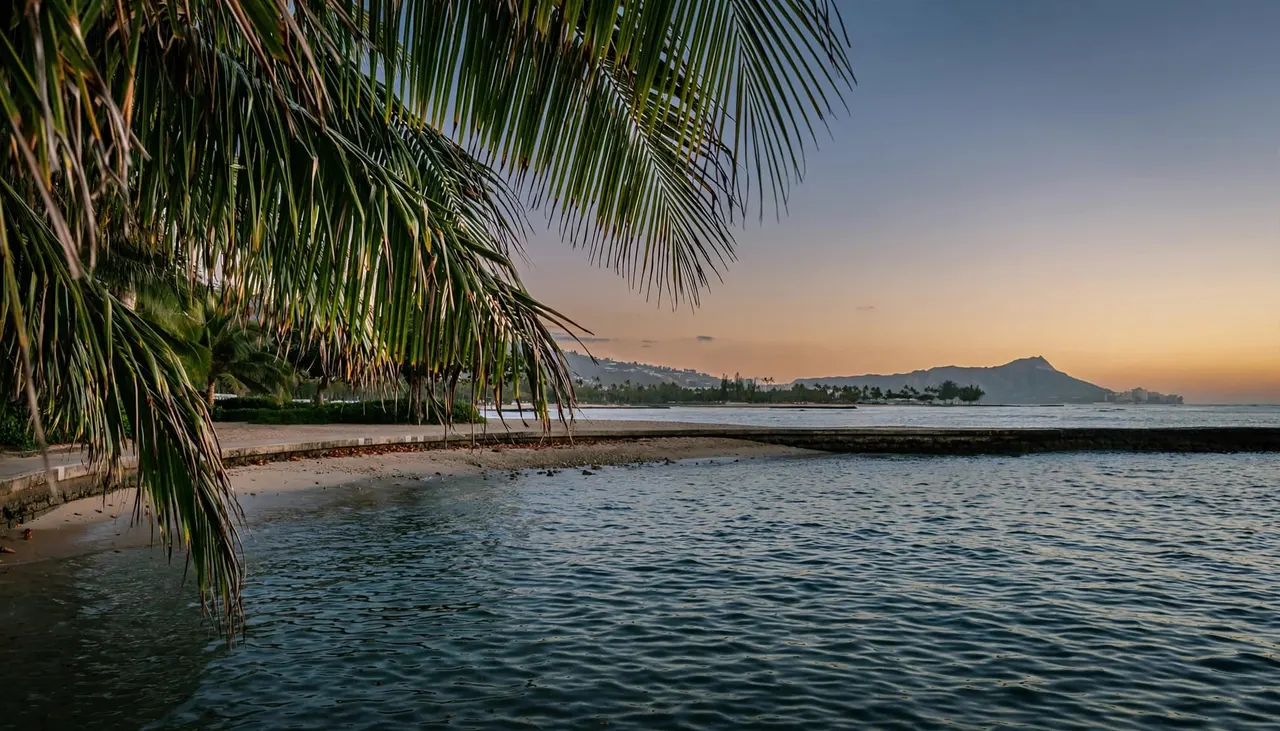
Honolulu sits on Oahu’s south shore, where mountains, valleys, and coastal buildings influence local airflow. Consequently, conditions inside Kewalo Basin can feel different from those beyond the harbor entrance.
The National Weather Service’s guide to Hawaii’s weather explains the relationship between island heating and local breezes. Those local effects operate alongside the broader wind pattern.
As you travel along Waikiki toward Diamond Head, changing exposure can bring brief gusts or sheltered stretches. A comfortable moment beside the harbor doesn’t describe the whole route.
The view changes, too. Low sunlight brightens the water before Waikiki’s buildings begin to glow against the evening sky.
For photographs, secure your phone and pause in a stable position. Avoid stepping backward while watching your screen. After sunset, keep looking toward shore as well as the horizon. The skyline offers another view even when clouds hide the sun’s final descent.
Pack for Breeze, Glare, and the Ride Back
Bring a layer that blocks moving air
A light wind-resistant jacket is often more useful than a bulky sweater. It reduces airflow across your skin without taking much space in your bag.
Bring one for children, too. Young passengers may feel chilly after sitting still, even if they were comfortable walking around Waikiki earlier.
Keep your layer accessible rather than buried beneath everything else. During a Honolulu sunset boat tour, you’ll appreciate being able to adjust without leaving the view for long.
Comfortable shoes with dependable traction also make moving around easier. Loose accessories need extra care when the deck gets breezy.
Keep your setup simple
Sunglasses help during the bright stretch before sunset. A secure hat can be useful earlier, but a loose brim can catch the wind.
Pack your essentials together:
- Bring a light layer and secure sunglasses.
- Keep your phone attached to a strap or tucked away when moving.
- Carry only what you need, with belongings secured in dry storage.
If you use motion-sickness medicine, follow its label or your clinician’s advice before boarding. Waiting until you feel unwell can make the evening harder to enjoy.
Plan Your Evening With Living Ocean Tours
Our Waikiki Sunset Cruise lasts 90 minutes and follows the coast from Kewalo Basin toward Diamond Head and back. You can stay dry while enjoying ocean views, refreshments, and changing light.
Match your plans to the seasonal departure
Our published daily schedule follows the changing daylight.
| Travel dates | Departure |
|---|---|
| April 1 through September 15 | 5:30 p.m. |
| September 16 through March 31 | 5:00 p.m. |
Arrive about 30 minutes before departure, and leave room afterward for disembarking and transportation. A dinner reservation immediately after the scheduled return can make an otherwise relaxed evening feel rushed.
Choose comfort without promising still water
Our Coast Guard-inspected double-decker boats offer shaded seating, onboard restrooms, and dry storage. Our regular sunset outing welcomes guests ages 3 and older, with BYOB and cash-bar options available.
We’re also the only tour company with professional snorkel guides for our snorkeling outings. You can explore our Honolulu ocean tours when planning a separate daytime adventure.
For your evening on the water, you can CHECK AVAILABILITY for a Honolulu sunset boat tour that fits your plans.
Frequently Asked Questions About Sunset Breezes
Does Honolulu always get less windy at sunset?
No. The locally generated sea breeze can weaken as land cools, but trade winds or other weather patterns may continue. You can experience a breezy evening even when the sky is clear and the sunset looks peaceful.
Will the boat feel colder after sunset?
It can, because you lose the sun’s direct warmth while air continues moving across your skin. Boat speed also affects that sensation. A light wind-resistant layer helps you stay comfortable without packing heavy clothing.
Does a calm harbor mean a smooth cruise?
Not necessarily. Harbor structures shelter the water, while conditions outside can include wind chop and longer-period swell. Your ride can change after leaving Kewalo Basin, so judge comfort across the outing rather than during boarding alone.
Is the bow always the best viewing spot?
You may enjoy its open views, but it can also feel more exposed to breeze and motion. A sheltered or central seat may suit you better. Let comfort guide your choice instead of committing to one position for the entire cruise.
Enjoy the Transition Beyond Sunset
A Honolulu sunset boat tour lets you experience changing light and coastal airflow together. The local sea breeze may soften, while trade winds, swell, and the moving boat continue to shape your evening.
Bring a light layer and choose a comfortable viewing spot. With flexible expectations, you can enjoy Diamond Head, the open horizon, and Waikiki’s lights without depending on perfectly still water.


