
Your Guide to the Best Honolulu Snorkeling Tour in 2026
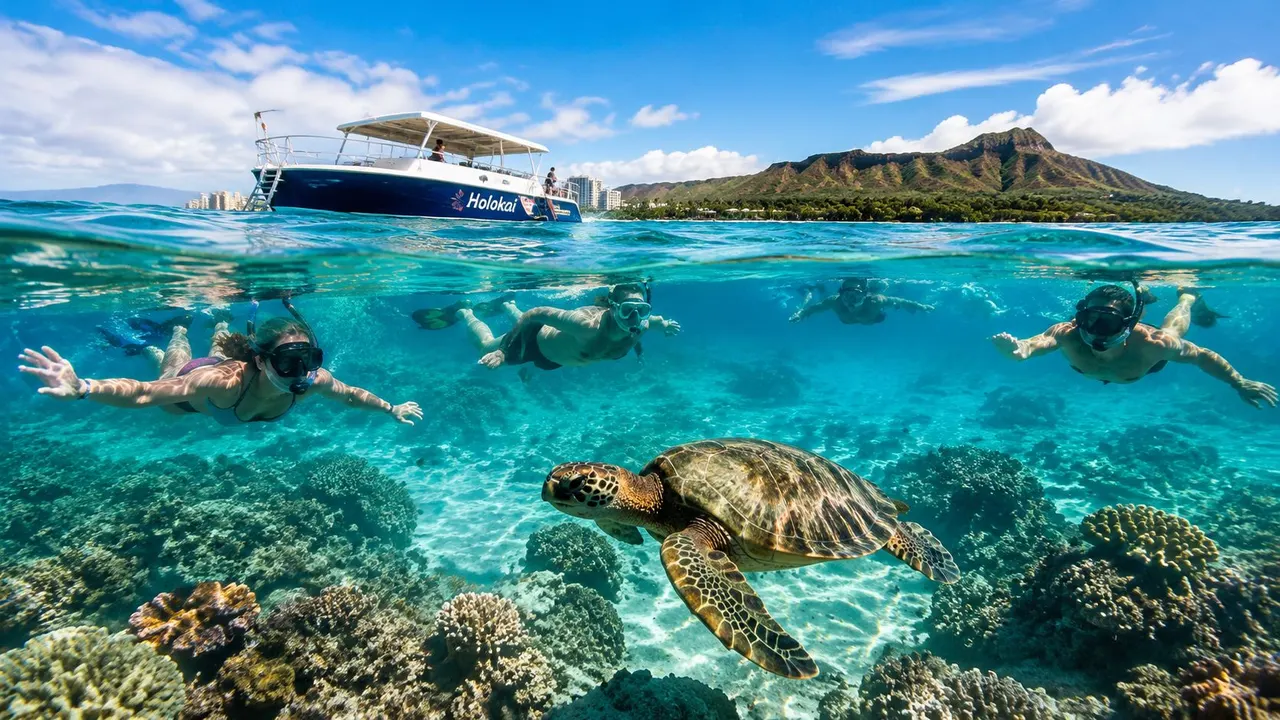
You're probably in Waikiki right now, looking out at that calm blue water and thinking the same thing I hear from visitors every week: “I want to snorkel, but I have no idea how this works.” Maybe you've got kids. Maybe one person in your group is excited and another is nervous. Maybe you can swim a little, but ocean water feels different from a pool.
That's normal.
A good Honolulu snorkeling tour should feel simple from the moment you arrive at the dock. You shouldn't have to guess where to stand, what gear to use, or whether you'll be okay once you're in the water. With the right crew, snorkeling off Honolulu feels less like a test and more like being guided into a new world, one calm step at a time.
Honolulu is one of those rare places where first-timers and ocean lovers can share the same boat and both come back smiling. If you want a close-up look at what that experience feels like, this Honolulu snorkeling overview is a helpful starting point before you choose your day on the water.
Embark on Your Underwater Adventure in Honolulu
You step onto the boat with a dry bag in one hand and a few quiet questions in the other. What if the water feels deeper than expected? What if the mask leaks? What if everyone else seems more comfortable than you do?
That feeling is normal.
The first surprise for many first-time guests is how quickly Honolulu's ocean shifts from something you admire from shore to something you can enter with confidence. Waikiki starts out in soft turquoise near the beach, then turns a richer blue as the boat heads toward the reef. From the deck, the water stops looking like a postcard and starts feeling like an invitation.
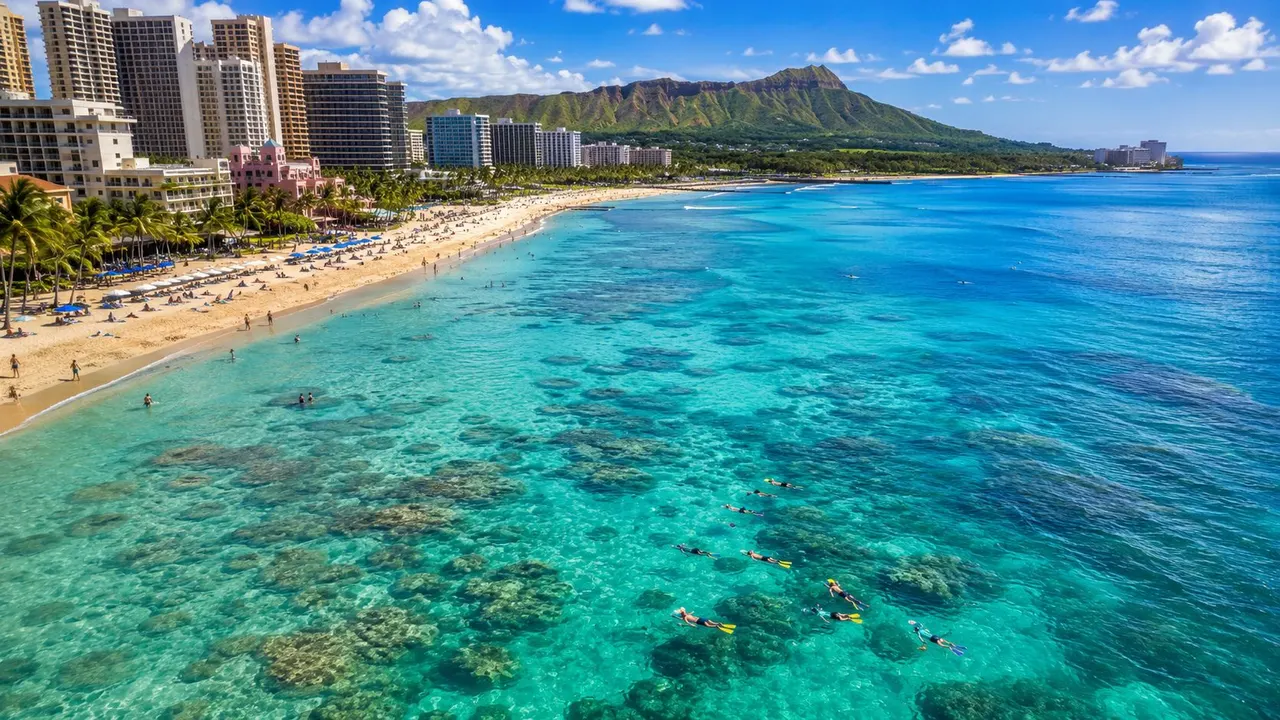
I've seen that change happen again and again. At the dock, one person is excited, one person is cautious, and one person is already asking whether weak swimmers can still have a good time. Ten minutes after departure, shoulders drop, people settle into the ride, and the day begins to make sense. A good tour does that. It replaces uncertainty with a clear path.
Why snorkeling fits Honolulu so well
Snorkeling gives beginners a direct way to see reef life without needing scuba certification or a long learning curve. You do not have to be an athlete. You do not need years of ocean experience. You need calm guidance, equipment that fits, and a crew that treats questions like part of the trip, not a delay.
That's why a Honolulu snorkeling tour for beginners and families often appeals to visitors who want the water experience without the pressure of doing everything perfectly on the first try.
Honolulu also gives you a setting that helps. The boat ride is short enough to feel approachable for many guests, the water is often clear, and the marine life payoff is real. For a first-timer, that matters. The day feels less like a test and more like being shown around someone else's neighborhood, except the neighbors happen to be butterflyfish, reef triggers, and sea turtles.
What the day should feel like
A strong snorkel tour is not just a boat ride with masks handed out at the end. It has a rhythm. You arrive, get oriented, ask the questions you were half-embarrassed to ask, and start to trust the crew. By the time you reach the snorkel spot, you should know where to put your gear, who to look for if you need help, and what to do if you want to take things slowly.
For beginners, that pacing matters as much as the destination.
Here's what many first-time guests are really hoping for, even if they do not say it out loud:
- A calm start: Clear direction at check-in and no confusion about where to go or what happens first.
- Reassurance in plain language: Help with the mask, snorkel, and fins from someone who remembers what it feels like to be new.
- A real ocean moment: The first flash of reef fish below you, followed by the quiet thrill of spotting a turtle.
- A comfortable ride home: Time to warm up, reset, and feel proud instead of rushed.
That is the heart of the experience. You begin the morning wondering whether snorkeling is for you. You come back salty, smiling, and talking about the moment the underwater world finally opened up.
What to Expect on a Typical Honolulu Snorkel Tour
A lot of beginners think the hardest part will be snorkeling. Usually it's not. The hardest part is not knowing the sequence. Once you know the flow of the trip, your mind stops filling in worst-case scenarios.
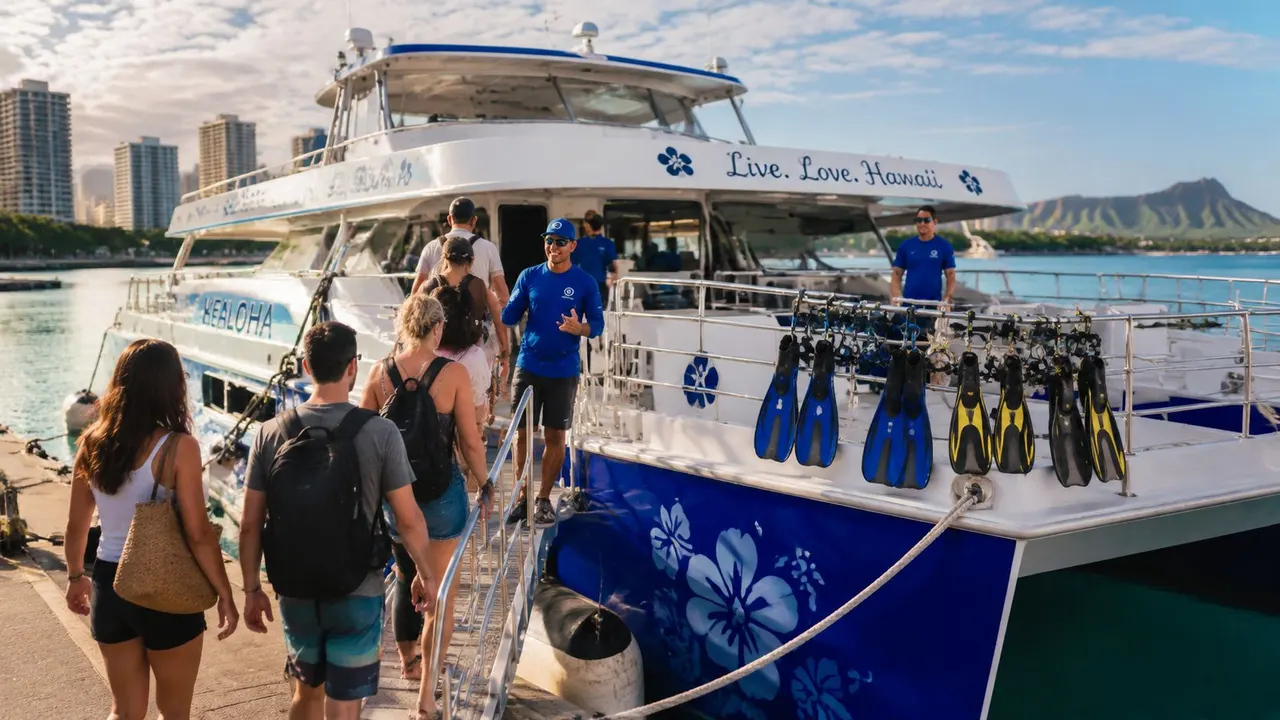
If you want to compare different local outing styles before booking, this Oahu snorkeling tours guide gives a good feel for what's available around Honolulu and Waikiki.
At the harbor
Most tours begin with check-in, a waiver, and a quick welcome from the crew. This is when you should ask every question on your mind, especially if someone in your group is a weak swimmer, gets seasick, or has never used a mask before.
The crew will usually point out where to leave shoes, where to sit, and where the restrooms or storage spaces are. That sounds small, but it helps people settle down fast. Once you know where your stuff goes, you can focus on the day.
The safety briefing
This is the part confident travelers sometimes tune out. Don't.
A proper briefing explains how to wear the mask, how to breathe through the snorkel, how to clear water if it gets in, where the guides will be, and what the entry and exit process looks like. It also tells you how to stay comfortable instead of fighting the water.
Snorkeling goes better when you float first and “swim” second. New guests often do best when they relax their legs, keep their breathing slow, and let the gear do part of the work.
The ride out
The ride is often one of the nicest parts of the day. Honolulu's coastline opens up in a new way from the boat. Hotels get smaller, the city quiets down, and the reef line becomes easier to see.
People often use this stretch to adjust masks, ask last-minute questions, or just sit and watch the water. If you tend to get nervous, this is a good time to tell a crew member. They'd much rather help you early than after you're already stressed.
Getting in the water
This moment is usually gentler than people expect. A guide tells you where to enter, where to gather, and what to do first. Most guests need a minute or two to get used to the face-down position and the feeling of breathing through a tube. That's normal too.
A simple mental checklist helps:
- Mask sealed well: Hair out of the edges, strap not too tight.
- Snorkel upright: Mouth relaxed, slow breaths.
- Body long and light: Let yourself float instead of trying to stand.
The ride back
After the snorkel, the mood changes completely. The tense questions are gone. People start comparing what they saw. Someone is already checking underwater photos. Kids are tired in the happy way.
That's why a well-run Honolulu snorkeling tour feels so satisfying. It takes a group from uncertainty at the dock to stories on the ride home.
The Magic of Turtle Canyons Oahu's Premier Snorkel Spot
The first time you drift over Turtle Canyons, the reef can look almost ordinary for a few seconds. Blue water. Patches of coral. A few bright fish moving in quick little bursts. Then your eyes adjust, and the whole place starts to make sense.
Turtle Canyons stands out because it is more than a pretty patch of reef. It is an area near Waikiki where Hawaiian green sea turtles are often seen visiting cleaning stations. Cleaner fish pick at algae and parasites while the turtles hover or rest nearby. A reef cleaning station works a bit like a car wash for marine life. The fish get a meal, and the turtle gets help.
If you want more background on the site itself, this Waikiki Turtle Canyon guide explains why so many snorkel tours visit this area.
Why turtles gather here
For a beginner, this matters because it changes what the snorkel feels like. You are not just scanning open water and hoping to get lucky. You are floating above a place animals already use for a reason.
That small shift calms people down.
Instead of wondering, “Am I missing everything?” you can pay attention to the reef below you. Guides often help by pointing out the signs first. A turtle shape near the bottom. Cleaner fish flickering around a shell. A slow rise toward the surface for air. Once you know what to look for, your eyes get much better at finding life.
What it feels like when you see your first turtle
Usually, the moment is quieter than people expect.
You may still be thinking about your mask or your breathing when someone nearby points. At first, you see only movement. Then the outline becomes clear. The shell looks broad and steady. The flippers move with almost no fuss. Everything about the animal feels calm, and that calm has a funny way of spreading to the people in the water too.
Even nervous first-timers often settle down right then. The mental chatter drops away. You stop worrying about doing snorkeling “correctly” and start watching. That is part of what makes Turtle Canyons memorable. The encounter feels gentle, not dramatic, and that is exactly why it stays with people.
A common concern is, “What if I am not a strong swimmer and I miss it?” In practice, many guests see turtles while floating with a guide nearby, using flotation and moving very little. You do not need to race after wildlife. In fact, the better approach is the opposite. Stay relaxed, keep your face in the water, and let the reef come to you.
A quick note on tour operators
One operator that runs tours to this location is Living Ocean Tours. The main thing to compare is not marketing language, but the basics that shape your experience: group size, crew attention, time in the water, and how clearly the team explains turtle etiquette.
At a site like Turtle Canyons, the best tour for a beginner is usually the one that helps you feel unhurried and well looked after. That support matters just as much as the location itself.
Choosing the Right Snorkel Tour For You
The right tour is the one that fits how your group will spend the day, not the one with the longest feature list. A couple on a short Waikiki trip often wants a clear plan, good guide support, and plenty of time in the water. A family with kids usually needs something different. They may want snorkeling, but they also want breaks, space to move around, and a second option if one child decides the mask feels strange after ten minutes.
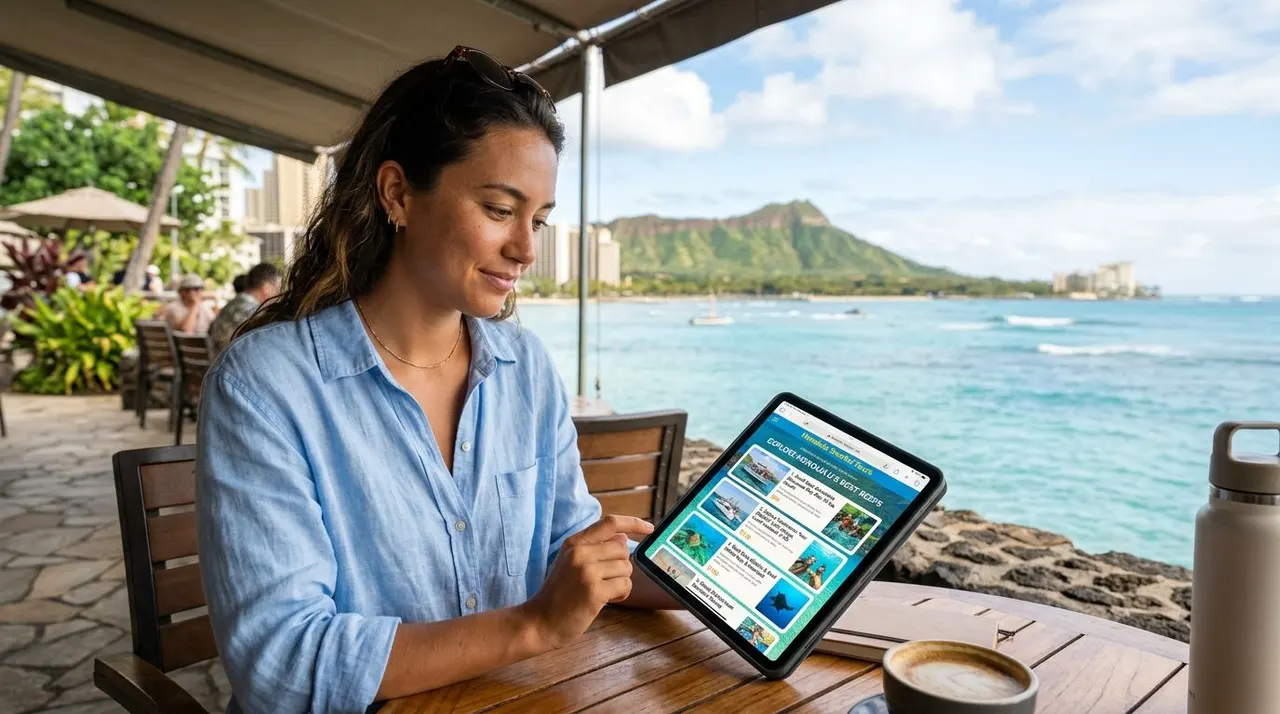
If you are sorting through choices for a private group, this private Oahu snorkel charter page gives a useful example of what a more customized day can include.
Two common tour styles
A simple way to choose is to ask what kind of rhythm you want once the boat leaves the harbor.
| Tour style | Best for | What the day feels like |
|---|---|---|
| Turtle-focused snorkel | Couples, first-timers, short-stay visitors | Calm and direct. The crew gets you briefed, geared up, and into the water with the main goal in mind, seeing reef life and, if conditions allow, turtles. |
| Family wildlife cruise | Parents, kids, multi-generational groups | More varied. You still snorkel, but the day has more built-in breaks and more ways to enjoy being on the boat. |
That difference matters more than many first-time visitors expect.
A turtle-focused tour often feels like taking the scenic route with one great destination in mind. A family activity cruise feels more like a beach day on a boat, with snorkeling as one part of the experience rather than the whole plan.
If your group includes kids, mixed comfort levels, or non-snorkelers
Children do not always enjoy the ocean in one long stretch. They tend to move in cycles. In the water for a bit. Out for a snack or a reset. Back in again once they feel ready.
That is why extra onboard activities can help on some tours. They are not just there for excitement. They give hesitant swimmers, younger kids, and even grandparents another way to enjoy the trip without feeling like they have to snorkel the whole time.
One example people consider for that kind of outing is the Deluxe Waikiki Snorkel & Wildlife Cruise, which includes added water features along with snorkeling. Company descriptions of that trip present it as a better fit for groups who want more variety during the outing.
A quick self-check before you book
Before you choose, picture your group at the dock, not just in the brochure photos. Who is excited to jump right in? Who will need a minute? Who wants wildlife, and who mostly wants a fun boat day?
Ask yourself:
- How comfortable is your group in open water? If comfort levels are mixed, look for patient crew support, clear instruction, and a tour pace that does not feel rushed.
- Will everyone enjoy snorkeling for the same amount of time? Some guests are happy floating over reef for a long stretch. Others enjoy shorter sessions with breaks in between.
- Are you planning around a special occasion or a larger family group? More privacy and space can make the day feel easier, especially if you are coordinating kids, grandparents, or different activity levels.
One simple rule helps here. The more varied your group is, the more helpful it is to choose a tour with more than one good way to enjoy the water.
That choice usually leads to a better day. People relax faster when they do not feel forced into one version of fun.
Safety First Your Guide to a Worry-Free Snorkel Adventure
If you only remember one thing, remember this. Ocean confidence and swimming skill are not always the same thing. Plenty of people feel “fine in water” until they're floating over reef with no pool wall, no shallow end, and no familiar visual reference.
What good tour safety actually looks like
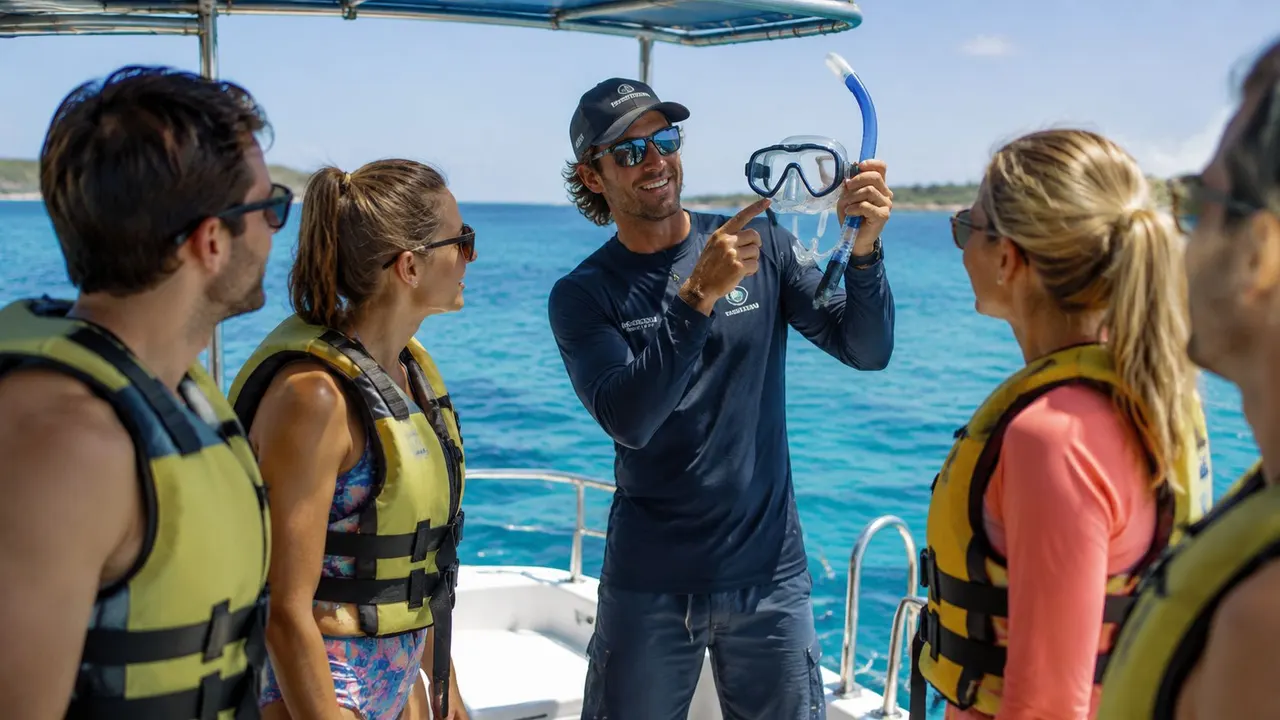
On professional tours, positive-flotation snorkel vests provide 3–5 kg of lift, and certified guides trained in first aid and water rescue help create a controlled environment for guests, including non-swimmers, based on the verified safety data above.
That matters because flotation isn't just about buoyancy. It changes behavior. When guests know their head will stay up, they breathe slower. When they breathe slower, they stop fighting the water. Once they stop fighting, they usually start enjoying themselves.
The question parents really mean to ask
Parents often say, “My child can swim a little. Is that enough?” What they usually mean is, “Will my child panic if the ocean feels bigger than expected?”
That's why the details matter. Some operators talk generally about safety but don't explain what kind of flotation they use or how guides stay close to hesitant guests. The strongest tours are specific. They show you the vest, explain how it works, and tell you exactly what happens if someone wants extra help.
Non-swimmers can still have a good day
A non-swimmer doesn't need to be pushed into independence. They need support, calm instruction, and a simple job: float, breathe, look down when ready.
- Use the vest fully: Don't treat flotation as optional if you're unsure.
- Tell the crew early: The more they know, the better they can place and watch you.
- Start small: Put your face in, take a few breaths, lift your head, repeat.
You don't earn extra points for being brave in silence. Tell the guide you're nervous, and the day usually gets better immediately.
Responsible Snorkeling and Respecting Marine Life
Your best turtle moment usually happens when you stop trying to make it happen.
You slide into the water, get your breathing steady, and then a green sea turtle appears below you, calm and completely unbothered. For a first-timer, the instinct is often to kick closer for a better look or a better photo. The better move is to hold your place and let the moment come to you. That is how a wildlife encounter stays peaceful for both you and the animal.
A good snorkel tour teaches this clearly. You are a visitor in the turtle's feeding ground, resting area, or cleaning station. The reef works like a neighborhood, and every fast chase, dropped fin, or careless touch changes the mood underwater.
NOAA advises people to stay at least 10 feet away from sea turtles. That buffer gives the animal room to surface, feed, and travel without feeling crowded. If a turtle changes direction because of you, you are too close.
What respectful turtle viewing looks like
Respect in the water is simple, but it does take self-control.
- Pause before you approach: If you spot a turtle, stop kicking hard and float.
- Let the turtle set the distance: A close pass should be the turtle's choice, not yours.
- Keep hands, fins, and knees off the reef: Coral is alive, and one careless push can break what took years to grow.
- Skip the chase for the perfect photo: A calm look from farther away beats a stressful close-up.
- Give extra space if the animal is resting or surfacing: Turtles need air, and they should never have to work around people to get it.
Beginners sometimes worry that “responsible” means “far away” or “less exciting.” In practice, the opposite is often true. Calm snorkelers see more natural behavior. You notice the slow flap of a turtle's front flippers, the way reef fish scatter and regroup, and the rhythm of the reef instead of just rushing through it.
The same rule applies to the whole snorkel site, not just turtles. Don't stand on coral. Don't grab rocks for balance unless a guide tells you it is safe. Don't feed fish. Reef-safe habits start before you even board, which is why a simple Oahu snorkel packing list helps more than people expect.
How to recognize an operator who respects the ocean
You can learn a lot before the boat leaves the dock. Listen to how the crew talks about wildlife. A responsible operator does not promise to put you “right on top” of turtles. They explain viewing distance, remind guests not to touch marine life, and step in if someone gets too close.
That matters because beginners follow the tone set by the crew. If the briefing treats the reef like a living place instead of a backdrop, guests usually act that way in the water too.
The tours people remember most are rarely the loudest or closest. They are the ones where the ocean feels calm, the group settles in, and you come back to the boat feeling like you were invited into the scene for a few minutes, not like you interrupted it.
Planning Your Tour Booking Tips and What to Pack
Morning trips are often easier for first-timers because the day feels fresher and many guests prefer starting before they get worn out from beach time, shopping, or sun. If you already know snorkeling is high on your vacation list, book ahead so you're not trying to fit it into the leftovers of your schedule.
Your packing job is light. Bring a towel, sunglasses, drinking water if the operator suggests it, a change of clothes for the ride after, and reef-safe sun protection. A waterproof phone pouch or camera can be fun, but only if it won't distract you from getting comfortable in the water first.
If you're not sure what's useful and what's just clutter, this Oahu snorkel packing list is a practical reference.
A final tip from the boat. Eat lightly, arrive early, and tell the crew about any concern before the dock lines come off. That one habit solves a lot of rookie problems.
If you want a straightforward way to plan your day on the water, take a look at Living Ocean Tours. They offer Honolulu snorkeling tours, turtle-focused excursions off Waikiki, and other ocean outings that include gear, instruction, and guided support for visitors who want a smoother first experience.


