
Honolulu snorkeling: When Visibility Drops Mid-Swim
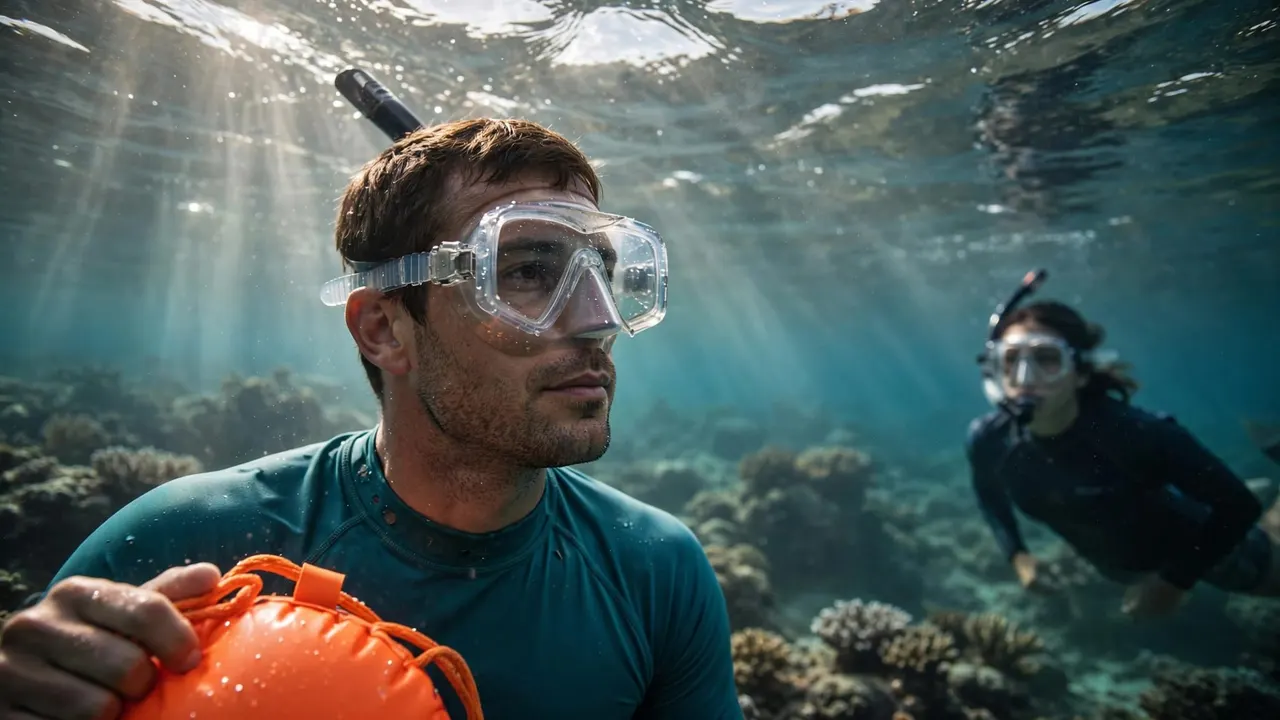
Clear reef views can disappear before you finish a single lap beside your buddy. On a Honolulu snorkeling outing, your priority is a controlled return, not finding another patch of clear water.
Living Ocean Tours offers professional in-water snorkel guides near Waikiki, so you have someone to alert when conditions change. Whether you’re swimming from a boat or entering from shore, make your first move a calm pause and a check of your surroundings.
Honolulu snorkeling: Your First Moves in Cloudy Water
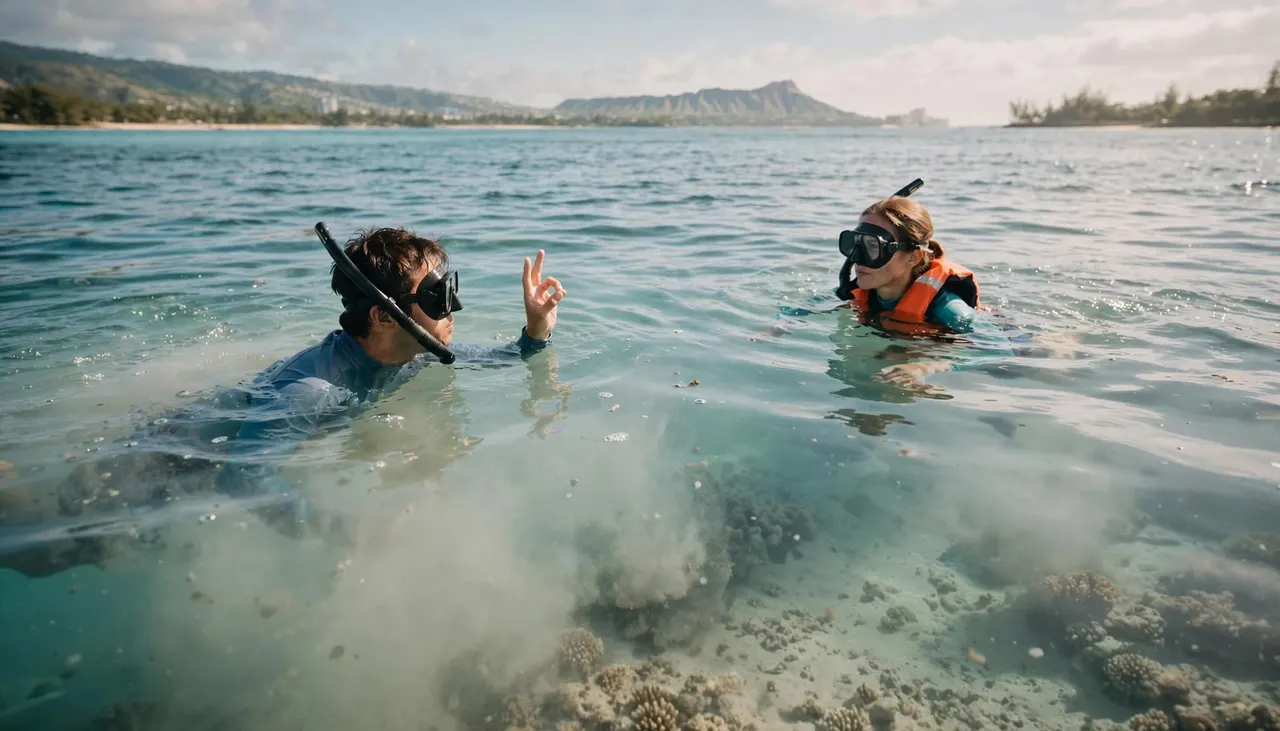
When fish, coral, or your companion fade into cloudy water, stop exploring. Don’t swim deeper or farther offshore to look for better visibility.
Hawaii Ocean Safety’s snorkeling guidance identifies murky water and hazardous conditions as reasons to avoid snorkeling. Treat deteriorating visibility as a reason to finish your swim.
Use this sequence:
- Stop moving forward and bring your face above water. Use your flotation support, if you’re wearing it, and keep your airway clear.
- Locate your buddy, guide, and return point from the surface. Signal the guide or lifeguard if you’re unsure where to go or need assistance.
- Return according to the crew’s directions or your established shore-exit plan. Stay together, conserve energy, and avoid crossing unfamiliar reef or channels.
Keep your fins off the bottom. Standing on coral can damage the reef, and forceful kicking over sand can make the cloudiness worse.
If you can’t see your buddy promptly, signal for help rather than diving down or swimming away to search. On a boat excursion, don’t choose a different vessel or head toward the distant shoreline.
Your return point depends on how you entered. A boat snorkeler should follow the crew’s return procedure, not substitute a swim to shore.
Separate Cloudy Water From a Cloudy Mask
Check your view without extending the swim
Mask fog, a leak, and suspended sediment can all blur your view. However, they need different fixes.
Once you’re stable at the surface, compare what you see above water with what you saw through the mask. Ask your buddy or guide whether the water itself has become cloudy.
If the problem is your mask, request help before moving away from support. You don’t need to remove equipment and troubleshoot while drifting.
For Honolulu snorkeling beginners, a mask problem can feel disorienting even when the surrounding water remains clear. Staying close to the guide makes that interruption easier to manage.
Don’t diagnose murky water by its color alone
Waves and swimmers can stir sand into the water. Rainfall and runoff can also reduce visibility, sometimes alongside water-quality concerns.
You can’t determine the cause or cleanliness of the water simply by looking at it. Brown or unusually murky water deserves caution, especially near stream mouths and drainage outlets.
Leave the water and check current advisories before considering another swim. Don’t assume a temporary clearing means the original concern has passed.
Return Together Without Fighting the Ocean
Keep your buddy visible at the surface
Once you decide to exit, tell your companion. Don’t assume they’ve noticed your change of direction.
Stay within clear sight, but leave enough space that fins and flotation equipment don’t collide. Look up regularly to confirm the guide, boat, or shore exit remains where you expect.
During Honolulu snorkeling, watching a turtle can pull your attention away from the return route. Let wildlife pass without following it, even if the view briefly improves.
If your buddy needs help, alert the guide or lifeguard. An untrained rescue attempt can put both of you in difficulty. Stay visible and follow the responder’s instructions.
Respond early if a current changes your route
A current may carry you away from your planned exit even when the surface looks manageable. Avoid exhausting yourself by swimming directly against a strong current.
Stay calm and signal for help. Honolulu Ocean Safety advises swimming diagonally across a strong current rather than fighting straight against it. Follow a nearby guide’s or lifeguard’s directions for your location.
Don’t head toward a reef ledge or drop-off as a shortcut. Strong currents can run alongside those features.
The state’s guidance for ocean safety also emphasizes visibility and awareness around other ocean users. On a boat swim, keep out of vessel routes and approach the designated ladder only as directed.
Know When to Request Immediate Help
Poor visibility becomes more urgent when you also feel short of breath, dizzy, unusually weak, or unable to keep your face clear of the water.
Signal immediately. Don’t spend your remaining energy fixing a mask, searching for fish, or trying to finish alongside everyone else.
Use the assistance signal demonstrated during your briefing. If you don’t know it, call out and wave an arm when you can do so without losing support.
Tell the responder what changed. For example, explain whether you’re struggling to breathe, can’t locate your buddy, or feel the current carrying you away.
Once aboard or ashore, report continuing symptoms. Trouble breathing, fainting, or other serious symptoms need prompt medical attention. For an immediate emergency, call 911 or have someone nearby call.
For families, take a child’s sudden distress seriously. Don’t ask them to keep swimming because the ladder looks close. Bring the guide into the situation early and let them direct the return.
Build Your Exit Plan Before Entering
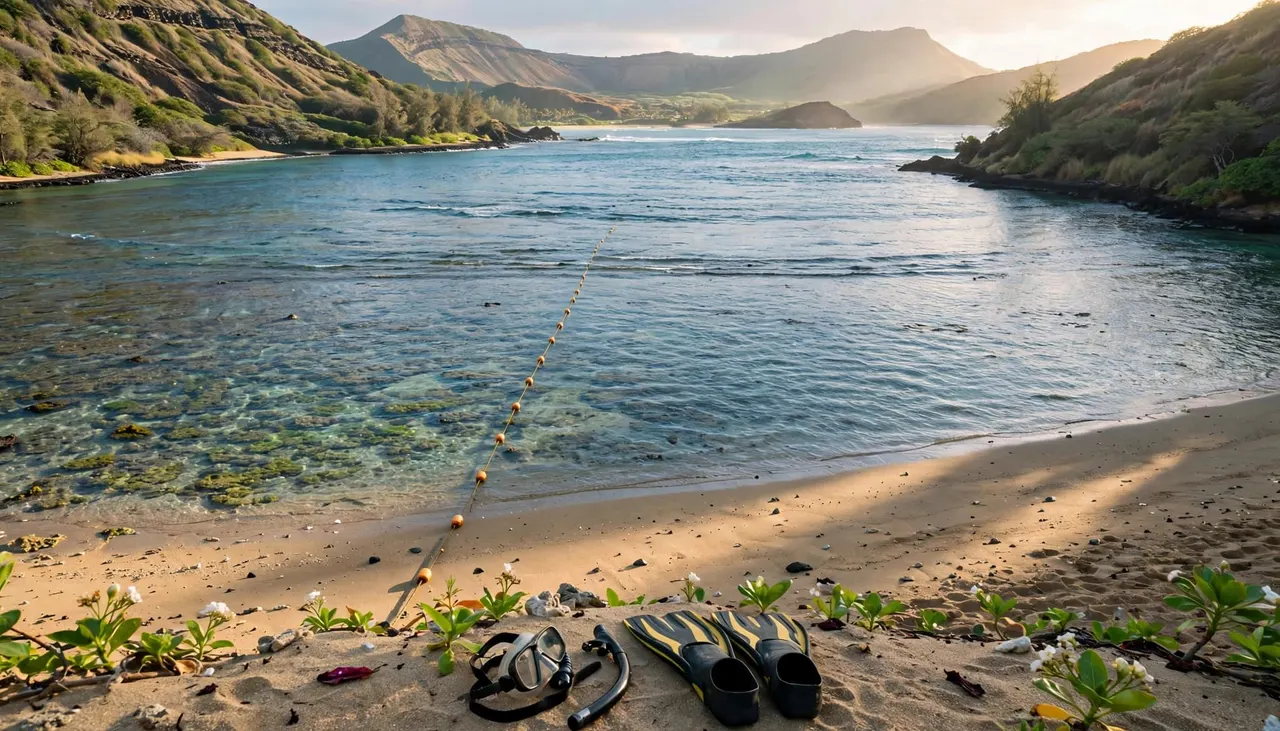
Check the water, not only the forecast
A sunny Waikiki morning doesn’t guarantee clear water or a comfortable swim. Wind, swell, strong shorebreak, and currents matter more than the weather icon.
Hawaii Ocean Safety’s ocean-planning advice explains that calmer winds and bright sunlight can improve visibility. However, a favorable forecast doesn’t replace checking the actual entry and exit.
At Hanauma Bay, follow staff instructions and assess the shoreline conditions. At offshore Turtle Canyons, follow the captain’s and guide’s assessment of the reef.
Neither location guarantees calm, clear water. A good Honolulu snorkeling plan leaves room to shorten the swim or stay dry.
Ask for boundaries you can recognize
Before entering from a boat, ask where you may swim, which ladder you’ll use, and how to request assistance. Confirm what to do if you lose sight of the group.
Identify recognizable features above water, such as your vessel and its boarding area. Don’t rely entirely on underwater landmarks that may disappear.
From shore, choose a legal access point with an exit you can comfortably reach. Ask a lifeguard about conditions where one is available.
Also tell your guide about swimming nerves, a leaking mask, or a child who needs extra support. Adjusting equipment on deck is easier than solving problems after visibility drops.
Choose Guided Support Near Waikiki
Living Ocean Tours departs from Kewalo Basin Boat Harbor, minutes from Waikiki. You can compare its guided ocean tours in Honolulu before choosing an outing for your family’s swimming confidence.
The company describes itself as Oahu’s only tour operator with professional snorkel guides in the water. That support gives you someone to approach about mask fit, flotation, group boundaries, and a return to the boat.
Its Coast Guard-inspected double-decker vessels, Coral Kai and Lokahi, include shaded seating, restrooms, dry storage, and sturdy boarding ladders. These amenities give mixed-experience groups a place to rest between activities.
Professional guidance doesn’t remove ocean hazards or guarantee visibility. During your Honolulu snorkeling briefing, ask how the crew handles changing conditions and whether remaining aboard suits your plans.
If your group wants a turtle-focused reef outing, CHECK AVAILABILITY and confirm participation requirements before booking.
For the company’s broader departure options, use the availability button below.
Key Takeaways for a Visibility Drop
The most useful response is one you can remember without looking anything up:
- Stop exploring when the water becomes murky, surface, and identify your support and return point.
- Alert your guide or lifeguard early, especially if you lose your buddy, feel unwell, or encounter a strong current.
- Exit without chasing clearer water, following wildlife, or standing on coral.
Afterward, tell the crew or lifeguard where the change occurred. That information can help them assess conditions for other swimmers.
Frequently Asked Questions
How much visibility is enough to keep snorkeling?
There’s no single visibility-distance cutoff in the official guidance cited here. Avoid murky water and stop when worsening visibility prevents you from tracking your buddy, boundaries, or return route.
Don’t use another swimmer’s willingness to continue as your safety test. Your ability, equipment, and comfort may be different.
Should you wait in the water for the sand to settle?
End the swim rather than waiting offshore for clearer water. Even if disturbed sand caused the cloudiness, you still need a reliable view and route back.
Once you’re out, ask the crew or lifeguard whether conditions allow another entry. A brief improvement doesn’t give you the full picture.
Can flotation replace swimming ability?
Flotation can help you rest and maintain support, but it doesn’t remove currents, waves, or the need to follow instructions. You should have basic swimming ability before entering open water.
Tell the operator about your experience before booking. If the water or equipment feels wrong on the day, staying aboard remains a sensible choice.
Make a Calm Return Your Priority
When visibility drops, your Honolulu snorkeling plan should become simpler: surface, communicate, and return with support. Clear water elsewhere can wait.
A good reef outing includes knowing when to exit. With your buddy in sight and the crew informed, you can finish the swim without pushing beyond your comfort.


