
Honolulu snorkeling: A Hawaiian Reef Shrimp Field Guide
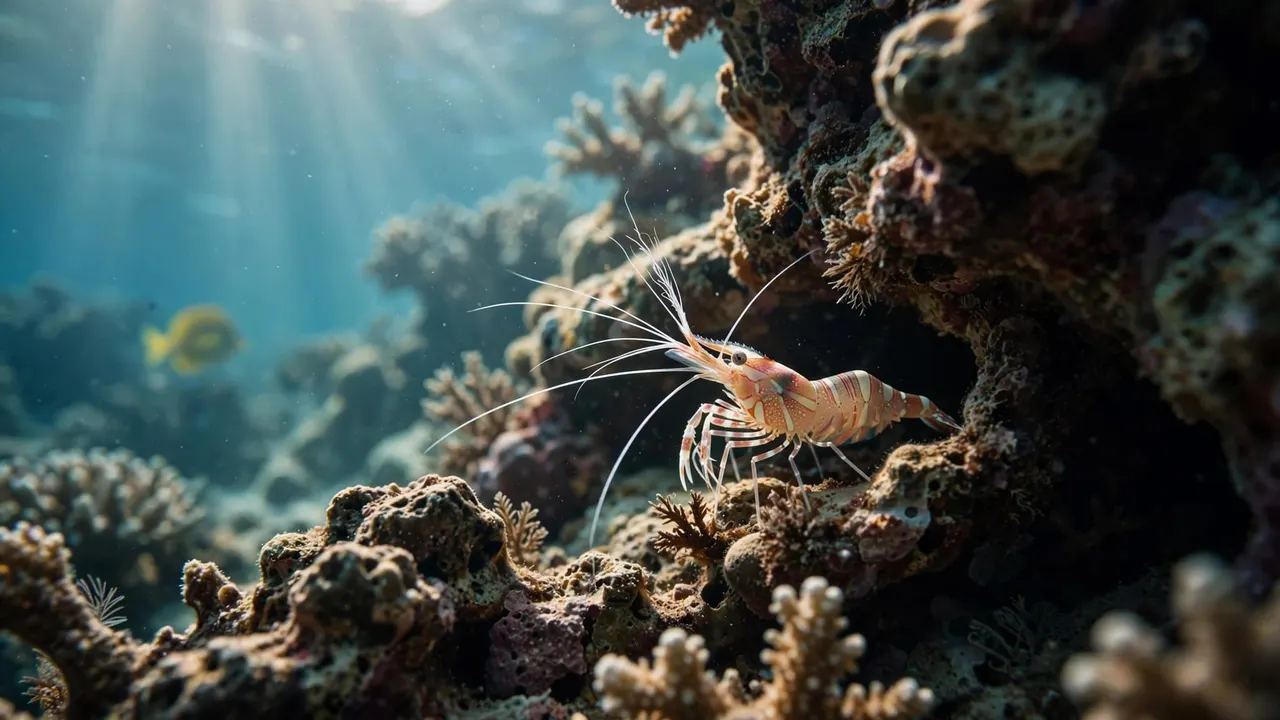
Your most interesting reef sighting may begin with two white antennae poking out of a crack. With Living Ocean Tours near Waikiki, your Honolulu snorkeling day gives you a chance to appreciate the reef’s smaller residents alongside its better-known wildlife.
Shrimp reward patient observation, but their small size and sheltered habits make sightings less predictable than encounters with passing fish. Start by learning which features to recognize and where to look without disturbing their habitat.
Begin With Guided Support Near Waikiki
Living Ocean Tours departs from Kewalo Basin Boat Harbor, minutes from Waikiki. You can settle aboard Coast Guard-inspected double-decker boats with shaded seating, onboard restrooms, dry storage, and sturdy boarding ladders.
The company describes itself as the only tour company with professional snorkel guides. That in-water support helps you adjust your mask, get comfortable with flotation, and keep your fins clear of coral.
Tell the crew about your swimming confidence before entering, especially when you’re traveling with children or first-time snorkelers. Guidance makes reef observation easier, but your comfort and the day’s conditions still determine where you can safely swim.
Shrimp spotting is an added possibility, not a promised tour feature. You can enjoy the reef’s fish and turtles even when its smallest inhabitants remain hidden.
What Honolulu Snorkeling Reveals Beyond Turtles
To find shrimp, shift your attention away from open water and toward the reef’s shaded edges. Look beneath visible overhangs and along cracks while staying at the surface.
White antennae can stand out before you notice a shrimp’s body. Meanwhile, mottled species can disappear against algae and broken coral textures, even when they’re within your view.
A Hawaiian species record doesn’t predict a Honolulu sighting. Some shrimp occupy sheltered places that are difficult to inspect from above. Others become more active after dark, when casual snorkeling requires different skills and precautions.
You also need enough visibility to distinguish markings without approaching the bottom. If water depth or glare prevents a clear view, leave the identification uncertain.
A useful first goal is recognizing a shrimp’s general appearance. Naming every animal to species requires more detail than a brief surface glimpse usually provides.
Identify the Banded Coral Shrimp
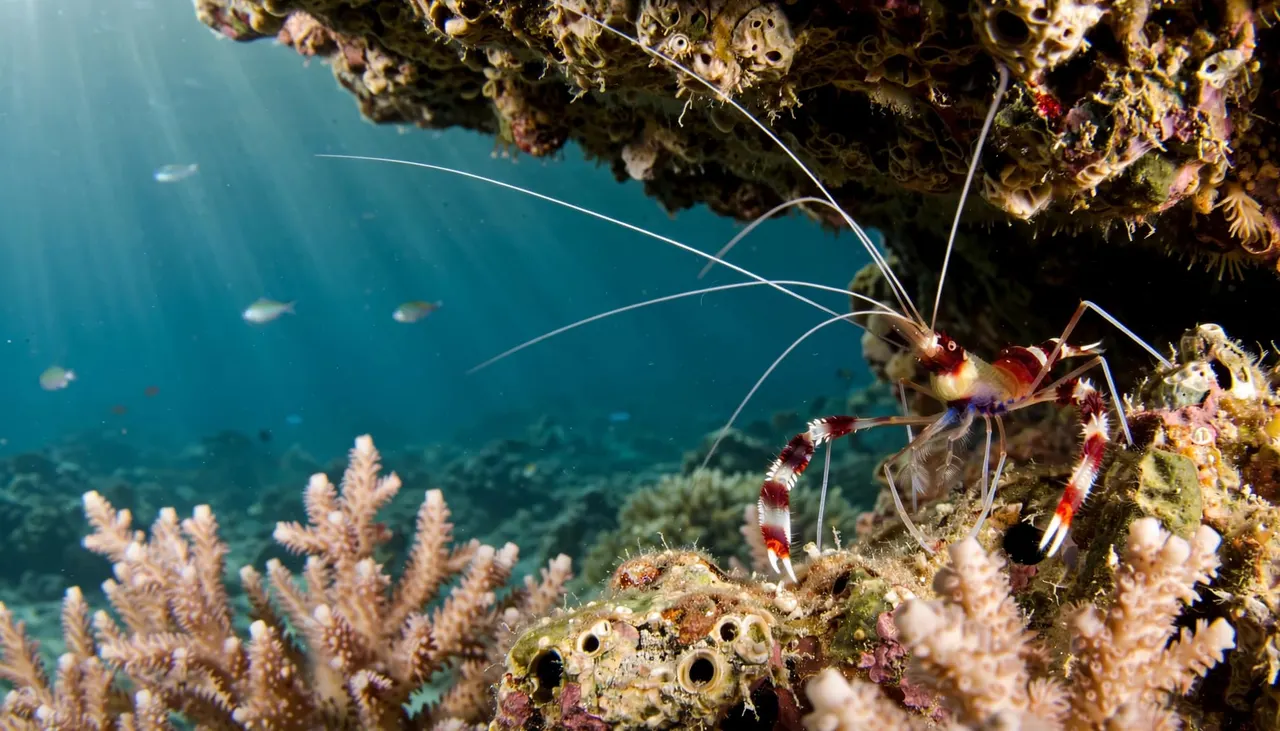
Look for bands, antennae, and enlarged claws
The banded coral shrimp, Stenopus hispidus, is a useful species to learn first. Look for red-and-white bands, long white antennae, and conspicuous enlarged claws.
Its antennae may extend beyond its hiding place while most of the body remains sheltered. However, antennae alone aren’t enough for a confident identification. Try to confirm the banding and claw shape without moving closer to coral.
The University of Michigan’s banded coral shrimp profile describes its appearance, distribution, and cleaning behavior. The species occurs beyond Hawaii, so spotting one doesn’t mean you’ve found an animal unique to the islands.
Search the shaded edge of a shelter
Banded coral shrimp shelter in crevices and beneath overhangs. From the surface, examine ledges you can already see rather than trying to peer inside a concealed hole.
Pause over open water and let your eyes adjust to the darker background. A shrimp may become easier to distinguish once you stop swimming.
Although this species can clean fish, you shouldn’t expect every sighting to include that behavior. You may simply see an animal resting beneath a ledge. Either observation is worth enjoying without coaxing it into view.
Recognize Cleaner Shrimp and Snapping Shrimp
White-stripe cleaner shrimp have a different outline
Hawaiian reef references include the white-stripe cleaner shrimp, Lysmata amboinensis. You can recognize its pale dorsal stripe, red coloring, and long white antennae when the viewing angle is clear.
Unlike the banded coral shrimp, it doesn’t have the same prominent pair of enlarged claws. That distinction helps when both animals initially look like little more than pale antennae against rock.
Cleaner shrimp can remove material from visiting fish. However, don’t assume any fish hovering nearby is receiving a cleaning. Watch for an actual interaction.
You also shouldn’t translate a Hawaiian species listing into an expectation of frequent sightings around Waikiki. Local encounter rates aren’t established by that listing.
Snapping shrimp are often easier to hear than identify
Snapping shrimp belong to the family Alpheidae. Their enlarged claw can produce the sharp snaps that contribute to reef sound.
During Honolulu snorkeling, a snap alone won’t identify a shrimp species. The animal may remain hidden, and several sources of sound can overlap underwater.
Likewise, a hole or burrow doesn’t establish which animal occupies it. If you can’t see diagnostic features, keep your identification at the group level.
Don’t put your fingers into a crevice or move rubble to investigate. A hidden shrimp still belongs in its shelter, whether you can name it or not.
Notice the Reef’s Camouflage Specialists
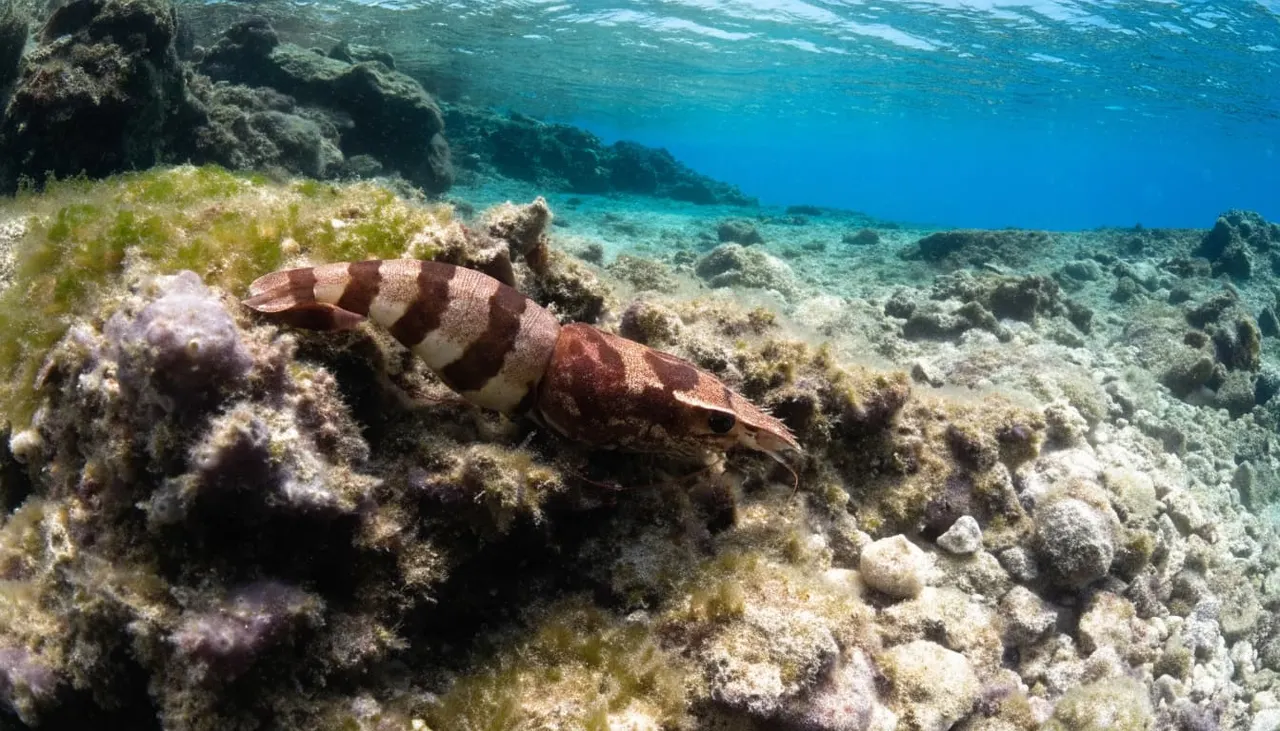
Marbled shrimp blend into textured backgrounds
The marbled shrimp, Saron marmoratus, is another species documented in Hawaiian reef references. Its mottled coloring makes it harder to distinguish against uneven reef surfaces than a boldly banded shrimp.
When you inspect an exposed patch of habitat, look for an outline or movement rather than a bright color. However, don’t mistake every shifting shadow for an animal.
John Hoover’s Hawaiian shrimp photographs and observations offer useful examples of the variety you might study before your trip. Treat those close views as identification references, not a preview of guaranteed snorkeling encounters.
Distinctive species can still be difficult to find
Hawaiian references also list harlequin shrimp, Hymenocera picta, and starry hinge-beak shrimp, Cinetorhynchus hawaiiensis. The latter is associated with finger coral.
Harlequin shrimp have conspicuous markings and an unusual shape, but a distinctive appearance doesn’t make them easy to encounter. Neither species should become an expected item on your Waikiki wildlife list.
If you photograph an unfamiliar shrimp, record what you actually saw: its pattern, shelter, and nearby habitat. Later, compare those details with a reliable reference. A cautious identification is better than attaching an appealing name to an unclear image.
Choose Reef Habitat, Not a Shrimp Guarantee
For Honolulu snorkeling, choose your outing around suitable conditions and accessible reef observation. A sheltered crevice matters little if you can’t view it without fighting current or getting too close to coral.
Turtle Canyons is known for Hawaiian green sea turtles visiting a natural cleaning station. Reef fish can clean turtles there, but that doesn’t establish shrimp cleaning turtle shells as a local observation.
Keep those encounters separate in your expectations. A turtle-focused excursion gives you guided access to reef habitat, not a dedicated shrimp search.
If you choose a shore outing instead, evaluate the entry, exit, visibility, and your swimming ability. Go with a buddy and abandon the plan when conditions exceed your comfort.
Your route back to shore or the boat matters more than any small animal beneath a ledge.
Protect Coral While You Look
Small wildlife can tempt you to move closer than your swimming control allows. Before watching a shrimp, check that you have room to float without touching the bottom.
NOAA’s marine life viewing guidelines advise snorkelers not to touch, kick, or stand on coral. They also advise against touching other animals.
If your mask needs adjusting, move into clear water or use your flotation support. Never brace yourself on the reef.
When a shrimp is too small to identify from a safe position, leave the identification unresolved rather than closing the distance.
Keep your camera within your own swimming space, too. Extending it into a crevice can disturb an animal even when your hands never touch the reef.
NOAA’s hands-off wildlife guidance explains that touching coral can damage its protective surface and introduce bacteria.
Your Honolulu snorkeling photos are worth taking only when you can maintain safe positioning. Leave concealed animals concealed, and never rearrange their habitat for a clearer shot.
Choose Turtle Canyons for Guided Reef Time
For a wildlife-focused Honolulu snorkeling outing, the Turtle Canyons snorkel excursion gives you a guided option near Waikiki’s turtle-cleaning habitat.
Living Ocean Tours reports a 95% turtle-sighting rate for this experience. That figure concerns turtles, not shrimp, and wildlife behavior and ocean conditions still vary.
Your guides provide gear support and instruction, so you can spend more time observing and less time troubleshooting a leaking mask. Tell them when you need help or a break rather than trying to keep up while uncomfortable.
Enjoy any small reef discoveries within the crew’s swimming boundaries. Meanwhile, give turtles room to travel and surface without chasing, touching, or blocking them.
When guided reef time fits your plans, you can CHECK AVAILABILITY for a Turtle Canyons departure.
Key Takeaways for Your Reef Day
- Look for antennae and body markings around visible shaded reef edges, without approaching or reaching into shelters.
- Treat Hawaiian shrimp records as identification possibilities, not promises about what you’ll encounter near Honolulu.
- Choose guided support when you want help with equipment and reef etiquette, while keeping wildlife expectations flexible.
A successful reef outing can include an unidentified shrimp. Careful observation matters more than completing a species list.
Frequently Asked Questions
Can you reliably see shrimp while snorkeling near Honolulu?
You may spot them, but sightings aren’t guaranteed. Small bodies, shaded shelters, water depth, and visibility can all limit what you see from the surface.
Are reef shrimp dangerous to snorkelers?
You don’t need to handle shrimp to observe them. Keep your hands out of crevices and leave all reef animals undisturbed.
Should you snorkel at night to find more shrimp?
Some shrimp are more active after dark, but night snorkeling requires additional preparation and experience. Don’t turn a daytime wildlife search into an unplanned night outing.
Leave With a Sharper Eye for the Reef
Your Honolulu snorkeling experience becomes richer when you notice small details without demanding a close encounter. Learn a few recognizable features, watch visible shelters patiently, and accept uncertain identifications.
Those white antennae beneath a ledge are an invitation to observe. The most rewarding view leaves the shrimp, its shelter, and the surrounding coral undisturbed.


