
Honolulu boat tour: Riding Near a Working Harbor
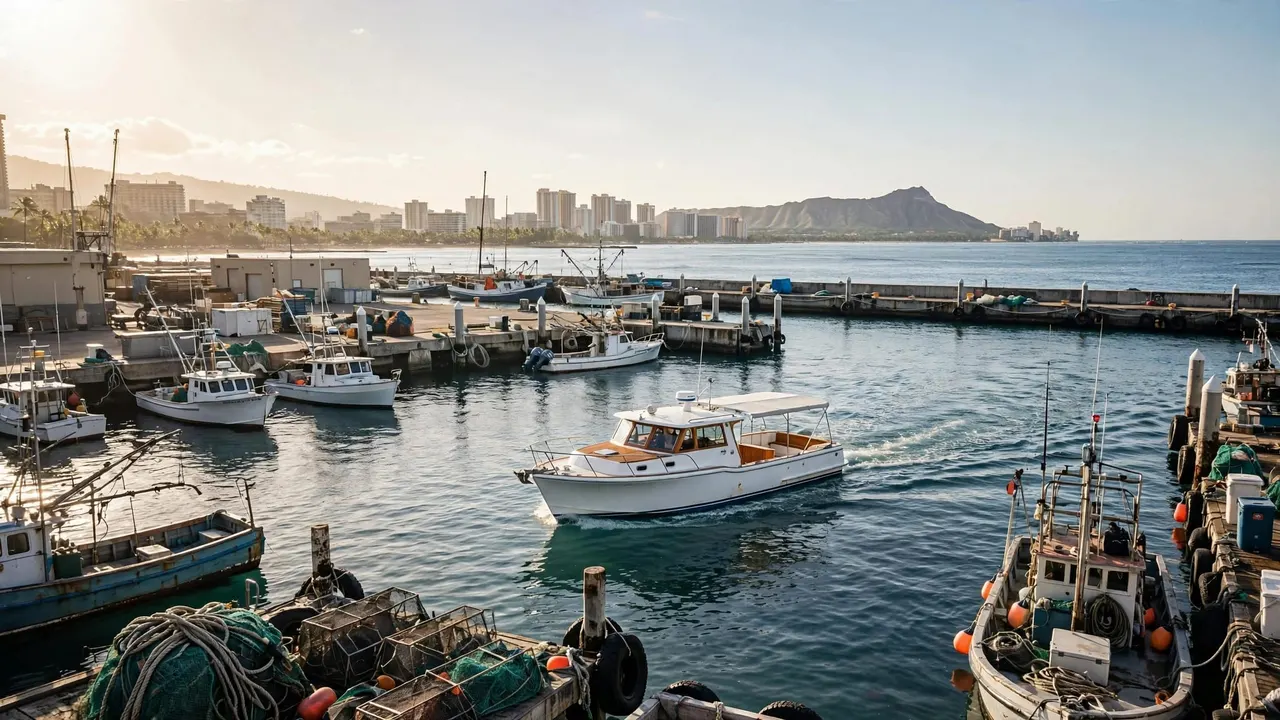
Your ocean adventure starts beside docks, fishing boats, and crews preparing for another day on the water. A Honolulu boat tour with Living Ocean Tours departs from Kewalo Basin Boat Harbor, a separate location from the city’s commercial Honolulu Harbor.
Knowing that distinction helps you reach the right boat and understand the activity around you. Your boarding plan matters as much as your swimsuit or camera.
Start with the correct harbor, then prepare for the transition between protected dockside water and the open Waikiki coast.
Your Honolulu boat tour starts at the right harbor
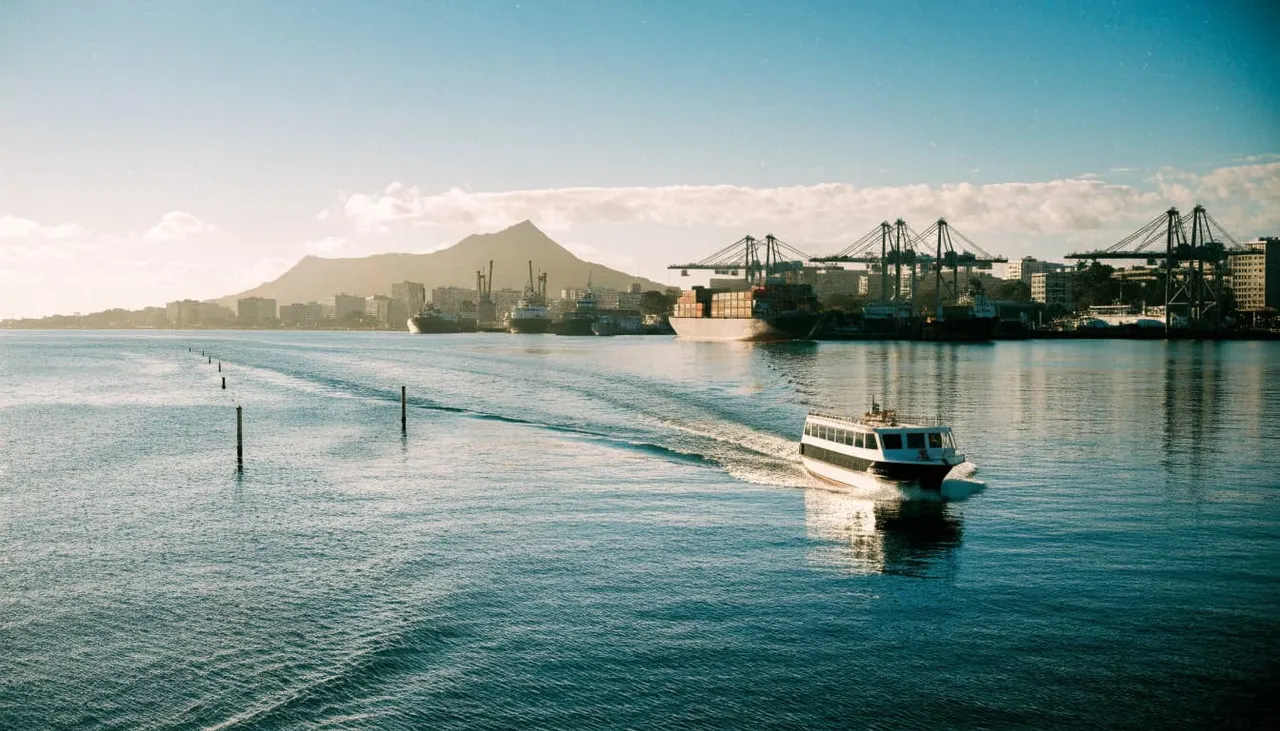
Honolulu Harbor is the commercial port
Honolulu Harbor is one of Hawaii’s nine state commercial harbors, according to the Hawaii Department of Transportation’s harbor information. Cargo operations, passenger ships, and commercial vessel movements shape this waterfront.
However, booking a coastal excursion doesn’t mean you’ll enter that port. Don’t expect a close-up container-ship tour unless your operator expressly offers one.
Large vessels and their supporting operations need room. Your captain handles navigation and decisions about nearby traffic, while you follow passenger instructions. From your seat, you can enjoy the waterfront without needing to interpret shipping movements or channel markers yourself.
Kewalo Basin is your departure harbor
Living Ocean Tours uses Kewalo Basin Boat Harbor in Honolulu’s Kakaako area. It’s near Waikiki, between Ala Moana Beach Park and Kakaako Waterfront Park.
Kewalo also has an active working-waterfront atmosphere. You may see fishing vessels, excursion boats, and crews loading equipment or preparing departures.
Keep those operations separate from your expectations offshore. Your trip starts at Kewalo, but its destination and route depend on the outing and conditions. Neither the harbor name nor a sightseeing description guarantees passage through commercial Honolulu Harbor.
Reach Slip B-01 without rushing
Confirm the address and check-in time
Living Ocean Tours lists its meeting location as 1125 Ala Moana Boulevard, Slip B-01, Honolulu, HI 96814. Check those details against your current reservation before leaving your hotel.
A map pin for Kewalo Basin can bring you to the harbor without bringing you to the boarding area. Save the slip information, confirmation, and operator’s contact number on your phone.
Plan to arrive about 30 minutes before departure unless your confirmation directs otherwise. That buffer covers finding the boat, completing requested waivers, and organizing your group. If two sets of instructions disagree, contact the company before departure day rather than guessing at the dock.
Allow time beyond the drive
A Honolulu boat tour can be close to your hotel while still requiring careful timing. Hotel elevators, rideshare waits, and traffic all consume minutes before you reach the harbor.
If you’re driving, leave time to find parking and follow current signs. Don’t assume a space will be waiting beside your slip.
With a taxi or rideshare, account for the walk between drop-off and check-in. Also, keep your return plans flexible. Booking dinner immediately after the scheduled return leaves little room for disembarking or arranging transportation.
Give the crew room at departure
Board with a free hand
Bring a small bag that closes securely. Loose towels, oversized totes, and phones in your hands make boarding harder when you need a railing.
Wear shoes with grip for the dock, then follow the crew’s footwear instructions aboard. Keep children close without gathering at the gangway before your party is called.
Dock lines can carry tension, so don’t step on, lift, or move them. Also, never jump across a shifting gap between boat and dock. Wait for crew guidance and use available handholds.
Once aboard, ask where to store your belongings. Keeping stairs and walkways clear helps everyone move safely, including guests who need extra assistance.
Expect a controlled harbor exit
The start of your Honolulu boat tour may feel slower than the open-water portion. Before leaving, the crew accounts for passengers, explains procedures, and prepares the vessel.
Listen for instructions about life jackets, seating, stairs, and water-entry areas. If you miss something, ask before the boat moves.
Nearby traffic may require patience or a change in pace. A horn can communicate a maneuver between vessels; it doesn’t automatically mean something is wrong.
If the crew asks you to sit or clear a passage, do that before adjusting your camera. Their directions respond to conditions you may not see.
Prepare for conditions beyond the harbor
Check marine weather, not only sunshine
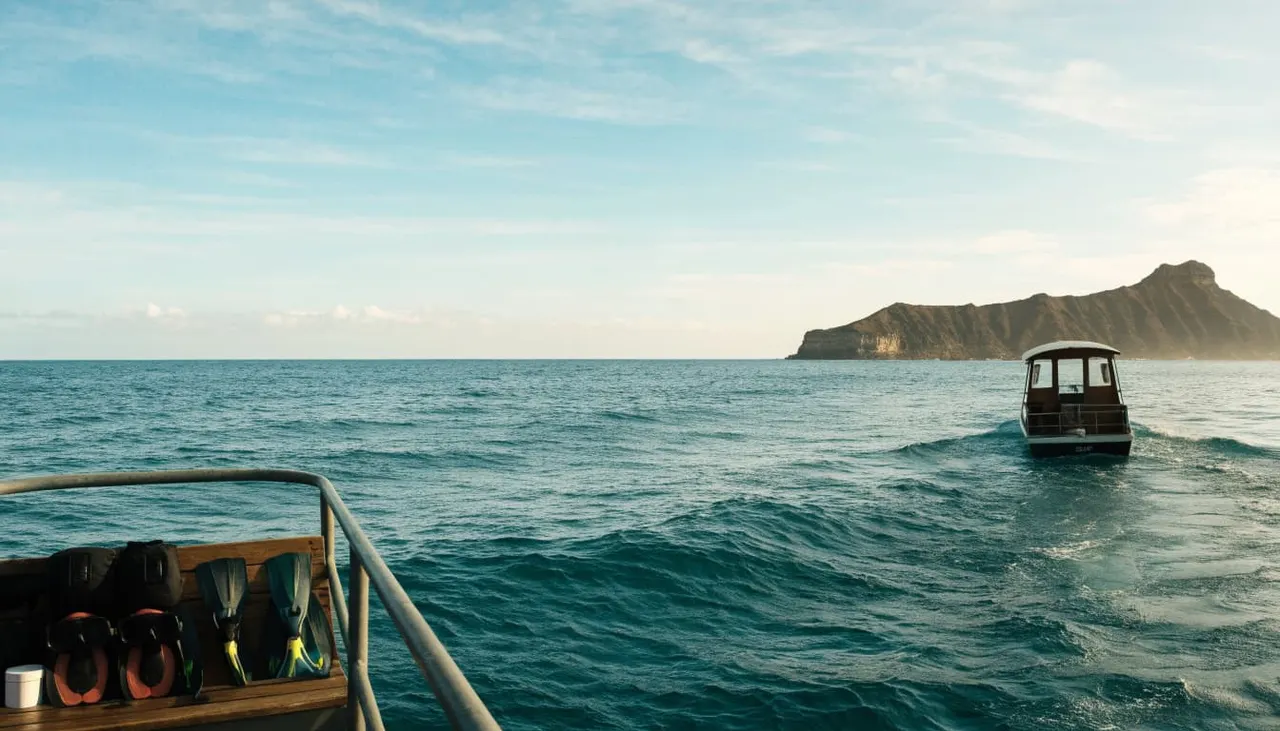
Calm water beside the dock doesn’t tell you how the ride will feel offshore. Wind and swell can change your comfort even under a bright sky.
The Hawaiian Coastal Waters Forecast provides wind, sea, and advisory information that a basic beach forecast may miss. However, your captain also evaluates actual conditions along the intended route.
Expect adjustments when weather, visibility, or traffic calls for them. A different course or delayed departure can be a sensible safety decision. Ask about weather and cancellation policies before booking your Honolulu boat tour, especially if your vacation schedule has little flexibility.
Pack for sun, spray, and motion
For snorkeling, wear your swimsuit and bring a towel and cover-up. For any outing, sun protection, secure sunglasses, and a light layer are useful.
Keep medication you may need accessible. If you’re prone to motion sickness, ask a pharmacist or clinician about an appropriate option before boarding, and follow its directions.
Tell the crew promptly if you feel unwell. Waiting until you’re miserable makes it harder to enjoy the remaining ride. Also, check whether you may bring a water bottle rather than assuming every departure has identical policies.
Choose guidance and comfort for your group
Ask about support in the water
First-time snorkelers benefit from clear equipment instruction and someone available to help in the water. Tell the crew if you’re nervous, unfamiliar with fins, or helping a child.
Living Ocean Tours says it’s the only Oahu tour company with professional snorkel guides. That support gives you a direct point of contact during the swimming portion.
Still, explain your swimming ability honestly. Guides need that information to help you participate appropriately; their presence doesn’t remove the need to follow instructions.
Compare the company’s Honolulu ocean tour options for your group’s interests. For a guided snorkeling departure, CHECK AVAILABILITY and review the current requirements before reserving.
Match boat features to your needs
Living Ocean Tours operates Coast Guard-inspected double-decker vessels, Coral Kai and Lokahi. The fleet offers shaded seating, onboard restrooms, dry storage, and sturdy water-entry ladders.
Lokahi also has a SeaKeeper stabilization system that helps reduce side-to-side rolling. However, it doesn’t eliminate ocean motion or guarantee freedom from seasickness.
Ask which vessel is assigned if a feature affects your decision. Likewise, discuss boarding assistance before booking if someone has mobility concerns.
For families, comfort includes room to settle children and organize belongings. Couples who prefer staying dry can choose deck-based sightseeing rather than an outing centered on swimming.
Enjoy the coastline without crowding wildlife
Look back toward Honolulu
When your route follows the shoreline toward Waikiki, look back after clearing Kewalo Basin. The distance offshore helps you see how the waterfront connects.
Waikiki’s beachfront buildings form a broad skyline, while Diamond Head, also called Leahi, rises beyond them. Depending on your position, you may also see the area around Ala Wai Small Boat Harbor.
Take photos from a secure position rather than leaning over rails. If you’re moving between decks, put your phone away and use the handrail. You’ll have a better chance of enjoying the view when you’re not balancing loose belongings.
Give animals room to choose their path
A Honolulu boat tour offers access to marine habitat, but wildlife remains unpredictable. Sightings depend on animals, conditions, and the outing you choose.
NOAA’s Hawaii marine wildlife viewing guidelines recommend staying at least 10 feet from sea turtles. Federal law also prohibits approaching humpback whales within 100 yards in Hawaiian waters.
Follow the crew’s directions if an animal moves nearby. Never touch, chase, feed, or block its path.
During snorkeling, avoid standing on coral or kicking the reef. Watching natural behavior at a respectful distance protects the encounter for both you and the animal.
Key takeaways for a smoother departure
- Use your current confirmation to verify Kewalo Basin, Slip B-01, and the required check-in time.
- Allow about 30 minutes before departure unless your reservation gives different instructions.
- Keep hands available for boarding and leave dock lines, gangways, and crew work areas clear.
- Prepare for offshore motion even when harbor water looks calm.
- Choose guidance and boat amenities around your group’s needs, then give wildlife space throughout the outing.
Frequently asked questions
Will you board at Honolulu Harbor or Waikiki Beach?
For Living Ocean Tours, your boarding point is Kewalo Basin Boat Harbor. It isn’t the commercial Honolulu Harbor or a pickup directly on Waikiki Beach. Use the full address and slip from your confirmation, and allow time to reach the meeting area after arriving at the harbor.
Can you assume the boat will follow a fixed route?
Your captain may adjust the route for wind, swell, visibility, nearby traffic, or passenger safety. Coastal landmarks can help you understand where you’re traveling, but they don’t guarantee a particular course. If a destination is important to your booking, ask what the operator promises and what depends on conditions.
Start your ocean day with a clear harbor plan
A rewarding Honolulu boat tour begins with the correct meeting point and an unhurried arrival. Knowing the difference between Kewalo Basin and Honolulu Harbor removes an avoidable source of confusion.
Then let the crew handle navigation while you follow instructions, settle into the ride, and enjoy the coast. Your best preparation is practical: arrive ready, keep the dock clear, and give the ocean and its wildlife room.


