
Honolulu boat tour: Coastal History From the Water
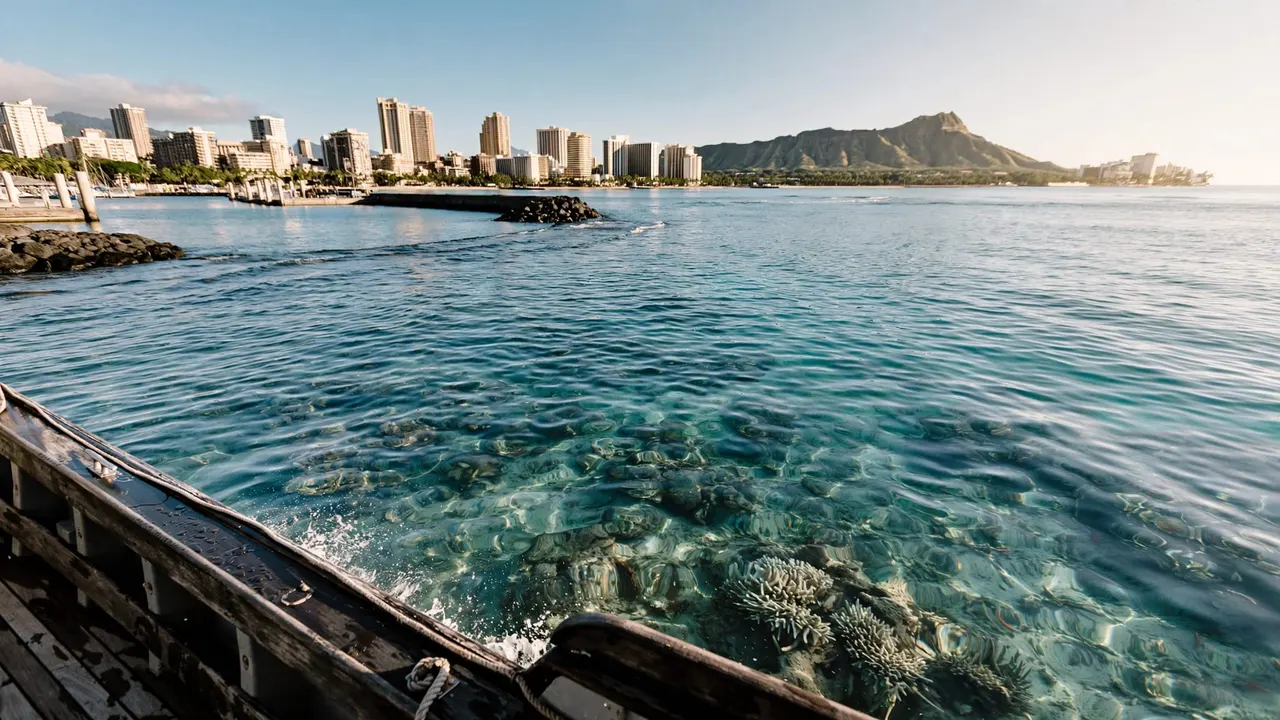
Your Honolulu boat tour with Living Ocean Tours puts Waikiki’s beaches in a wider frame, one shaped by voyaging, fishing, royal residences, and waterfront development. Beyond the hotels, you can read a much older coastline in the reefs, harbor entrances, and volcanic ridges.
Seeing that history takes more than recognizing Diamond Head or photographing the skyline. Start with the shoreline’s geography, then connect what you see with the Hawaiian communities and maritime activity that shaped it.
Key Takeaways for Your Coastal Cruise
- Living Ocean Tours departs from Kewalo Basin Boat Harbor, which is separate from commercial Honolulu Harbor.
- Waikiki’s resort shoreline replaced a landscape that included wetlands, fishponds, and agricultural areas.
- Coastal views provide historical context, but a scenic cruise doesn’t automatically include a narrated history tour.
- Your captain determines the route, while you help protect the coast by giving wildlife space.
What your Honolulu boat tour reveals
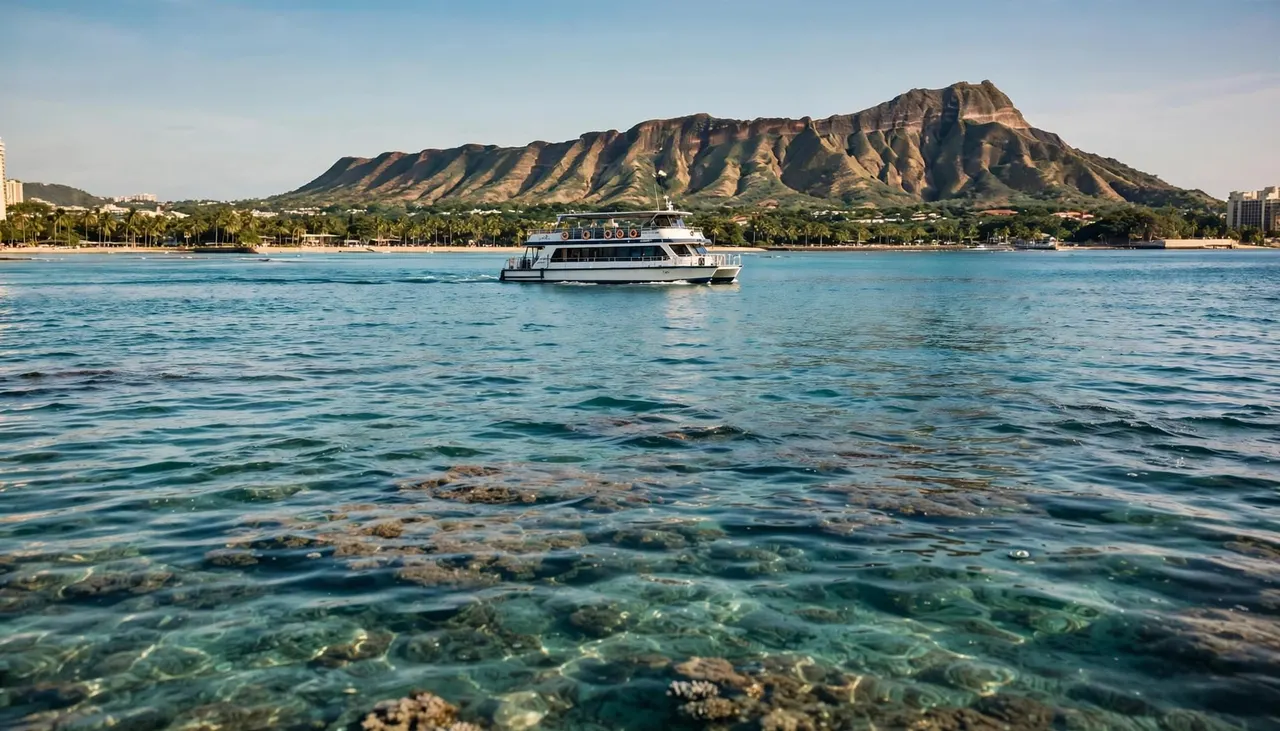
Kewalo Basin and Honolulu Harbor are different places
At Kewalo Basin, you begin among fishing vessels, recreational boats, and excursion crews. That working-waterfront setting gives your outing a connection to Honolulu’s maritime life before you leave the dock.
Living Ocean Tours operates from this harbor near Waikiki. You can compare its Honolulu ocean tour options before choosing your outing.
Commercial Honolulu Harbor is a separate port used by cargo vessels and passenger ships. If you’re arriving aboard a cruise ship, don’t assume your coastal excursion boards beside your ship.
Follow the shoreline toward Diamond Head
Once offshore, look for Ala Moana, the entrance to Ala Wai Small Boat Harbor, and Waikiki’s curving beachfront. Farther east, Diamond Head gives you a recognizable reference point.
The distance between these landmarks becomes easier to understand from the ocean. Meanwhile, reef patches and surf breaks reveal features that hotel entrances and busy streets hide.
Your Honolulu boat tour may provide these views, but wind, swell, traffic, and visibility determine the course. Treat landmarks as orientation points rather than promised stops.
Hawaiian voyaging and coastal food systems
The ocean connected island communities
Before modern roads and commercial harbors, ocean travel connected Hawaiian communities. Canoes carried people and goods along island shores, while longer voyages required knowledge of stars, winds, swells, and birds.
You can connect that tradition with Hōkūleʻa, the double-hulled voyaging canoe that sailed to Tahiti in 1976 using traditional navigation. That voyage helped renew public interest in Polynesian wayfinding.
As you watch the horizon, consider how much information experienced navigators could read without electronic instruments. Today’s tour crews use modern equipment, yet weather, waves, and coastal landmarks still demand close attention.
Fishponds made the shoreline productive
Hawaiian coastal communities also managed food resources through fishponds, known as loko iʻa. These systems linked practical engineering with careful observation of water and fish behavior.
For a broader example, Navy Region Hawaii’s account of Pearl Harbor’s fishpond history notes that more than 20 ancient Hawaiian fishponds once lined its shores.
Pearl Harbor is separate from the usual Waikiki coastal outing. However, that history helps you understand why an island shoreline was a source of food and transportation long before it became a vacation backdrop.
Waikiki before the resort skyline
Kālia and the royal shoreline
When you look toward western Waikiki, you’re viewing an area with a history that today’s buildings don’t fully reveal. Kālia once belonged to a broader coastal landscape of fishponds, wetlands, and freshwater connections.
The Hawaii Department of Land and Natural Resources’ Kālia historical report describes Hawaiian royalty maintaining homes in Waikīkī over a 400-year period.
That royal connection matters when you look at the beach. Waikiki’s appeal to visitors followed a much longer history of Hawaiian residence and recreation.
On a Honolulu boat tour, you can appreciate the shoreline’s broad shape without mistaking today’s seawalls, sand, and towers for an unchanged coast.
Hotels and drainage changed the view
Waikiki’s visitor economy expanded during the early 20th century. The Moana Hotel opened in 1901, followed by the Royal Hawaiian Hotel in 1927.
These landmarks help you place the resort skyline in time. Their beachfront locations also show why the ocean remained central as tourism grew.
Construction of the Ala Wai Canal in the 1920s changed drainage and helped make more land available for development. As hotels, roads, and homes spread, much of the earlier wetland landscape disappeared.
From offshore, you see the result of those changes at once. The dense beachfront contrasts with the open Pacific and the older volcanic landform beyond it.
Kaka’ako and the working waterfront
A Honolulu boat tour also gives you a useful angle on the waterfront west of Waikiki. Around Kewalo Basin and Kaka’ako, recreation sits beside a history of fishing, maritime work, and urban development.
You don’t need to identify every building to notice the difference. Harbor entrances, seawalls, and boat slips have different purposes than the resort beaches farther east.
The Honolulu waterfront master plan, published as a 1989 pre-final report, recorded 159 acres of state-owned land in the Kaka’ako subarea. That figure belongs to the historical plan, rather than a current land inventory.
The report helps place the shoreline within a larger story of public land and competing waterfront uses. Fishing access, commerce, recreation, and redevelopment all require space beside the ocean.
Before boarding, observe harbor activity from public areas. Keep clear of crew workspaces and don’t enter docks that aren’t open to visitors. A working harbor offers plenty to notice without interrupting someone’s day.
Reefs and turtles are part of the living coast
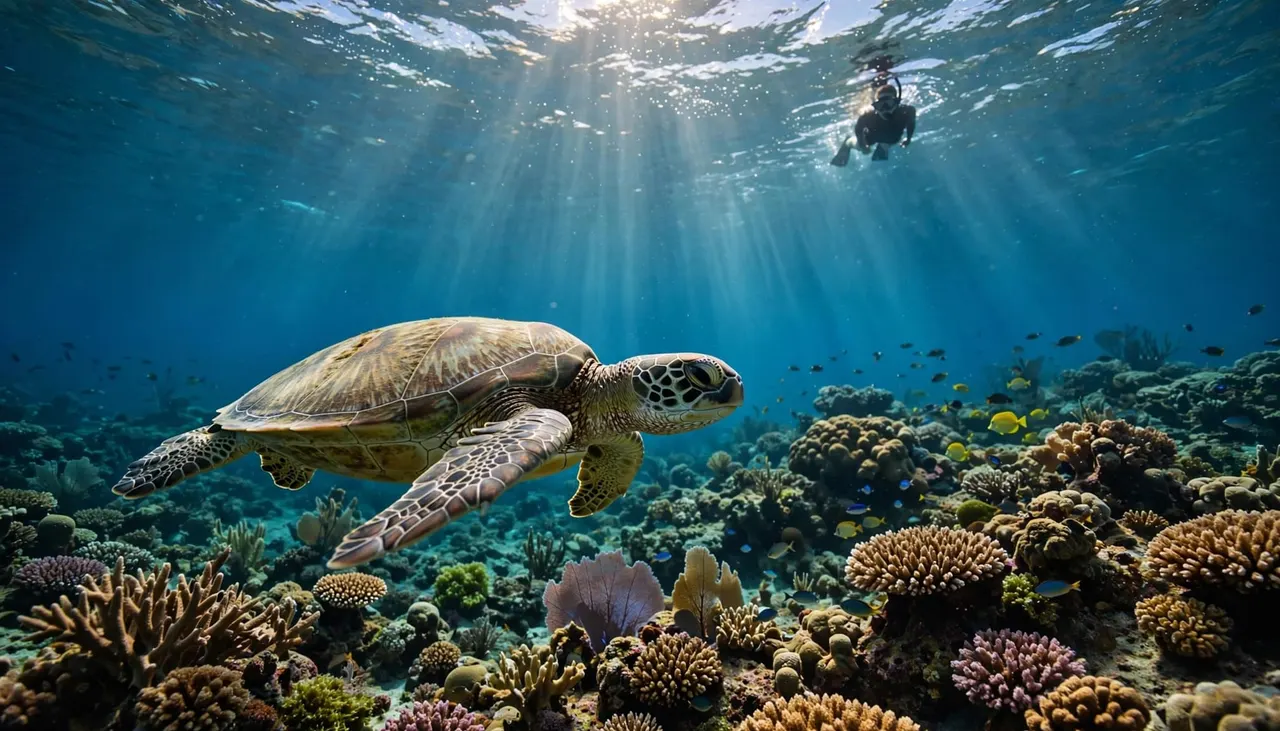
Coastal history continues below the surface. Reefs influence where waves break, where boats can travel, and where marine animals find food and shelter.
If you choose an outing with snorkeling, you gain another perspective on that shoreline. At Turtle Canyons, Hawaiian green sea turtles visit a natural cleaning area where reef fish remove material from their shells and skin.
Wildlife remains unpredictable, so don’t build your expectations around a guaranteed encounter. Instead, let your guides help you notice fish behavior, reef structure, and the movement of animals through the water.
Observe without touching. Give turtles room to swim and surface, avoid standing on coral, and never feed marine life.
Your actions also matter when taking photographs. Stay aware of your position rather than swimming closer for a better frame. If a turtle approaches, remain calm and leave its path open.
For families, this creates a lesson children can practice immediately: watching an animal’s natural behavior is more rewarding than interrupting it.
Choose a boat experience that fits your interests
Prioritize coastal views when history comes first
Choose your Honolulu boat tour around what you most want to experience. If shoreline history is your main interest, prioritize time aboard and clear views of the coast.
Daylight helps you distinguish harbor entrances, reef colors, and beachfront landmarks. An evening outing offers softer light, although coastal details become harder to identify as darkness falls.
Before booking, ask whether the crew provides historical commentary. Living Ocean Tours’ ocean excursions combine scenery with recreation, but you shouldn’t assume every departure is a dedicated heritage tour.
If narrated coastal history is essential, confirm that feature before booking. A view of a historic place doesn’t guarantee an explanation of its past.
Consider guidance and onboard comfort
If your family also wants time in the water, consider the support available to beginners. Living Ocean Tours identifies itself as Honolulu’s only tour company with professional snorkel guides.
Its Coast Guard-inspected, double-decker vessels, Coral Kai and Lokahi, provide shaded seating and onboard restrooms. These amenities make a difference when you’re traveling with children or spending time offshore.
Lokahi also has a SeaKeeper stabilization system that helps reduce rolling. Confirm your assigned vessel if that feature matters, and remember that stabilization doesn’t eliminate seasickness.
When you’re ready to choose an outing, check the current booking calendar and departure details.
Prepare for the harbor and open water
Before your Honolulu boat tour, read the confirmation for your meeting point, check-in time, and assigned slip. Living Ocean Tours lists its address at 1125 Ala Moana Boulevard, but reaching the harbor entrance isn’t the same as reaching your boat.
Allow time for transportation, parking, and the walk to check-in. If you’re visiting from a cruise ship, also leave a comfortable return buffer before your ship’s all-aboard deadline.
Pack around the outing you’ve booked:
- Bring sun protection and sunglasses for exposed deck areas.
- Carry a light layer because offshore wind can feel cooler than the beach.
- Use a secure strap for your phone or camera.
- Add a swimsuit and towel only when your excursion includes water time.
If you’re prone to motion sickness, discuss prevention with a healthcare professional before departure. Calm harbor water doesn’t tell you how the ride will feel offshore.
During boarding, keep your group together and leave gangways clear. Once underway, follow crew instructions about seating and movement. That preparation lets you spend more attention on the shoreline instead of last-minute logistics.
See Honolulu’s coast with more context
A Honolulu boat tour gives you space to connect the modern skyline with the coast’s longer history. Royal residences, food systems, maritime work, and tourism all belong to that story.
Choose an outing that matches your interests, and confirm historical narration if you want it. Then bring the same respectful attention to the harbor, the shoreline, and the wildlife you encounter.
The view becomes more meaningful when you understand what lies beyond the beach.


