
Heat Exhaustion Snorkeling: Oahu Warning Signs
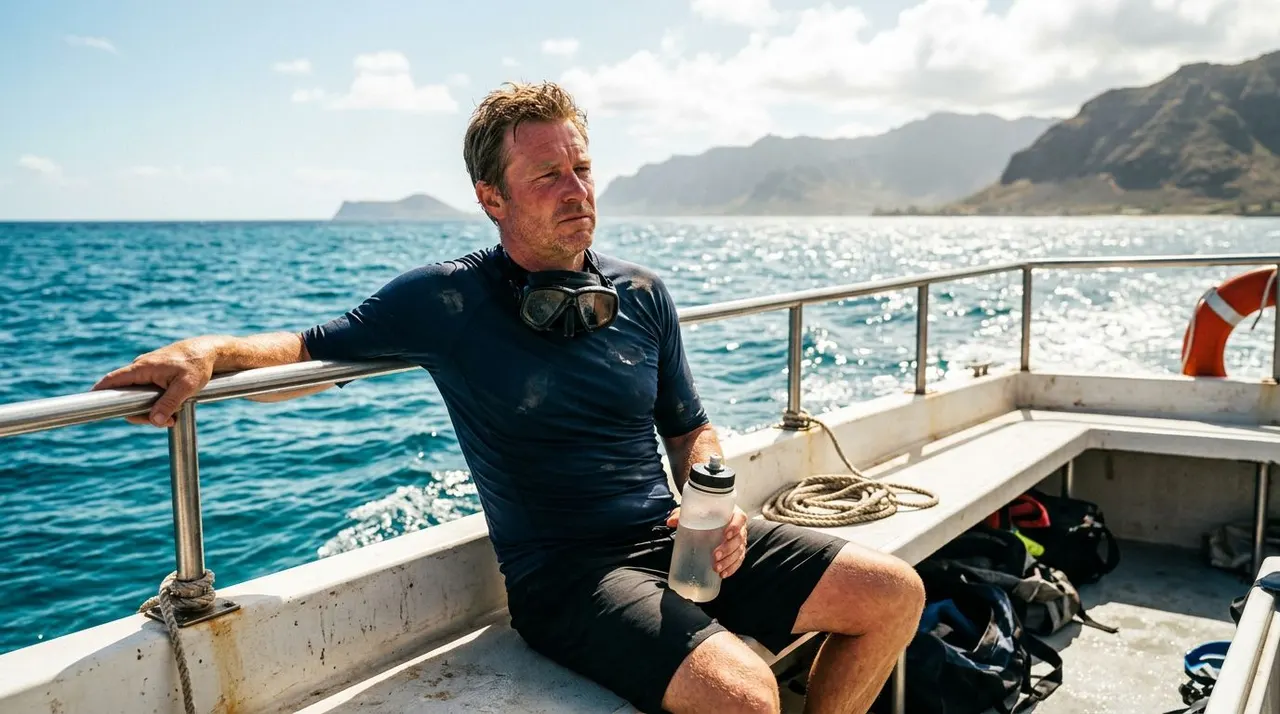
The Pacific can feel wonderfully cool while the sun steadily drains your energy. Heat exhaustion snorkeling safety matters because water can hide how hot, thirsty, and overworked you have become.
On Oahu, bright sun reflects off the ocean, trade winds can mask sweat, and a swim back to the boat takes more effort than you may expect. If you notice warning signs early, you can rest, cool down, and protect the rest of your day.
Knowing what your body is telling you starts before you put on a mask.
Heat Exhaustion Snorkeling: Why Oahu Raises the Risk
Snorkeling does not erase heat stress. You can lose fluids while riding to the reef, sitting on a sunny deck, swimming against a current, and climbing a ladder back onto the boat.
Saltwater spray and a refreshing breeze can make the heat feel less intense. However, your body still works hard to cool itself.
A breeze can hide dehydration
Wind moves sweat off your skin before you notice it. Meanwhile, sun exposure on open water reaches your face, neck, shoulders, and legs without much relief.
You may also miss early thirst because you’re focused on turtles, reef fish, or your next breath through the snorkel. Drink water before you feel thirsty, especially after a warm walk to the harbor or time on an uncovered deck.
Swimming adds physical effort
Finning, treading water, clearing a mask, and returning to the boat raise your heart rate. A mild current can turn a relaxed swim into a workout.
Risk rises if you skipped breakfast, drank alcohol the night before, have a sunburn, or take medication that affects heat tolerance. If that applies to you, tell a crew member before entering the water.
Recognize the Early Symptoms Before They Build
Heat exhaustion rarely begins with one dramatic symptom. More often, you feel a stack of smaller problems that seem easy to ignore.
The National Weather Service heat illness guidance lists heavy sweating, weakness, dizziness, headache, nausea, muscle cramps, and cool, clammy skin among the common warning signs.
Notice the symptom cluster
A single tired moment after snorkeling may be normal. Several symptoms together deserve immediate attention, especially after direct sun exposure.
Watch for:
- Heavy sweating that continues when you stop swimming.
- A weak, shaky, or unusually tired feeling in your arms and legs.
- Dizziness when you stand, sit up, or climb the boat ladder.
- Headache, nausea, stomach discomfort, or a sudden loss of appetite.
- Muscle cramps in your calves, feet, hands, or abdomen.
- Cool, pale, or damp skin despite the hot conditions.
- A fast, weak pulse or a feeling that your heart is racing.
Tiredness should improve with a brief rest
Normal exertion eases when you float calmly, rest in shade, and drink water. Heat exhaustion keeps pressing in. You may feel worse when you stand up, move faster, or return to direct sun.
Don’t try to push through because you don’t want to miss wildlife. The reef will still be there. Your next safe decision is to stop, speak up, and cool down.
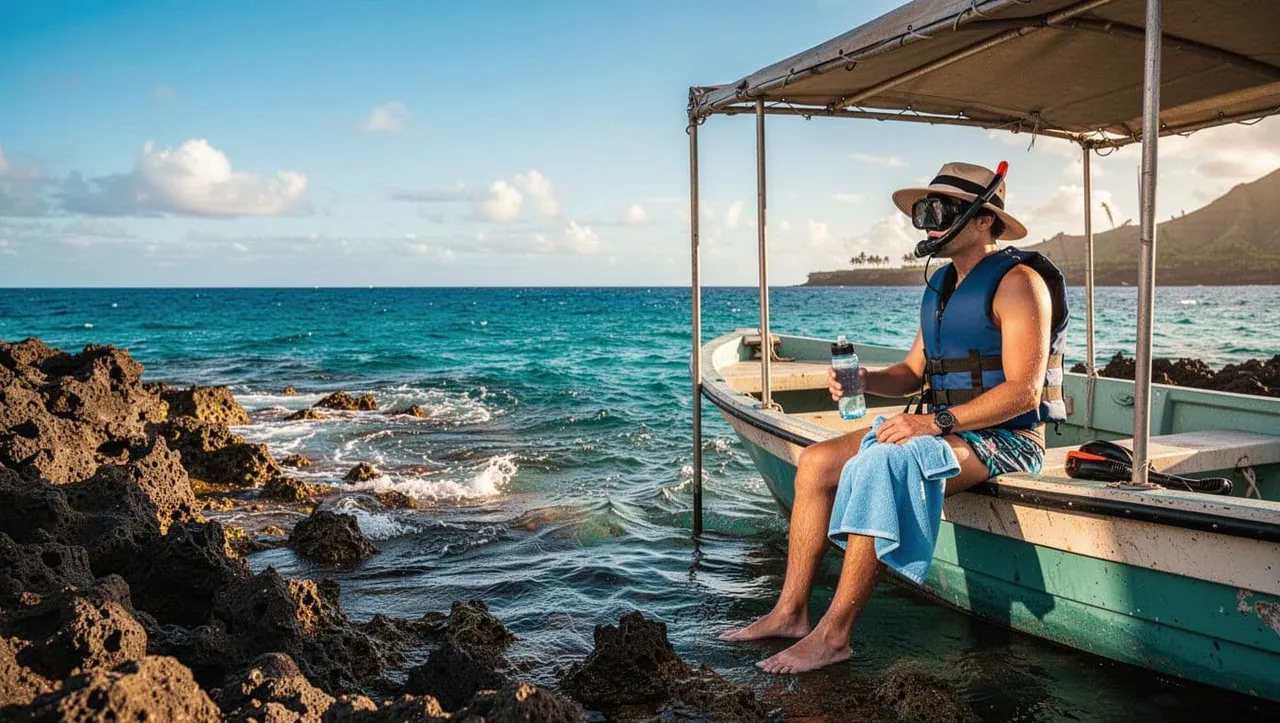
Signs You May Notice While Still in the Water
In the water, heat symptoms can feel confusing. A foggy head may seem like mask discomfort. Weak legs may seem like ordinary fatigue. Therefore, pay attention to sudden changes in how confident and coordinated you feel.
Your heat exhaustion snorkeling plan should always include an easy way to signal your buddy or guide.
Look for changes in focus and movement
If you struggle to follow simple instructions, forget where the boat is, or feel unusually anxious, stop swimming farther from the group. A headache behind your eyes, nausea when you put your face down, or cramps while finning can also be early clues.
You may notice that your breathing feels rushed even after you slow down. That feeling can have several causes, so treat it seriously and tell someone rather than guessing.
Exit the water early
Turn toward the boat or shore as soon as symptoms start. Stay close to your buddy, use a flotation device if offered, and avoid a fast solo swim.
Once you reach the ladder, move slowly. Sit down as soon as you are safely aboard. Removing fins and a mask can wait until you are stable and supported.
What to Do When Symptoms Start on the Boat
Heat exhaustion needs prompt action, not a wait-and-see approach. Tell a crew member or your travel companion exactly what you feel, including dizziness, nausea, cramps, or a headache.
The Mayo Clinic’s heat exhaustion first-aid steps center on rest, cooling, and fluids for a person who is awake and able to drink.
Cool your body in a safe order
- Move into shade or an air-conditioned cabin, then sit or lie down.
- Loosen extra clothing and use cool, wet towels or airflow to lower your temperature.
- Take small, steady sips of water or an electrolyte drink if you are fully alert.
- Stay out of the water and out of direct sun until you feel clearly better.
Do not give drinks to someone who is confused, fainting, or unable to swallow safely. OSHA’s heat illness first-aid guidance also warns that worsening symptoms need medical care.
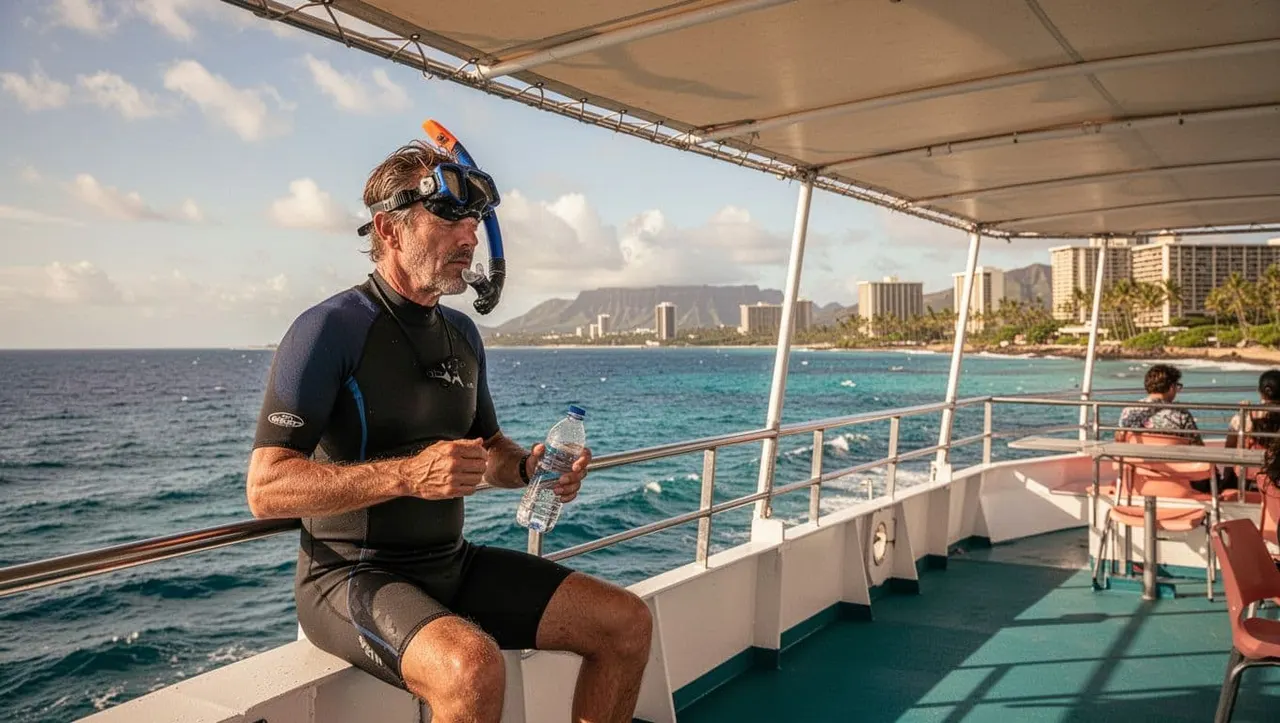
Know When Heat Exhaustion Becomes an Emergency
Heat exhaustion can progress to heat stroke. Heat stroke is life-threatening and needs emergency medical help right away.
Do not wait for someone to have every possible symptom. A person with heat stroke may have hot skin, a severe headache, a rapid pulse, confusion, poor coordination, or loss of consciousness. Some people still sweat, so dry skin is not a reliable all-clear sign.
Call for emergency help with these red flags
Call 911 if you or someone else faints, becomes confused, has a seizure, cannot drink, has trouble walking, vomits repeatedly, or does not improve after cooling and rest. Crew members can begin their emergency procedures while help is arranged.
Confusion after sun exposure is an emergency warning sign, even if the person is still awake and sweating.
The American Red Cross heat exhaustion guidance also identifies fainting and an inability to stand as signs that require urgent care.
Prevent Heat Stress Before You Board
A good morning routine reduces your risk more than any last-minute fix. Start drinking water well before departure, then eat a light meal with carbohydrates and protein.
Avoid arriving dehydrated after alcohol, a long flight, or a hard workout. If you have a health condition or take prescription medication, ask your clinician or pharmacist how heat may affect you.
Dress and pack for the sun
Wear a rash guard or sun-protective cover-up, a brimmed hat for the boat ride, and sunglasses when you are not snorkeling. Reapply sunscreen as directed, and keep a dry towel available for shade breaks.
Check the forecast and ocean conditions on the morning of your trip. If you feel unwell before boarding, rescheduling is smarter than hoping the ocean will make you feel better.
Use shade as part of your snorkel routine
Take water breaks before and after each swim. Choose a shaded seat when possible, and don’t spend the entire ride standing in direct sun for photos.
You should also tell a guide if you are prone to motion sickness, cramps, or dizziness. Clear communication helps the crew support you before a small issue becomes a serious one.
Choose a Guided Oahu Snorkel Trip With Support
A guided boat trip gives you a practical safety advantage: you have people nearby who know the route, can watch water conditions, and can help you exit the water if you need a break.
Waikiki turtle snorkeling tours with Living Ocean Tours depart from Kewalo Basin Boat Harbor, close to Waikiki. Living Ocean Tours is the only tour company with professional snorkel guides, so you have trained in-water support alongside gear, instruction, shaded seating, restrooms, and sturdy entry ladders.
If you start to feel overheated, tell the crew before you reach the point of exhaustion. You can rest in the shade, rehydrate, and decide whether your body is ready for any more time in the water.
For a guided turtle snorkel outing, you can also CHECK AVAILABILITY before your preferred date fills.
Keep Your Oahu Snorkel Day Comfortable
Heat exhaustion does not mean you failed to handle the ocean. It means your body needs shade, cooling, fluids, and time before the symptoms get worse.
The best snorkeling days leave room for breaks. When you recognize early signs and alert the crew quickly, you protect your health and keep your ocean memories safe and joyful.


