
Healing Tattoo Snorkeling: Is It Safe on Oahu?

You shouldn’t snorkel on Oahu with a tattoo that’s still healing. Wait until your skin is fully healed before snorkeling, even when the ocean looks clear and calm.
At Living Ocean Tours, we want you to enjoy the reef without putting a recovering tattoo at risk. A waterproof dressing, rash guard, or short swim doesn’t remove that concern. Start with your skin’s condition before deciding when to enter the water.
Key Takeaways
- Wait until your tattoo is fully healed before snorkeling, swimming, or soaking it.
- Scabs, peeling, drainage, open areas, or lingering tenderness mean you should postpone.
- Waterproof coverings don’t make an unfinished healing process safe for ocean immersion.
- Seek medical care for spreading redness, worsening pain, pus, fever, or chills.
You can still enjoy your Oahu vacation while protecting your tattoo. Planning ocean activities before a tattoo appointment gives you more flexibility.
Why healing tattoo snorkeling carries extra risk
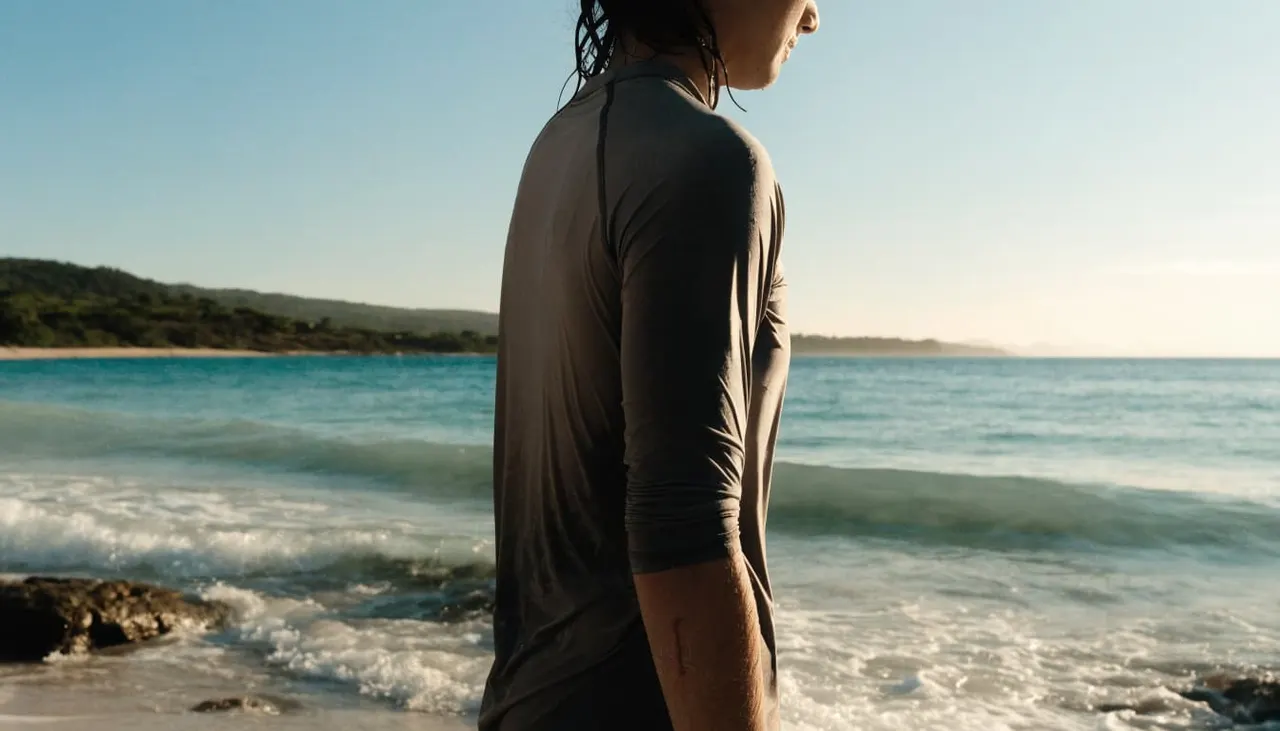
Seawater can expose damaged skin to bacteria
Tattooing creates many small breaks in your skin. Until those areas close and recover, your skin’s protective barrier remains compromised.
Clear water isn’t sterile water. As the tattoo-care brand Stories & Ink explains in its guidance on swimming with new tattoos, open water brings a risk of bacterial infection.
A quiet reef, uncrowded beach, or gentle current doesn’t change whether your tattoo has healed. Your decision needs to follow your skin’s recovery.
Soaking and friction add irritation
Snorkeling involves prolonged immersion. Soaking can soften healing skin and loosen scabs before they’re ready to fall away.
Meanwhile, swimsuit seams, flotation equipment, and wet clothing can rub the tattoo. Sand and towel friction may add irritation afterward.
A rash guard helps cover your skin against sunlight, but water passes through it. It isn’t a waterproof barrier for a fresh tattoo.
How to Tell Whether Your Tattoo Has Healed
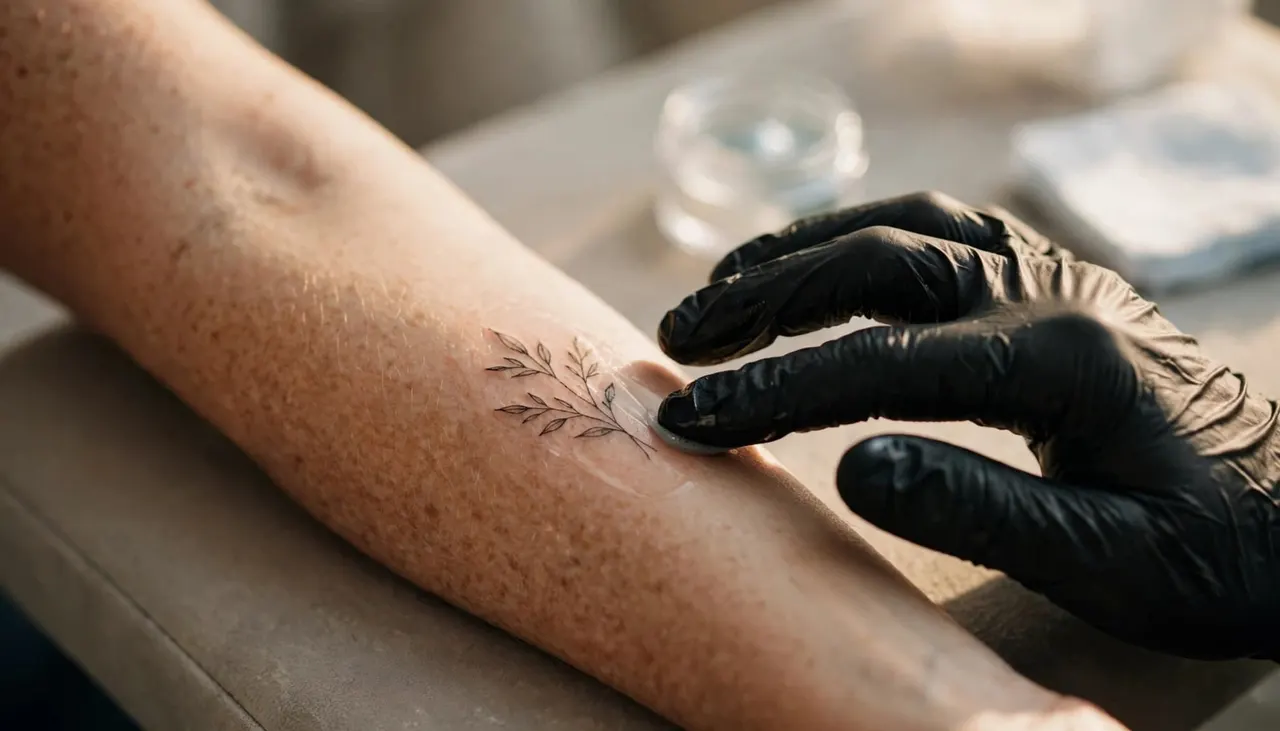
Let recovery, rather than the calendar, decide
Treat any healing tattoo snorkeling timeline as a skin-healing decision, not a vacation countdown. Tattoo size, placement, skin irritation, and your individual recovery affect the wait.
Adrenaline Studios gives a two-week starting rule in its ocean-swimming aftercare advice. However, reaching that date doesn’t establish that your tattoo is ready.
If the skin still has scabs or peeling, the ocean needs to wait. Reduced soreness alone also doesn’t mean healing is complete.
Look for intact, settled skin
Before considering immersion, your tattoo should have no open areas, scabs, peeling, or drainage. The area shouldn’t remain tender or irritated.
These are practical warning signs, rather than a home test that guarantees complete healing. If you can’t tell whether recovery is finished, get guidance from your tattoo artist or a healthcare professional.
Don’t pick away remaining flakes to make the area appear ready. Let them release naturally, and continue your artist’s aftercare instructions.
A tattoo can look much better while the skin still needs protection.
Waterproof Bandages Don’t Make Snorkeling Safe
Waterproof dressings don’t provide a dependable healing tattoo snorkeling shortcut. A film used for tattoo aftercare isn’t permission to soak the area.
Swimming adds movement, pressure, and extended water exposure. An edge can lift, allowing seawater underneath, while the covering may hold moisture against your skin.
Adding extra tape doesn’t establish a reliable seal. Plastic wrap also isn’t a suitable swimming barrier.
A dressing that tolerates a brief shower doesn’t establish that your tattoo can tolerate an ocean swim.
The same caution applies to hotel pools and hot tubs. Chlorine doesn’t turn an unhealed tattoo into skin that’s ready for immersion.
Keep the distinction clear: following aftercare instructions for gentle washing is different from spending a snorkeling session in the water. Don’t use a successful shower as evidence that swimming is safe.
What to Do if Your Healing Tattoo Gets Wet
Respond calmly to an accidental splash
A splash doesn’t mean you’ll develop an infection. However, it also doesn’t give you a reason to continue into the water.
Leave the water, then gently clean the area with clean running water and a mild, fragrance-free cleanser. Avoid scrubbing, and pat it dry with a clean towel.
Follow your artist’s aftercare instructions afterward. Don’t rub sand away aggressively, peel the tattoo, or add harsh disinfectants.
If seawater gets beneath a dressing, follow the dressing’s aftercare directions rather than leaving trapped water against the skin.
Recognize symptoms that need medical care
Some early redness and soreness can occur after tattooing. The concern is a worsening pattern instead of gradual improvement.
The American Academy of Dermatology lists spreading or darkening redness, persistent or worsening pain, pus, fever, and chills among its tattoo infection warning signs.
Seek prompt medical care if you notice these symptoms. Tell the clinician when you received the tattoo and whether it contacted seawater.
Don’t assume increasing pain is ordinary vacation irritation or wait until your flight home.
Adjust Your Oahu Plans Without Losing the Vacation
You can avoid the healing tattoo snorkeling conflict by scheduling new ink after your final ocean activity. That leaves your beach and reef days ahead of the healing period.
If you’ve already received the tattoo, keep your plans out of the water. Enjoy coastal views, shaded meals, or time with your family without turning a beach visit into an unplanned swim.
Protect the area from sun exposure with loose, clean clothing that doesn’t rub. Don’t treat sunscreen as a replacement for covering fresh, healing skin.
Also, give yourself enough room to change plans. A partner’s snorkeling reservation or your children’s excitement shouldn’t pressure you into ignoring an unfinished recovery.
You’ll enjoy the water more when you aren’t worrying about a dressing lifting or a tender tattoo rubbing against your gear.
Return to Waikiki’s Reefs With Professional Guidance
Once your skin is fully healed, we can help you plan your return to the ocean. At Living Ocean Tours, we’re Oahu’s only tour company with professional snorkel guides.
Our trips depart from Kewalo Basin Boat Harbor, close to Waikiki. You can explore our Oahu ocean tour options when you’re ready for an outing.
Professional guidance helps with equipment and water confidence, especially for beginners. However, it doesn’t replace the need for healed skin.
Choose Your Post-Healing Snorkel Adventure
Watch the cleaning station at Turtle Canyons
Our Turtle Canyon Snorkel Tour visits a natural cleaning-station area where Hawaiian green sea turtles gather. The two-hour outing includes approximately one hour of snorkeling.
Once you’re fully healed, you can CHECK AVAILABILITY for your reef day.
Add more water activities to your outing
Our Deluxe Waikiki Snorkeling and Wildlife Cruise combines reef exploration with a boat-mounted waterslide, water trampoline, and floating lily pad. Save those activities for after complete healing, too.
For a future family outing, CHECK AVAILABILITY once your recovery allows swimming.
On either outing, follow NOAA’s wildlife-viewing distances: stay at least 10 feet from sea turtles. Never chase, touch, or block them, and keep your fins clear of coral.
Frequently Asked Questions
Does a tiny tattoo need the same precautions?
Yes. The healing tattoo snorkeling advice stays the same for a small design because tattooing still disrupts your skin’s barrier. A tiny tattoo or small touch-up doesn’t create an exception to waiting for complete healing.
Can you keep the tattoo above the water?
That isn’t a dependable snorkeling plan. Floating positions change, waves splash, and getting into or out of the water can wet the area. If your tattoo is still healing, avoid entering the ocean rather than trying to hold one body part dry.
Can you snorkel when the tattoo stops peeling?
The end of peeling is one useful sign, but it doesn’t establish readiness by itself. Your skin also needs to be intact, free of scabs and drainage, and no longer tender or irritated. Seek professional advice if you’re unsure about its recovery.
Give Your Tattoo Time Before Your Reef Day
Your Oahu snorkeling plans should follow your skin’s recovery. Complete healing matters more than a fixed date or a waterproof covering.
Protect your tattoo now so you can return to the reef without managing an open wound in seawater. Once your skin is ready, you can focus on the fish, the turtles, and enjoying the ocean respectfully.


