
Hawaiian surgeonfish: Your Oahu Snorkeling Field Guide
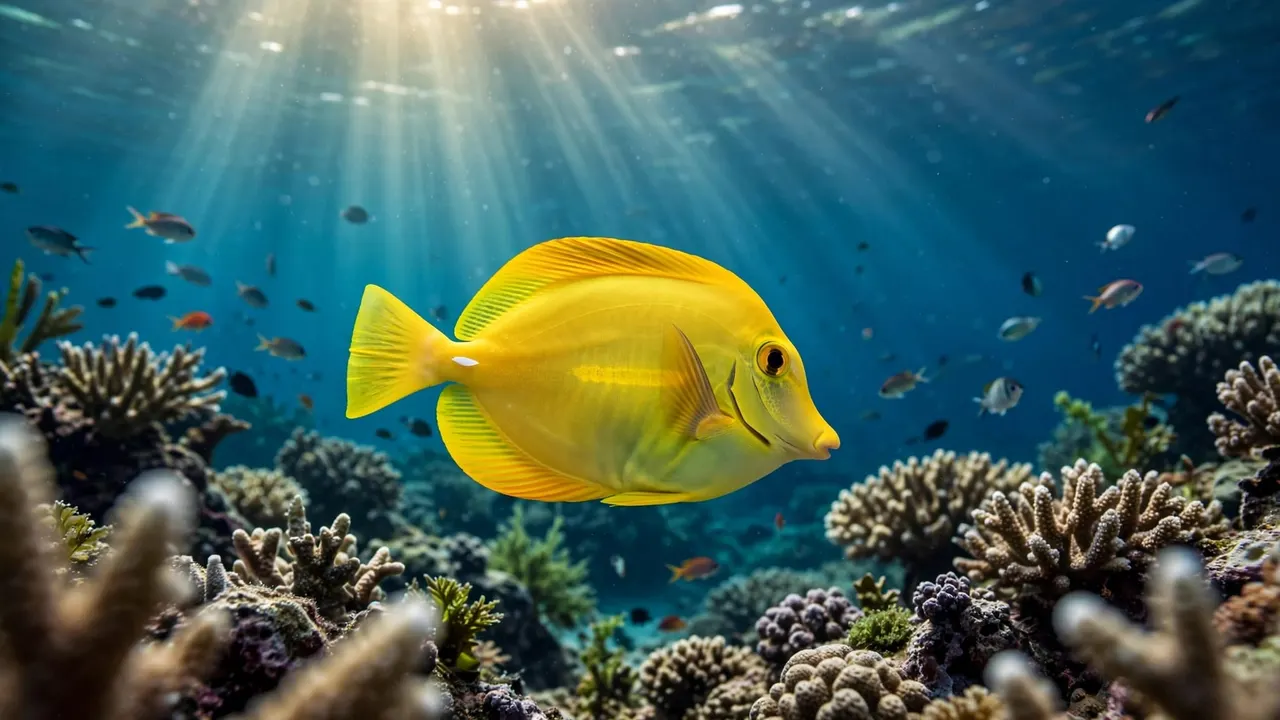
Your next memorable reef encounter might be a small fish passing beneath your mask. Hawaiian surgeonfish reward a closer look, especially when you pause long enough to notice their shapes and movements.
Living Ocean Tours offers guided reef experiences near Waikiki, giving you support while you explore Oahu’s underwater life. A little identification practice helps you enjoy the fish alongside any turtle sightings.
Start with patient observation, then use recognizable features to narrow down what you’re seeing.
Key Takeaways for Your Reef Day
- Look at the whole fish before choosing a name, including its body shape, markings, and tail.
- Yellow tang, goldring surgeonfish (kole), and convict tang are useful names to learn before your swim.
- Surgeonfish have defensive tail-base spines, so observe them without touching or handling them.
- Fishery catch figures don’t predict which fish you’ll encounter during an Oahu snorkel trip.
- Choose reef access that matches your swimming confidence, and keep your fins, hands, and camera clear of coral.
Recognize Hawaiian surgeonfish Without Getting Too Close
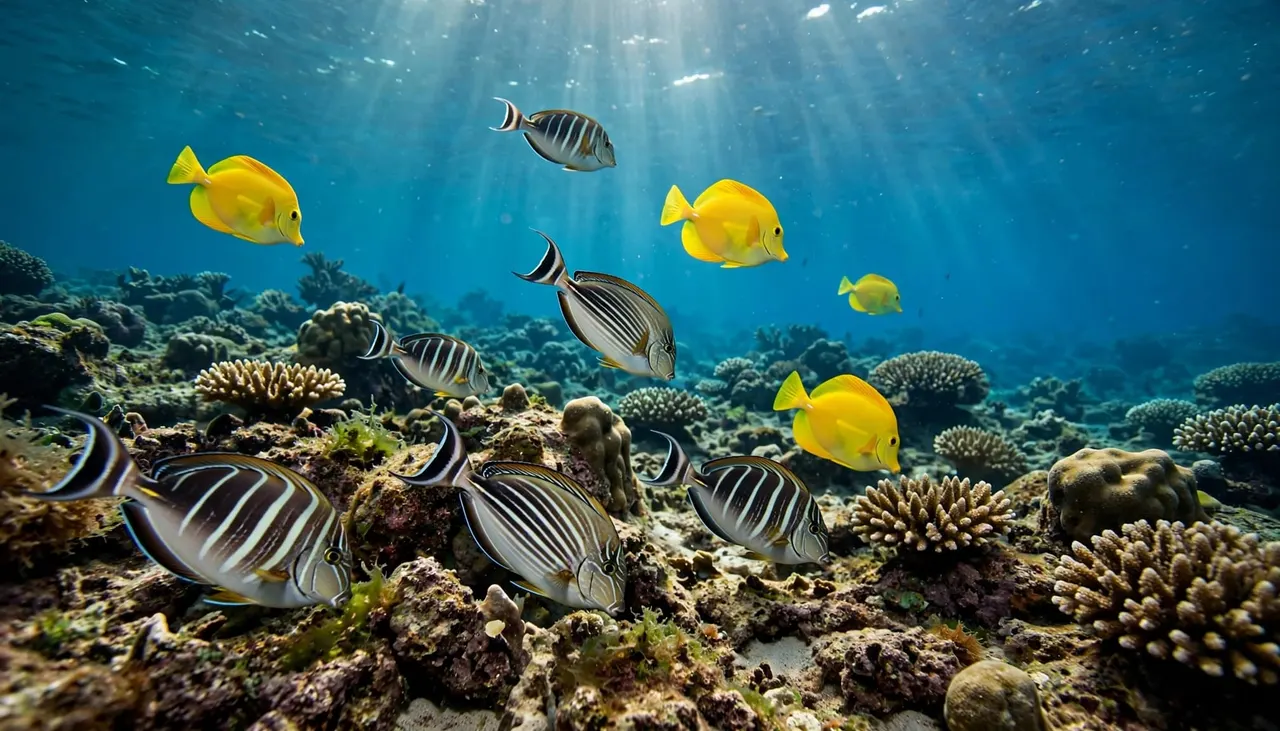
Start With the Whole Fish
Begin with a side view whenever one is available. Notice the fish’s outline, its markings, and the shape of its tail. Then compare those features rather than relying on one flash of color.
Underwater light changes your view, while distance can hide small details. A fish that turns toward you also looks different from one swimming across your field of vision.
Stay comfortably at the surface and let the fish move into view. You don’t need to follow it into shallow reef habitat to make a useful observation.
Understand the Surgeonfish Name
The name refers to blade-like spines beside the base of the tail. Hawaii’s Division of Aquatic Resources describes this defensive feature in its fish identification manual.
Those spines are a reason to leave fish untouched. However, you don’t need to see a spine clearly to enjoy or identify a passing fish.
Watch from a distance and keep your hands relaxed. A close inspection of the tail isn’t worth crowding wildlife or losing awareness of the reef beneath you.
Get Familiar With Three Useful Fish Names
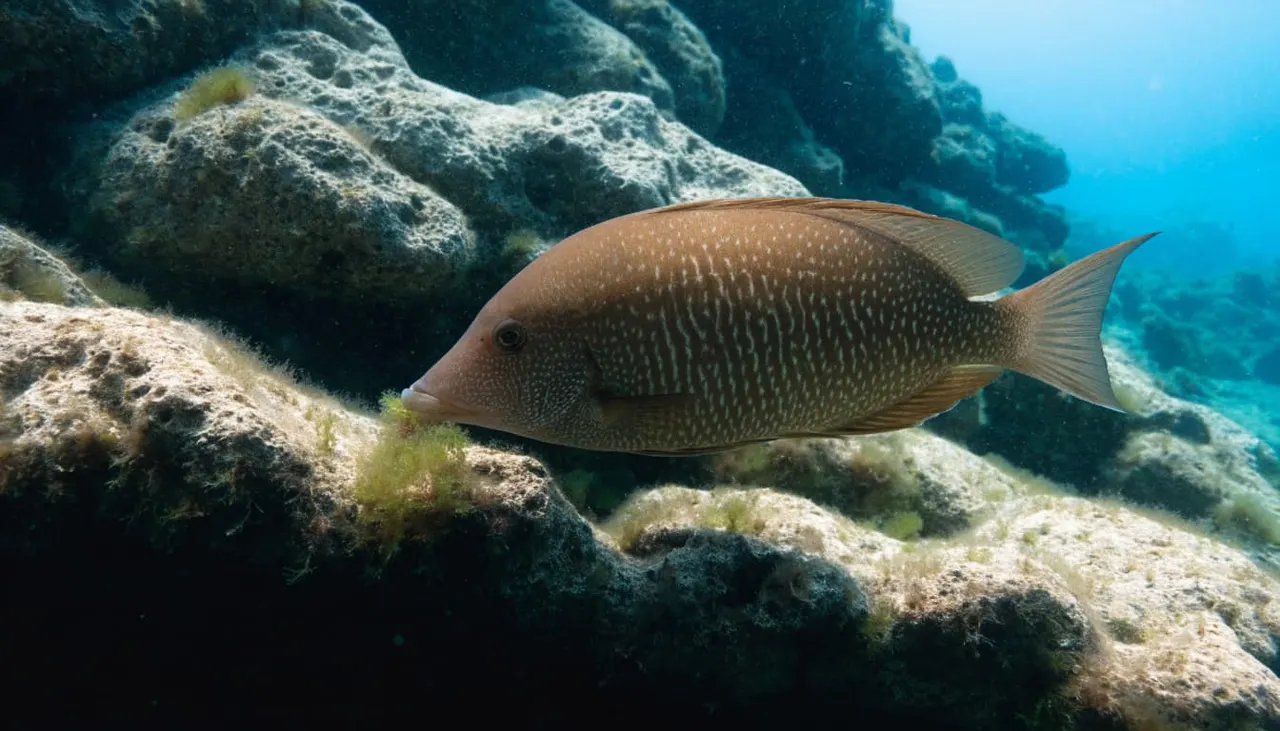
You don’t need a long species checklist to begin recognizing Hawaiian surgeonfish. Start with these names, then ask your guide to confirm uncertain sightings.
Yellow Tang and Goldring Surgeonfish
Yellow tang and goldring surgeonfish, commonly called kole, are two names worth recognizing in Hawaii’s fish-identification materials. Keep both names handy when you discuss your sightings with a guide.
Watch one fish through several turns before deciding what you saw. Compare its outline and markings with an identification reference afterward, rather than chasing it for another look.
These species also appear prominently in fisheries reporting. A DLNR report on yellow tang and kole states that together they accounted for 91.1% of the FY 2017 catch discussed in its West Hawaii aquarium-fish analysis.
That figure concerns catch in a different island setting, not the fish beneath your mask on Oahu.
A large share of reported fish catch doesn’t mean a species makes up the same share of reef sightings.
Convict Tang
Convict tang is another useful name to learn before exploring nearshore habitat. The Hawaii Department of Health’s species description identifies it as common on coral reefs and present in tide pools and other nearshore environments.
That habitat information provides context, but it doesn’t promise a sighting at a particular beach.
If your guide identifies a convict tang, spend a moment watching its movement and appearance. Connecting a confirmed name with a live observation is more useful than memorizing names without seeing the fish.
Read Fish Movements Before You Swim Farther
Watch One Reef Patch First
Give yourself 20 to 30 seconds above a small area before moving on. Notice which fish remain nearby and which cross the reef without stopping.
Then watch direction. Repeated routes, short pauses, and changes in spacing can make an ordinary-looking patch interesting. You might notice behavior you missed during your first quick scan.
This approach also reduces unnecessary swimming. Instead of covering more ground, you give your eyes time to separate fish from the reef background.
When watching Hawaiian surgeonfish, stay aware of your buddy and the designated swimming area. Your observation should fit comfortably within the crew’s instructions.
Describe What You Saw Before Naming It
If you’re unsure of an identification, remember details you can explain later. Body outline, visible markings, group size, and movement give your guide something useful to work with.
Avoid assigning a purpose to every movement. A fish pausing near the bottom isn’t automatically feeding, and several fish together aren’t necessarily doing the same thing.
For families, share observations once everyone is comfortably back aboard. Children can compare what they noticed without feeling pressure to identify every animal correctly.
Understand the Reef’s Algae-Eating Fish
Herbivorous reef fish help regulate competition between algae and reef-building corals. A 2014 study of coral reef herbivores describes how these fish consume bottom-growing primary producers, including algae.
That relationship adds meaning to your reef visit. Small fish can play an important ecological role even when larger animals draw more attention.
However, fish differ in what they eat and how they use habitat. Don’t assume every fish near coral has the same diet, or that every repeated movement is a feeding action.
While looking for Hawaiian surgeonfish, notice the reef around them as well. Open sand, rock surfaces, and coral colonies create different spaces for animals to use.
You can’t assess reef health from one brief snorkel session. Still, careful observation helps you appreciate the connections between fish and habitat. Your role is to watch those relationships without changing them through feeding, touching, or crowding wildlife.
Plan a Guided Reef Visit Near Waikiki
Living Ocean Tours departs from Kewalo Basin Boat Harbor near Waikiki. Its guided Oahu ocean tours include snorkeling experiences with supplied gear and knowledgeable guides.
According to Living Ocean Tours, it’s the only tour company with professional snorkel guides in the water with guests. That support gives you someone to ask about equipment, reef etiquette, and fish you can’t identify.
Tell the crew about swimming nerves or mask concerns before entering. Getting comfortable first makes it easier to notice wildlife instead of concentrating on unfamiliar equipment.
Choose your outing around your group’s comfort in the water. Ask about the planned reef visit and the support available, especially when you’re bringing children or first-time snorkelers.
If turtles are also on your wish list, CHECK AVAILABILITY for a turtle-focused snorkeling outing. Keep your expectations flexible because wild animal encounters aren’t guaranteed.
You can enjoy a rewarding reef visit even without one particular sighting. Fish movement and the underwater habitat deserve attention throughout your swim, rather than only between larger wildlife encounters.
Give Fish and Coral Room During Your Swim
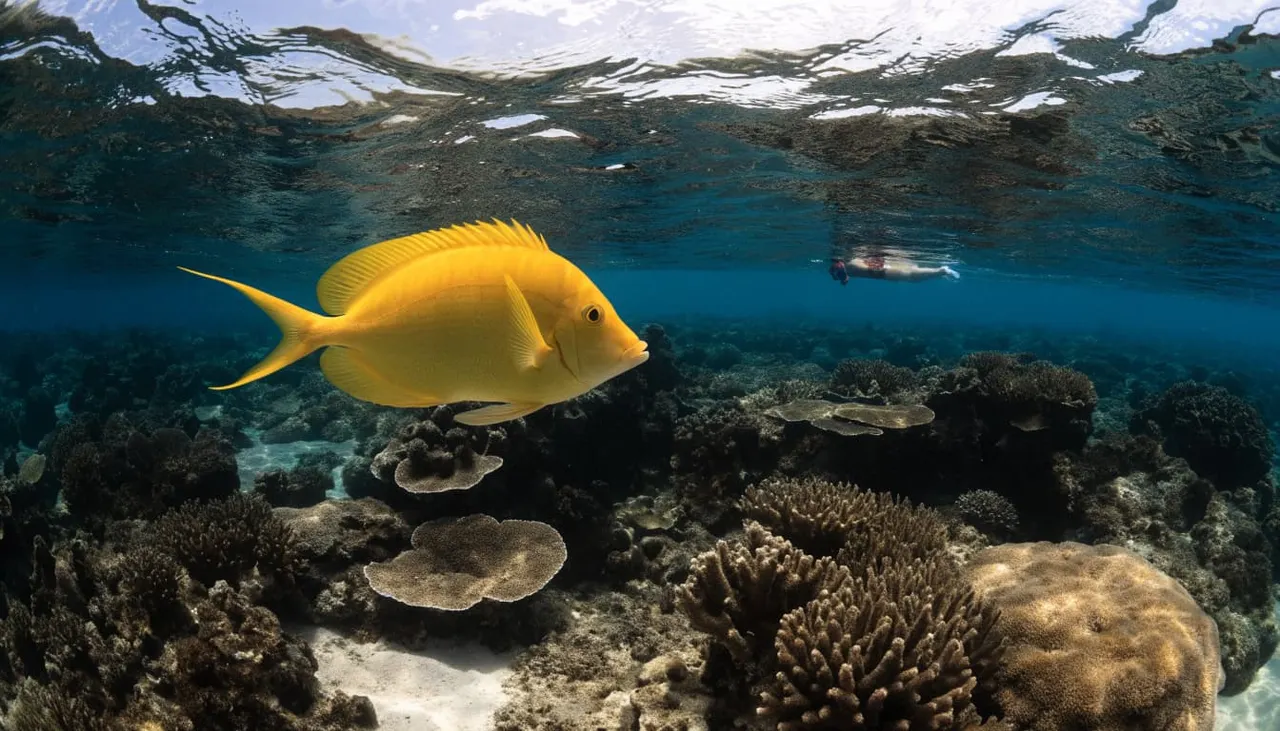
Your view of Hawaiian surgeonfish improves when you can float comfortably without constant kicking. Keep your body horizontal where possible, and check that your fins have room above the bottom.
Never use coral as a handhold or standing place. If your mask needs attention, move into clear water or use the flotation support available to you.
Let fish choose their own route. Don’t chase, feed, corner, or touch them to get a closer look. Similarly, keep your camera away from the reef and avoid following an animal into a narrow gap.
A sudden change in a fish’s direction is a reason to give it more space. Back away calmly rather than attempting another approach.
Conditions matter, too. Current, waves, and visibility affect your ability to remain clear of habitat. Follow the crew’s directions, stay with your buddy, and end your swim if you’re tired or uncomfortable.
A shorter, comfortable session gives you more attention for wildlife than a longer swim spent struggling with equipment.
Frequently Asked Questions
Do You Need to Memorize Fish Before Snorkeling?
No memorization is necessary. Learn a few names, then concentrate on what you can observe comfortably from the surface.
A guide can help connect those observations with an identification. If you’re uncertain, keep your description accurate rather than choosing a name too quickly. You can compare an identification reference with your notes after the trip, when you’re dry and no longer managing equipment or watching your position.
Are Surgeonfish Safe to Observe?
Observe surgeonfish without touching or handling them. Their defensive tail-base spines make hands-off viewing important.
You don’t need to inspect those spines closely. Leave space around the fish and watch its movement instead. Your swimming comfort and awareness of the reef also matter, so ask the crew for help when needed. Wildlife identification should never distract you from your buddy, the boat, or changing conditions.
Make Your Next Reef Sighting More Meaningful
Hawaiian surgeonfish give you a reason to slow down and study the reef beneath your mask. Learn a few names, watch complete movements, and ask for help when an identification remains uncertain.
Keep comfortable distance at the center of your swim. When you leave fish room to move and coral untouched, even a brief encounter can become a memorable part of your Oahu reef day.


