
Hawaiian squirrelfish: Your Oahu Snorkeling Field Guide
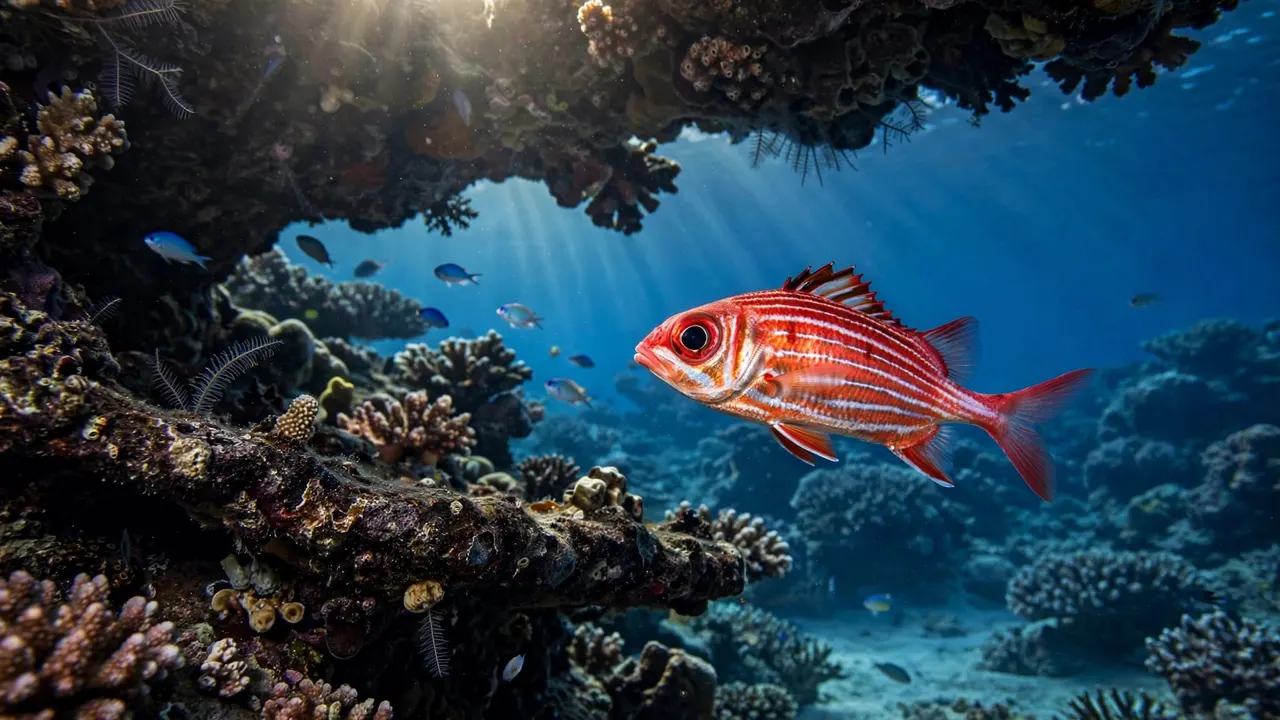
You can swim past a reef full of fish and miss the small group hovering beside a shaded ledge. Spotting Hawaiian squirrelfish takes patient observation, plus a few identification clues beyond a red body and big eyes.
With Living Ocean Tours, you can explore Waikiki’s underwater world with professional snorkel guides and build confidence as you watch its smaller residents. However, no wildlife encounter is guaranteed, and several related fish look alike.
Start with the features you can recognize without chasing a fish or leaving your comfortable swimming area.
Key Takeaways Before You Enter the Water
- Look beyond red coloration. A dark shoulder bar, silvery appearance, and fin details help identify the pearly soldierfish.
- Scan reef edges and ledges from a comfortable distance rather than swimming into crevices.
- Choose your snorkeling plan around ocean conditions and swimming ability. A recorded fish sighting doesn’t make a location suitable for beginners.
Your best encounter gives you time to observe while leaving the fish’s behavior and shelter undisturbed.
How to Identify Hawaiian squirrelfish
Check the shoulder and overall color
Common names can make underwater identification confusing. Squirrelfishes and soldierfishes belong to the family Holocentridae, and Hawaiian names including ʻūʻū and menpachi cover related fishes.
For a specific identification target, look for Myripristis kuntee, also called the pearly soldierfish or epaulette soldierfish. The federal coral reef fish listing pairs Myripristis kuntee with the name pearly soldierfish.
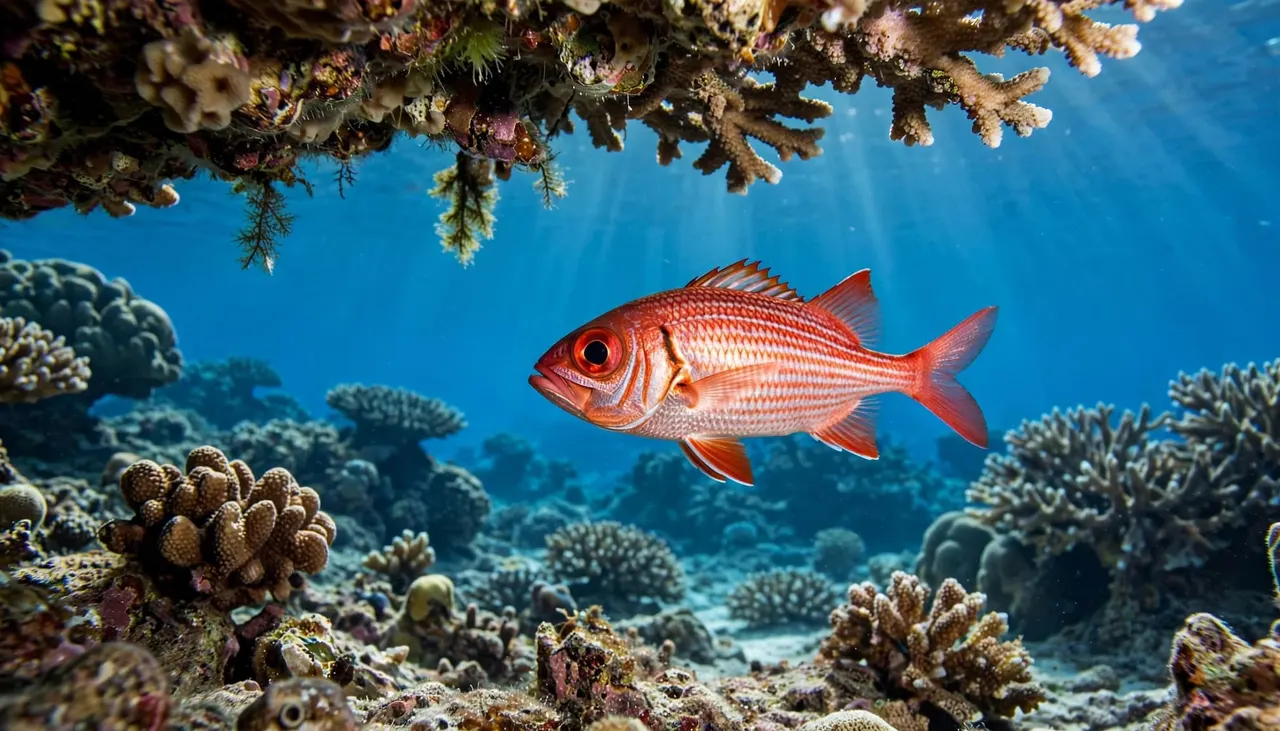
This species has a conspicuous dark shoulder bar near the gill opening. Its appearance can be comparatively silvery rather than intensely red. Because other family members share large eyes and reddish coloration, those general features won’t settle the identification.
Confirm the finer details
Next, watch for a dark marking across the eye and gill-opening area, plus a narrow tail base. The second dorsal and anal fins are transparent with reddish tips.
Reported maximum length is about seven inches. That gives you a useful scale, although judging size through a mask takes practice.
Don’t treat pale stripes as a deciding feature for this species. Instead, combine the shoulder marking, overall coloration, and fin details.
Although you’ll encounter this fish in Hawaiian waters, it isn’t exclusive to Hawaii. Its distribution also includes the tropical Indo-Pacific.
If you can’t see enough detail, keep your identification tentative. Recognizing the fish family is still a worthwhile discovery.
Where to Look Around an Oahu Reef
Scan ledges without entering them
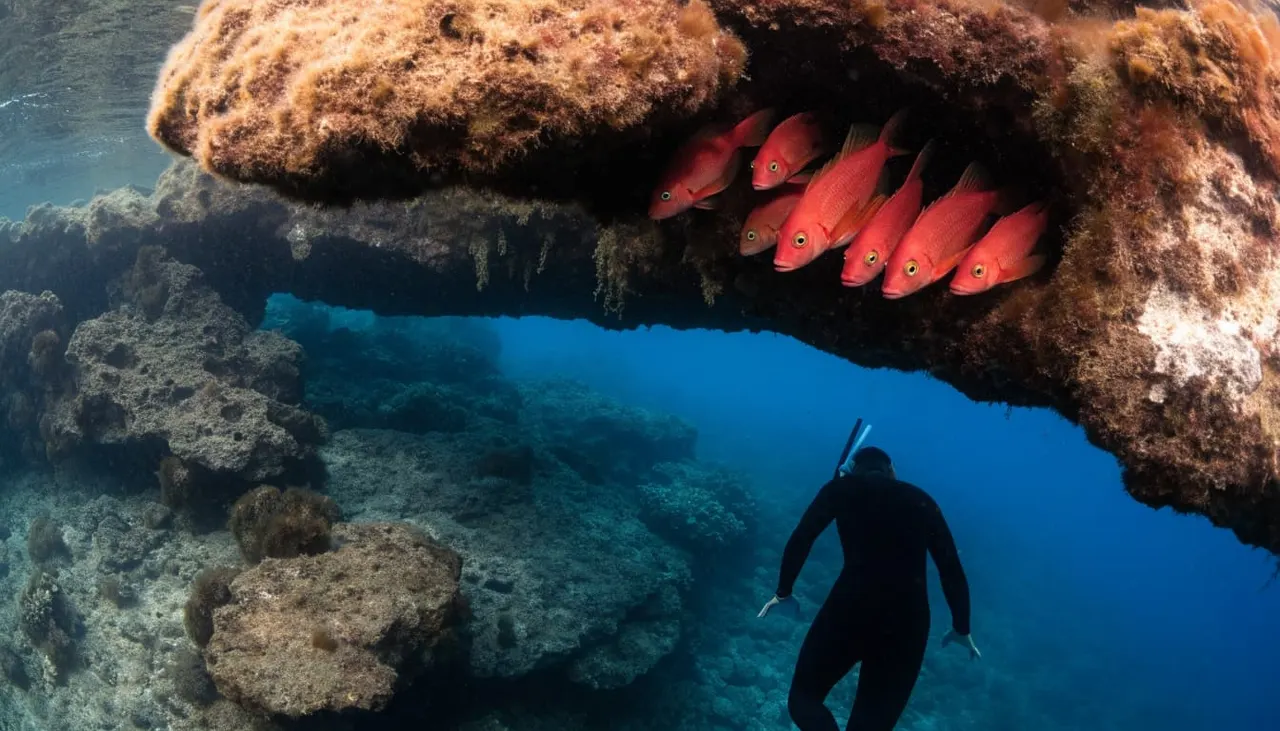
When searching for Hawaiian squirrelfish, give reef structure more attention than open sand. Species observations describe small groups just above reefs or near ledges.
Float outside the reef feature and let your eyes adjust to the contrast between sunlight and shadow. Then look for a fish’s outline, eye, or movement beside the rock.
Avoid swimming under an overhang or into a narrow opening. A promising fish sighting doesn’t justify losing easy access to the surface.
Your viewing angle matters, too. Moving slightly along the outside of a ledge can reveal fish hidden behind its edge. Keep that movement slow and within your group’s designated area.
Separate sighting records from snorkeling advice
Documented Oahu observations of Myripristis kuntee include Makapuʻu at 25 feet and Sea Cave at 50 feet. Another record comes from the Mahi wreck.
These records confirm occurrence, but they don’t establish reliable shallow-water viewing. They also aren’t recommendations for independent snorkeling at those locations.
A fish record at 25 or 50 feet confirms that someone observed it there. It doesn’t tell you whether surface snorkeling is safe or productive.
Choose your outing for its conditions, access, and supervision. Treat a squirrelfish encounter as a possible addition to your reef experience.
How to Watch Reef Fish Without Disturbing Them
A calm approach gives you more time to notice details. First, settle your breathing at the surface and keep your movements small. Once you’re comfortable, scan one section of reef instead of swimming continuously.
If fish move farther into shelter as you approach, stop and give them more space. Don’t follow them into the opening or block their route.
Keep your fins away from coral and the bottom. Kicking close to sand can stir sediment, reduce visibility, and interfere with your view.
Coral is living habitat, so never stand on it or use it to steady yourself. Likewise, leave fish food on shore. Feeding changes the encounter and encourages wildlife to approach people for the wrong reason.
For children, make observation part of the adventure. Ask them to notice an eye, a shoulder marking, or a fish’s position relative to the reef.
You can compare discoveries afterward without turning the swim into a chase. Stay together, listen to your guide, and return to the boat or shore before fatigue affects your judgment.
Plan Around Conditions, Not a Sighting Promise
Choose manageable water first
Your ability to spot smaller reef fish depends partly on visibility and how comfortably you can float. Choppy water, current, and suspended sediment can make observation harder.
Before entering, review the day’s conditions with your crew or the lifeguard at a staffed beach. Follow closures and posted warnings, even when the water looks inviting.
For a shore outing, identify both your entry and exit before swimming. Neither a sunny forecast nor other people in the water confirms that conditions suit your abilities.
If you feel nervous, say so before entering. Adjusting your plan early is easier than trying to solve a problem offshore.
Keep timing expectations realistic
Don’t plan a vacation around a supposed Hawaiian squirrelfish season. There isn’t an established seasonal viewing pattern for Myripristis kuntee to guide your booking.
Likewise, you shouldn’t assume a particular hour guarantees an encounter. Choose a departure that fits your schedule and the operator’s current plan.
You might see turtles, butterflyfishes, or other reef residents without spotting your target species. Enjoy those encounters while keeping your attention on reef edges.
A satisfying outing comes from comfortable observation and varied discoveries, rather than checking off one fish.
Explore Waikiki With Professional Snorkel Support
Living Ocean Tours departs from Kewalo Basin Boat Harbor, near Waikiki. You can compare its Oahu snorkeling and wildlife cruises when choosing an outing for your family or partner.
The company says it’s the only Oahu tour company with professional snorkel guides. For a first-time snorkeler, that support helps you ask questions, adjust equipment, and learn respectful wildlife-viewing habits.
You receive snorkeling gear and instruction, so you can focus on getting comfortable before searching for fish. Tell the crew about swimming concerns rather than waiting until you’re in the water.
The Coral Kai and Lokahi have shaded seating, onboard restrooms, dry storage, and sturdy ladders. Those comforts are useful when your group includes different experience levels.
Ask your guide whether conditions allow you to observe reef structure from the designated snorkeling area. Hawaiian squirrelfish sightings remain uncertain, even with knowledgeable support.
For a guided Turtle Canyon outing, you can CHECK AVAILABILITY before arranging the rest of your day. Keep your expectations broad: the area is known for turtle encounters, not guaranteed squirrelfish viewing.
Bring Home Useful Photos and Observations
A photograph can help you check an identification after your swim. However, getting closer isn’t always the right next step.
If you bring an underwater camera, photograph the fish from your existing position. A side view can record the shoulder marking, tail base, and fins better than a head-on shot.
Also capture a wider view when possible. Knowing whether the fish hovered above the reef or beside a ledge adds context.
Secure your camera so it doesn’t swing against coral. Don’t chase a departing fish to improve the frame.
Afterward, record the location, approximate depth if known, group size, and visible markings. Avoid guessing details you couldn’t see clearly.
For Hawaiian squirrelfish, a modest photograph with recognizable features is more useful than a confident label based on color alone. You can also ask your guide to review what you noticed.
Frequently Asked Questions
Are all red reef fish in Hawaii squirrelfish?
Red coloration alone doesn’t identify a squirrelfish, much less a particular species. Several related soldierfishes and squirrelfishes share large eyes and similar body colors.
For Myripristis kuntee, concentrate on the dark shoulder marking, comparatively silvery appearance, narrow tail base, and fin details. If your view is brief, describe what you saw rather than choosing a species name immediately.
Can beginners look for these fish from the surface?
You can watch reef edges from the surface when conditions, depth, and visibility permit. However, documented deeper observations don’t establish routine shallow-water encounters.
Stay within the area your guide approves and use the flotation your crew recommends. Never hold your breath and descend simply to confirm an identification. Beginners benefit most from comfortable surface viewing, patient observation, and clear instructions before entering.
Make Your Reef Encounter Worth Remembering
Finding Hawaiian squirrelfish starts with careful observation: watch reef structure, compare visible markings, and keep your identification honest.
Choose conditions that suit your abilities and accept that wildlife decides the encounter. With a comfortable plan and respectful distance, even a brief glimpse beside a ledge can become a memorable part of your Oahu snorkeling day.


