
Hawaiian Sea Stars: An Oahu Snorkeling Field Guide
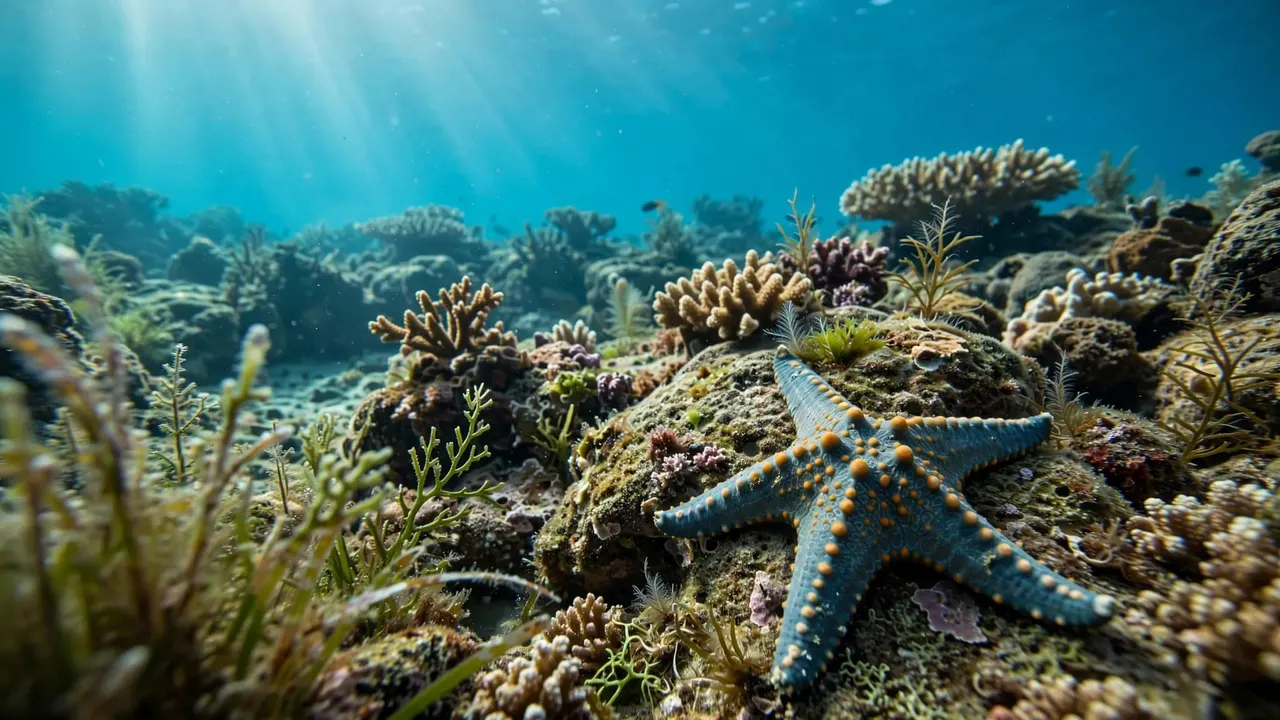
You can swim past a sea star without noticing it, especially when turtles and reef fish draw your attention. Hawaiian sea stars reward a slower look, but finding one is a bonus rather than a guaranteed part of your swim.
Living Ocean Tours offers guided reef outings near Waikiki, where you can practice patient observation with in-water support. Start with recognizable features, choose conditions that suit your group, and leave every animal exactly where you find it.
Key Takeaways
- Learn to distinguish true sea stars from brittle stars before trying to identify a species.
- Treat Hawaiian species descriptions and individual Oahu records differently; neither guarantees a snorkeling sighting.
- Watch sheltered reef edges without lifting rocks, touching animals, or pushing cameras into crevices.
- Choose your snorkeling location for safe access and suitable conditions, rather than a promised sea-star encounter.
Recognizing Hawaiian Sea Stars
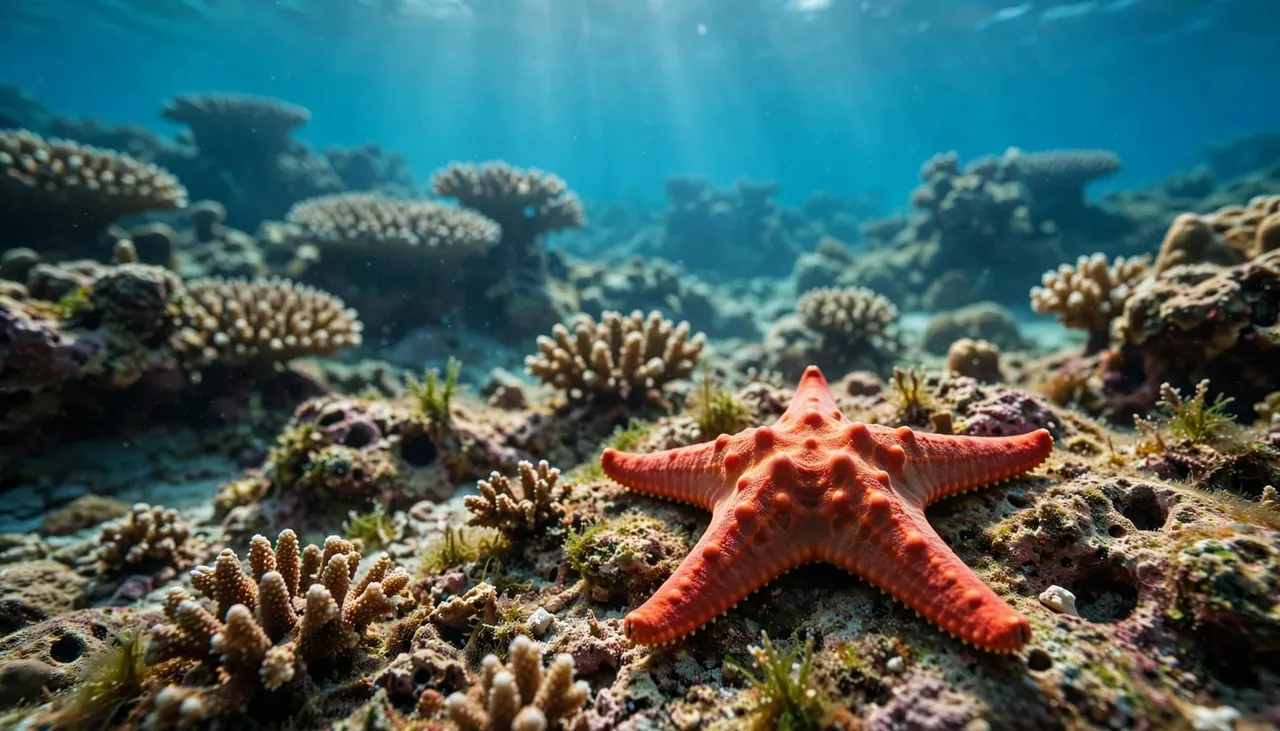
A star-shaped outline is your first clue, but it doesn’t settle the identification. Look at the arms, central body, surface texture, and surrounding habitat without moving closer than conditions allow.
Start With the Linckia Sea Star
The Waikiki Aquarium describes Linckia multifora in Hawaiian shallow-reef habitat, including reef-flat crevices and spaces beneath rocks. Its slender arms carry reddish speckles over a variable background color.
The aquarium gives its size as roughly 4 to 5 inches. Although five arms are typical, it also documents individuals with four, six, or even one arm.
That variation matters when you’re watching through a mask. An uneven outline doesn’t automatically mean you’re looking at another species. Meanwhile, color changes with depth, sunlight, and camera settings, so use several features together. The aquarium’s Hawaiian habitat description doesn’t establish a particular Oahu snorkeling location.
Separate Sea Stars From Brittle Stars
Brittle stars have a distinct central disc and long, flexible arms. True sea stars generally have arms that blend more broadly into their bodies.
The University of Hawaii’s echinoderm guide places true sea stars in Asteroidea and brittle stars in Ophiuroidea.
You may notice only thin arm tips reaching from a crack. The Waikiki Aquarium describes brittle stars, called peʻa in Hawaiian, in tide pools and on reef flats. Leave concealed animals concealed; you don’t need to expose the central disc to enjoy the sighting.
What Oahu Sea-Star Records Tell You
Named records help you understand Hawaiian sea stars, but they aren’t a map of reliable snorkeling encounters. Locality, depth, and habitat all matter when you decide what a record means for your swim.
More Arms Don’t Confirm a Species
A Hawaiian natural-history account reports Coscinasterias acutispina from Kaneohe Bay and Honolulu, while noting uncertainty about the harbor identification. Its description includes seven to twelve arms.
Those details offer context, rather than a promise that you’ll find the species on a shallow reef. Even a clear arm count won’t confirm an identification by itself.
If you photograph an unfamiliar animal, record its overall shape and habitat. Avoid attaching a confident species name based only on an unusual number of arms.
Deeper Records Aren’t Surface-Snorkeling Targets
The same account describes the eight-armed Luidia aspera and reports observations off Makua at about 80 feet. It also records a shallow-water juvenile beneath a coral slab off Kahe Point.
Another species, Sclerasterias euplecta, appears in a Hanauma Bay record from finger-coral habitat around 50 feet deep.
These records show why you should read beyond a location name. Neither depth is a reason to dive beyond your training, and a sheltered juvenile record doesn’t justify searching beneath coral slabs.
Where to Look Without Chasing a Sighting
Your best search area is one you can observe while floating comfortably. Clear water helps, but safe depth and manageable movement matter more than a famous location.
Scan Reef Edges Near Waikiki
During a guided Waikiki reef visit, watch the boundary between open water and sheltered reef structure. Look along visible ledges and cracks rather than staring only at passing fish.
First, settle your breathing and check your position. Then spend 20 to 30 seconds watching one small patch. That pause gives your eyes time to separate an animal’s outline from shadows and rock texture.
However, don’t drift away from your guide or group while concentrating. Offshore reefs remain open-water environments, even when the surface looks calm.
Choose Shore Sites for Conditions
Hanauma Bay offers a managed shore-entry setting, while Pupukea’s Shark’s Cove and Three Tables require close attention to swell and rocky access.
North Shore snorkeling can be appealing during calm summer conditions. In October, however, don’t assume those conditions will continue. Assess the actual surf, visibility, entry, and exit before committing.
None of these locations guarantees sea stars. Choose a legal access point that fits your abilities, and keep another plan available. A safe reef visit with no sea-star sighting is preferable to entering unsuitable water for one.
Observe Without Touching or Rearranging the Reef
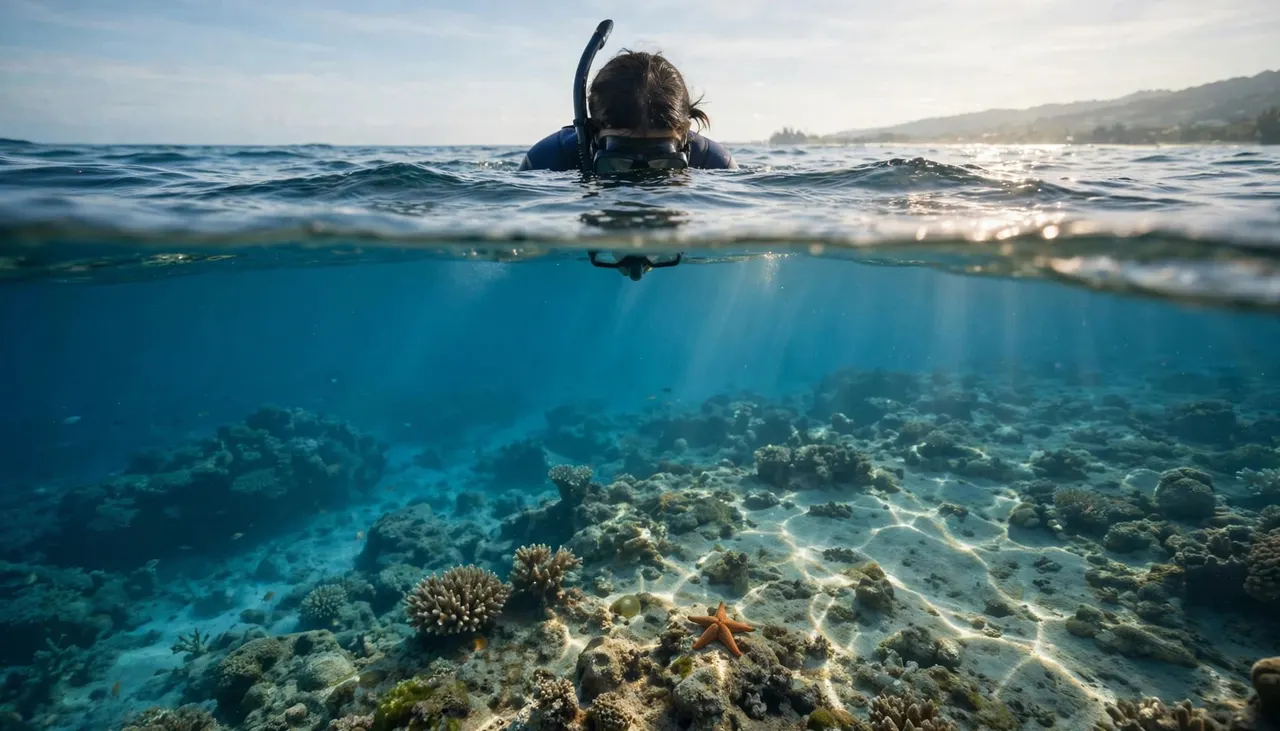
Hawaiian sea stars deserve the same hands-off attention as turtles and coral. Your goal is to see their habitat without changing it.
Leave Rocks and Animals in Place
Don’t lift rocks, turn over coral pieces, or pull an animal from a crevice. These sheltered spaces are habitat, even when they appear empty from above.
Keep sea stars underwater and undisturbed. Avoid handling them for photographs or placing them somewhere with a cleaner background.
At Pupukea, marine life conservation district rules prohibit taking, injuring, killing, possessing, or removing marine life, apart from stated exceptions. Those regulations are site-specific, so check the rules for your chosen location.
Keep Your Camera Within Your Swimming Space
Take photographs only when you can maintain a comfortable position above the reef. Don’t extend a camera into a crack or brace yourself against coral.
A wider photograph can preserve useful habitat context. Comparing it later with Hawaiian sea-star photographs may narrow the possibilities, although photographs won’t resolve every identification.
A hidden animal can remain unidentified. Leaving its shelter intact matters more than getting a complete photograph.
If surge repeatedly pushes you toward the reef, move to a safer area instead of trying again.
Prepare for a Calm, Comfortable Search
Small reef animals are easier to notice when you’re comfortable with your equipment. A leaking mask or tiring swim quickly shifts your attention away from the habitat.
Before entry, check your mask seal, fins, and snorkel fit. Tell your guide about swimming nerves, and ask about flotation support rather than waiting until you’re uncomfortable.
Use these steps once you’re in suitable water:
- Establish an easy breathing rhythm before concentrating on the reef.
- Keep your body horizontal and use small, controlled fin strokes.
- Check your buddy, guide, and return route between observation pauses.
Sea stars move using tube feet, part of their water vascular system. The MarineBio echinoderm overview provides background on this group.
You won’t necessarily notice movement during a brief look. Stay patient, but avoid interpreting a motionless animal as permission to touch it.
Get In-Water Support With Living Ocean Tours
Living Ocean Tours departs from Kewalo Basin Boat Harbor, minutes from Waikiki. You can reach offshore reef habitat with gear, instruction, and a crew-managed water-entry plan.
The company describes itself as Oahu’s only tour operator with professional snorkel guides. That in-water support helps you address mask fit, flotation comfort, and reef etiquette before equipment problems distract you.
Its Coast Guard-inspected double-decker vessels provide shaded seating, restrooms, dry storage, and sturdy ladders. Those comforts suit couples and families with different experience levels.
You can review these beginner snorkeling preparation tips before departure. Once aboard, tell the crew what support you need.
Make Turtle Canyons a Whole-Reef Experience
The Turtle Canyons Snorkel Excursion visits Waikiki’s natural turtle cleaning-station habitat. Between turtle sightings, you can also watch fish and visible reef crevices while staying with your guide.
Living Ocean Tours reports a 95% historical turtle-sighting rate. That figure concerns turtles, not Hawaiian sea stars, and no wildlife encounter is guaranteed.
Choose this outing for guided reef time and turtle-focused snorkeling, rather than a dedicated sea-star search. Your guides can help you remain comfortable while the animals determine what you’ll see.
For a turtle-focused outing near Waikiki, CHECK AVAILABILITY for your preferred date.
Frequently Asked Questions About Hawaiian Sea Stars
Can You Identify a Sea Star by Color Alone?
No single color confirms a species. The Waikiki Aquarium describes variable background colors in Linckia multifora, and underwater lighting changes what you see.
Use the arm shape, visible surface details, and habitat together. If your photograph lacks those details, keep the identification broad. Calling it an unidentified sea star is more accurate than assigning a species from a red or orange appearance.
Can You Expect to See One While Snorkeling Oahu?
Treat a sighting as a possibility, rather than an expectation. Hawaiian shallow-reef descriptions and individual Oahu records don’t establish dependable encounters at a particular snorkeling site.
You can still enjoy a rewarding swim through patient observation of the whole reef. If you notice something star-shaped, watch without touching and ask your guide what features are visible. Identification can wait until you’re safely back aboard or ashore.
Leave With a Better Eye for the Reef
Hawaiian sea stars reward close attention, but your strongest field skill is careful observation. Recognize broad differences, respect identification limits, and let suitable conditions guide your swim.
You may finish without spotting one, yet still notice more of the reef than you did before. Keep every animal and shelter undisturbed so the next visitor can discover the same living habitat.


