
Hawaiian lizardfish: An Oahu Snorkeling Field Guide
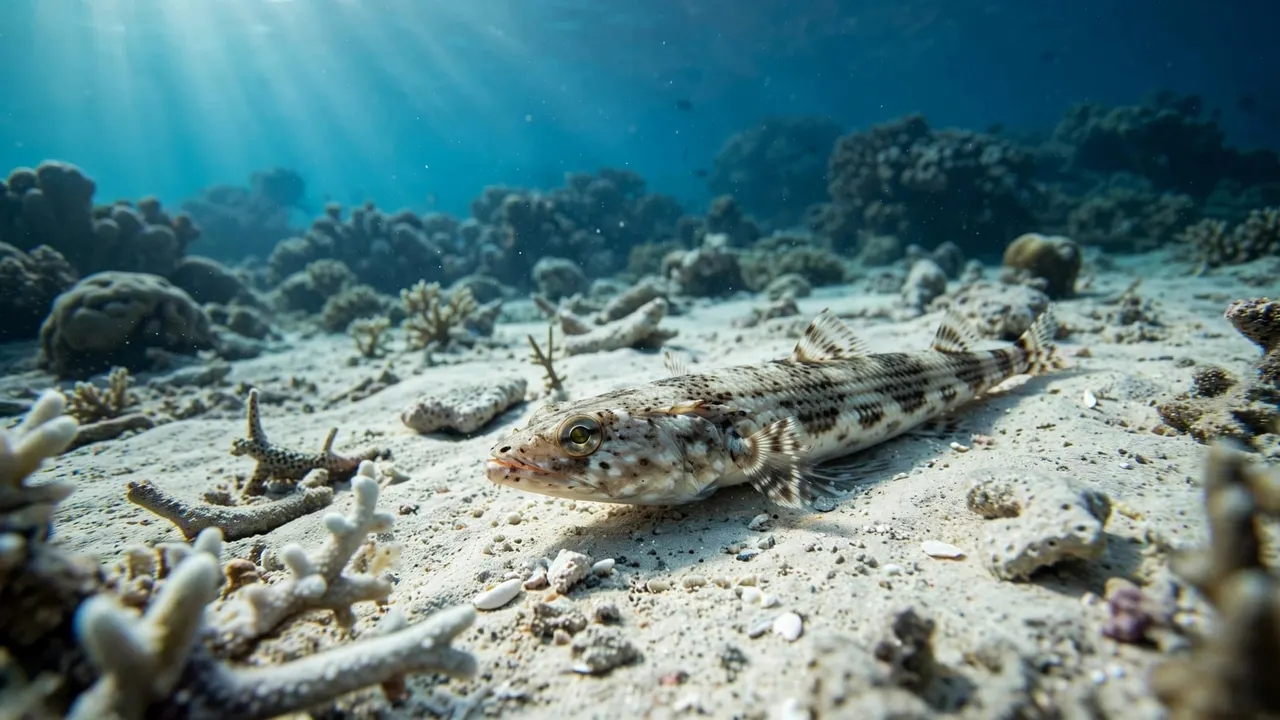
You can swim past a fascinating reef fish without realizing it’s there. Finding a Hawaiian lizardfish starts with looking toward the bottom, where sand and rubble deserve as much attention as colorful coral.
Living Ocean Tours brings you from Kewalo Basin near Waikiki to offshore reef habitat with professional in-water snorkel guides. Once you’re comfortable, patient observation helps you notice smaller residents you might otherwise miss.
Start with the habitat, then use a few reliable identification clues.
What “Hawaiian lizardfish” Means
A local encounter, not proof of Hawaiian origin
When you use the phrase Hawaiian lizardfish, you’re describing a fish encounter in Hawaiian waters, not necessarily a species found only in Hawaii. That distinction matters when you identify your photographs afterward.
One species to investigate is Synodus dermatogenys. Its common names vary between references, so the scientific name gives you a more dependable starting point.
The iNaturalist species record lists several names, including sand lizardfish, clearfin lizardfish, and variegated lizardfish. It also describes a mainly Indo-Pacific distribution. Seeing this species around Hawaii wouldn’t make it Hawaiian-endemic.
Keep your identification appropriately broad
You don’t need a species-level identification to enjoy your discovery. “Lizardfish” is a useful first observation when the available view doesn’t support anything more precise.
However, don’t label every bottom-associated fish Synodus dermatogenys. A distant silhouette, poor visibility, or a brief glimpse may leave important features unresolved.
When you ask your guide for help, describe what you actually saw. Mention the substrate, visible fins, and whether you captured a photograph. Those details are more useful than a confident name based on a fleeting impression.
How to Identify a Hawaiian lizardfish
Look for the fin arrangement
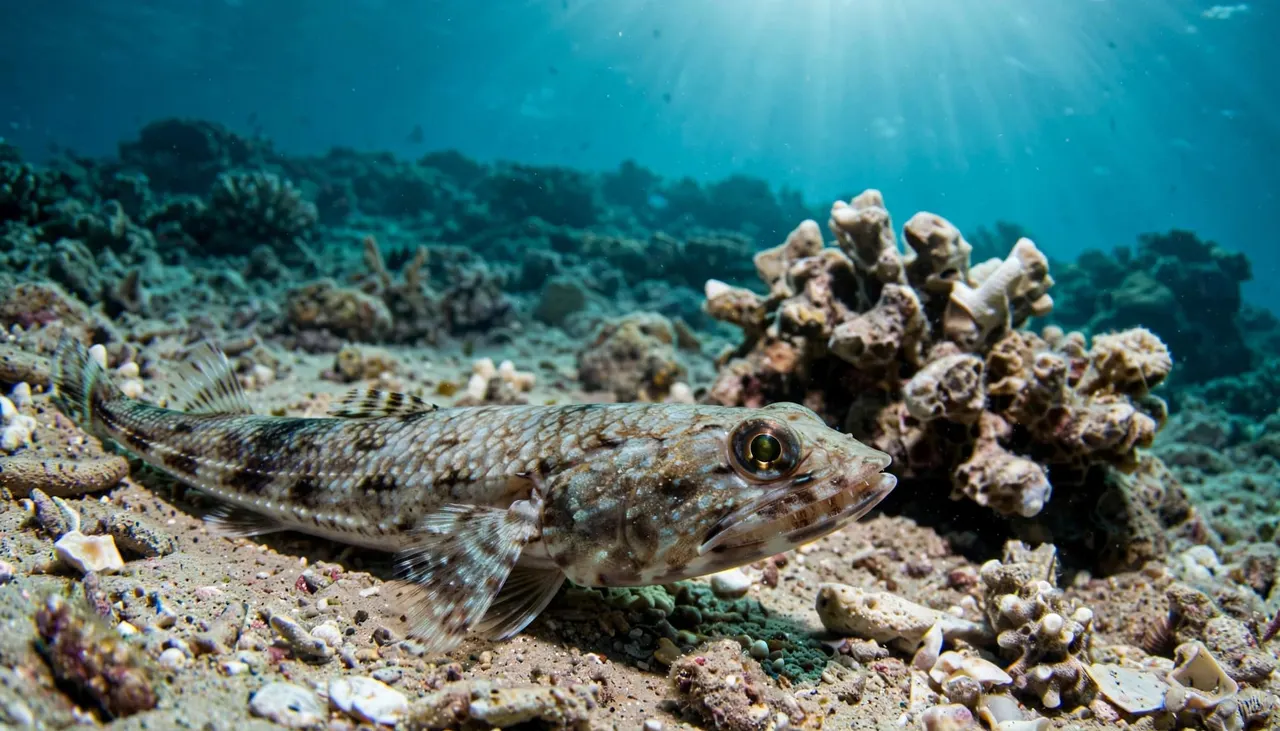
A useful family-level clue is the arrangement of fins along the back. The Hawaiian lizardfish family guide describes a small, spineless dorsal fin followed by an adipose fin.
That adipose fin is a small flap farther back toward the tail. From the surface, it may be difficult to distinguish, especially when the fish is distant or the water moves.
Use the clue when your viewing position allows it. Don’t dive down, leave your group, or crowd the fish merely to confirm a fin.
Use size as context, not a verdict
For Synodus dermatogenys, the FishBase field guide lists a maximum total length of 24 centimeters, about 9.4 inches.
That figure describes one species, not every lizardfish you might encounter. It also isn’t a promise that the fish beneath you will approach that size.
Estimating length underwater is difficult without a dependable reference. Treat your estimate as supporting information, then compare your photograph with documented examples. Fin placement and a clear view are more useful than trying to measure a fish while floating above it.
Where to Look Around Oahu’s Reefs
Your search should include the less colorful spaces between reef structures. Sand, rubble, and their boundaries with coral can offer useful viewing opportunities without requiring you to approach closely.
FishBase describes Synodus dermatogenys as common on sand or sand-rubble areas of lagoon and seaward reefs. Its sand lizardfish habitat profile also identifies it as benthic, meaning associated with the bottom.
For snorkeling, that means directing some attention downward rather than watching only open water. Scan the bottom within the area your guide approves, while keeping enough clearance for your fins.
The species’ documented depth range extends well beyond snorkeling depths. You don’t need to pursue deeper water to make your outing worthwhile, and a habitat description doesn’t establish a guaranteed Oahu viewing location.
At Turtle Canyons, you can observe a reef environment known for its turtle-cleaning habitat. However, a turtle-focused destination doesn’t guarantee a lizardfish encounter. Keep your expectations broad and let the day’s conditions determine where you can safely look.
Slow Your Search Without Losing Awareness
A Hawaiian lizardfish search benefits from a deliberate pace. Rushing between reef patches makes it harder to notice details, and constant fin movement can disturb your own view.
Begin by watching one manageable patch for roughly 20 to 30 seconds. This is an observation exercise, not a prediction about when a fish will appear.
Notice the bottom first, then any fish within that patch. Meanwhile, keep track of your buddy, the guide, and your position relative to the boat.
If you notice an animal, watch before moving closer. Record what happens rather than assigning a motive. A change in position alone doesn’t tell you whether the fish is feeding, resting, or responding to you.
For families, make the task simple: compare the sandy areas with the reef edges. Children can point out what they notice without needing to identify every species.
A useful sighting includes where the fish was and what you actually observed. A species name alone leaves out much of the encounter.
If your buddy misses the fish, indicate its location from your existing position. Avoid swimming directly over it to demonstrate.
Observe Without Disturbing the Reef
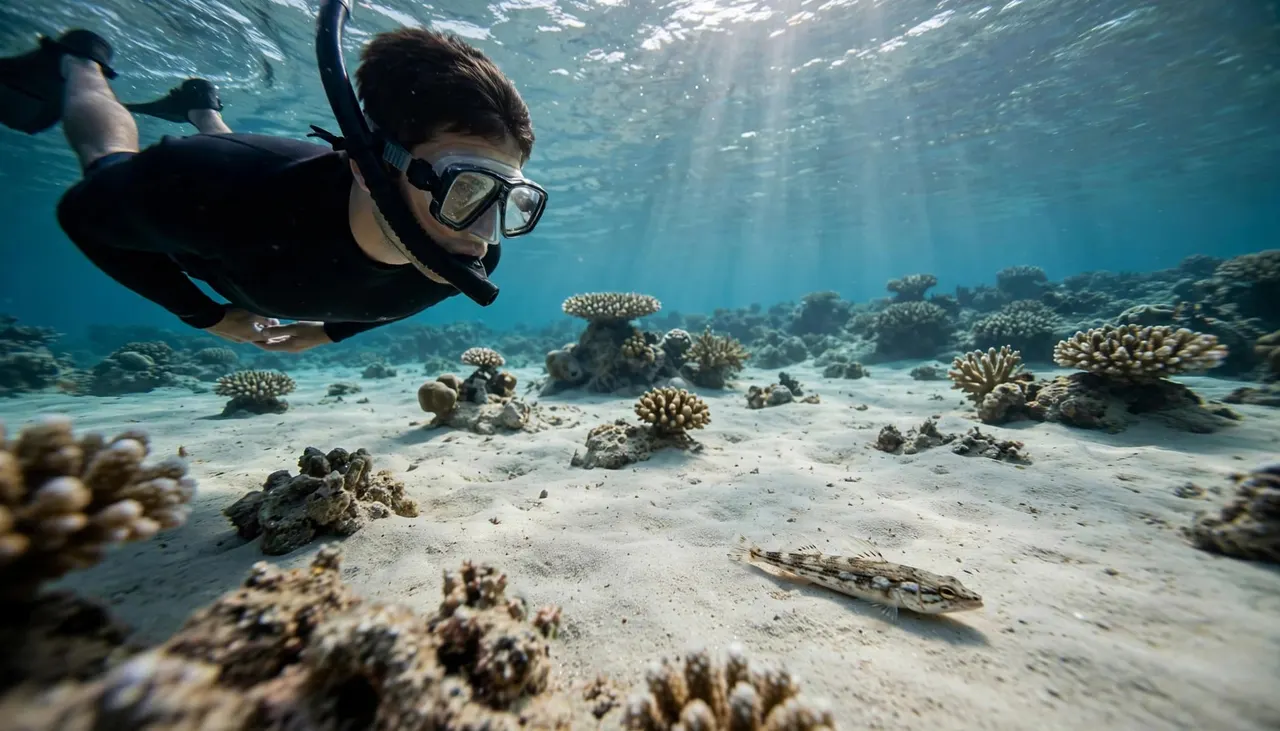
The rules for watching Hawaiian lizardfish are straightforward: keep your hands away, control your fins, and leave the habitat as you found it.
Don’t move rubble, reach into gaps, or brush aside anything to reveal a concealed animal. Even when your goal is identification, changing its surroundings interferes with the encounter.
Coral is living habitat, so never stand on it while adjusting your mask. Instead, ask your guide for help or return to the boat using the approved route.
Hawaii Ocean Safety’s snorkeling guidance warns that touching coral or other sea creatures can harm them and injure you. It also advises against feeding fish or turtles.
Feeding isn’t a useful shortcut to observing natural behavior. Leave food aboard and watch the animals without attracting them.
Finally, let your comfort level determine when to stop. If you’re tired, uneasy, or struggling with equipment, signal your guide. A fish sighting is never a reason to ignore conditions or delay getting assistance.
Photograph the Fish Without Chasing It
Get a useful record from your current position
A photograph can help you investigate an uncertain identification after your snorkel. However, it only helps when you can take it without losing awareness of your surroundings.
Start with a wider image that includes the fish and its substrate. Then, if your camera allows it, capture a closer view using zoom rather than swimming into the animal’s space.
Keep your camera within your own swimming area. Extending it toward a fish or into a reef gap can disturb wildlife even when your hands don’t touch anything.
Keep habitat notes with the photograph
After returning aboard, record the location, approximate depth if known, and whether the fish was over sand or rubble. Label uncertain details as uncertain.
Also note which features your image actually shows. A clear fin arrangement is useful; a blurred shape may support only a broad identification.
Compare your image with several documented photographs before settling on a name. If important features remain hidden, keeping the label “lizardfish” is a sound result.
Plan Guided Reef Time With Living Ocean Tours
For couples and families, guided reef time reduces the equipment and logistics you need to manage yourself. You can explore Living Ocean Tours’ Waikiki excursions and choose an outing that suits your group’s interests.
The company departs from Kewalo Basin Boat Harbor, near Waikiki. Its supplied company information describes Living Ocean Tours as Oahu’s only tour company offering professional snorkel guides in the water.
That support is especially useful when you’re learning to fit a mask, use flotation, and watch wildlife without drifting away from your group. Tell the crew about your experience and any concerns before entering.
If turtles are also on your wish list, CHECK AVAILABILITY for a turtle-focused reef outing. Keep smaller fish on your observation list, but don’t expect a guaranteed lizardfish sighting.
Both Coral Kai and Lokahi offer shaded seating, onboard restrooms, and ladders for water access. Lokahi also has a SeaKeeper stabilization system, although motion sickness remains possible.
Choose your trip for the whole experience: guided water time, manageable logistics, and room to appreciate whatever wildlife appears. Ask questions early so you can spend your snorkel observing rather than troubleshooting.
Key Takeaways for Your Reef Visit
- Include sand and rubble in your search instead of focusing entirely on coral.
- Use documented fin features and photographs to support identification.
- Keep species labels broad when your view doesn’t show enough detail.
- Follow your guide’s boundaries, maintain buddy awareness, and leave wildlife undisturbed.
Your most useful field skill is noticing carefully while remaining comfortable and aware.
Hawaiian lizardfish FAQ
Are Hawaiian lizardfish found only in Hawaii?
You shouldn’t assume that from the phrase. Synodus dermatogenys, one species worth comparing with your sighting, has a mainly Indo-Pacific distribution.
Common names also vary among references. Use the scientific name when researching that species, and check whether your photograph supports the identification. A fish encountered in Hawaii isn’t automatically endemic to the islands.
Can you guarantee a sighting on an Oahu snorkel tour?
No wild fish encounter is guaranteed. Suitable habitat gives you something useful to scan, but visibility, conditions, and the available viewing area affect your opportunities.
Plan for a broader reef experience rather than one required animal. You can still practice habitat observation, photograph other fish, and improve your snorkeling confidence. Professional guidance helps you manage the outing without promising a particular wildlife result.
Make Your Next Reef Visit More Observant
Finding a Hawaiian lizardfish begins with noticing the bottom you might otherwise swim past. Look carefully, accept identification limits, and keep wildlife space part of every encounter.
With a comfortable setup and guidance when needed, you can give smaller reef residents your attention. The rewarding discovery is one you make without disturbing the fish or its home.


