
How Big Are Hawaiian Green Turtles at Turtle Canyon Oahu?
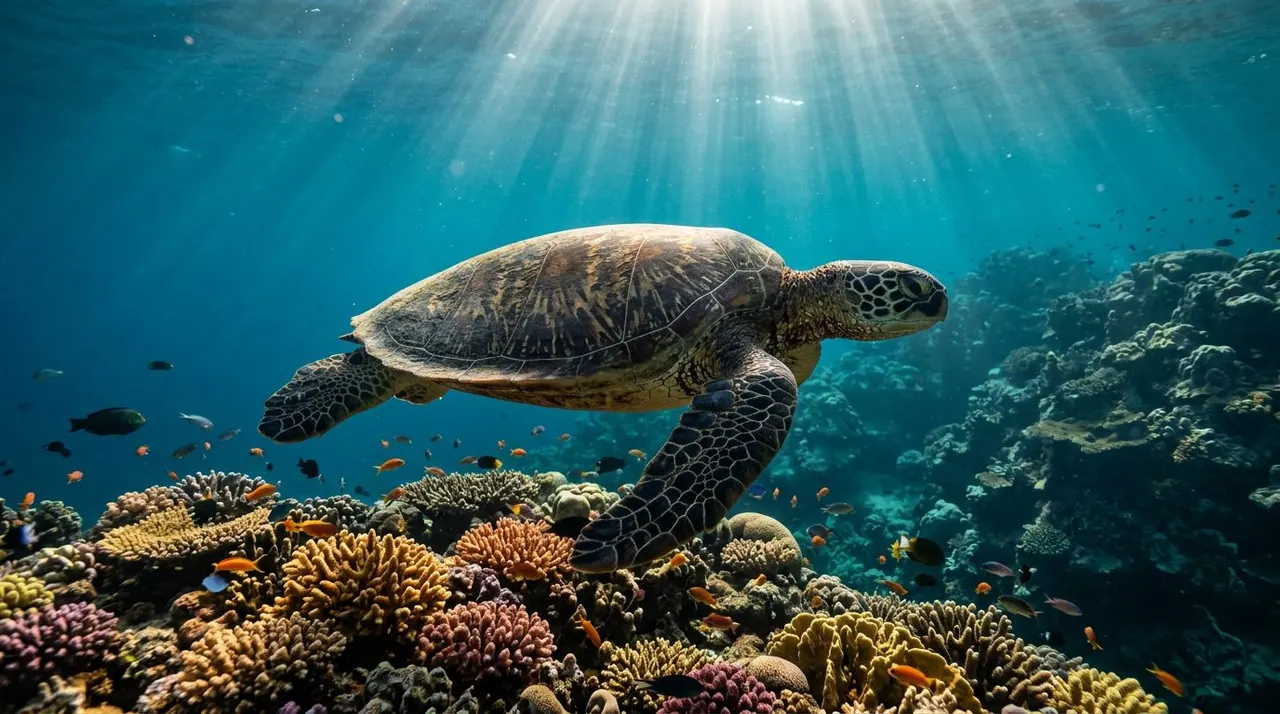
A full-grown honu can be larger than you expect. If you search how big are Hawaiian green turtles at Turtle Canyon Oahu, the practical answer is about 3 to 4 feet long and 300 to 350 pounds for a typical adult.
Some larger Hawaiian green turtles weigh more than 400 pounds. Seeing one glide beneath you at Turtle Canyon gives you a better sense of its size than any number can. The turtle may look calm and slow, but its broad shell and powerful front flippers make it an impressive ocean animal.
Key Takeaways
- Adult Hawaiian green turtles usually measure 3 to 4 feet long.
- Many adults weigh between 300 and 350 pounds, with some exceeding 400 pounds.
- Turtle Canyon is a natural reef area and cleaning station off Waikiki.
- You may see both large adults and smaller juvenile turtles.
- You should observe honu without touching, chasing, feeding, or blocking them.
How big are Hawaiian green turtles at Turtle Canyon Oahu?
The Hawaiian green turtles you see at Turtle Canyon are honu, a regional population of the green sea turtle, Chelonia mydas. Adult turtles commonly reach 3 to 4 feet in length and weigh approximately 300 to 350 pounds.
That measurement usually refers to the turtle’s shell length, not the full distance from the nose to the back flippers. A turtle with a 4-foot shell may look even longer when it stretches its neck or extends its rear flippers while swimming.
Some individuals grow beyond the typical range. Large green turtles can weigh more than 400 pounds, and upper-end records reach about 440 pounds. A Scubapro sea turtle reference also describes Hawaiian green turtles reaching four feet and weighing more than 300 pounds.
Why some turtles look bigger underwater
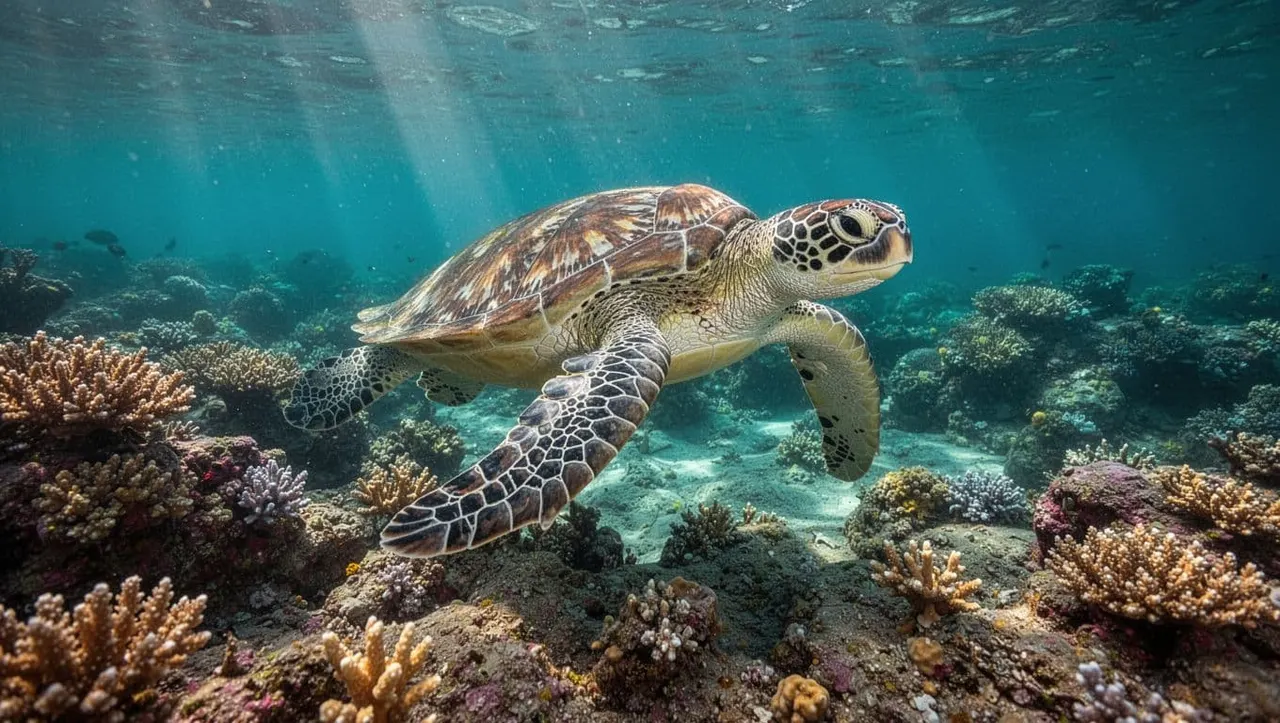
Water changes your sense of scale. A turtle swimming several feet below you may appear smaller at first. Then it turns broadside, spreads its flippers, and suddenly fills your view.
The shell shape also affects what you see. Hawaiian green turtles have wide, smooth carapaces that can look almost circular from above. When a turtle passes close to a snorkeler, its shell may appear wider than a person’s torso.
You may also see different age groups during the same outing. Juveniles weigh far less than adults and often have a smaller, slimmer appearance. Mature honu have heavier shells, thicker heads, and stronger flippers.
The turtle’s name can cause confusion, too. Green sea turtles aren’t named for bright green shells. The name refers to the greenish color of their body fat. Their shells usually appear olive, brown, gray, or nearly black, depending on age, light, and water conditions.
Green turtles are the largest hard-shelled sea turtles. That size helps explain why an adult honu at Turtle Canyon can seem enormous even when you view it from a distance.
Why Turtle Canyon turtles seem so large
Turtle Canyon is an underwater reef area off Waikiki, about 2.5 miles offshore. The site has rocky contours, coral formations, and calmer areas where turtles can rest and feed.
It also attracts cleaner fish. These small reef fish pick algae and other material from a turtle’s shell and skin. The turtle may hover over the reef or settle near a cleaning area while the fish work around it.
That behavior gives you a better chance to watch a honu for more than a few seconds. Instead of rushing past in open water, the turtle may circle the reef, pause near the bottom, or rise slowly for air.
A natural meeting place, not a display tank
Turtle Canyon is a wild marine habitat. No tour can control which turtles appear, how long they stay, or how close they swim.
You might see a large adult resting near the reef. On another day, a smaller turtle may be the first one you notice. Visibility, ocean conditions, sunlight, and turtle behavior all affect the experience.
The best view often comes when you stay calm and let the animal choose its path. Quick movements and attempts to follow a turtle can cause it to turn away. A relaxed snorkeler usually gets more time to observe natural behavior.
You should never touch a honu, hold onto its shell, block its route, or chase it toward the surface. Feeding wildlife also changes natural behavior and can harm the animal. Keep your hands to yourself and allow the turtle plenty of room.
The closest encounter isn’t always the best encounter. A turtle that swims freely near you is showing natural behavior, which makes the moment more meaningful.
Planning your Turtle Canyon snorkel experience
Living Ocean Tours departs from Kewalo Basin Boat Harbor, located a few minutes from Waikiki Beach in Honolulu. The company focuses on guided ocean experiences along the Waikiki coastline, including its Turtle Canyons Snorkel Excursion.
The company reports a 95% success rate for spotting Hawaiian green sea turtles at a natural underwater cleaning station. That figure describes the company’s reported sightseeing success, not a guarantee that every guest will see a turtle on every trip. Wild animals always make their own choices.
Living Ocean Tours is also the only tour company with professional snorkel guides. Your guides can explain how to enter the water, where to look, and how to move around the reef without disturbing marine life. That support helps first-time snorkelers feel more comfortable.
You can compare the Honolulu ocean tours from Living Ocean Tours before choosing the trip that matches your plans. For the closest match to this article, select the Turtle Canyon snorkeling experience.
What to bring and what to expect
Wear a swimsuit and bring reef-safe sunscreen for exposed skin. A rash guard can help protect you from the sun during the boat ride and in the water. You should also bring a towel, water, and a dry change of clothes.
The boat provides access to the offshore reef, where you can enter the water using sturdy ladders. Beginners receive guidance before snorkeling, and you can remain near the guide if you prefer a slower pace.
Ocean conditions can change during the day. Wind, swell, current, and visibility affect how the trip feels. Listen carefully to your crew because they understand the local conditions and can direct you toward safer viewing areas.
The experience isn’t limited to looking down at turtles. You may also see tropical fish, coral habitat, and other reef life. Above the water, the Waikiki coastline creates a memorable backdrop during the ride.
How to respect the honu during your visit
Hawaiian green turtles are protected marine animals. Your guide may ask you to maintain space around each turtle, and you should follow those directions throughout the snorkel.
Keep your body horizontal and use slow, controlled movements. Avoid kicking hard near the reef because fins can break coral or stir up sand. Don’t stand on coral, collect shells, or remove rocks from the seafloor.
If a turtle swims toward you, stay still and let it pass. If it changes direction, give it more room. You don’t need to touch a turtle for a memorable photograph. A respectful distance protects the animal and helps preserve Turtle Canyon for future visitors.
What the turtle’s size means for your experience
The size of a honu affects how you observe it, but it doesn’t make the animal aggressive. Green turtles generally focus on feeding, resting, and swimming between reef areas. Their large bodies can move with surprising grace.
You may notice a turtle lifting its head for air before descending again. You might see it hover above a cleaning station or rest near the reef. These simple behaviors help you understand the turtle as a wild animal rather than a photo prop.
Families often appreciate guided snorkeling because the crew can help children and first-time swimmers stay comfortable. Couples may prefer a quieter viewing position near the edge of the group. Strong swimmers can watch the reef while remaining aware of the guide and boat.
The boat ride also matters. Turtle Canyon sits offshore, so you need a vessel designed for comfortable access to the site. Living Ocean Tours operates Coast Guard-inspected double-decker boats with shaded seating, restrooms, dry storage, and ladders for water entry.
Because the boats have open deck space, you can enjoy the coastline before or after snorkeling. The trip gives you time on the water without requiring a full day of advanced diving or strenuous swimming.
If you want the best chance of seeing a large honu, focus on patience rather than pursuit. Watch the reef, listen to your guide, and allow the turtle to appear on its own terms. The moment may last only a minute, or the animal may remain nearby for several minutes.
Conclusion
So, how big are Hawaiian green turtles at Turtle Canyon Oahu? Most adult honu you may see measure around 3 to 4 feet long and weigh roughly 300 to 350 pounds. Some larger turtles exceed 400 pounds, while younger turtles are noticeably smaller.
Their size makes the encounter memorable, but their wild behavior makes it special. When you snorkel with a professional guide, keep your distance, and observe without touching, you give yourself the best chance to enjoy a calm, respectful meeting with one of Hawaii’s most recognizable marine animals.


