
How to Recognize Hawaiian Fireworms While Snorkeling Oahu
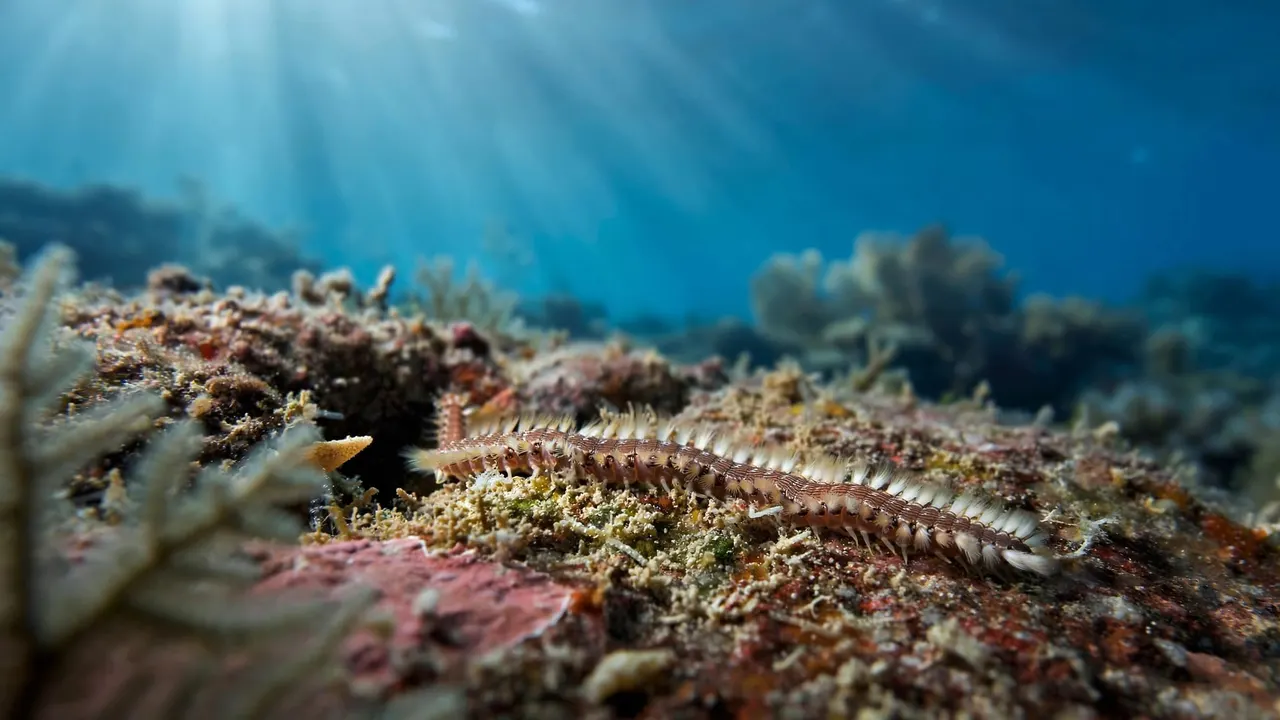
You can recognize possible Hawaiian fireworms by their elongated, segmented bodies and pale bristle tufts along both sides. Those bristles are your clearest reason to keep your distance, because contact can cause painful skin irritation.
With us at Living Ocean Tours, responsible snorkeling starts with observing marine life without touching it. You don’t need to identify every worm by species to enjoy Oahu’s reefs safely. Start with its body shape, then notice the details without moving closer.
What Hawaiian fireworms look like
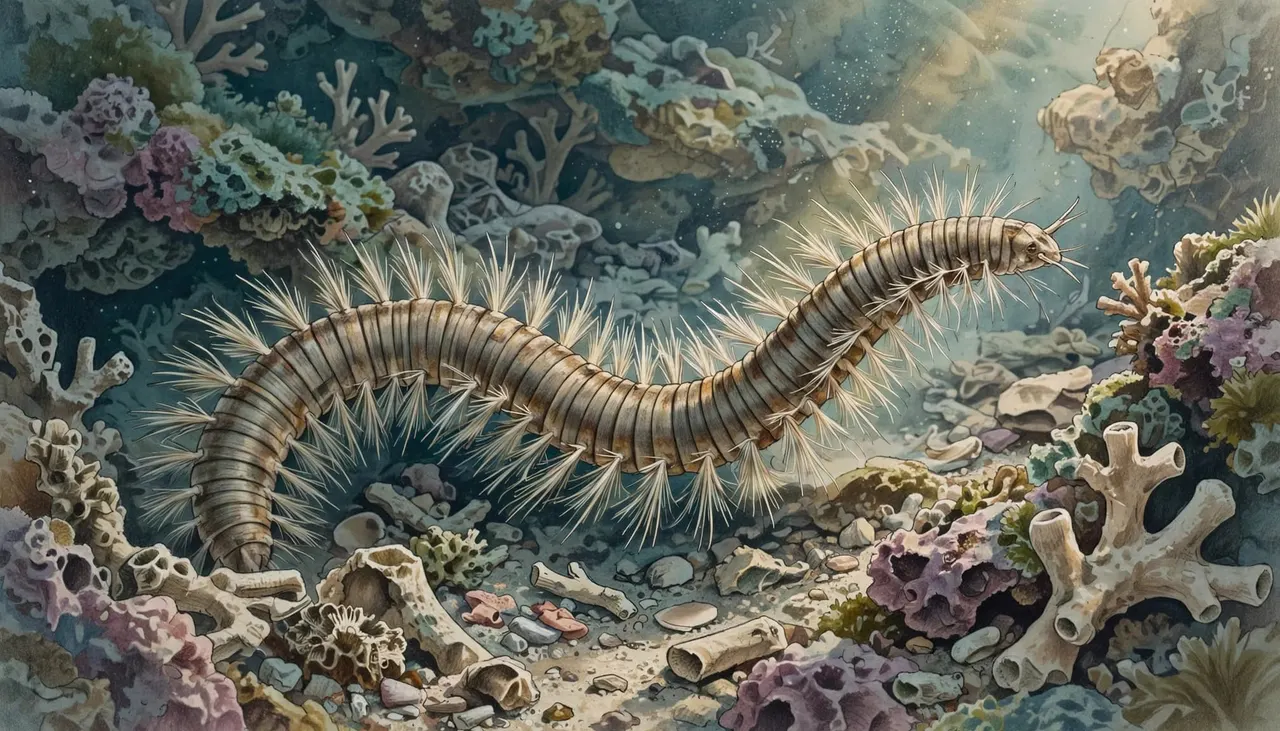
Look for a segmented, worm-shaped body
Your first clue is a long body divided into repeated sections. Unlike a smooth-looking eel, a bristleworm has visible segments and small structures projecting along its sides.
However, an elongated shape alone doesn’t identify a fireworm. Many marine worms share that basic outline, and a quick view through a snorkel mask rarely supports a species-level identification.
When you hear “Hawaiian fireworms,” treat the name as a common description rather than a single species name. Fireworms are bristled marine worms associated with the family Amphinomidae. You shouldn’t assume every bristleworm belongs to that family.
Notice the pale tufts along its sides
The most useful warning sign is a series of fine, pale bristle bundles. These can give the animal a fuzzy or fringed outline against darker reef rubble.
The bristles are called chaetae, also commonly called setae. They can penetrate skin, and some break off during contact.
Color is less dependable than structure. Underwater lighting changes what you see, while distance can hide small features. Instead of searching for one shade of red or orange, look for the combination of repeated segments and paired bristle tufts.
You don’t need a closer inspection once you notice that outline.
Separate bristleworms from other reef animals
Several reef residents can cause injuries, but their shapes differ. Use these broad visual clues without touching anything to test your identification.
| What you notice | What it suggests | Your safest response |
|---|---|---|
| An elongated, segmented body with side bristles | A bristleworm, possibly a fireworm | Observe without approaching |
| A rounded body covered in long spines | A sea urchin | Keep hands and feet clear |
| A fixed, branching or encrusting structure | Coral or another attached reef organism | Avoid contact with your body and fins |
| A long body with fins rather than bristle tufts | A fish, potentially an eel | Give it space and leave crevices alone |
The distinction matters because a coral scrape, an urchin puncture, and embedded worm bristles aren’t interchangeable injuries.
Also, be careful with online identification photos. Familiar fireworm images often feature the bearded fireworm, Hermodice carunculata. NOAA’s Caribbean fireworm observations describe amphinomid worms in a different region; a similar-looking animal doesn’t establish the species you saw off Oahu.
For a snorkeling encounter, recognizing a potentially irritating animal is enough. An uncertain identification should lead to more space, never a hands-on examination.
Where to look without disturbing the reef
Scan shaded edges and reef crevices
Bristleworms can occupy sheltered spaces beneath rocks and around reef structure. The World Health Organization’s recreational-water safety guidance identifies rocks and boulders as bristleworm hiding places.
From the surface, you might notice part of a worm along a shaded edge rather than an entire animal in the open. Still, don’t reach beneath ledges or lift rubble for a better view.
Those spaces shelter many organisms. Turning over a rock disturbs their habitat and puts your fingers near animals you can’t see. A partly hidden animal is a reason to leave the crevice alone.
Skip the search for a guaranteed location
You shouldn’t plan a snorkel around finding Hawaiian fireworms at a particular Oahu beach. Their presence isn’t something a snorkeling outing can promise.
Instead, approach reef watching as a chance to notice smaller animals alongside the fish and turtles. Pause where you can float comfortably, then scan the reef without descending toward it.
If the water is murky or surge pushes you toward the bottom, move away. Finding a small worm never justifies losing safe clearance above the reef.
Your awareness of the water around you matters more than completing an identification.
Keep your body and fins clear of the reef
Float where you don’t need a handhold
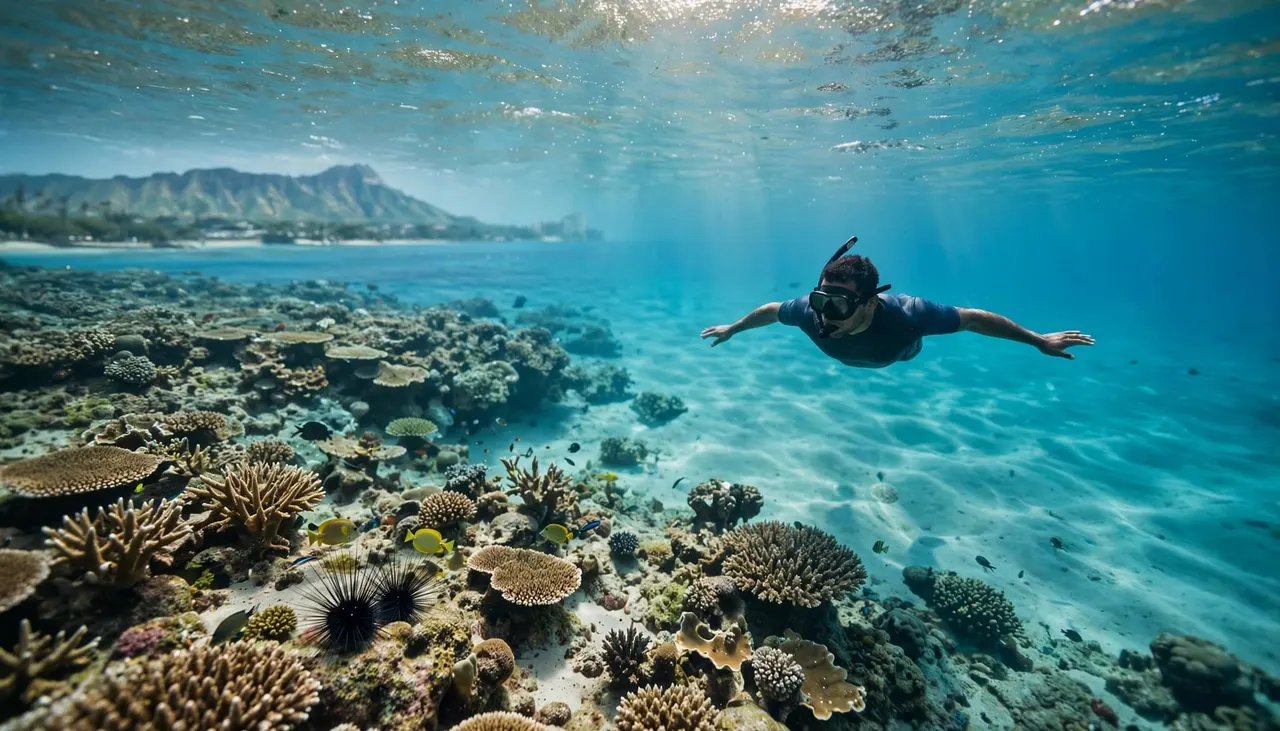
Avoiding contact with Hawaiian fireworms starts with controlling your position. Choose water where you can float without grabbing a rock or standing on the bottom.
Keep your body horizontal and use relaxed fin movements. Before stopping to watch something, notice where your fins will drift.
If you need to adjust your mask, move into clear water first. Gripping the reef for balance exposes you to hidden bristles, sharp surfaces, and other marine hazards.
Use appropriate flotation when needed, and stay within your swimming ability. Flotation supports you, but it doesn’t replace staying near your buddy or following your guide’s instructions.
Keep curious hands and cameras back
Children may mistake a fuzzy-looking worm for something soft. Explain before entering that interesting textures can hide sharp or irritating structures.
The same rule applies to adults carrying cameras. Reaching forward for a close-up can bring your hand closer than your mask makes it appear.
If a photo requires holding the reef or hovering within touching distance, skip the photo.
This approach also protects coral, which is made of living animals. Even when a surface looks like bare rock, you don’t need to use it as a handhold.
Giving wildlife room supports the Hawaiian practice of mālama i ke kai, caring for the ocean through your actions.
What to do after suspected bristle contact
Contact with Hawaiian fireworms or other bristly worms can cause stinging, itching, redness, swelling, or numbness. However, symptoms alone won’t tell you which animal caused the injury.
If you feel a sudden sting after brushing the reef, stop exploring and tell your buddy or guide. Then follow these steps:
- Leave the water calmly, using assistance if pain affects your movement.
- Avoid rubbing or scratching the area, because that can push bristles farther into your skin.
- If superficial bristles are visible and accessible, gently lift them with adhesive tape. Don’t dig into your skin.
- Wash the area gently with soap and clean water after removing visible bristles.
Keep affected hands away from your eyes. If you suspect eye contact, seek urgent medical care rather than attempting removal yourself.
Don’t use a treatment intended for an unidentified jellyfish sting, coral cut, or urchin puncture without medical guidance. Different marine injuries need different care.
Get medical attention if bristles remain embedded, pain is substantial, or symptoms persist. Increasing redness, warmth, drainage, or worsening swelling also deserves assessment.
Call 911 for trouble breathing, fainting, or swelling of the face or throat. These symptoms require emergency help, regardless of which animal caused them.
For children, tell an adult immediately rather than waiting until the end of the outing. Prompt attention also helps you avoid spreading bristles by rubbing the area with a towel.
Photograph what you see without moving closer
A photo can help you remember an encounter and discuss it afterward. However, identifying Hawaiian fireworms doesn’t require a close-up of every bristle.
If you already have an underwater camera, take a wider image while maintaining your position. Include enough surrounding reef to show the animal’s overall shape and habitat.
Then leave the animal undisturbed. Don’t poke it to make it move, spread its bristles, or emerge into better light.
A blurry image is preferable to damaged coral or an irritated hand. You can describe what you noticed afterward: a segmented body, pale side tufts, movement, and whether the animal was partly hidden.
Keep watching your buddy between observations, too. Looking down at one small subject can distract you from drift, nearby swimmers, or your distance from the boat.
If you’re snorkeling with children, let an adult manage photography. Kids benefit more from watching calmly than competing for the closest picture.
Explore Oahu with professional snorkel guidance
You can enjoy reef watching without making small-animal identification the focus of your entire outing. With our guided Waikiki snorkeling options, you have support while learning how to observe wildlife responsibly.
At Living Ocean Tours, we’re the only tour company with professional snorkel guides. Our trips depart from Kewalo Basin Boat Harbor, close to Waikiki, and include gear and guidance for your time in the water.
For first-time snorkelers, that support helps you practice the habits that matter here: keeping clear of coral and knowing when to ask for assistance. You can tell your guide when you notice an unfamiliar animal without touching or collecting it.
Our approach to marine life is straightforward: observe, don’t touch. That applies to a tiny worm just as much as a Hawaiian green sea turtle.
When you’re ready to plan your guided snorkeling outing, you can CHECK AVAILABILITY for your visit.
Recognize the warning signs and leave room
Recognizing possible Hawaiian fireworms comes down to a useful combination: a segmented body with pale bristles along its sides. You don’t need a species name to make a safe decision.
Keep your hands off the reef, maintain clearance with your fins, and leave hidden animals undisturbed. If contact occurs, stop snorkeling and address the injury promptly.
Your most useful identification skill is knowing when you’ve seen enough to keep your distance. That leaves you free to enjoy Oahu’s underwater life without disturbing it.


