
Green Turtle Swim Speed at Turtle Canyon: What to Expect
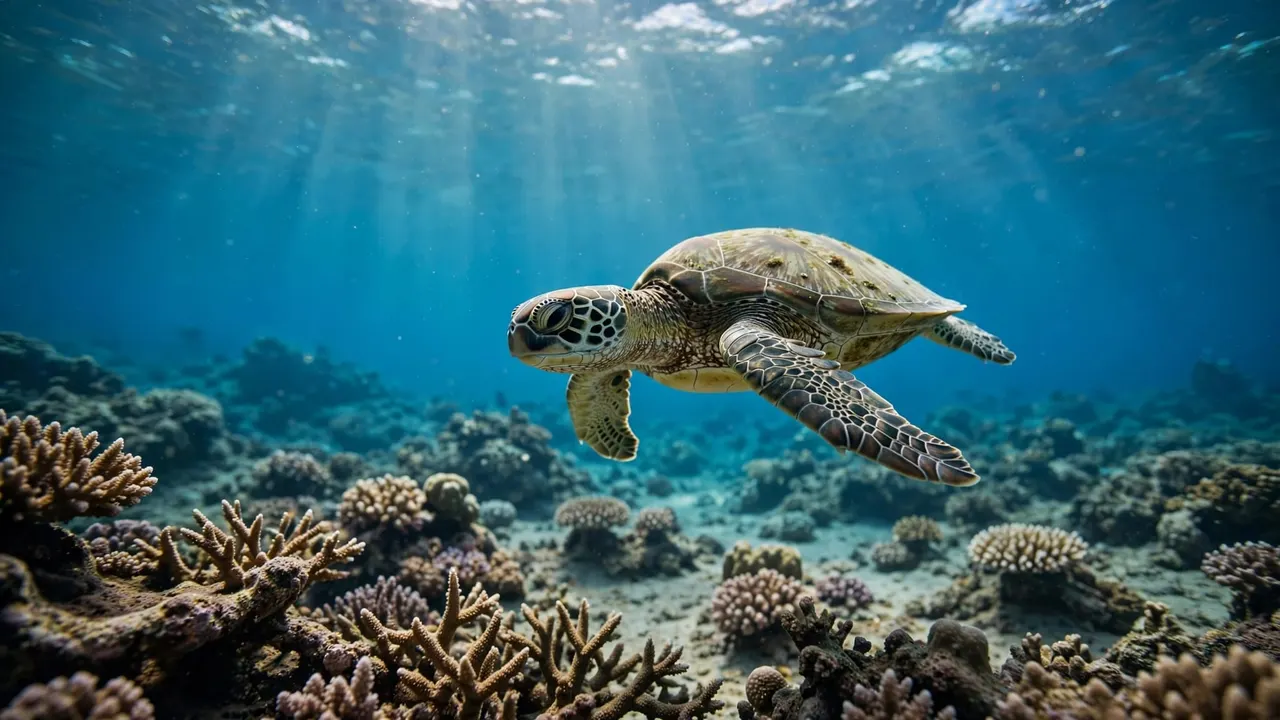
Green turtle swim speed can change throughout a snorkel, but sea turtles often move at a relaxed cruising pace. General estimates put sea turtle cruising speeds around 0.9 to 5.8 miles per hour, though that range isn’t a measurement taken at Turtle Canyon.
On our Living Ocean Tours turtle snorkel, you might see a Hawaiian green sea turtle glide over the reef, pause near fish, or rise for air. The best way to enjoy the encounter is to let the turtle set the pace.
Here’s what those speed estimates mean when you’re watching a honu in the water.
Key takeaways for your turtle snorkel
A cruising turtle can look slow and graceful, yet it can cover water quickly when it chooses. The speed ranges available describe sea turtles generally, so they can’t tell you exactly how fast an individual honu will move during your snorkel.
You don’t need to keep up with a turtle to enjoy seeing one. Float calmly, give it space, and watch for changes in its movement around the reef.
What green turtle swim speed estimates tell you

The Smithsonian Ocean Portal says sea turtles generally cruise at about 0.9 to 5.8 miles per hour. It also reports that frightened sea turtles have been found swimming as fast as 22 miles per hour.
The Oliver Ridley Project gives a different general range of about 1.7 to 6.2 miles per hour. Both sources discuss sea turtles broadly, rather than measuring green turtles at Turtle Canyon.
Cruising speed is a range
Your view of green turtle swim speed will depend on what the animal is doing. A turtle crossing open water may look noticeably faster than one pausing near the reef.
Those broad estimates are useful context, but you can’t use them as a speedometer for an individual animal. A turtle may pause, turn, or leave your view during a single encounter.
Fast swimming is different from a calm encounter
The upper speed reported by the Smithsonian is associated with frightened sea turtles. It’s not a pace you should expect to witness on every trip, and it isn’t a reason to try to make a turtle move.
Give each honu room to choose its own direction. A relaxed view of natural behavior is more rewarding than a close encounter that interrupts it.
Why a honu changes pace around the reef

A Hawaiian green sea turtle, or honu, doesn’t spend every moment swimming in a straight line. During your snorkel, its movements may change as it travels, rests, visits a cleaning area, or heads toward the surface.
Gliding and turning
Watch the turtle’s front flippers as it moves. Strong strokes propel it through the water, and you may see it glide between movements. Its body can also turn or change depth without the splashing you’re used to seeing from a swimmer.
That easy-looking motion can make green turtle swim speed hard to judge. Even a turtle that appears unhurried may move beyond your view before you expect it to.
Pausing near the reef
At Turtle Canyon, a honu may linger near rocks or coral while small reef fish gather around it. During a pause, you can take in details you might miss while watching a turtle cross open water.
Look at the surrounding reef, too. Fish may move around the turtle’s shell and skin, while the turtle remains in place or shifts position. Let the animal decide when the visit is over.
What happens at a turtle cleaning station?
Turtle Canyon is an offshore reef area near Waikiki known for its natural turtle cleaning stations. Small reef fish may remove algae and other material from a turtle’s shell and skin. The fish get food, and the turtle gets a visit from its reef neighbors.
From the surface, you may see a honu hover near the reef before moving on. That pause can give you a lovely chance to observe without swimming toward it. Keep your fins clear of coral and watch the whole scene, including the fish around the turtle.
A cleaning station isn’t a scheduled attraction. Turtles are wild animals, so their timing and behavior vary. You may see one rise for a breath, pass over a sandy opening, or disappear behind a reef feature instead.
Our trips have about a 95% turtle-sighting rate, but no encounter is guaranteed. Tropical fish and the reef itself are worth your attention throughout the snorkel.
How to watch a turtle without chasing it

Your position in the water matters more than your ability to match green turtle swim speed. Stay at the surface, move gently, and give the honu a clear path wherever it chooses to go.
Leave room to surface
Sea turtles breathe air, so avoid positioning yourself directly above one or blocking its route to the surface. Give turtles at least 10 feet of space as a practical viewing guideline. If one approaches you, calmly move away and make more room.
Don’t touch, feed, chase, or surround a turtle. Hawaiian green sea turtles are protected under federal and state law, and NOAA Fisheries’ green turtle profile describes the species and its protections.
Let a turtle leave your view
If a honu swims away, resist the urge to follow. You can continue watching from where you are as long as the turtle has plenty of space.
A turtle that turns or swims faster isn’t necessarily reacting to you. Still, if your presence appears to change its behavior, give it more room. Ask your guide for help if you aren’t sure where to position yourself.
Can beginners enjoy Turtle Canyon snorkeling?
You don’t have to be a fast swimmer to appreciate a turtle encounter. A comfortable surface float gives you time to look down, breathe steadily, and enjoy the reef without trying to keep pace with wildlife.
Get comfortable with your gear
Before entering the water, tell your guide if you’re new to snorkeling or want extra support. We provide snorkel gear, instruction, and flotation aids. You can take time to get comfortable with your mask and breathing before focusing on the reef below.
Keep your movements small and controlled. Gentle fin kicks help you stay oriented without stirring up the water or crowding other snorkelers.
Pay attention to your own limits
Ocean conditions can change, and snorkeling takes energy even when you’re floating. Stay with your guide, follow the briefing, and speak up if you’re tired, cold, or uncomfortable.
You can return to the boat for a break when you need one. Children should stay close to their supervising adults and follow the crew’s directions. Your comfort and safety matter more than seeing one more turtle.
Join our Turtle Canyon snorkel
Our Turtle Canyons Snorkel Excursion leaves from Kewalo Basin Boat Harbor, minutes from Waikiki. The trip lasts about two hours, with approximately one hour of snorkeling time.
At Living Ocean Tours, we’re the only Oahu tour company with professional snorkel guides in the water with you. Our guides help you feel comfortable with your gear and show you how to observe wildlife respectfully.
You can spend your water time watching for honu, looking at reef fish, and enjoying the view at your own pace.
Explore availability for your ocean adventure:
For the Turtle Canyons excursion, you can also CHECK AVAILABILITY for your preferred trip.
Frequently asked questions
Can you swim as fast as a green turtle?
You may be able to move alongside a slowly gliding turtle, but its pace can change quickly. You don’t need to match green turtle swim speed for a good view. Stay back and let the turtle travel without following it.
Do turtles always swim during a snorkel?
A honu may swim, glide, or pause near the reef. It also needs to surface for air. Each encounter is different, so give the turtle room to move between the reef and the surface.
Will you see a turtle at Turtle Canyon?
Our Turtle Canyon trips have about a 95% turtle-sighting rate, but sightings aren’t guaranteed. Wildlife moves freely, and ocean conditions vary. Your guide can help you look for turtles while you enjoy the rest of the reef.
What if a turtle swims toward you?
Stay calm and give it space. Move gently out of its path rather than reaching for it or trying to swim beside it. If you need help moving away, signal your guide.
Let the honu set the pace
Green turtle swim speed can look effortless, but every encounter is different. You might see a honu glide across the reef or pause while fish gather nearby.
Give it space to move, and enjoy whatever the moment offers. A patient view lets you experience Turtle Canyon while respecting the animals that call it home.


