
A golden hour boat tour: How Ocean Reflections Change
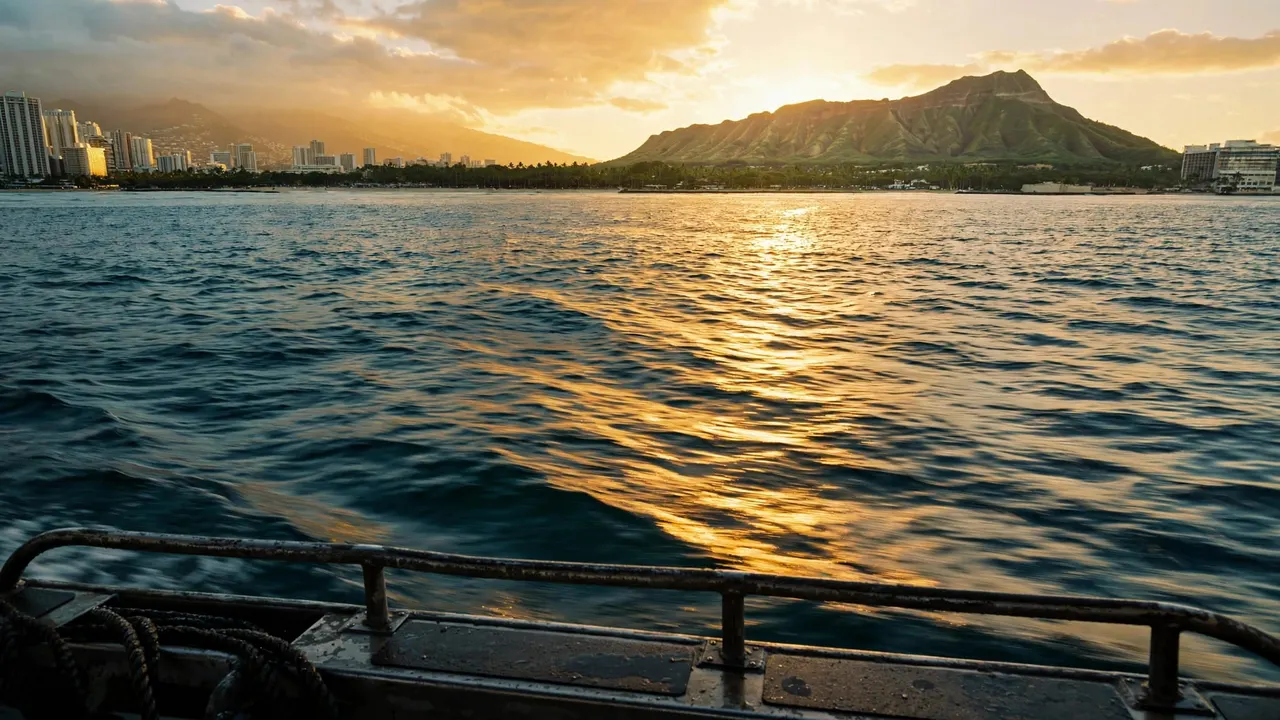
You can watch the same patch of ocean turn bright, dark, and bright again without a single cloud moving overhead. On a golden hour boat tour, your viewing angle and the moving water shape the reflections as much as the setting sun.
At Living Ocean Tours, you can enjoy those changing views along Waikiki’s coastline without getting wet. The real reward is watching the whole transition, rather than waiting only for the moment of sunset.
Start with the light itself, then notice how the ocean breaks it into moving pieces.
Key Takeaways
- Low sunlight travels through more atmosphere, which often gives direct sunlight a warmer appearance.
- Ocean ripples reflect sunlight at different angles, so the bright reflection shifts as the water and boat move.
- Your seat changes the view: open-water reflections, Diamond Head, and the Waikiki skyline offer different compositions.
- Clouds and wind affect the experience, while twilight gives you another reason to keep watching after sunset.
Why a golden hour boat tour Looks Different
Low sunlight warms the scene
As the sun approaches the horizon, its light takes a longer path through the atmosphere. Air molecules scatter shorter wavelengths more strongly, leaving direct sunlight with a warmer appearance.
You notice that change on the boat’s railings, nearby faces, and the coastline. Meanwhile, the ocean combines reflected sunlight with light arriving from the surrounding sky.
That combination explains why the water doesn’t become one uniform color. A sunlit ripple can look warm while the neighboring trough remains cool or dark. Because each surface faces a slightly different direction, neighboring patches can look surprisingly different.
Golden hour isn’t a fixed hour
Despite its name, golden hour doesn’t always last 60 minutes. Its duration depends on your latitude, the season, and how you define the sun’s position.
For your evening, the useful distinction is between low direct sunlight and the softer light that follows sunset. Before sunset, you can see bright sun reflections on suitably angled water.
After the sun disappears, direct sunglint fades. However, the ocean can still reflect the illuminated sky.
You get more out of the outing when you watch both stages. Waiting for a single sunset photograph leaves much of the changing light unnoticed.
Why the Ocean’s Reflection Keeps Moving
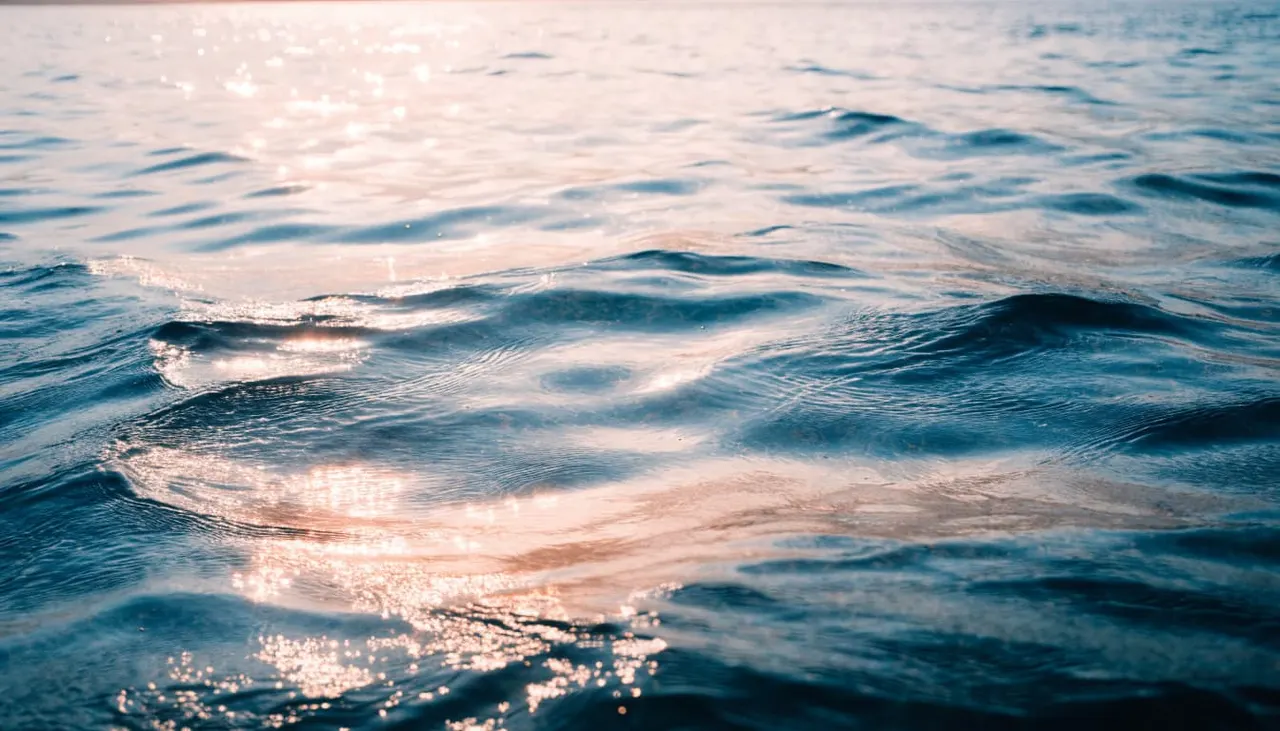
Every ripple changes the angle
The bright streak beneath the sun consists of many separate reflections. Each small area of water briefly tilts into an angle that sends sunlight toward your eyes.
NASA’s explanation of the science of sunglint describes the same optical principle through satellite observations. Sunlight reflects off water into the observer’s line of sight.
Because the ocean keeps moving, those reflecting surfaces don’t stay aligned. Some brighten while others turn away.
During a golden hour boat tour, you can watch that change close to the hull. Nearby ripples give you an easy place to notice individual flashes. Farther away, many reflections merge into what looks like a continuous band.
The bright path follows your viewpoint
The reflection isn’t a permanent stripe painted across the sea. Its appearance depends on the relationship between the sun, the water, and your position.
As the boat changes heading, the bright area moves within your view. Moving between permitted viewing areas also changes which ripples send sunlight toward you.
Two passengers can see different bright patches because each person’s eyes receive reflections from different parts of the water.
Wave shape matters, too. A smoother surface offers fewer reflecting angles, while rippled water provides a wider range. Rougher water can spread the glints, although its exact appearance depends on the waves and viewing geometry.
How Clouds and Wind Change What You See
A clear sky gives direct sunlight an unobstructed route to the ocean. However, clouds can interrupt that light or spread it across a softer scene.
When a cloud covers the sun, the strongest reflection may weaken abruptly. The water can still reflect bright sky elsewhere, so the scene doesn’t necessarily become dull.
NASA Earthdata’s explanation of reflected-light glints makes an important distinction: glints are reflected sunlight. The ocean isn’t producing its own glow.
Wind changes the surface that receives that light. Small ripples create many shifting angles, while larger waves add stronger changes in slope and shadow.
For your viewing experience, that means a breezy evening can offer lively texture rather than a smooth reflection. Yet wind also affects comfort, so hold the handrails and follow the crew’s directions when moving.
Don’t judge the evening only by whether the sky turns orange. Reflections, cloud edges, and the changing brightness of the coastline can be interesting even when the sunset stays subtle.
Choose Your View, Not Just Your Seat
Open water highlights the reflections
If your priority is the ocean’s changing light, choose a permitted viewing position with a clear sightline toward the sunset. Railings and nearby passengers can affect a photograph, but you don’t need to crowd the bow.
The boat’s heading changes during the trip. Therefore, one side won’t remain the ideal side throughout your golden hour boat tour.
A higher viewpoint lets you see more water surface at once. A lower viewpoint brings nearby ripples into the foreground.
Neither is automatically better. Choose the perspective that matches what you want to see, then let the boat’s movement provide the next view. Move only when the crew says it’s safe.
The coastline adds another subject
Looking toward land gives you a different composition: Diamond Head, Waikiki’s buildings, and the water between you and shore.
The sun’s direction changes seasonally, so don’t expect it to line up directly behind Diamond Head. Instead, use the landmark as a recognizable part of the scene.
As daylight fades, buildings lose detail and city lights become easier to notice. Meanwhile, the ocean reflects the remaining sky light.
For families, shaded seating and secure footing can matter more than an unobstructed camera angle. Comfortable passengers have more attention available for the view.
Photograph the Light Without Missing the Evening
You don’t need a professional camera to photograph changing ocean reflections. A phone works well when you keep the composition simple and account for boat movement.
Use these steps during your golden hour boat tour:
- Start with the standard lens. A wide view can include the horizon, water texture, and coastline. Heavy digital zoom makes movement harder to manage.
- Protect the bright details. Tap near the bright water or sky, then lower exposure slightly if highlights look blank. Keep enough shadow detail to show the boat or shoreline.
- Take several short attempts. Ripples change quickly, so a small sequence gives you different reflection patterns without requiring a long exposure.
Afterward, lower the phone and watch for a while. The next change may be easier to appreciate when you aren’t adjusting settings.
For portraits, face your companion toward the warm light when possible. If the sun sits behind them, your camera may turn their face into a silhouette.
A polarizing filter can reduce some reflections at certain angles. However, that can also remove the shimmer you came to photograph.
Keep the horizon level, use a wrist strap, and avoid leaning beyond the railing. For comfortable viewing, look at the water and coastline rather than staring directly at the sun.
Plan Your Waikiki Evening With Living Ocean Tours
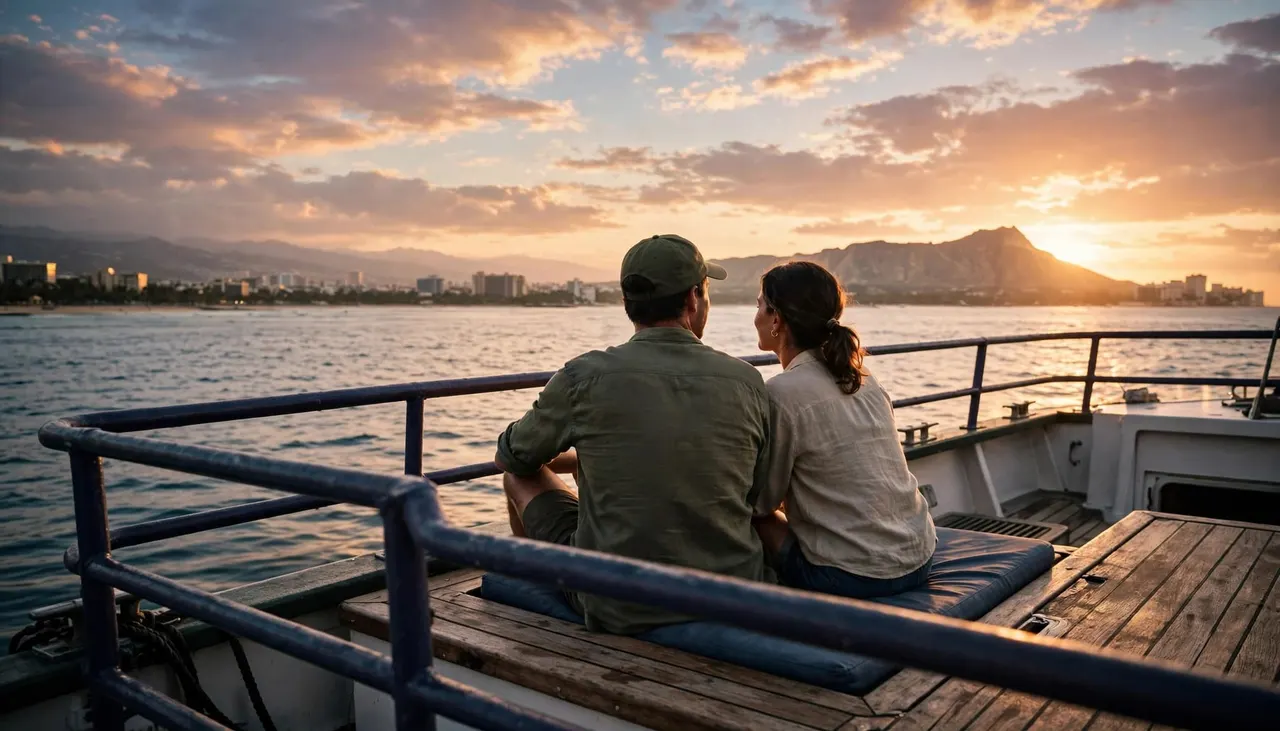
Give the scenery room in your schedule
Our daily Waikiki Sunset Cruise lasts 90 minutes and departs from Kewalo Basin Boat Harbor, minutes from Waikiki. You can choose BYOB or cash-bar options for an evening focused on coastal scenery.
Browse our Honolulu ocean tours when choosing your outing. A golden hour boat tour suits couples and families who want ocean views without masks, fins, or wet towels.
We’re also the only tour company with professional snorkel guides. For this evening experience, you can simply stay dry and enjoy the view.
Bring less, enjoy more
Pack sunglasses, a light layer for the breeze, and a secure strap for your phone. Our vessels have shaded seating, onboard restrooms, and dry storage.
No swimming is required for this sightseeing outing. If wildlife appears, enjoy it without encouraging contact or disturbing it.
For your sunset outing, you can CHECK AVAILABILITY.
Keep Watching as Golden Hour Becomes Twilight
The reflection that caught your attention at departure won’t remain unchanged throughout the evening. Low sunlight, wave angles, and your moving viewpoint keep altering what reaches your eyes.
Give yourself time to notice the changing water, then enjoy the softer shoreline views after sunset. A golden hour boat tour rewards your attention throughout the outing, not only when the sun reaches the horizon.
Frequently Asked Questions
Does the ocean need to be calm for reflections?
No. Calm water can produce concentrated reflections, but rippled water also reflects sunlight. Each wave presents several angles, creating separate glints.
You may see more scattered flashes on a textured surface. Still, the result depends on the sun’s position and your viewpoint, not wind alone. A glassy ocean isn’t a requirement for an interesting evening.
Can you still see reflections after sunset?
Yes. Once direct sunlight no longer reaches the visible surface, the ocean can continue reflecting the twilight sky.
The appearance becomes softer because the bright source now covers more of the sky. Along Waikiki, shoreline lights also become more noticeable as the surroundings darken. Keep watching the water as well as the skyline, because the transition continues beyond the sunset itself.


