
Your food allergy boat tour: Onboard Snack Questions
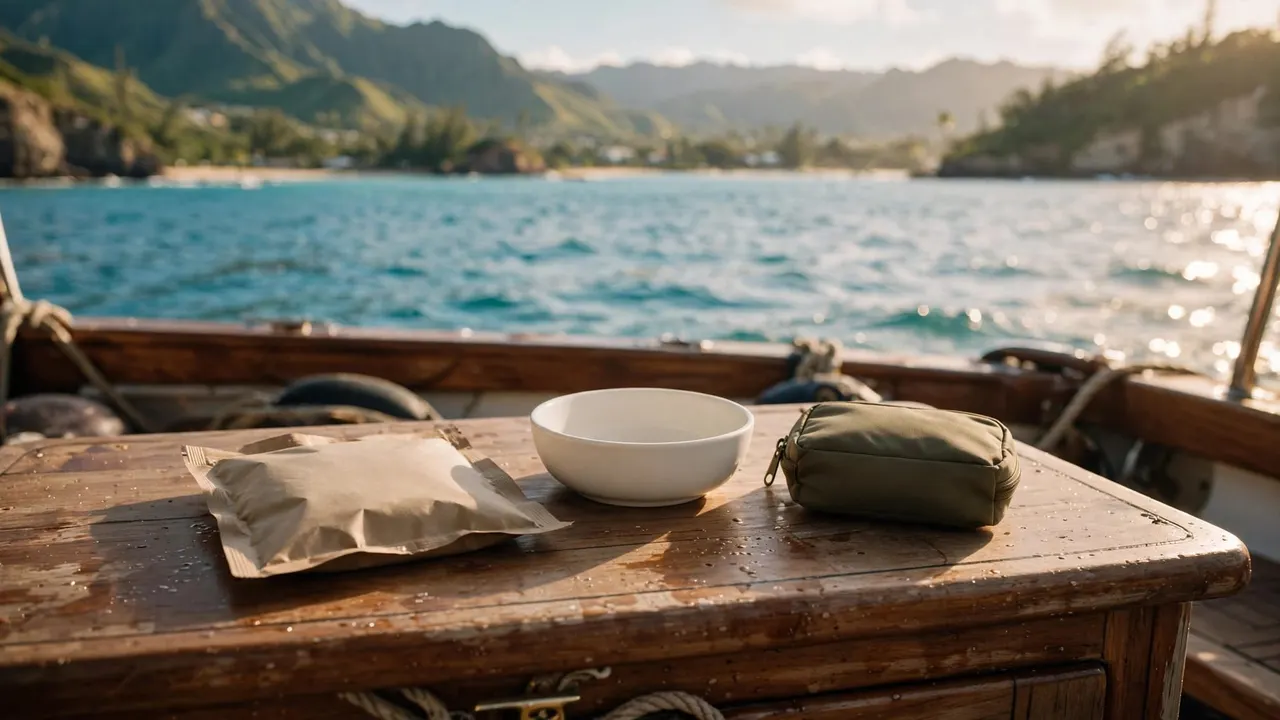
Before a food allergy boat tour, ask what snacks are served, how they’re handled, and whether you can bring your own food. Keep prescribed emergency medication accessible, even if you don’t plan to eat onboard.
At Living Ocean Tours, we want you to enjoy Honolulu’s ocean views with your health needs clearly understood. Start with specific snack questions, because ingredient information and serving practices matter more than a general promise that food is “allergy-friendly.”
Key Takeaways for Allergy-Aware Guests
- Name your exact allergen and explain whether cross-contact is a concern.
- Ask for the original packaging, including ingredients and any precautionary statements.
- Treat shared utensils, serving bowls, and preparation surfaces as separate questions.
- Bring outside food only when permitted, and keep prescribed rescue medication within reach.
You don’t need to eat the provided snacks to enjoy an ocean outing. However, skipping them doesn’t answer every question about shared surfaces or emergency access. Your plan should cover both what you eat and what happens if symptoms begin.
Ask Exactly What Onboard Snacks Contain
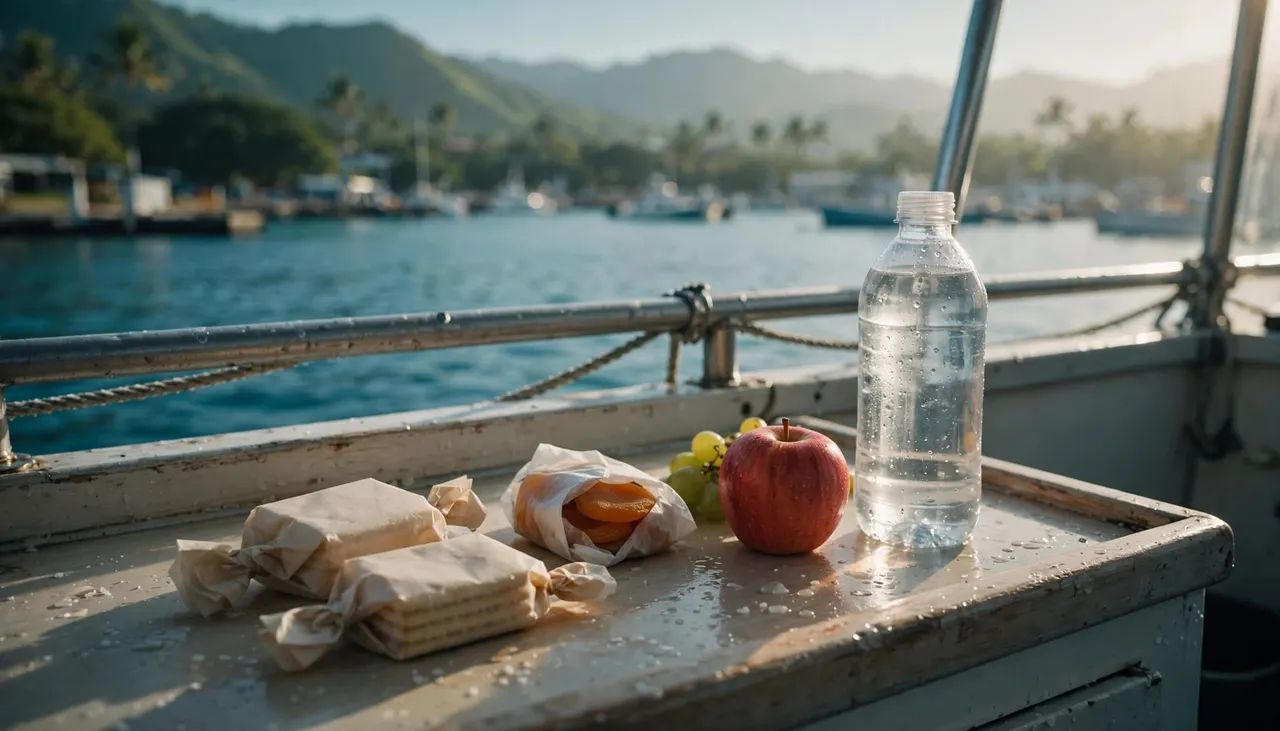
“Snacks included” describes a convenience, not an ingredient list. Cookies, crackers, granola bars, and mixed snack packs can contain very different allergens.
Request the Original Package Information
Ask, “What specific snacks are served, and will their original ingredient labels be available?” Include drinks, dips, dressings, and garnishes if they’re part of the food service.
Read the complete label each time you eat a packaged item. The FDA’s food allergy information explains allergen labeling, but a package still needs to match your individual restrictions. A familiar flavor or brand name isn’t enough when recipes or package sizes differ.
Also, don’t treat “vegan,” “gluten-free,” or “organic” as a promise that a product excludes your allergen.
Ask How Substitutions Are Handled
Ask, “Could a different brand or snack replace the planned item on departure day?” A substitute needs its own ingredient review, even when it looks similar.
Keep the final package available until you’ve made your decision. If someone offers an unpackaged cookie or a handful of crackers, you lose access to information that could affect whether you eat it.
For allergies outside the major labeling categories, the full ingredient list deserves particular attention. Your personal allergy plan should guide decisions when packaging leaves a question unanswered.
Separate Ingredients From Cross-Contact Risks
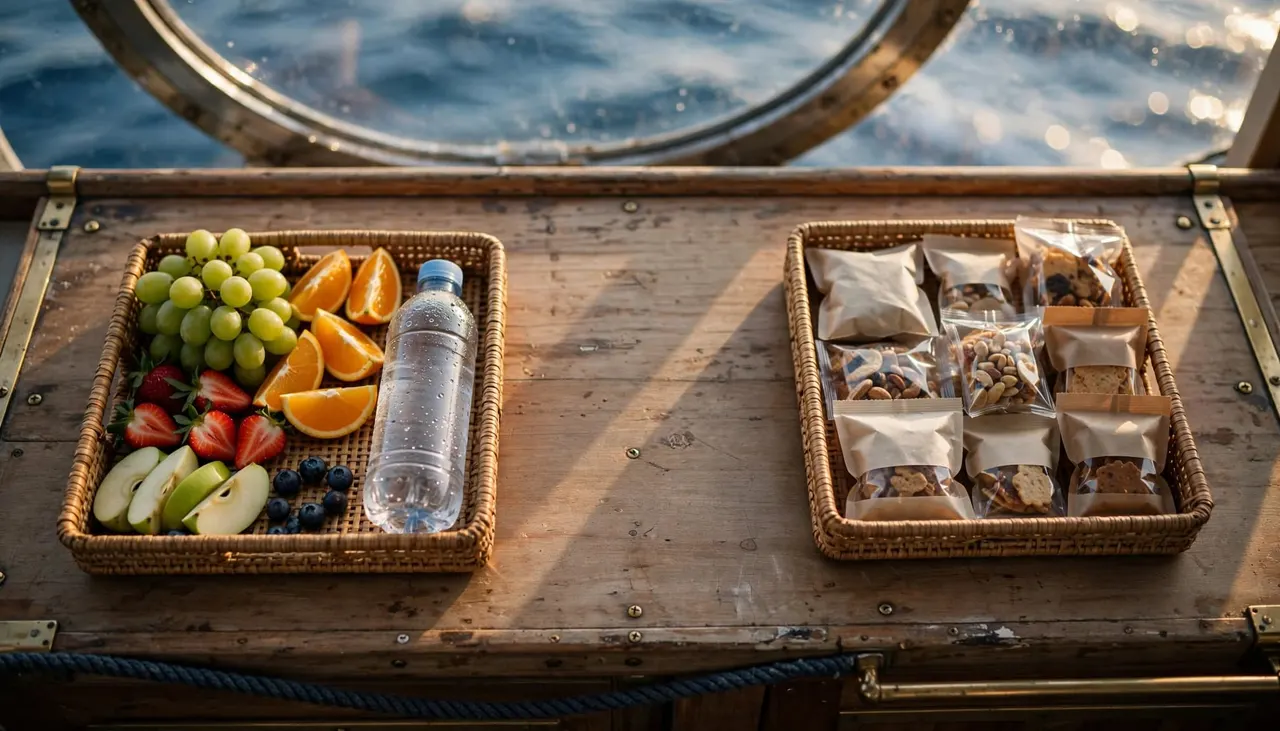
For a food allergy boat tour, an acceptable ingredient list answers only part of the question. Cross-contact happens when an allergen unintentionally transfers to another food.
Ask About Preparation and Storage
Ask, “Are snacks opened, cut, or portioned before serving, and what surfaces and utensils touch them?” Follow with, “Are my items stored separately from foods containing my allergen?”
Those questions distinguish a factory-sealed package from food handled in a shared preparation area. The FDA’s labeling and cross-contact guidance treats allergen labeling and cross-contact as distinct concerns.
Separate trays alone don’t establish that preparation was separate. Similarly, removing cheese, nuts, or another visible ingredient doesn’t undo contact that already happened. A fresh portion needs its own handling assessment.
Consider What Happens During Serving
Ask, “Does everyone reach into a shared bowl, or are snacks distributed in unopened individual portions?” Shared tongs and hands can introduce another source of contact.
A sealed package lets you review its contents before opening it. However, its outside can still touch shared counters, so avoid placing your food directly on a table or bench.
Before eating, wash your hands with soap and water. Hand sanitizer doesn’t reliably remove food allergens. For children, arrange snack help before wet hands and excitement make food sharing harder to manage.
A food can have acceptable ingredients and still present a cross-contact concern through preparation or serving.
Plan a Backup Snack Without Assuming Permission
A food allergy boat tour is easier to manage when you have a practical alternative to shared snacks. Ask, “May I bring my own food, and what limits apply to containers, coolers, or glass?”
If outside food is permitted, choose something familiar that you can keep closed until eating. Individually portioned food reduces mix-ups within your group. Still, packaging doesn’t make an unfamiliar food appropriate for your allergy.
Don’t build your plan around onboard refrigeration, heating, or crew preparation. A shelf-stable snack you already tolerate is simpler than a meal requiring temperature control or assembly. If your food needs cooling, use a permitted storage method that maintains its required temperature.
Keep your portion separate from communal food, and explain that it isn’t for sharing. Avoid placing an open container beside a shared snack bowl.
You can also eat a familiar meal before departure and plan another afterward. That reduces dependence on onboard options without requiring you to skip food for the whole outing. Account for transportation time and possible delays, especially when your medical needs require scheduled eating.
Keep Medication and Your Emergency Plan Accessible
Before your food allergy boat tour, discuss any swimming-related medical concerns with your clinician. Being offshore changes access to emergency care, so your plan needs to cover more than your snack choice.
Give Essential Supplies a Clear Place
Bring your prescribed rescue medication rather than relying on a vessel to stock it. Keep it in a secure, accessible bag, and tell your companion exactly where it is.
Follow the storage directions for your specific product. A water-resistant pouch protects against spray, but it doesn’t automatically control temperature or make medication suitable for submersion. Avoid leaving essential supplies in direct sun.
The Food Allergy & Anaphylaxis Emergency Care Plan from Food Allergy Research & Education provides a physician-signed framework for recognizing and treating reactions. Keep your own current plan available.
Respond Promptly to Possible Reactions
Tell the crew immediately if symptoms develop. Explain the suspected allergen, what symptoms you’re experiencing, and whether you’ve used medication.
For suspected anaphylaxis, use prescribed epinephrine promptly according to your emergency plan. Don’t delay treatment while waiting for an antihistamine to work. The American Academy of Pediatrics’ emergency-plan guidance emphasizes epinephrine’s role in reversing anaphylaxis symptoms.
If nausea or vomiting follows suspected allergen exposure, don’t automatically label it seasickness. Follow your allergy plan and alert the crew. Let the captain coordinate the vessel’s emergency response while your companion helps communicate your needs.
Make Snack Time Manageable on a Moving Boat
Eat while seated when conditions and crew instructions allow. Wind, spray, and boat movement make open containers harder to manage, so close your snack between portions.
For families, assign one adult to manage a child’s food and medication. That person should know which snacks belong to the child and where rescue treatment stays. Meanwhile, remind siblings that sharing food can create a problem even when they’re trying to help.
Keep bags out of walkways and away from stairs. If you need something from storage, follow crew directions rather than reaching across seats while the boat moves.
Food also belongs out of the ocean. Don’t feed fish, toss crumbs overboard, or leave wrappers where wind can carry them away. During wildlife encounters, give animals space and follow your guides’ instructions.
Choose Your Honolulu Outing Around Your Needs
You can explore our Honolulu snorkeling and boat tours with your preferred activity level in mind. We depart from Kewalo Basin Boat Harbor, near Waikiki, so include travel to the harbor in your food and medication planning.
We’re the only tour company with professional snorkel guides. Their in-water guidance supports your snorkeling experience, while your allergy treatment plan remains personal to you and your healthcare team.
Choose an outing for the ocean experience you want, without treating its format as an allergy accommodation. Staying aboard and entering the water require different medication-access arrangements.
Frequently Asked Questions About Boat Tours and Allergies
Can You Take a Food Allergy Boat Tour With a Severe Allergy?
Participation depends on your medical needs and the outing’s food-handling and emergency-access arrangements. A severe allergy warrants individualized advice from your clinician. Don’t assume that avoiding onboard snacks eliminates every exposure risk, or that a boat can return to shore immediately.
Is Fresh Fruit Automatically a Safer Snack?
No food is appropriate for every allergy. Whole fruit may involve fewer preparation steps than cut fruit, but your own allergens still determine what you can eat. For prepared fruit, shared knives, cutting boards, and serving utensils also matter. Choose based on ingredients and handling rather than the food’s healthy appearance.
Should Your Epinephrine Go Snorkeling With You?
Don’t assume a waterproof pouch makes an auto-injector suitable for underwater use. Follow its storage instructions and discuss water activities with your clinician. Your plan must identify where medication stays, who can reach it, and how you will get help while away from the boat.
Enjoy the Ocean With a Clear Snack Plan
Your strongest preparation combines specific food questions with accessible treatment. Know what you intend to eat, keep it separate, and make sure your companion understands your emergency plan.
Once aboard, follow crew instructions and speak up promptly about symptoms. A clear plan helps you give more attention to the coastline, your family, and the ocean around you.


