
Is feeding sea turtles Oahu visitors see allowed?
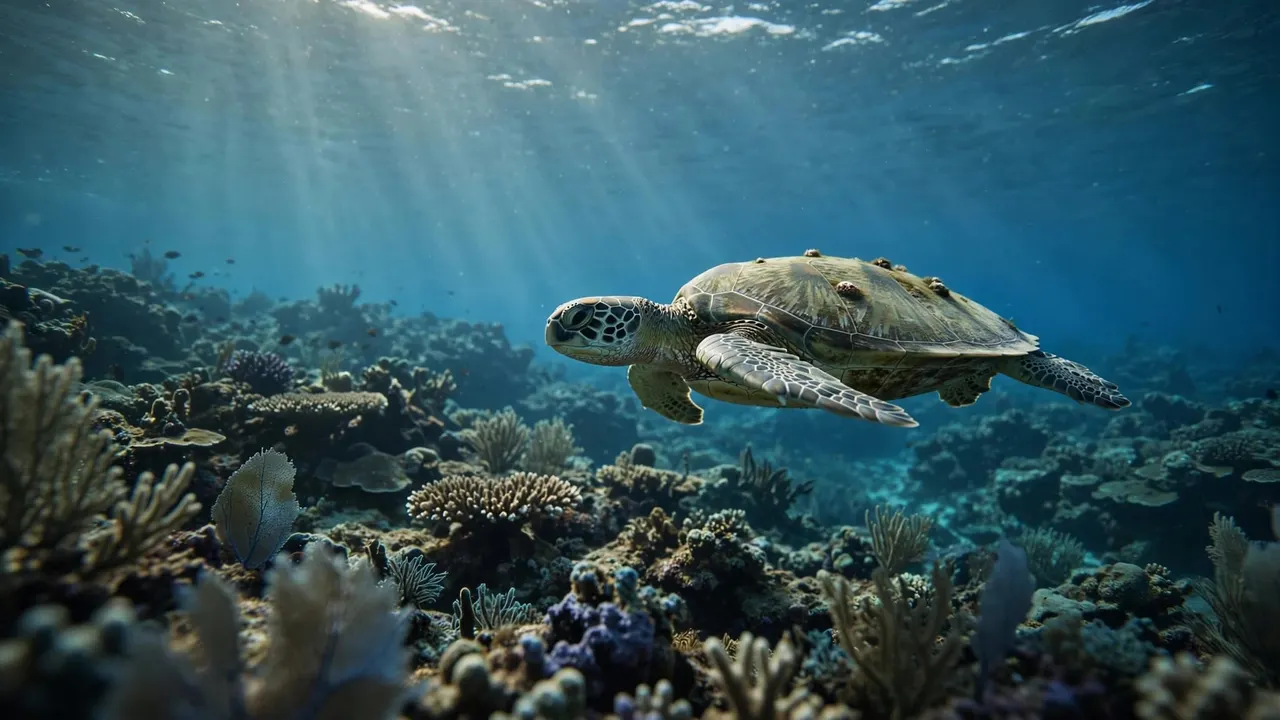
If you’re considering feeding sea turtles Oahu visitors encounter at Turtle Canyon, the answer is no. At Living Ocean Tours, we help you enjoy these animals through hands-off wildlife viewing, without food or contact.
Hawaiian green sea turtles, known as honu, are protected wildlife with natural routines worth watching. Your encounter starts with giving them room to swim, visit the reef, and surface for air.
Key Takeaways
You can enjoy Turtle Canyon without changing a turtle’s behavior. Keep these essentials in mind:
- Never feed, touch, chase, surround, or ride a sea turtle.
- Follow NOAA’s recommendation to stay at least 10 feet (3 meters) away, while leaving the turtle’s route open.
- Listen to your guide, keep your fins clear of coral, and let wildlife choose where it goes.
The distance recommendation supports responsible viewing. It isn’t a fixed statewide legal boundary that makes closer contact acceptable.
Why feeding sea turtles Oahu visitors see is prohibited
Protected wildlife needs undisturbed space
Hawaii’s sea turtles have protection under the federal Endangered Species Act and state wildlife laws. The Hawaii DLNR sea turtle guidance explains those protections.
Feeding is a disturbance, and it is prohibited. You shouldn’t offer bread, fruit, fish scraps, or anything else, even when a turtle seems interested.
There is no tour exception for feeding sea turtles Oahu visitors find offshore. Being on vacation, joining a guided trip, or seeing another person do it doesn’t change the rule.
You also shouldn’t interpret a turtle’s calm appearance as permission. An animal can remain nearby while your actions interfere with its movement or normal routine.
Feeding can change natural behavior
Offering food encourages wildlife to associate people with meals. That changes an encounter that should happen on the turtle’s terms.
Human food also isn’t a substitute for a turtle’s natural diet. Even a small offering creates an unnecessary interaction between your hands and a protected animal.
Keep snacks aboard the boat, and keep wrappers secured. Don’t toss leftovers into the ocean or use food to attract fish around a turtle.
Your role is straightforward: observe what happens naturally. A turtle swimming past without stopping for you is still a wildlife encounter worth enjoying.
What turtles are doing at Turtle Canyon
Watch the natural cleaning station
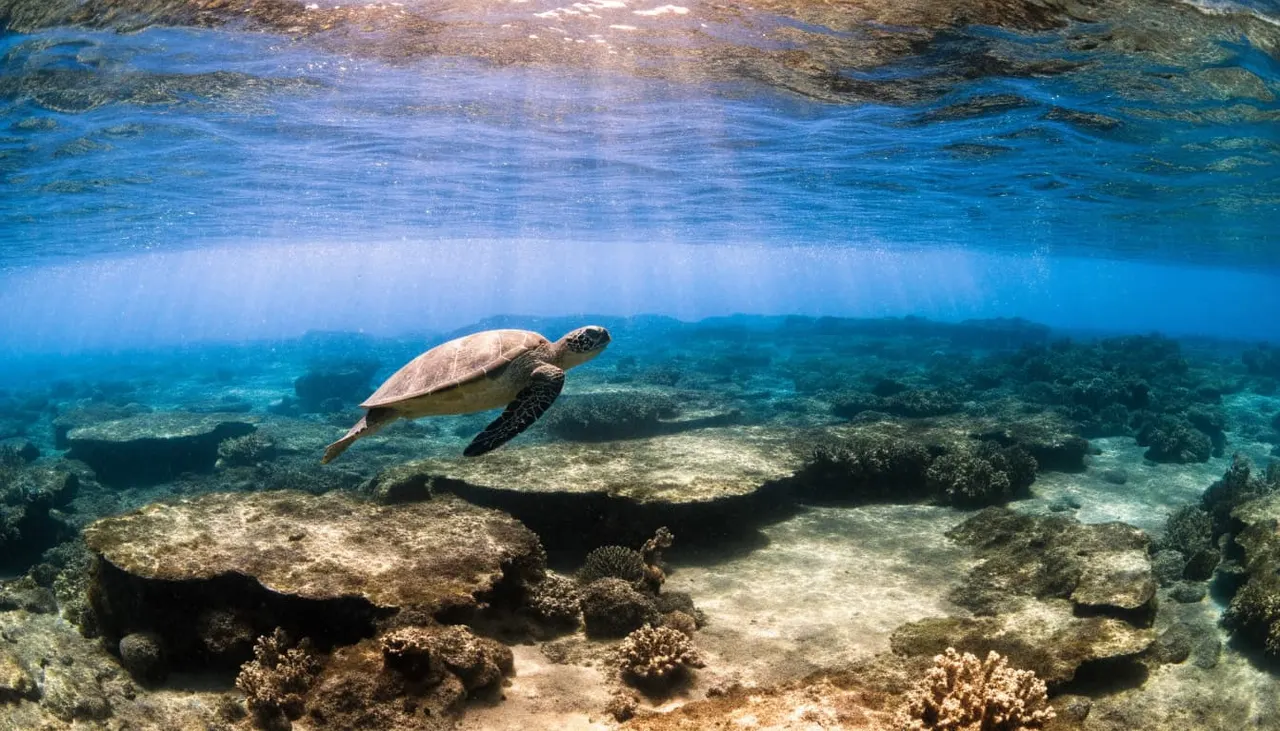
Turtle Canyon is offshore reef habitat near Waikiki. Honu may visit its natural cleaning station, where small reef fish remove material from their shells and skin.
That behavior gives you something more interesting to watch than an animal approaching food. You may notice a turtle pausing while fish gather nearby, then continuing through the water.
Give the cleaning area room. Crowding can interrupt the turtle and the fish participating in that interaction.
Instead of swimming toward the center of the activity, stay beside your guide and watch from the outside. Because you aren’t pressing closer, you can concentrate on the reef’s movements rather than your next approach.
Let turtles find their own food
Adult Hawaiian green sea turtles commonly eat algae and seagrasses. However, knowing their diet doesn’t give you permission to collect marine plants and offer them.
Even offering algae counts as feeding sea turtles Oahu snorkelers encounter. Leave plants attached to the reef and let turtles forage without your help.
You may also see a turtle resting or heading upward for a breath. These behaviors aren’t invitations to follow, touch, or redirect it.
Different turtles use the reef differently, so avoid assuming every animal has arrived for the same reason. Watch what the individual does, and allow it to leave whenever it chooses.
How to watch honu without disturbing them
Keep distance without blocking movement
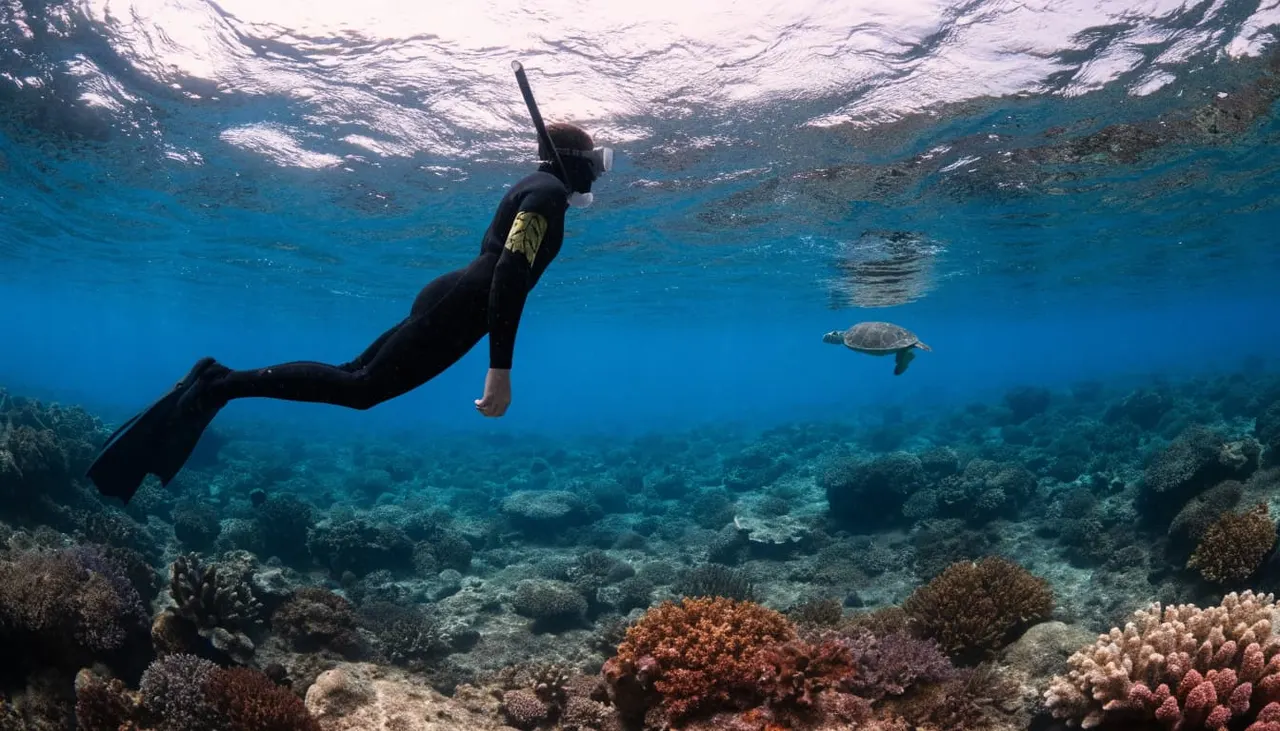
The NOAA Hawaii wildlife-viewing guidelines recommend staying at least 10 feet (3 meters) from sea turtles, both ashore and in the water.
That figure is viewing guidance, not a statewide legal minimum for turtles. Harassment can still occur when your behavior disturbs an animal, regardless of how you estimate the distance.
Leave open water between the turtle and the surface. Sea turtles breathe air, so don’t hover directly above one as it rises.
Also watch the rest of your group. Several people can unintentionally surround a turtle while each believes they have left enough space.
Your guide can help you reposition. Follow that direction rather than crossing the turtle’s route to regain your view.
Let an approaching turtle pass
If a turtle swims toward you, remain calm and let it continue. Don’t reach out, match its speed, or turn the moment into a chase.
When you can move away without obstructing it, create more room. Otherwise, avoid sudden movements and follow your guide’s instructions.
A turtle approaching you doesn’t grant permission to touch it, feed it, or keep swimming beside it.
For photos, use your camera’s zoom or accept a wider composition. Don’t move closer to fill the frame.
Keep your attention on your surroundings, too. A good photograph isn’t worth drifting into another snorkeler, kicking coral, or blocking a surfacing turtle.
Protect the reef while you snorkel
Respecting turtles includes protecting the habitat beneath you. Coral is living reef structure, and contact from fins or feet can damage it.
Float above the reef rather than standing on it. If you need to rest, use the flotation support provided and ask your guide for help.
Secure anything that could fall into the water. A loose wrapper or unsecured accessory can become marine debris, even when you didn’t intend to leave anything behind.
For sun protection, a rash guard reduces the amount of exposed skin. Mineral sunscreen containing zinc oxide or titanium dioxide is another option. However, a “reef-safe” label doesn’t replace careful product choices or responsible behavior.
Before entering, make sure your mask fits comfortably and you understand how to use your equipment. Adjusting gear aboard the boat is easier than struggling while you drift toward wildlife.
Finally, tell the crew about your swimming comfort. Confidence in a pool doesn’t automatically translate to confidence in open water. Clear communication helps your guide provide appropriate support.
Explore Turtle Canyon with Living Ocean Tours
You can enjoy a guided wildlife encounter without bringing food or trying to attract turtles. Our Turtle Canyon snorkeling excursion takes you to the offshore reef from Kewalo Basin Boat Harbor, minutes from Waikiki.
At Living Ocean Tours, we’re Oahu’s only tour company with professional snorkel guides. You receive equipment, flotation support, and in-water guidance while exploring the reef.
That support is useful when you’re managing unfamiliar gear, waves, and the excitement of spotting a honu. Our guides explain wildlife-viewing expectations before you enter and help you maintain appropriate spacing in the water.
You don’t have to spend the swim searching alone or deciding how to approach an animal. Stay with the group, listen to the briefing, and let your guide help you observe without crowding.
For couples, families, and first-time snorkelers, that means more attention for the experience itself. You can notice cleaner fish, watch a turtle rise for air, and appreciate the reef without arranging an interaction.
To plan your Turtle Canyon snorkel tour, CHECK AVAILABILITY.
Frequently Asked Questions
Does feeding sea turtles Oahu visitors meet help them?
No. Wild turtles need their natural habitat and food sources, not meals from visitors. Offering food changes their behavior and creates avoidable contact with people.
If you’re concerned about a particular turtle, tell your guide. Feeding isn’t treatment, and an animal’s appearance doesn’t give you enough information to assess its health. You can help most by leaving it undisturbed and bringing your concern to someone who can alert trained responders.
Can you touch a turtle if it swims close?
You shouldn’t touch it, even if it approaches you first. Keep your hands to yourself and leave its route open.
Don’t grab a shell, reach for a flipper, or try to steer the animal away. Likewise, avoid swimming after it when it passes. If you feel unsure about your position, look to your guide for direction. A brief, unexpected close pass doesn’t require you to turn it into a longer encounter.
What if someone else is feeding or chasing turtles?
Alert your guide rather than joining the interaction or confronting someone in the water. Keep your own distance and avoid adding to the crowd around the animal.
For deliberate harassment, Honu Watch’s reporting contacts list Hawaii enforcement at 808-643-3567 and NOAA’s enforcement office at 800-853-1964.
If a turtle appears injured or tangled, don’t attempt to handle it or remove fishing line. Tell the crew so the concern can reach trained responders without adding another disturbance.
Enjoy Turtle Canyon by leaving turtles undisturbed
Avoiding feeding sea turtles Oahu visitors encounter protects the natural behavior you came to see. Give honu space, keep their path open, and follow your guide’s directions.
Your memorable moment can be a turtle pausing at the cleaning station or gliding past the reef. You can enjoy that encounter without offering food, reaching out, or changing where the animal goes.


