
Family Boat Tours for Three Generations
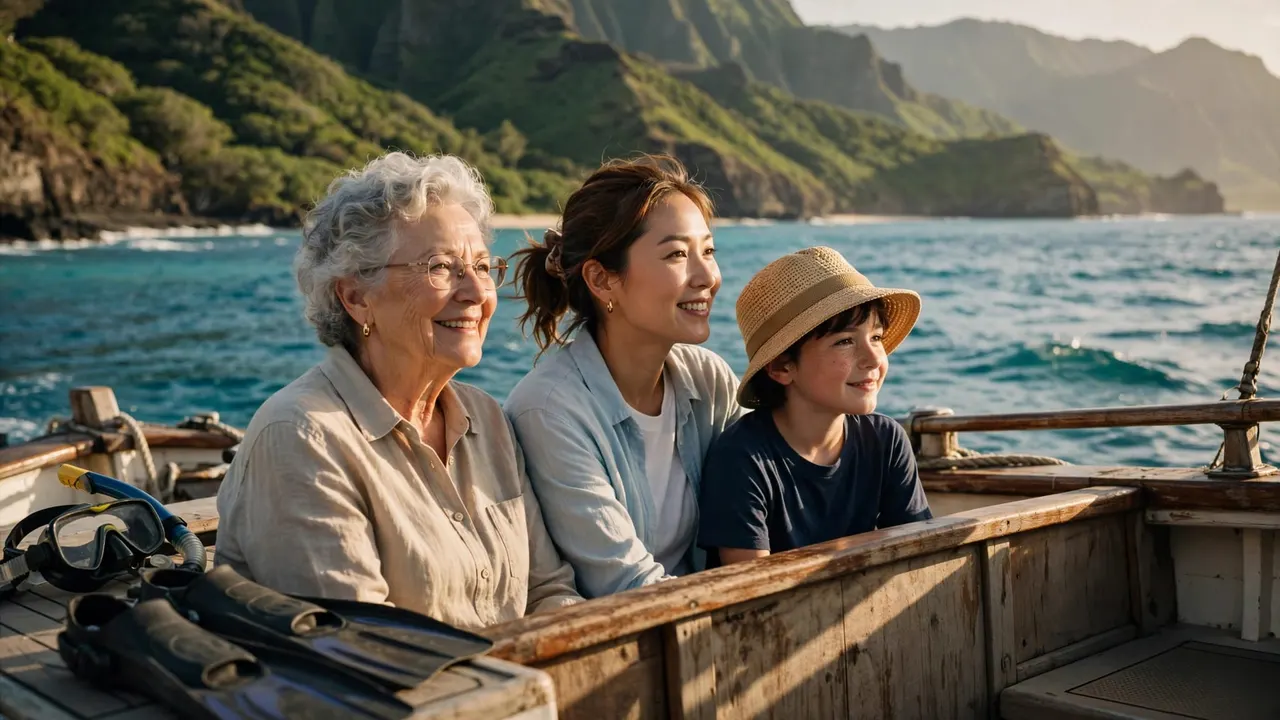
You can bring three generations together on the water without asking everyone to enjoy the same activity. At Living Ocean Tours, our family boat tours give you choices for sharing Oahu’s coastline while respecting different interests and swimming confidence.
The strongest plan starts with comfortable participation, rather than a vote for the busiest excursion. Choose an experience your least adventurous traveler can enjoy, then leave room for everyone else to explore.
Key Takeaways
- Choose by swimming confidence and energy level rather than assuming age determines what someone enjoys.
- Give staying aboard the same respect as snorkeling, and keep an adult responsible for each child’s supervision.
- Build your day around one shared ocean experience, with time afterward for food, rest, and conversation.
Your family’s successful outing might include different activities, but nobody should feel pressured to participate beyond their comfort.
Choose Family Boat Tours by Pace, Not Age
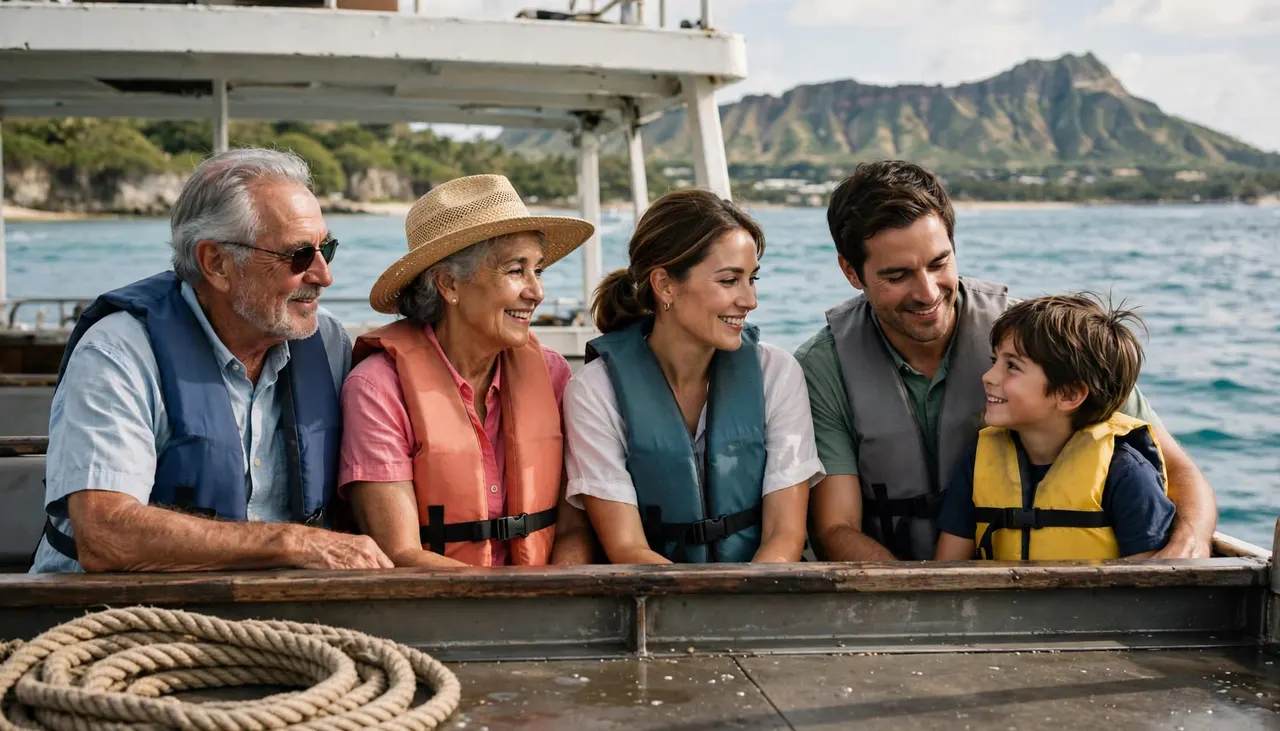
An illustrative three-generation family outing along the Waikiki coast.
Start with individual preferences
Your grandparent may be the keenest swimmer in the group. Meanwhile, a confident-looking teenager may prefer watching the coastline. Ask each person what sounds enjoyable before making a family-wide decision.
Talk privately about swimming anxiety, fatigue, or medical concerns. Someone may hesitate to speak up if they think their answer will disappoint the children. A private conversation gives you a more honest starting point.
Then identify the experience everyone wants to share. That might be watching marine life, enjoying ocean views, or spending uninterrupted time together.
Make optional participation part of the plan
When comparing family boat tours, separate the shared outing from optional water activities. You can travel together without requiring identical participation.
Agree beforehand that anyone can decline snorkeling without explaining themselves repeatedly. Also, avoid promising that a nervous child will change their mind once the boat leaves.
Keep the group connected through conversation, wildlife spotting, and sharing what swimmers saw afterward. Nobody needs to enter the water to contribute to the family’s day.
Compare Ocean Experiences Before Choosing
Our family-friendly ocean tours in Honolulu include reef snorkeling, water-play activities, and coastal cruising. You depart from Kewalo Basin Boat Harbor, close to Waikiki, rather than organizing separate adventures across Oahu.
Use your group’s shared interests to narrow the options.
| Experience | Strongest fit | Main consideration |
|---|---|---|
| Guided reef snorkeling | Families interested in underwater wildlife | Each swimmer’s ocean confidence |
| Snorkeling with water play | Active groups seeking variety | Individual readiness for each activity |
| Coastal sightseeing | Families prioritizing shared views | Comfort with boat motion |
The right choice gives everyone something worthwhile, even when their participation differs.
Our professional snorkel guides help beginners understand equipment and the ocean experience. We’re the only tour company with professional snorkel guides, so guided support is a central part of what we offer.
Use the reviews below alongside your family’s priorities, then choose the experience that fits.
Help First-Time Snorkelers Participate Without Pressure
Separate pool confidence from ocean readiness
Swimming comfortably in a pool doesn’t automatically make someone comfortable in open water. Waves, unfamiliar equipment, and looking beneath the surface can feel different.
Before your outing, describe snorkeling honestly. You breathe through a snorkel, watch the reef through a mask, and follow the crew’s directions around other swimmers.
Let beginners handle unfamiliar equipment during instruction without turning the moment into a performance. Encouragement helps; announcing that everyone is waiting for them doesn’t.
If someone becomes anxious, tell the crew promptly. A calm decision to stay aboard protects the experience for that person and the rest of your group.
Set realistic wildlife expectations
Treat marine life as something you observe on its own terms. Your children can look forward to fish and reef scenery without expecting a turtle to appear beside them.
NOAA’s sea turtle protection guidance calls for respectful distance and warns against approaching or touching turtles. Explain that before anyone enters the ocean.
Also, give swimmers permission to finish when they’re tired. Returning with enough energy to enjoy the rest of the outing matters more than staying in because a sibling or grandparent continues.
Plan for Comfort Without Promising Perfect Conditions
Address motion sensitivity individually
Motion sickness can affect an experienced traveler as readily as a first-time boater. Treat it as a practical consideration, rather than something someone should push through.
If your family includes a motion-sensitive traveler, seek prevention advice from a pharmacist or healthcare professional. Children, pregnant travelers, and people taking other medications need advice suited to them.
No boat can promise an absence of motion. Similarly, photographs of calm water don’t describe every departure’s conditions.
During the outing, tell the crew early about nausea or dizziness. Don’t wait until discomfort becomes the main event.
Protect everyone’s energy
Family boat tours work better when you leave flexibility elsewhere in the day. Avoid surrounding your ocean outing with activities that require rushing, elaborate clothing changes, or a tightly timed restaurant reservation.
Instead, plan a familiar meal beforehand and an easy option afterward. Keep essential medication accessible, following its storage requirements.
Also, divide responsibility before you leave your accommodation. One adult can manage the reservation while another focuses on the children. That prevents the family’s organizer from carrying every task while also trying to enjoy the ocean.
Give Non-Swimmers a Shared Coastal Experience
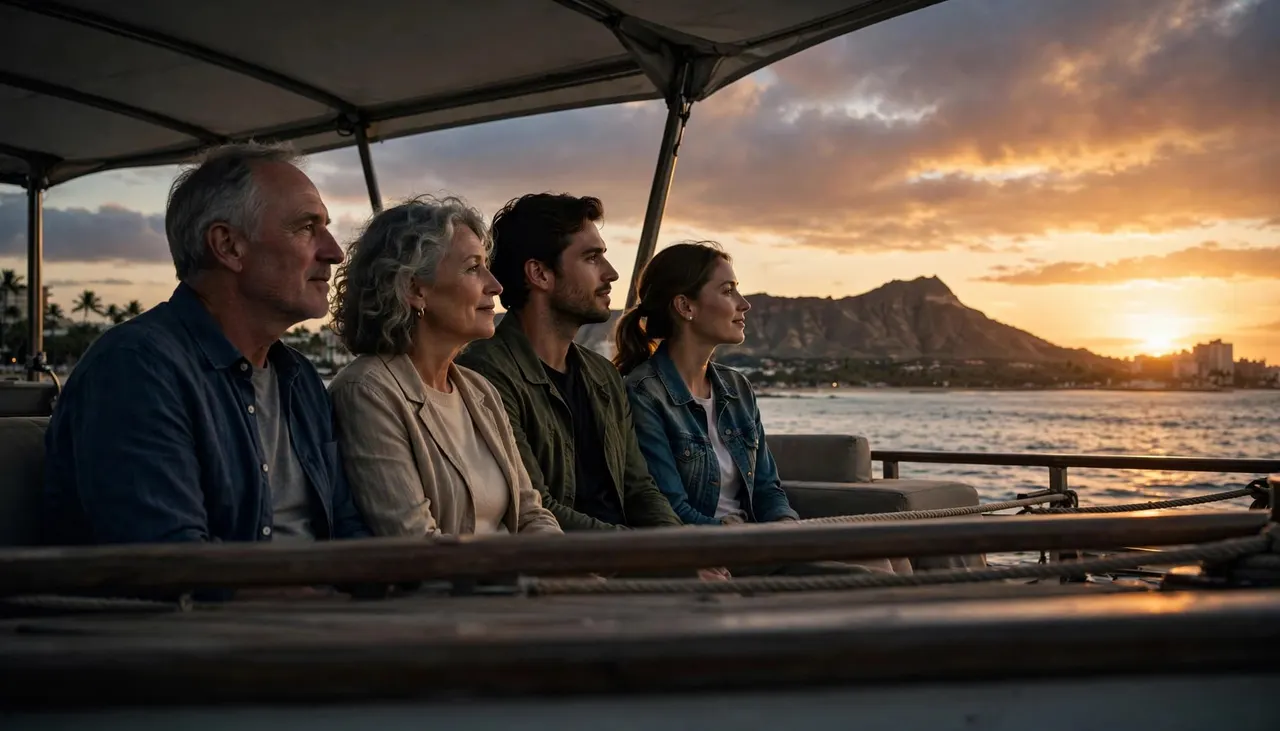
An illustrative coastal outing with time to enjoy the changing light.
If swimming divides your group, choose an outing centered on the coastline. Waikiki’s ocean-facing views and Diamond Head give everyone something to enjoy together.
A stay-dry experience also removes the pressure to use unfamiliar snorkeling equipment. You can spend the outing talking, looking for seabirds, and watching the shoreline change as you travel.
However, don’t assume sightseeing automatically suits every traveler. Someone who dislikes boat motion may still prefer a land-based activity.
Staying aboard should be a planned, welcome choice, rather than the fallback assigned to anyone who doesn’t snorkel.
When discussing family boat tours, describe the view and shared time with as much enthusiasm as the water activities. Children notice when adults treat one kind of participation as second best.
Pack for Different Needs Without Bringing the Beach
A three-generation outing can generate three separate packing lists. Combine the essentials into manageable bags instead of bringing bulky items that make it harder to move around.
Bring sun protection, secure footwear, and a light layer for the ocean breeze. For swimming activities, add towels and dry clothing. Keep a separate bag for damp items so they don’t soak medication or clean clothes.
Make personal essentials easy to reach. A child’s familiar water bottle or an adult’s necessary medication shouldn’t be buried beneath everyone’s towels.
Before leaving, divide child supervision clearly. An older sibling can help entertain a younger child, but an adult remains responsible.
While the boat is moving, follow the crew’s directions about where to stay and when to move. Keep children close, keep belongings secured, and give instructions your full attention.
Finally, resist turning every moment into a photo opportunity. Put the phone away when instructions begin or someone needs your help. You can capture the coastline after the immediate task is finished.
Teach Wildlife Boundaries Before Excitement Takes Over
Children respond better to clear expectations than corrections delivered during an exciting sighting. Explain beforehand that seeing an animal never gives you permission to touch, chase, feed, or crowd it.
NOAA’s marine life viewing guidelines recommend watching animals from a safe, respectful distance. Make that a family rule, whether you’re looking over the side or snorkeling.
Adults set the example. Give an animal space even when moving closer would improve your photograph. Also, leave coral undisturbed and keep wrappers and other loose items contained.
You can keep children engaged by noticing behavior instead of pursuing proximity. Watch which direction an animal travels or how fish move around the reef.
That approach gives your family something to discuss afterward while keeping the encounter respectful.
Frequently Asked Questions
Should you split the family into different excursions?
Split up when your interests are genuinely incompatible, rather than forcing everyone into one activity. However, start by considering an outing with optional participation.
If your main goal is shared time, a coastal experience may suit your group better than an activity several people would only tolerate. Save a more demanding adventure for the travelers who actively want it.
How do you keep one adult from managing everything?
Assign responsibilities before the outing. Decide who handles the booking, who carries shared essentials, and which adult supervises each child.
Then share the enjoyable moments too. Rotate photography duties and give the usual family organizer time to watch the ocean without managing a phone, bags, and everyone’s questions. Clear responsibility makes the outing more relaxing for everyone.
Choose the Outing Everyone Can Enjoy
The most rewarding family boat tours leave room for different interests without dividing your family into spectators and participants. Choose around shared enjoyment, with honest conversations about swimming, motion, and energy.
Give staying dry the same welcome as snorkeling. Your three-generation trip succeeds when everyone has a place in the experience and something they enjoyed sharing afterward.


