
How to Equalize Ear Pressure While Snorkeling on Oahu
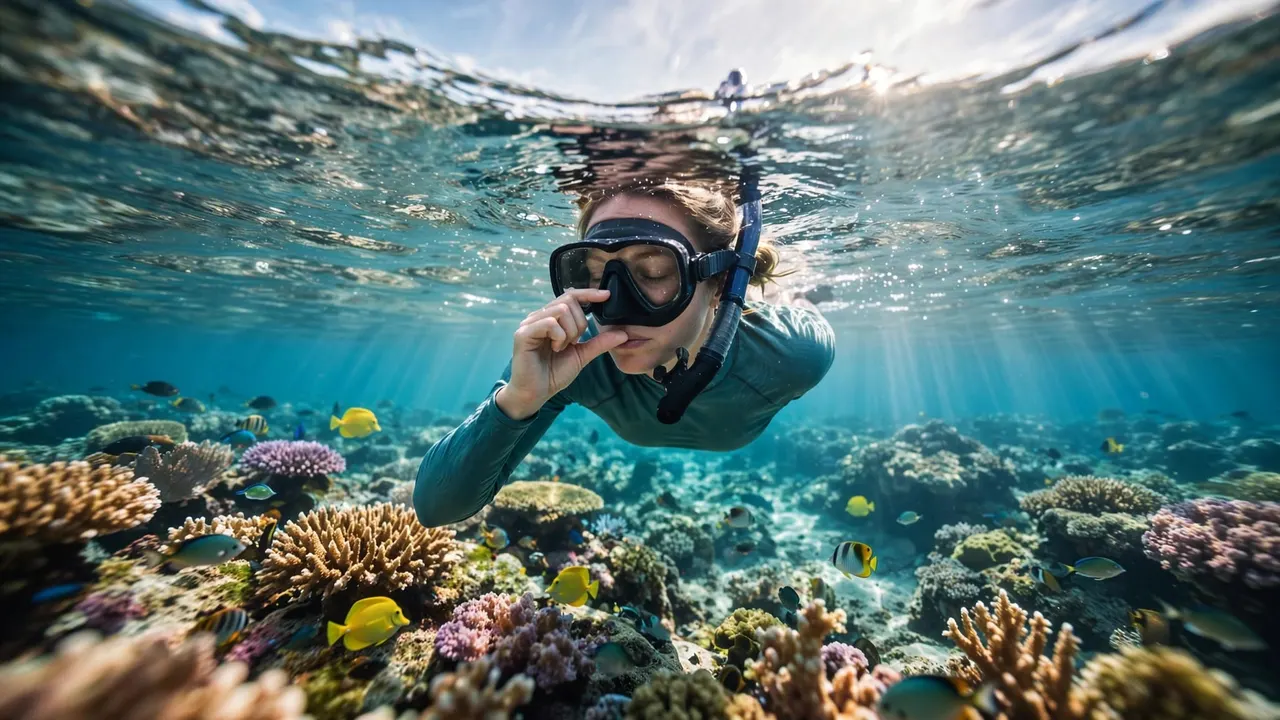
To equalize ear pressure, swallow or gently pinch your nose and exhale against closed nostrils before discomfort starts. If your ears won’t clear, stop descending and return toward the surface rather than blowing harder.
With Living Ocean Tours, you can enjoy Oahu’s reef life without making underwater dives part of your day. Staying at the surface avoids the pressure changes that commonly cause an ear squeeze.
Start by understanding when equalization helps, then use gentle techniques and clear limits to keep your swim comfortable.
Key Takeaways for Comfortable Ears
- You usually don’t need to equalize ear pressure while floating at the surface, because your depth barely changes.
- If you descend, equalize early and gently instead of waiting for fullness or pain.
- Stop underwater descents when an ear won’t clear, and leave the water if pain, dizziness, or hearing changes develop.
Your goal is comfortable snorkeling, not reaching a particular depth. You can enjoy watching fish and turtles without swimming down toward them.
Why Your Ears Feel Pressure Beneath the Surface
Your middle ears need matching air pressure
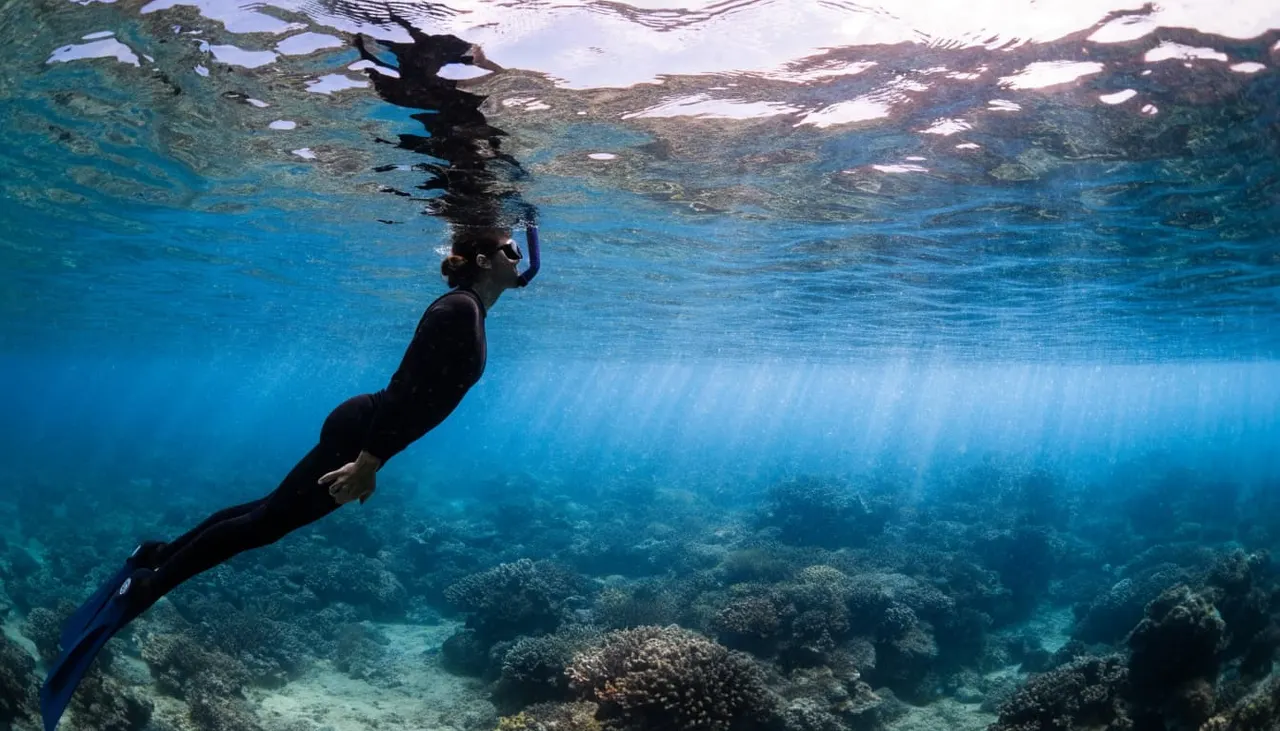
As you descend, water pressure increases around your body. Meanwhile, the air inside your middle ears needs to adjust through the Eustachian tubes, which connect them to the back of your nose and throat.
If those tubes don’t open, the pressure difference pulls your eardrums inward. You may notice fullness, muffled hearing, or a tight sensation.
Equalization helps air move through those tubes. However, a stubborn ear needs less depth and a pause, not more force.
Shallow descents still count
You don’t need a deep dive to experience an ear squeeze. Even a short underwater descent can create an uncomfortable pressure difference.
That’s why DAN’s ear equalization guidelines recommend starting early and avoiding a rushed descent. Although written for divers, that basic pressure-management advice also matters when you briefly swim below the surface.
The reef’s depth doesn’t determine your ear pressure. Your own depth does. Floating over deeper water doesn’t expose your ears to the pressure at the ocean floor.
How to Equalize Ear Pressure Gently
Start with swallowing and a relaxed jaw
Before entering the water, try an ordinary swallow and notice whether your ears click or open. A small jaw movement may also help you recognize that sensation.
Once you’re supported comfortably at the surface, relax your shoulders and avoid clenching the snorkel mouthpiece. If you need to remove it to swallow comfortably, lift your face above water first.
You don’t need a loud pop to prove that equalization worked. A subtle opening sensation and the absence of pressure can be enough.
DAN’s ear equalization methods describe several approaches. Choose a gentle method you understand rather than repeatedly switching techniques underwater.
Use only light pressure with a nose pinch
With a conventional mask, gently pinch your nostrils through its flexible nose pocket. Close your mouth and attempt a brief, light exhalation against your closed nose.
The effort should be small. Stop if it hurts, requires straining, or doesn’t work easily.
If you’re already trained for brief underwater descents and your outing permits them, use this sequence:
- Gently equalize at the surface before descending.
- Descend slowly and repeat before pressure develops.
- Stop immediately if either ear feels uncomfortable.
- Rise toward the surface and end the descent if comfort doesn’t return.
Never hold your nose and keep blowing harder to equalize ear pressure. If you need that much effort, stop the descent.
What to Do When One Ear Won’t Clear
Rise instead of pushing through
Stop descending as soon as pressure builds unevenly. Move upward enough to relieve it, then try a gentle swallow without straining.
If your ear still won’t clear, return to the surface. Don’t make repeated underwater attempts because the other ear feels fine.
One comfortable ear doesn’t make continued descent safe. Both ears need to adjust without pain.
DAN’s guidance on ears and equalization treats pain as a reason to stop and ascend. Continuing downward can turn an early warning into an ear injury.
If everything returns completely to normal, skip further descents. Surface snorkeling may remain an option when you feel well, but persistent symptoms mean leaving the water.
Recognize symptoms that need medical attention
Tell your buddy or guide immediately if ear discomfort comes with dizziness or imbalance. Get help returning to the boat or shore rather than swimming alone.
New hearing loss, ringing, or a spinning sensation after a descent warrants urgent medical evaluation. Severe pain, bleeding, discharge, or persistent muffled hearing also needs prompt assessment.
Don’t keep testing an injured ear with repeated nose-pinching attempts. Avoid putting drops or objects into an ear that may have a damaged eardrum unless a clinician directs you.
If you have severe vertigo or trouble staying afloat, signal for immediate assistance. Your first priority is keeping your airway above water.
Prepare Your Ears Before Your Oahu Snorkel
Give congestion the attention it deserves
A cold, allergy flare, or irritated sinuses can interfere with the tubes that regulate middle-ear pressure. If your ears already feel blocked on land, underwater descents add another challenge.
Skip diving below the surface when you’re congested. Active ear pain, drainage, or dizziness is a reason to postpone snorkeling and seek medical advice.
A successful equalization attempt on the boat doesn’t guarantee that a blocked ear will keep clearing underwater. Pay attention to how you feel throughout the outing.
You should be able to equalize ear pressure gently. Difficulty is useful information, not a reason to practice more forcefully.
Settle your breathing before moving away
Take time to get comfortable with your mask, mouthpiece, and flotation support. Ask for help before joining the group if your equipment makes you tense or distracts you from breathing.
Keep your jaw relaxed instead of biting hard on the mouthpiece. A comfortable fit makes it easier to notice early ear pressure.
Don’t practice unfamiliar underwater skills while struggling to stay afloat. Start in a supported setting with qualified supervision.
If you feel rushed, pause. You can spend your first minutes floating near your guide instead of immediately swimming toward the reef.
Choose Gear That Doesn’t Add Another Problem
Your mask should seal comfortably without an excessively tight strap. Repeatedly tightening it won’t solve pressure inside your middle ears.
For conventional snorkeling gear, a flexible nose pocket lets you reach your nostrils when equalization is needed. Ask your guide to help with fit before entering.
Avoid ordinary solid earplugs during underwater descents. They can trap an air space in the ear canal and create another pressure problem. Specialized ear protection also doesn’t replace medical guidance or proper equalization.
Keep three separate tasks clear: clearing water from a snorkel, clearing a mask, and equalizing your ears. They address different spaces. Blowing through your mouthpiece may clear the snorkel, but it doesn’t equalize ear pressure inside your middle ears.
If you’re unsure which problem you’re experiencing, stop and ask for assistance.
Keep Family Snorkeling Within Everyone’s Comfort Level
Let children stay at the surface
Children don’t need to duck-dive to enjoy Oahu’s marine life. Watching fish while floating is a worthwhile activity by itself.
Explain that ear pain means stopping immediately. Avoid treating popping ears as a challenge or encouraging a child to follow an adult underwater.
Because children may struggle to describe pressure, pay attention if they repeatedly touch an ear or suddenly resist putting their face in. Help them return to a supported position and assess the problem.
Your family should also have a clear adult supervision plan, even when guides are nearby.
Get individual advice for ear tubes or surgery
Ear tubes, a previous eardrum injury, and recent ear surgery change the advice you need. Ask your ENT about ocean snorkeling and underwater pressure before your trip.
Pool-swimming advice doesn’t automatically cover saltwater, waves, or repeated submersion. Your clinician can account for your healing, tube type, and history of infections.
Don’t apply a routine nose-pinching exercise to a recently operated ear without medical approval. Active drainage or sharp pain after water enters an ear means stopping the activity.
Enjoy Guided Snorkeling Without Chasing Depth
You can choose our guided Oahu snorkeling tours for reef exploration close to Waikiki. We depart from Kewalo Basin Boat Harbor, and we’re the only tour company with professional snorkel guides.
Tell your guide about equalization trouble before entering the water. That conversation helps you establish a surface-focused plan and an easy signal for assistance.
Our Coast Guard-inspected double-decker boats have shaded seating, onboard restrooms, and ladders for water entry and exit. If your ears aren’t comfortable, you can stop swimming and enjoy the coastline aboard.
Guidance supports your decision-making, but it can’t make a congested or painful ear safe to push underwater. Follow the crew’s boundaries and your body’s warning signs.
You can CHECK AVAILABILITY for your snorkeling outing.
Whether you’re watching turtles or reef fish, observe without touching or chasing. Keep your fins clear of coral, and let wildlife move freely.
Keep Ear Comfort Ahead of Depth
You can equalize ear pressure with gentle, early adjustments, but you should never need to force it. If an ear won’t clear, return toward the surface and stop further descents.
Surface snorkeling is a complete experience, not a compromise. You can enjoy Oahu’s underwater scenery while staying close to your buddy and within your comfort level.
Before entering, share any ear concerns with your guide. Then let comfortable breathing and pain-free ears set the pace of your swim.


