
Electric Beach Snorkeling for Strong Swimmers
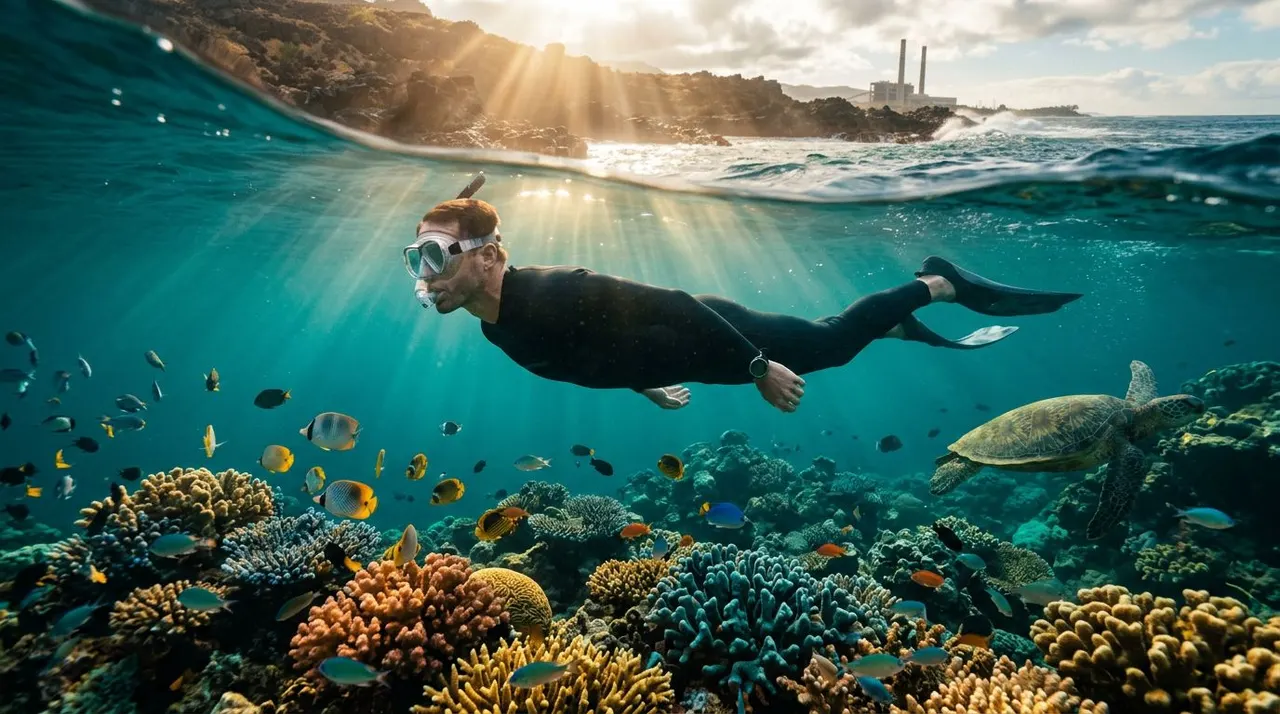
Electric Beach snorkeling rewards you with warm water, clear views, and frequent wildlife sightings, but it demands more than basic beach confidence. At Kahe Point Beach Park on Oahu’s west coast, you deal with open-ocean conditions, a rocky entry, and currents that can change quickly.
If you are comfortable swimming in moving water, this site can be one of Oahu’s most memorable shore snorkels. If you prefer calm entry points and professional guidance, Living Ocean Tours offers guided Waikiki snorkeling experiences with gear, safety support, and reef knowledge. First, you need to understand what makes Electric Beach different.
Key Takeaways
- Electric Beach is the local name for Kahe Point Beach Park near the Kahe Generating Station.
- The site is best for strong swimmers who can manage surf, current, and a rocky entry.
- Go early on a calm morning, and never swim directly in front of the cooling-pipe discharge.
- Sea turtles, tropical fish, eagle rays, and spinner dolphins may appear in the area.
- Guided snorkeling at Turtle Canyons is a more controlled option if you want expert support.
Why Electric Beach Snorkeling Suits Strong Swimmers
Electric Beach sits on Oahu’s leeward coast, directly across Farrington Highway from the Kahe Generating Station. The station releases warm water through large offshore cooling pipes. That warmer flow attracts fish and other marine life, which gives the site its reputation for excellent snorkeling.
The reward comes with real conditions. You enter over uneven lava and barnacle-covered rocks instead of a sandy beach. Waves can make the first few steps awkward, and the water near shore may look cloudy until you swim beyond the break.
Once you reach the main snorkeling area, depths commonly range from about 20 to 40 feet. Some guides place the best habitat roughly 100 to 200 yards offshore. That distance matters. You need enough endurance to swim out, explore, and return without exhausting yourself.
A strong swimmer should also understand current management. You may feel comfortable in a pool or protected lagoon but struggle when wind, swell, and moving water work together. Electric Beach is an open-ocean site, so your comfort level needs to include swimming back against resistance.
What You Can See Beneath the Surface
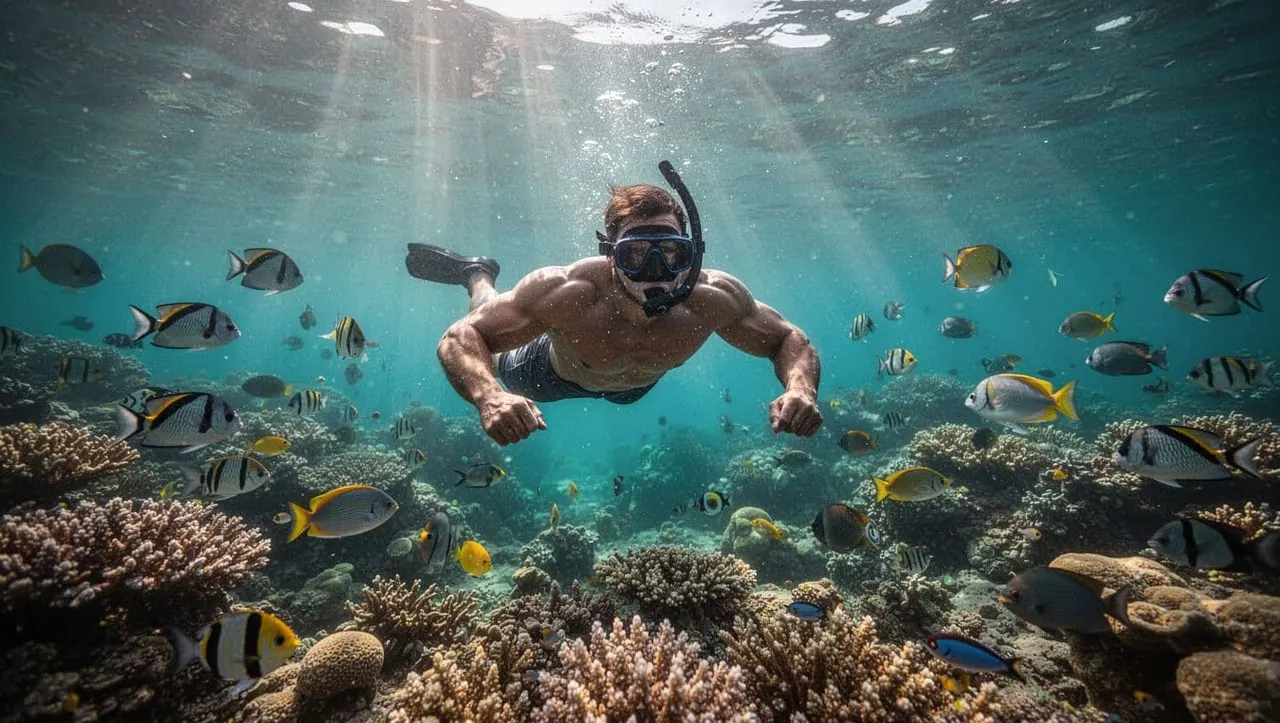
The warm-water discharge helps draw marine life toward Kahe Point. You may see schools of tropical fish moving across the reef, Hawaiian green sea turtles resting near the bottom, and eagle rays gliding through deeper water.
Spinner dolphins are sometimes reported offshore, although sightings are never guaranteed. You should treat every animal encounter as a bonus rather than a promise. Marine life follows its own schedule, and water visibility changes with weather and runoff.
The water near the discharge may feel around 5 to 10 degrees warmer than the surrounding ocean. That difference can create an unusual snorkeling experience, especially when you move between the warm plume and cooler open water.
However, the pipes are also the main hazard. Never swim directly into the discharge area or position yourself in front of the outlet. Fast-moving water can push you offshore and create unpredictable currents. HiLittleBird’s Electric Beach guide also warns visitors to stay clear of the discharge and monitor conditions carefully.
Keep your distance from turtles, rays, dolphins, and reef fish. Hawaii’s marine environment depends on respectful viewing. Don’t touch wildlife, chase animals, stand on coral, or take shells and rocks from the shoreline.
The Best Time to Visit Kahe Point
Morning usually offers the best chance for calmer water and better visibility. Trade winds often increase later in the day, which can add chop and make the return swim harder.
Check the ocean before you leave. Wind, swell, rain, and recent runoff can change conditions quickly. If the water looks rough from shore, trust what you see. A clear forecast doesn’t guarantee a calm entry at this exposed beach.
Winter and summer conditions can vary by swell direction and weather pattern. Instead of relying on a particular month, choose a calm morning with good visibility. Love Oahu’s Kahe Point information also recommends starting early, when conditions tend to be more manageable.
Electric Beach is a free public park, and you don’t need a reservation. Parking is free, but spaces are limited, so arriving early helps. The park has reported restrooms, outdoor showers, picnic tables, and shaded areas. Bring drinking water because a reliable drinking-water source may not be available.
Wear sturdy reef shoes or water shoes for the entry. Fins can help you cover the distance with less effort, but they don’t replace swimming ability. A brightly colored flotation device can add visibility and support, especially during surface rests.
Electric Beach Safety Rules You Should Follow
Before entering, watch the surf for several minutes. Look for the safest path over the rocks and identify where you will exit. Avoid stepping into whitewater when a larger set is moving across the shore.
Never snorkel alone. A buddy should remain close enough to help, not several dozen yards away exploring a different section. Strong swimmers still become tired, disoriented, or separated from shore.
Stay outside the direct discharge path. The warm water may attract fish, but the flow can move you away from the beach faster than expected. If you feel the current pulling you offshore, stop chasing wildlife and angle back toward shore.
The park has a lifeguard tower installed in 2023, with lifeguards working during posted daytime hours. Older online pages may still say the beach has no lifeguard, so check the current signs and never treat lifeguard presence as a substitute for personal judgment. A Hawaiian Magazine report noted multiple rescues soon after the tower opened, which shows why this location deserves respect.
Avoid Electric Beach after heavy rain, during rough surf, or when visibility is poor. Murky water makes it harder to see rocks, other swimmers, and underwater hazards. You should also skip dawn and dusk sessions, when visibility and rescue response are more limited.
Tropical Snorkeling’s Kahe Point guide describes the entry and currents as challenging and does not recommend the site for beginners. That advice applies even if you have snorkeled at calm beaches before.
A Guided Alternative for Your Oahu Vacation
Electric Beach is a shore-based adventure. You carry your gear to the water, negotiate the rocks, and swim to the reef under your own power. That independence appeals to experienced ocean swimmers, but it isn’t the right fit for every couple or family.
Living Ocean Tours operates from Kewalo Basin Boat Harbor, minutes from Waikiki. It is the only tour company featured here with professional snorkel guides, and its crew provides instruction, equipment, and in-water support for guests with different experience levels.
The Turtle Canyons Snorkel Excursion visits a natural underwater cleaning station near Waikiki. Living Ocean Tours reports a 95% success rate for spotting Hawaiian green sea turtles on this trip. You can also encounter tropical fish and reef life without making a long open-ocean swim from a rocky beach.
The company’s double-decker vessels, Coral Kai and Lokahi, include shaded seating, restrooms, dry storage, and heavy-duty ladders. Lokahi also has a SeaKeeper stabilization system, which helps reduce rolling for guests who are sensitive to boat movement.
You can review the company’s Turtle Canyons snorkeling trip before choosing between a guided boat excursion and a shore snorkel at Kahe Point.
Living Ocean Tours also offers a Deluxe Waikiki Snorkeling and Wildlife Cruise with access to a less-crowded reef, a boat-mounted waterslide, water trampoline, and floating lily pad. That option works well when your group wants snorkeling plus time to play on the boat.
The crew’s marine approach is simple: observe, don’t touch. You still get close views of Hawaii’s ocean life, but you do so without standing on coral or handling animals.
How to Decide Between Electric Beach and a Tour
Choose Electric Beach if you have strong open-ocean swimming skills, your group understands current safety, and conditions are calm. You should also feel comfortable entering and exiting over rocks without rushing.
Choose a guided boat trip if you want equipment provided, local instruction, easier water access, or a more relaxed day. A boat ladder removes the most difficult part of the Kahe Point experience, while a professional guide helps you focus on marine life instead of route-finding.
Families should assess every swimmer separately. One confident parent doesn’t automatically make the site suitable for children or less experienced adults. Electric Beach is not a beginner beach, even when the water looks inviting from shore.
For couples, a guided snorkel can also make better use of a short vacation. You spend less time handling logistics and more time watching turtles and reef fish. You can reserve a separate sunset cruise later if you want a slower ocean experience.
Conclusion
Electric Beach snorkeling offers warm water and rich marine life, but the location rewards preparation rather than casual confidence. Choose an early, calm morning, use proper footwear, stay outside the pipe discharge, and snorkel with a capable buddy.
Strong swimmers who respect open-ocean conditions can have an exceptional experience at Kahe Point. If you want professional support and an easier entry, Living Ocean Tours gives you a guided way to see Oahu’s reef life while protecting the animals and habitat you came to enjoy.


