
Does Coral Eat? A Snorkeler’s Guide to Oahu Reefs
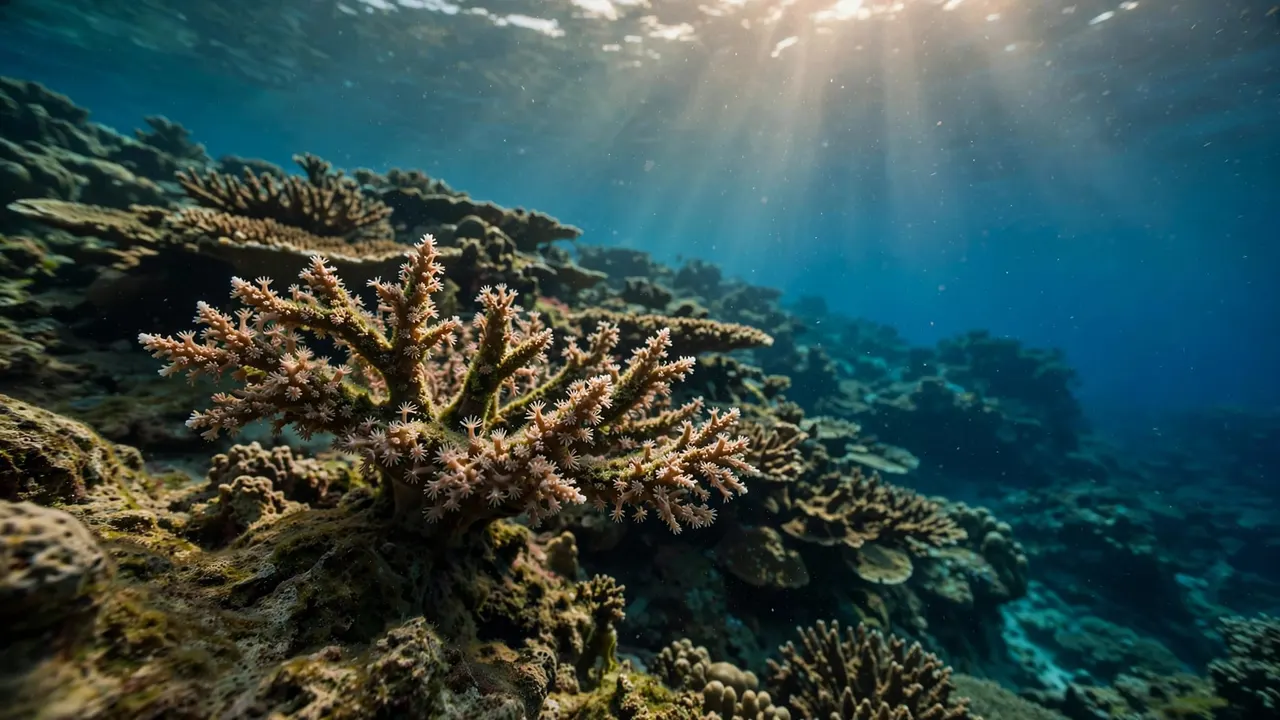
Yes, coral eats tiny drifting animals and other organic food, while resident algae supply energy through photosynthesis. If you’ve wondered “does coral eat?” while floating above an Oahu reef, you’re looking at animals whose meals are usually too small to notice.
At Living Ocean Tours, you can explore this living habitat with professional guidance and hands-off observation. Start with how coral gets its food, then bring that knowledge into the water for a more rewarding snorkel.
How does coral eat without moving?
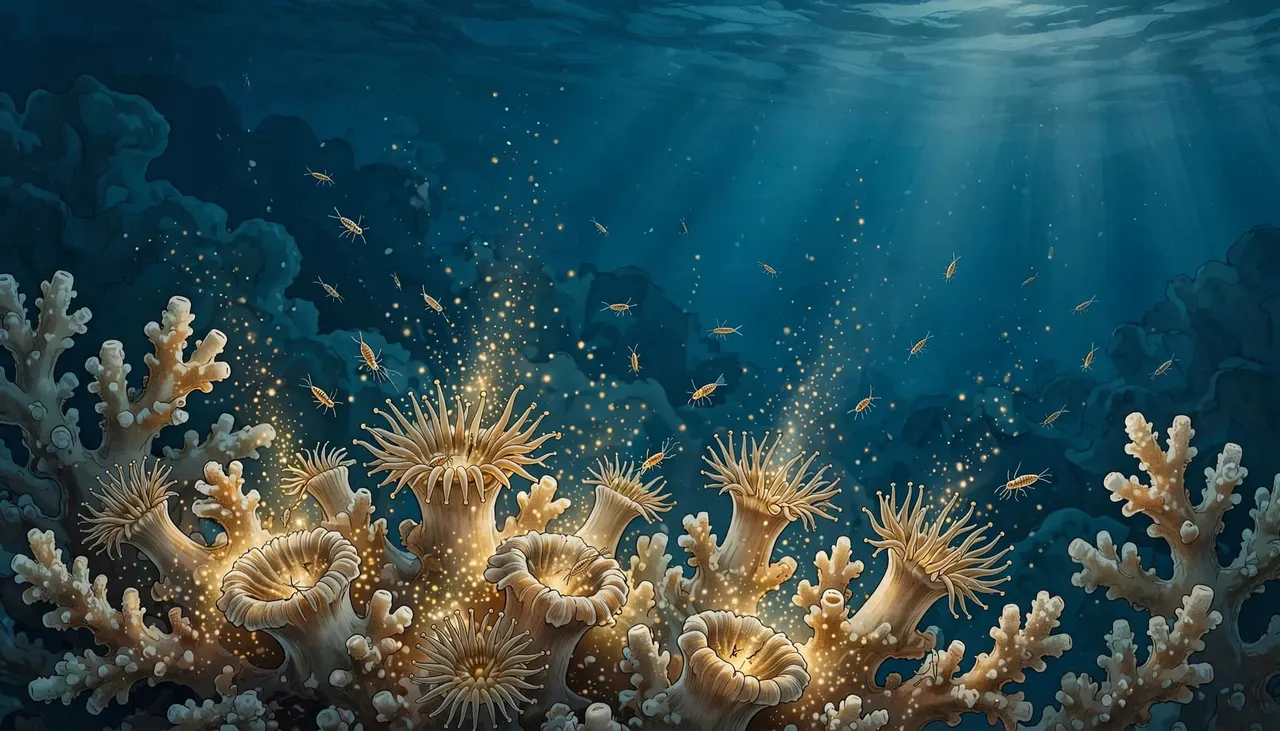
Tiny polyps do the eating
The rounded heads and branching shapes beneath your fins aren’t solid blocks of living rock. Reef-building corals consist of small animals called polyps, which build calcium-carbonate skeletons.
Each polyp has a mouth surrounded by tentacles. Although many polyps share a colony, each has the structures needed to capture and digest food.
The EPA’s basic coral reef biology explains the animal colonies behind these reef structures. Once you recognize that living surface, keeping your hands and fins clear makes more sense.
Tentacles catch passing food
Instead of swimming after prey, coral waits for moving water to carry food within reach. Tentacles use stinging cells to help capture tiny animals, then move the meal toward the mouth.
Some corals also trap fine organic particles in mucus and move that material inward. Feeding methods vary, so you shouldn’t expect every coral colony to look or behave alike.
From the surface, this activity can be almost invisible. A reef that appears still may contain thousands of animals catching food beneath you.
How sunlight helps feed coral
Algae supply another source of energy
Many shallow-water, reef-building corals contain microscopic algae called zooxanthellae. These algae live inside coral tissue and use sunlight for photosynthesis.
The algae share energy-rich compounds with their coral hosts. In return, the coral provides a sheltered place to live and access to materials the algae need.
NOAA’s explanation of coral and zooxanthellae partnerships describes how closely these organisms recycle nutrients. That partnership helps corals thrive in tropical waters where nutrients can be scarce.
However, sunlight alone doesn’t make coral a plant. The coral remains an animal with its own feeding structures.
Food capture and photosynthesis work together
You don’t have to choose between “coral eats” and “coral gets energy from sunlight.” Both processes support many shallow-water reef corals.
How much each contributes varies with the coral and its surroundings. Available light, water clarity, and food supply all affect the conditions around a colony.
This also helps explain why the water above a reef matters. Suspended sediment can reduce light and settle on coral surfaces.
While snorkeling, avoid kicking up the bottom. Clear water improves your view and lets you observe the habitat without adding unnecessary disturbance.
What does coral eat on an Oahu reef?
Coral food includes tiny drifting animals called zooplankton and fine organic material carried through the water. The size of available prey and a polyp’s ability to capture it help determine what becomes a meal.
You probably won’t identify individual food particles through your mask. Much of this feeding happens on a scale smaller than ordinary snorkeling reveals.
Also, avoid confusing coral feeding with fish feeding around coral. A fish pecking at a reef surface may be grazing algae or searching for small animals. Its activity doesn’t tell you what the coral itself is eating.
The fish you notice may be eating on the reef while the coral beneath it captures an entirely different meal.
There isn’t one fixed menu for every colony. Your most useful takeaway is simpler: the reef already has a food supply, carried by water and supported by sunlight. You don’t need to add anything.
What you can see through your snorkel mask
Look for structure before tiny details
Start with the shapes beneath you: rounded coral heads, low-growing patches, and spaces between colonies. Then notice how fish use those spaces for shelter and movement.
You may see repeating surface patterns where polyps sit. However, you don’t need to dive closer or reach toward a colony to appreciate its structure.
NOAA’s coral reef ecosystem resources explain how these living structures support a wider community. Watching the surrounding fish gives you a view of that relationship.
Watch natural behavior without pursuing it
Patience often reveals more than swimming quickly across a reef. Float comfortably, keep track of your buddy, and let animals continue their routines.
At Turtle Canyons, the natural cleaning-station habitat offers another interaction to understand: fish remove material from visiting sea turtles. That is different from coral feeding.
Keep a turtle’s route open, especially toward the surface. Never swim after it for a closer view.
Also, resist judging a colony’s health by color alone. Brown, tan, and golden tones can be normal, while depth and lighting change what you see. One pale patch doesn’t tell the whole story.
Protect the reef while you watch
Keep your body and equipment clear
Coral’s hard skeleton supports delicate living tissue. Contact can scrape that tissue or break the structure beneath it.
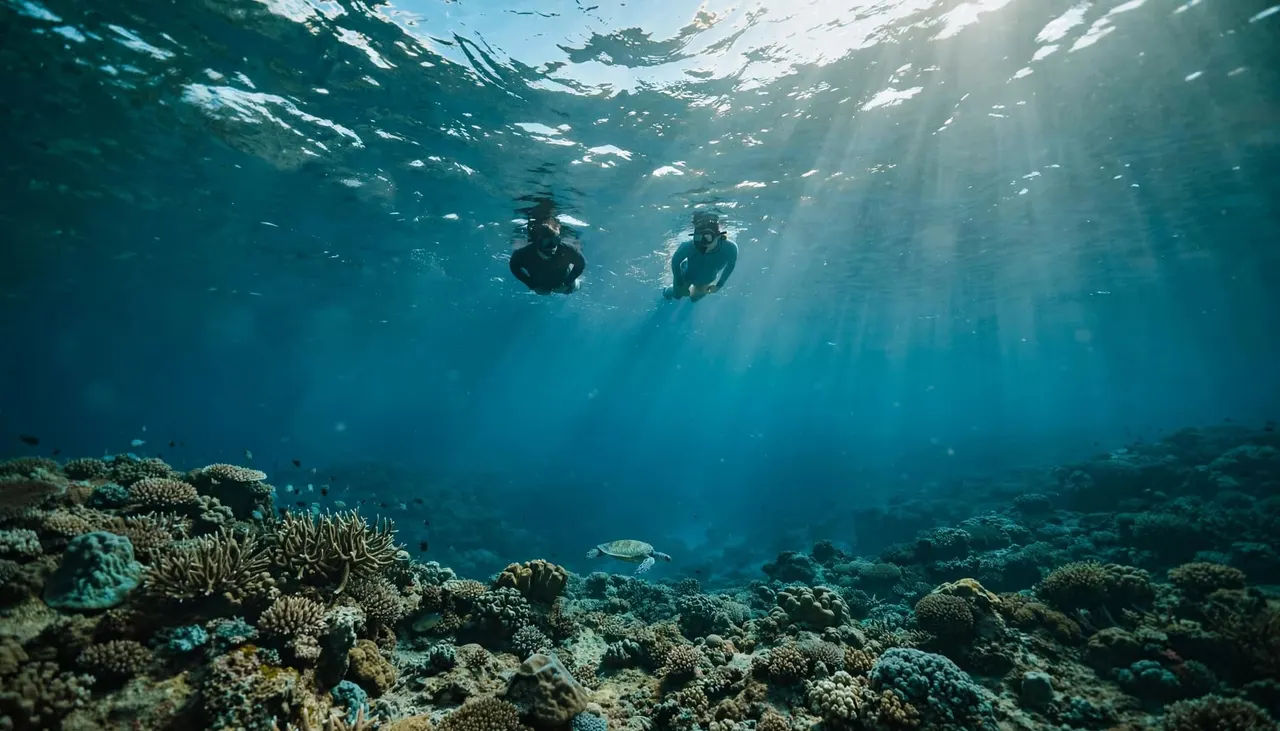
Keep your fins above the reef, including when you turn. Secure dangling camera straps, and avoid extending equipment into crevices.
If your mask leaks, move into clear water and use available flotation support or signal your guide. Never grab coral to hold yourself in place.
Marine Corps Base Hawaii’s coral reef protection guidance advises against touching, standing on, or pulling yourself across reefs. That applies even when a surface looks pale or unoccupied.
Leave feeding to the reef
Don’t bring bread, snacks, or other food into the water for marine animals. Feeding wildlife changes the encounter and can disrupt natural diets and behavior.
For families, explain this before entering the water. Children can look for grazing fish or animals returning to shelter instead of trying to attract them.
If someone nearby starts feeding fish, move away from the gathering. On a guided outing, tell the crew rather than joining in.
Keep cameras within your swimming space, too. A photograph is worth taking only when you can stay clear of coral and leave wildlife room to move.
Explore Waikiki’s reefs with our guides
You don’t need to identify every coral or fish to enjoy a reef. Our Waikiki snorkeling and turtle tours give you a guided way to observe marine life while keeping respectful viewing at the center of your swim.
We’re the only tour company on Oahu with professional snorkel guides. You have support with equipment and in-water guidance, so you can spend more attention watching the reef.
Before entering, tell your guide if you’re nervous or having trouble with your mask. During the swim, ask for help early rather than trying to steady yourself against the bottom.
For couples and families, shared observation makes the experience rewarding without crowding wildlife. Let one person notice a fish’s markings while another watches its shelter, with everyone staying together.
For a turtle-focused outing near Waikiki, you can CHECK AVAILABILITY before planning your reef day.
Key Takeaways for Your Reef Day
- Coral polyps capture drifting food, while resident algae provide another source of energy through photosynthesis.
- You may see coral structure and surrounding wildlife without witnessing an individual feeding event.
- Keep hands, fins, and equipment clear of coral, and never offer food to fish or other marine animals.
Your goal is a comfortable view of normal reef activity. Staying aware of your buddy, guide, and position above the bottom helps you enjoy that view without disturbing it.
Frequently Asked Questions About Coral Feeding
When does coral eat?
Many corals extend feeding tentacles at night, but feeding patterns vary. Some also feed during daylight, depending on the species and conditions.
A daytime snorkel still gives you plenty to observe. Look at colony shapes, repeating surface patterns, and fish using nearby shelter. You don’t need to witness prey capture to appreciate that coral is alive.
Avoid treating an open or closed-looking surface as a reliable feeding schedule. From snorkeling distance, those small details can be difficult to interpret.
Why does coral eat if algae supply energy?
Capturing food gives coral access to nutrients and energy beyond what its resident algae provide. These two sources work together in many shallow-water reef corals.
However, that doesn’t mean wild coral benefits from visitor-supplied food. Its feeding structures capture material available in its environment.
Leave that process undisturbed. The same rule applies to fish and turtles: watch their natural routines without feeding, chasing, or touching them.
A Closer Look Starts With Respect
Knowing the answer to “does coral eat?” helps you see the reef as a community of animals with active lives. Much of that activity happens beyond what your mask can reveal.
Bring curiosity and steady, hands-off observation to your next Oahu snorkel. Give coral room, let wildlife choose its path, and enjoy the reef without changing the behavior you came to see.


