
Coral Scrape Snorkeling: First Aid on Oahu
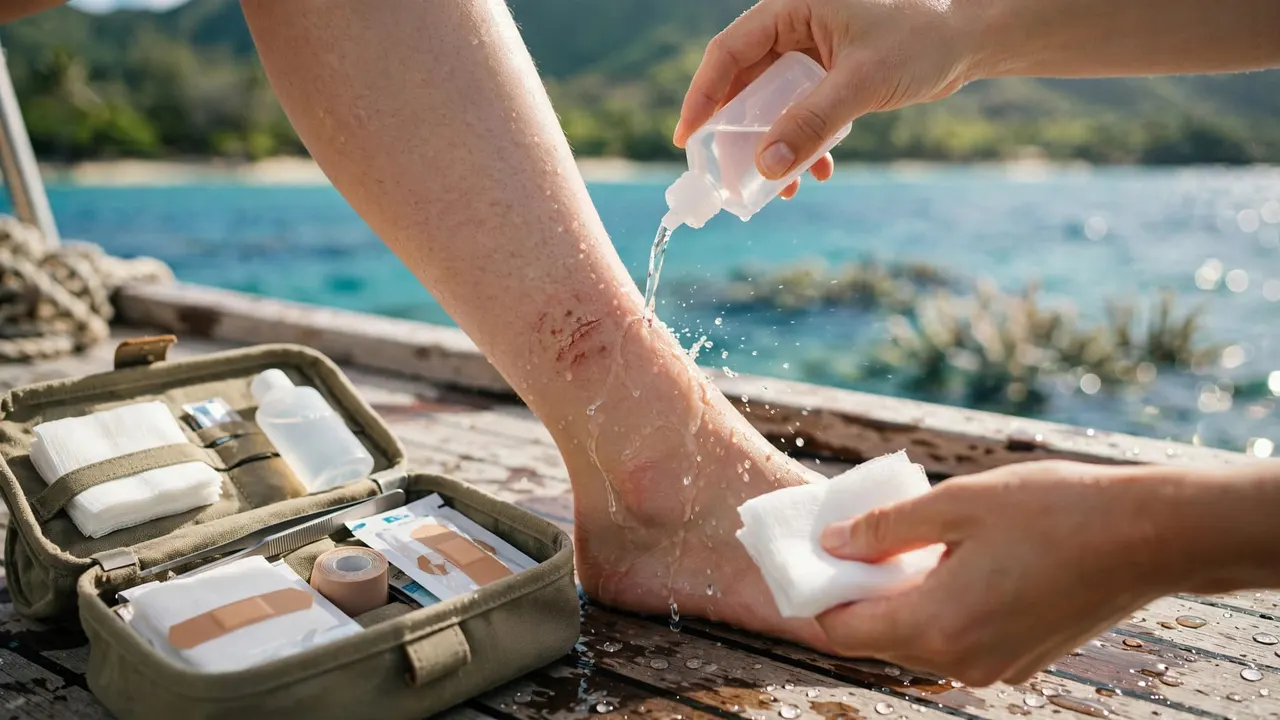
If you get a coral scrape snorkeling off Oahu, leave the water, wash the wound with soap and clean running water, and cover it. A shallow scrape often needs basic first aid, while a deep wound or embedded material needs medical attention.
At Living Ocean Tours, we want you to enjoy the reef with confidence and know when to pause. Prompt cleaning and a close eye on the wound can help you decide what to do next.
What to Do Right After a Coral Scrape
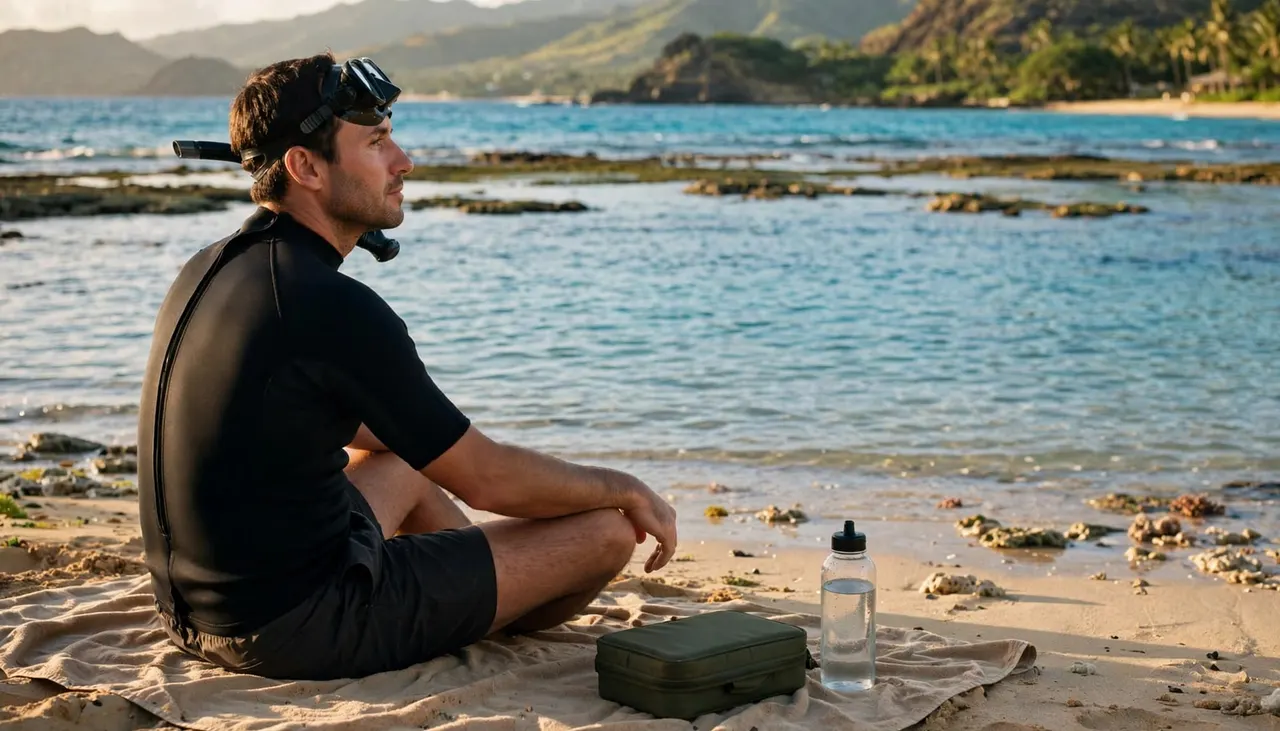
Your first priority is getting out of the water safely. A coral scrape snorkeling near a reef can happen quickly, especially when a swell moves you closer to the bottom than you expect.
Return to the boat or shore
Tell your buddy or guide what happened and ask for help getting back. Stay afloat while you move away from the reef, and avoid standing on coral to inspect your skin.
If you’re on a boat trip, let the crew know as soon as you return. You can sit down while someone brings a first-aid kit and clean water. For a child, keep the rest of the group together while an adult helps them out of the water.
Stop bleeding and clean the area
If the scrape is bleeding, apply steady, gentle pressure with clean gauze or a clean cloth. For heavy bleeding that doesn’t stop with firm pressure, call 911.
Once bleeding is under control, wash the area thoroughly with soap and clean running water. The CDC’s coastal wound guidance recommends washing cuts promptly after contact with salt water. Don’t rely on seawater to clean the wound.
How to Care for a Shallow Coral Scrape
A minor scrape affects the surface of your skin and doesn’t have material embedded in it. After washing it, gently pat the surrounding skin dry and cover the wound with a clean, nonstick dressing.
Change the bandage when it becomes wet or dirty. While the scrape heals, wash your hands before changing the dressing and look for changes in the wound. A thin layer of petroleum jelly can help keep a minor scrape moist; ask a clinician if you’re unsure which dressing is suitable.
Avoid pouring rubbing alcohol or hydrogen peroxide into the wound. These products can irritate healing tissue. You don’t need a complicated treatment kit for a small scrape: clean water, mild soap, gauze, and a suitable bandage are useful items to have on hand.
After a coral scrape snorkeling near Turtle Canyon, give yourself time to assess how you feel. Even if the injury looks minor, staying out of the water lets you clean it properly and keeps the open skin away from additional ocean exposure.
When a Scrape Needs Medical Attention
A wound can be more serious than it first appears. Get prompt medical care if it is deep, is a puncture, has material embedded in it, or continues to bleed after pressure. Also seek care if the edges gape or the injury affects movement or sensation.
Don’t dig into a wound to remove a fragment. A clinician can examine the area, remove material safely if needed, and decide whether further treatment is appropriate. A puncture can have a small opening while extending deeper into the skin.
If you get a coral scrape snorkeling and aren’t sure how deep it is, have it assessed rather than guessing. Tell the clinician that the wound occurred in ocean water. That detail helps them consider the kinds of bacteria associated with coastal exposure.
You may also need a tetanus shot, depending on your vaccination history and the type of wound. If you don’t know when you last received one, mention that during your visit.
Watch for Signs of Infection
Check the wound as it heals. Some tenderness can follow a scrape, but increasing discomfort or new changes deserve attention.
Changes around the wound
Get medical care promptly if you notice increasing redness, swelling, warmth, pain, or drainage. Fever is another reason to seek care. Tell the clinician when the injury happened and that it was exposed to seawater.
A photo taken after cleaning can help you compare the area later. It doesn’t replace an examination, particularly if symptoms are getting worse.
Symptoms that need urgent care
Seek immediate medical attention for rapidly spreading redness, severe pain, blisters, fever, or feeling seriously unwell after a seawater-exposed wound. Call 911 if you have severe symptoms, such as confusion, fainting, or difficulty breathing.
The CDC warns that serious Vibrio infections can follow exposure of an open wound to coastal water. People with chronic liver disease or weakened immune systems have a higher risk of severe illness. If either applies to you, seek medical advice promptly after a seawater-exposed wound.
Tell your clinician about the ocean exposure, even if the scrape looked small when it happened.
Can You Get Back in the Ocean?
Wait until the wound has healed before returning to the ocean. An open scrape can be exposed to bacteria in coastal water, and a wet or loose bandage can make it harder to keep the area protected.
The CDC recommends avoiding salt water with an open wound. If contact with coastal water can’t be avoided, it advises completely covering the wound with a waterproof bandage. For a snorkeling outing, waiting for the skin to heal is the more practical choice.
A coral scrape snorkeling on the first day of your vacation doesn’t have to spoil the rest of your plans. You can still enjoy time on shore while keeping the dressing clean and dry. If a clinician treats the wound, follow their advice about swimming and any activity limits.
Keep looking at the scrape each day. If it becomes more painful, begins draining, or develops spreading redness, seek medical care rather than waiting for it to improve on its own.
How to Prevent Another Coral Scrape
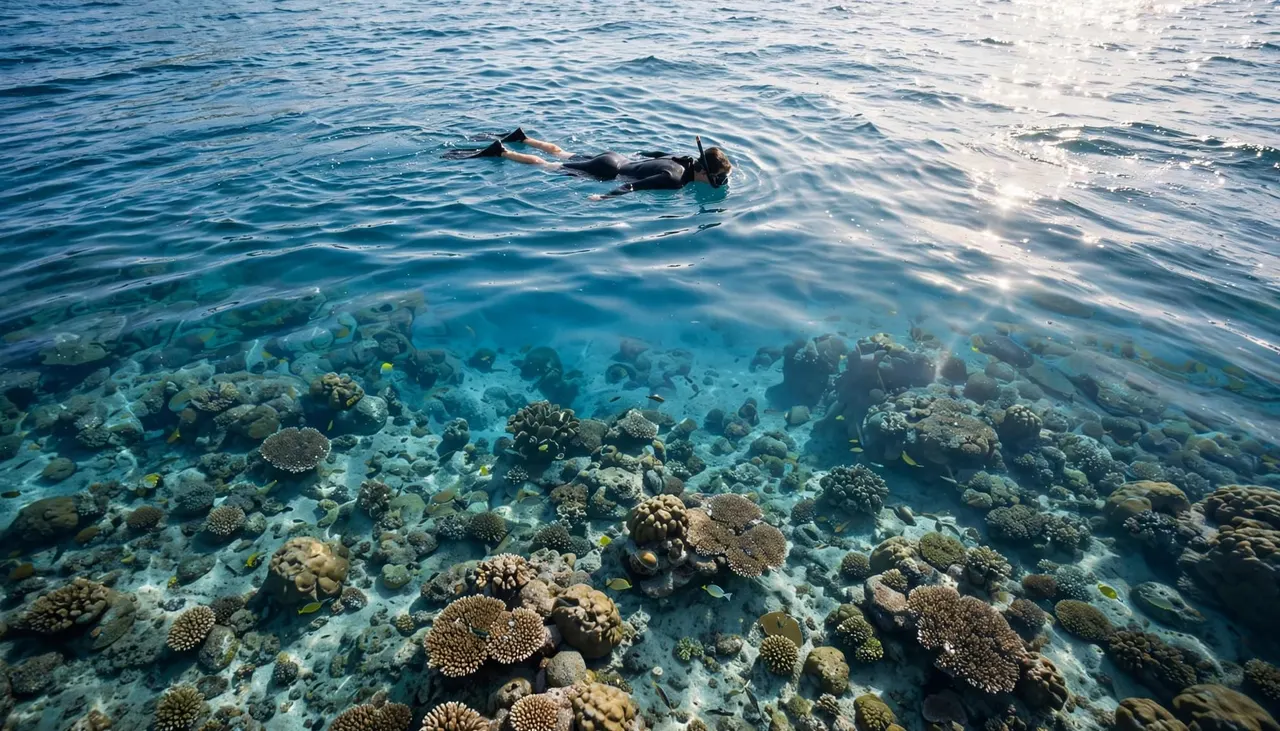
Reef-safe swimming gives you room to enjoy the view while protecting the coral below. Before entering, choose conditions that match your ability and identify how you’ll return to the boat or shore.
Give the reef room
Float horizontally and use small, controlled kicks. Leave plenty of space beneath your fins, particularly over shallow coral heads. Waves and surge can change that distance, so move away if the bottom gets too close.
Never stand on coral or hold it while adjusting your mask. If you need assistance, signal your buddy or guide. NOAA’s reef etiquette guidance explains that touching or standing on coral can damage its delicate tissue.
Help beginners settle before exploring
If you’re snorkeling with children, practice floating and gentle kicks in a suitable area before approaching the reef. Give each swimmer room to adjust their equipment and get comfortable.
Stay with a buddy and use flotation support if it helps you rest. A rash guard offers sun coverage, but it doesn’t make contact with coral safe. Keep your camera secure, too, so it doesn’t swing into the reef.
Snorkel With Support on Your Next Oahu Trip
Once your skin has healed, guided snorkeling can help you feel more comfortable returning to the water. At Living Ocean Tours, we’re Oahu’s only tour company with professional snorkel guides. You can tell our crew about your experience and ask for help with flotation or equipment before entering.
Our Deluxe Waikiki Snorkeling and Wildlife Cruise gives you time to enjoy the water with guide support. You can also relax aboard between activities. During wildlife encounters, watch turtles and fish without touching, chasing, or blocking their path.
You can CHECK AVAILABILITY for the Deluxe Waikiki snorkeling cruise when you’re ready to plan your trip.
Coral Scrape Snorkeling FAQ
Should you use seawater to rinse a coral scrape?
Wash the wound with soap and clean running water as soon as you safely leave the ocean. Seawater isn’t a substitute for clean water and can expose an open wound to bacteria.
Does every coral scrape need antibiotics?
No. A shallow scrape may need cleaning and a dressing rather than antibiotics. A clinician can decide whether medication is appropriate based on the wound, your health, and any signs of infection.
What if a coral scrape keeps hurting?
Get medical care if pain increases, becomes severe, or occurs with spreading redness, swelling, drainage, or fever. Mention that the injury happened in ocean water, even if some time has passed since your swim.
Can you snorkel with a waterproof bandage?
The safest plan is to wait until the open wound has healed. A waterproof bandage is useful when coastal-water contact can’t be avoided, but swimming can loosen it or let water underneath.
Give Your Skin Time to Heal
A coral scrape snorkeling off Oahu calls for a calm response: get out safely, wash the wound, and cover it. Seek medical care for a deep injury, embedded material, or signs that the wound is getting worse.
When you’re ready to return, leave space between your fins and the reef. A little distance protects your skin and helps keep Oahu’s coral healthy for your next visit.


