
Coral Cut Treatment After Snorkeling Oahu
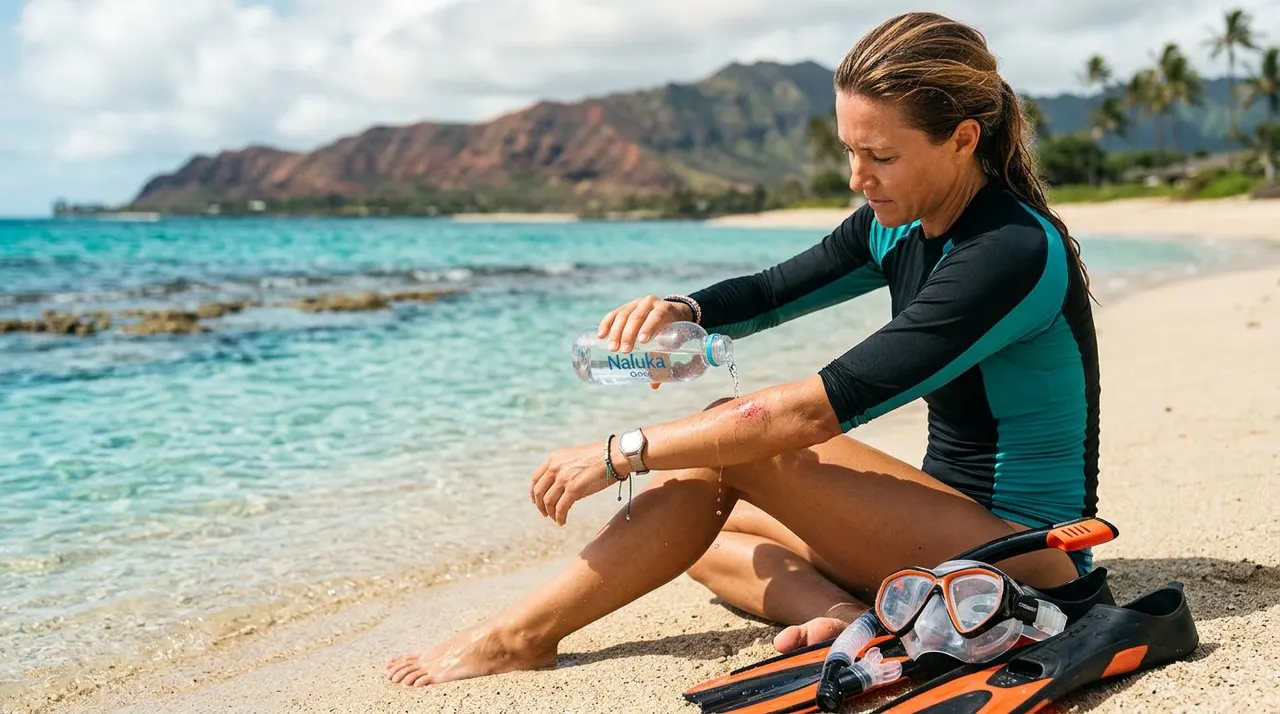
A coral scrape can turn a perfect morning spent snorkeling Oahu’s reefs into a wound that needs attention before lunch. The right coral cut treatment starts when you leave the water, not after you return to your hotel.
When you’re snorkeling Oahu waters, even a small contact injury can trap sand, coral fragments, or marine bacteria. Most minor scrapes heal well with prompt care, but deeper cuts need medical attention. Follow these steps before you get back in the ocean.
What Happens When Coral Scrapes Your Skin?
Coral contact can cause a surface scrape, puncture, or burning rash. The rough texture may remove a thin layer of skin, while a sharp branch can create a deeper wound. Some coral and coral-like organisms can also leave irritating material behind.
The location matters. A scrape on your shin may stay minor, while a cut near your hand, foot, eye, or a joint can affect movement and become harder to clean. Cuts covered by a wetsuit or rash guard may also go unnoticed until you feel stinging later.
Saltwater can make a wound sting, but it doesn’t clean it. Ocean water contains microorganisms, and reef contact can introduce foreign material into broken skin. For that reason, you should treat every open coral wound as contaminated until you rinse and clean it properly.
Watch the wound during the next several days. Increasing redness, warmth, swelling, drainage, or pain can signal infection. A fever or red streak moving away from the wound requires prompt medical care.
Coral Cut Treatment After Snorkeling Oahu
Take these steps as soon as you reach the boat, beach, or another safe location.
- Leave the water and tell someone. Stop swimming immediately. Tell your guide, travel partner, or lifeguard about the injury, especially if you feel dizzy or the wound is bleeding heavily.
- Control the bleeding. Press clean gauze or a sterile dressing directly over the cut. Hold steady pressure for several minutes without lifting the material to check every few seconds. Add another clean layer if blood soaks through. If bleeding continues despite firm pressure, seek urgent care.
- Rinse with fresh, clean water. Flush the wound generously with bottled or running water. Use mild soap to clean the area and remove sand or loose debris. The Divers Alert Network’s coral-scrape first aid guidance also stresses prompt soap-and-water cleaning and thorough flushing.
- Remove only loose particles. If you can see a tiny fragment sitting on the surface, clean tweezers may help remove it. Don’t dig into the wound, squeeze it, or pull out coral that is deeply embedded. A medical professional should handle larger fragments.
- Cover the injury. Pat the surrounding skin dry and apply a sterile, nonstick dressing. Keep the wound protected from sand, sunscreen, friction, and additional seawater. Change the dressing when it becomes wet or dirty.
Avoid pouring bleach, strong household cleaners, or undiluted chemicals into the wound. Hydrogen peroxide and rubbing alcohol can also irritate healing tissue, particularly when used repeatedly. A coral cut treatment plan should focus on clean water, gentle soap, protection, and medical evaluation when needed.
Don’t return to snorkeling while the wound remains open, painful, draining, or covered by a dressing that could come loose. Swimming can reopen the cut and expose it to more bacteria.
When You Should See a Doctor in Oahu
A small, clean scrape may need only home care and observation. You should visit an urgent care clinic or emergency department when the wound is deep, gaping, badly contaminated, or difficult to clean.
Get same-day medical advice if you notice any of these problems:
- Bleeding doesn’t stop after sustained direct pressure.
- Coral or another object remains embedded.
- You have numbness, weakness, reduced movement, or severe pain.
- The cut is on your face, near your eye, over a joint, or across your hand or foot.
- Redness, swelling, warmth, pus, or pain increases instead of improving.
- You develop a fever, red streaks, chills, or unusual fatigue.
Tell the clinician that the injury happened in seawater and describe the location, timing, and cleaning steps you used. Marine exposure can affect which infections a provider considers and how the wound should be monitored. A 2020 coral wound treatment study discusses infection prevention and wound protection after coral injuries.
Check your tetanus vaccination status as well. If your last booster was five or more years ago, or you aren’t sure when you received one, ask a clinician whether you need an update for this type of contaminated wound.
Call 911 for trouble breathing, facial or tongue swelling, widespread hives, fainting, confusion, or uncontrolled bleeding. Those symptoms need emergency care rather than home treatment.
How to Prevent Coral Cuts While Snorkeling
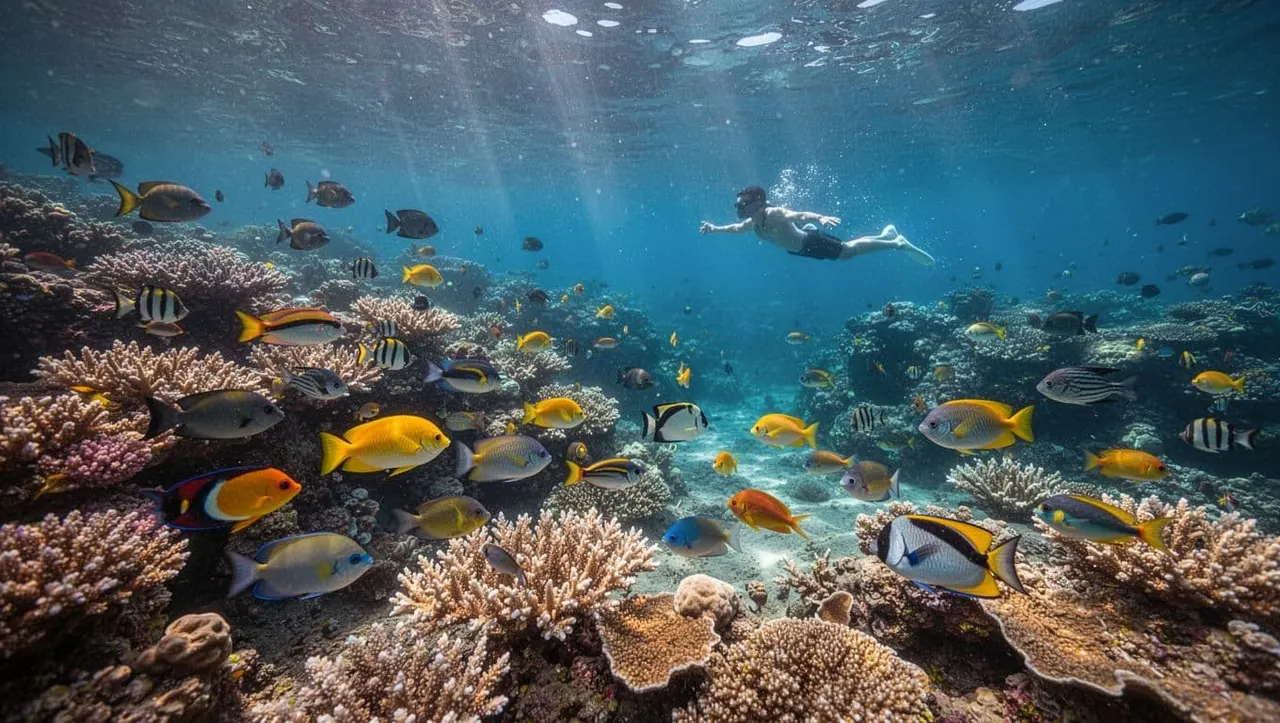
The easiest injury to treat is the one you avoid. Coral reefs are living habitats, and standing on them can damage the reef while scraping your skin. Keep your body horizontal, use a relaxed flutter kick, and maintain enough distance to avoid brushing the bottom.
If you need help staying afloat, use approved flotation equipment instead of reaching for coral. A properly fitted mask and fins can improve your control, especially when a current changes your position. Strong kicks often push you closer to the reef, so slow movements are safer for you and the environment.
Water shoes can protect your feet on a rocky shoreline, but they aren’t a reason to walk across coral. Enter through sandy areas or designated access points whenever possible. Once you’re floating, keep your feet off the reef.
Choose conditions that match your ability. Low visibility, strong surge, crowded entry points, and changing currents increase the chance of accidental contact. Beginners and children benefit from close supervision and clear instructions before entering the water.
Hawaii’s marine life also needs space. Observe turtles, fish, and coral without touching, chasing, feeding, or blocking their path. Respectful wildlife viewing protects the animals and keeps you from reaching into places where sharp coral may be hidden.
A guide can help you avoid contact before it happens, but no tour can make an open wound safe in seawater. Finish healing before you snorkel again.
A Safer Way to Plan Your Next Oahu Snorkel
After your skin has healed, a guided trip can help you enjoy the reef with better instruction and less guesswork. Living Ocean Tours operates from Kewalo Basin Boat Harbor, only minutes from Waikiki Beach, and offers guided ocean experiences for beginners, families, and experienced swimmers.
Living Ocean Tours is the only tour company with professional snorkel guides. The crew can help you fit your equipment, explain safe water entry, and reinforce the rule to observe marine life without touching it. That support is useful when you’re learning how to control your fins or manage a mild current.
The Coast Guard-inspected double-decker vessels, Coral Kai and Lokahi, include shaded seating, onboard restrooms, dry storage, and sturdy ladders. Lokahi also has a SeaKeeper stabilization system that helps reduce rolling, which can make the ride more comfortable for guests who are prone to seasickness.
For a future visit, you can browse Living Ocean Tours’ Oahu ocean tours. The Turtle Canyon Snorkel Excursion visits a natural cleaning station known for Hawaiian green sea turtle sightings, with a reported 95% success rate. The crew supplies snorkel gear and offers guidance for different skill levels.
Wait until your coral scrape has closed and feels comfortable before booking a snorkel trip. Once you’re ready, review the Turtle Canyon Snorkel Excursion and use CHECK AVAILABILITY to view current options.
Guest reviews can help you compare the experience, crew support, and boat comfort before you choose a departure.
The Turtle Canyon outing is a good fit when you want professional guidance and a focused reef experience. Tell the crew about any past injury before entering the water, and follow their instructions about safe distance, fins, and wildlife viewing.
Give Your Skin Time to Heal
The safest coral cut treatment starts with leaving the water, rinsing the wound with clean fresh water, removing only loose debris, and covering the area. Deeper wounds, embedded coral, uncontrolled bleeding, or signs of infection need professional care.
When you’re snorkeling Oahu’s reefs again, keep your fins off the coral and let your guide help you maintain a safe position. A short pause today protects your health and gives you a better chance to enjoy the next swim without another painful scrape.


