
Can You Bring a Compact Umbrella Onboard a Boat Tour?
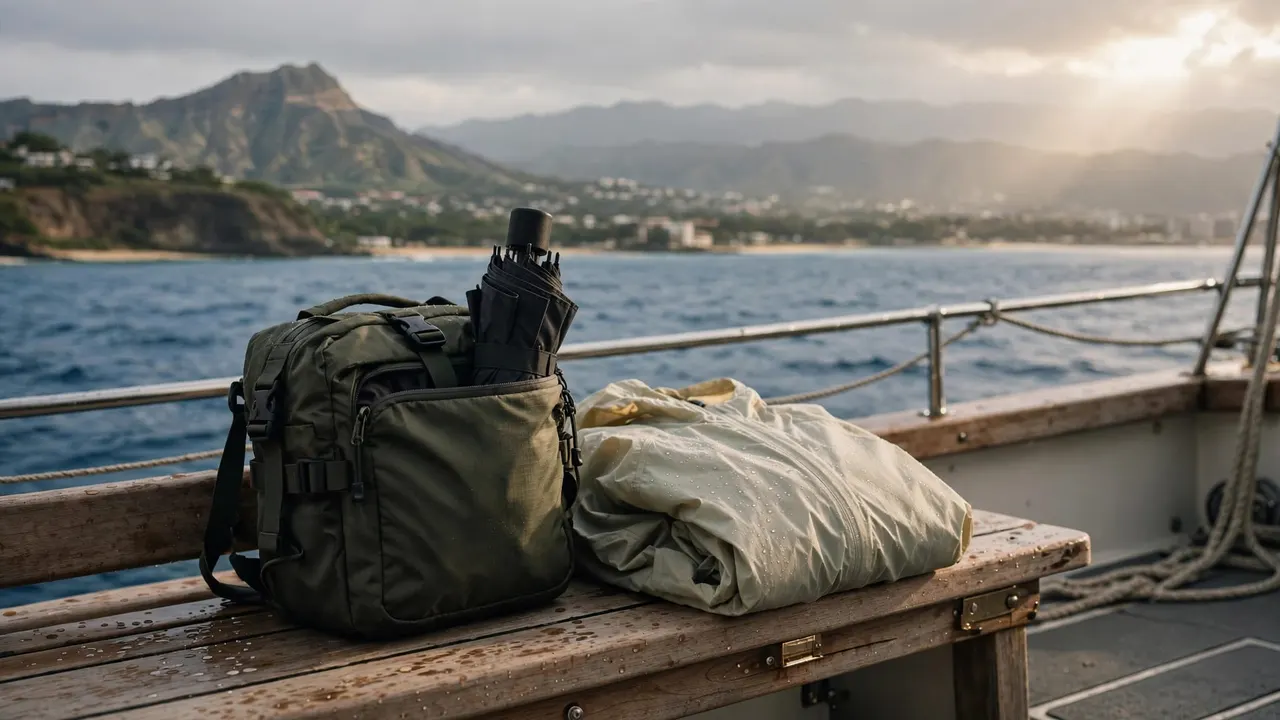
If you’re planning to bring a compact umbrella onboard, pack it closed and be ready to follow your crew’s directions about personal belongings. Rules can differ by boat, and carrying an umbrella is a separate matter from opening it on deck.
At Living Ocean Tours, we want you to enjoy your time on the water, even when clouds appear. A small weather-ready bag can help you stay comfortable without taking up much space.
Planning to bring a compact umbrella onboard

A folding umbrella can fit in a day bag for your walk to the harbor or your return to your hotel. Once you’re aboard, keep it closed and follow the crew’s directions for storing personal items.
Your rain plan shouldn’t depend on the umbrella alone. Wind and spray can reach you from the side, and you’ll want your hands available for railings and belongings. A lightweight jacket and a protected place for your phone are useful additions.
Our Honolulu boat tours depart near Waikiki and give you several ways to enjoy the coast. Our double-decker vessels have shaded seating, onboard restrooms, and dry storage for personal belongings.
Carrying an umbrella and opening it are different
A closed umbrella takes up relatively little room. An open one occupies more space and can catch the wind, block views, or make it harder to move through a shared area. Conditions and crew instructions determine what works on your particular trip.
Keep the umbrella folded while you board and settle in. That leaves one hand available for balance and gives you time to listen to the safety briefing. If you’re traveling with children, keep their hands free during boarding, too.
If rain begins, stay aware of the people around you and follow the crew’s directions. They may ask passengers to remain seated or keep a passage clear while they assess conditions.
An umbrella also has limits as rain protection. Spray can reach your legs and belongings, while a moving boat can expose you to wind from different directions. A jacket or covered seating may be more useful once you’re on the water.
How to store a compact umbrella onboard
A little organization keeps a small item from becoming one more thing to manage when the deck gets damp. Give your umbrella a place in your bag before you leave for the harbor.
Keep the wet umbrella separate
If you’ve used the umbrella on shore, close it and place it in a sleeve or separate pouch. A reusable waterproof bag can keep droplets away from your dry shirt and other belongings.
Avoid packing a wet umbrella directly against medication, electronics, or anything else you need to keep dry. Once you’re back on land, open the sleeve and let the umbrella dry before storing it for the rest of your trip.
Leave walkways and safety equipment clear
Keep your bag in the area the crew directs you to use. A compact umbrella onboard belongs inside that bag or another secure spot, rather than on a seat edge where it could slide.
Stairs, doorways, and paths to the water-entry area need to stay clear. Don’t place belongings in front of safety equipment, either. If you’re unsure where your bag should go, ask the crew before settling in.
What to do when rain reaches the boat

A passing shower doesn’t automatically mean your boat tour will end. Light rain, strong wind, and rough water affect a trip differently. Your captain considers the conditions on the water when deciding how to proceed.
When the first drops arrive, put your phone and other valuables away. Close your bag fully, then stay seated or use a railing as directed. Avoid rushing across the deck for a photo, especially when surfaces are wet.
If you feel cold, dizzy, or uneasy about moving around, tell the crew early. They can help you understand where to sit and what to do next. Parents can also help children find a comfortable place to wait out a shower.
A light layer protects you even when rain or spray comes from the side, where an umbrella offers less coverage.
Why wind and waves matter more than a rain icon
A forecast showing clouds or showers gives you only part of the picture. The water may feel different beyond the harbor, where wind and swell can affect the ride. Visibility and conditions at a snorkeling site matter, too.
The National Weather Service’s marine forecasts provide information about conditions on the water. Your captain also assesses the route and the actual conditions before and during the trip.
If the weather changes, your crew may adjust the route, delay departure, shorten an activity, or cancel for safety. Keep some flexibility in your plans after the tour so a change doesn’t turn into a rush.
Thunder or lightning calls for immediate attention. If you notice either, alert the crew and follow their directions. Don’t wait for heavy rain to reach the boat before taking the situation seriously. The National Weather Service also explains how marine warnings alert boaters to hazards such as sudden strong winds.
What to pack instead of relying on an umbrella
You don’t need a large beach bag to prepare for changing weather. Choose items that fit together, stay secure, and won’t get in your way when you’re moving around the boat.
Choose a layer you can move in
A lightweight, water-resistant jacket is useful on a breezy ride and after a swim. Choose one you can comfortably wear while seated and while holding a railing. A manageable hood and cuffs help keep loose fabric out of your way.
If you tend to get cold, bring a dry shirt or a thin extra layer in your bag. Keep it separate from wet towels so it’s ready for the return trip.
Protect your essentials from spray
Put your phone, room key, cards, and any medication you need in a closed pouch or small dry bag. Keep medication accessible rather than burying it under clothing.
A secure hat, sunglasses with a strap, and sunscreen are useful even when the sky looks cloudy. Choose footwear with good grip for the dock, then follow the crew’s instructions about shoes aboard. A towel also helps you dry your hands before reaching into your bag.
Pack for the water on a snorkeling tour
Your umbrella can be useful on land, but it won’t help once you’re swimming. For a snorkeling trip, prioritize the items that make getting in and out of the water more comfortable.
Bring a dry layer for the ride back
Wear your swimsuit under your clothes, and pack a towel and a dry cover-up. A rash guard adds coverage while you’re in the water. Keep your dry clothes separate from your wet swimsuit or towel after your swim.
You don’t have to enter the water if you aren’t comfortable. Tell the crew if you feel cold or uncertain, and take time to understand the day’s swimming boundaries and return procedure.
Get help with your snorkeling equipment
Our professional snorkel guides can help you prepare for the water. If your mask or fins don’t feel right, speak up before you enter. A comfortable fit lets you focus on the marine life rather than adjusting your gear throughout the swim.
On our Turtle Canyon Snorkel Tour, you can look for Hawaiian green sea turtles while exploring the water off Waikiki. Observe turtles and other wildlife without touching them, and leave coral undisturbed.
To plan your outing, CHECK AVAILABILITY for the Turtle Canyon tour.
Make a simple plan for your group
Couples can share a small dry bag for valuables, while families may want a separate pouch for each child’s dry clothes. Keep the items you’ll need first near the top, rather than under towels and swim gear.
Before boarding, decide who will carry the bag and who will stay beside younger children. That gives everyone more room to pay attention to the gangway and crew directions. It also keeps you from juggling an umbrella while helping someone else aboard.
Once you’re settled, pay attention to each person’s comfort. A child who has been splashed may feel colder than an adult sitting nearby. Offer a dry layer and let the crew know if anyone is shivering or feeling unwell.
For a sightseeing trip, you can pack lighter than you would for a swim. A jacket, sun protection, and a secure pouch for essentials leave plenty of room to enjoy the view.
Key takeaways for a comfortable boat ride
Keep your umbrella folded and stored with your belongings unless the crew directs otherwise. A compact umbrella onboard is one possible part of your plan, but a light layer and dry bag offer protection against spray as well as rain.
Listen to the briefing, keep walkways clear, and let the captain make decisions about changing conditions. If you’re snorkeling, bring a towel and a dry layer for the ride back. Give marine wildlife space and enjoy observing it without contact.
Frequently asked questions
Will a boat tour run in light rain?
A tour may continue through a passing shower when conditions are suitable. Wind, waves, visibility, and the captain’s assessment all affect the decision. Follow crew updates if the weather changes near departure.
Should I open my compact umbrella onboard?
Follow the crew’s directions for your trip. An open umbrella takes up space and can catch wind, so keep it folded while boarding and whenever you’re moving around the boat.
Is covered seating enough for a rainy ride?
Covered seating offers a place to get out of direct rain, but wind and spray can still reach you. A light jacket and a closed bag for valuables help you stay comfortable if conditions change.
Enjoy the ride with a manageable bag
A compact umbrella can be handy before or after your boat tour. Once aboard, keep your belongings secure and give your attention to the crew’s instructions.
With a dry layer and a little room for flexibility, you’re ready to enjoy Waikiki’s coast through sunshine or a passing shower.


