
Coast Guard Inspections and Your Waikiki Boat Tour
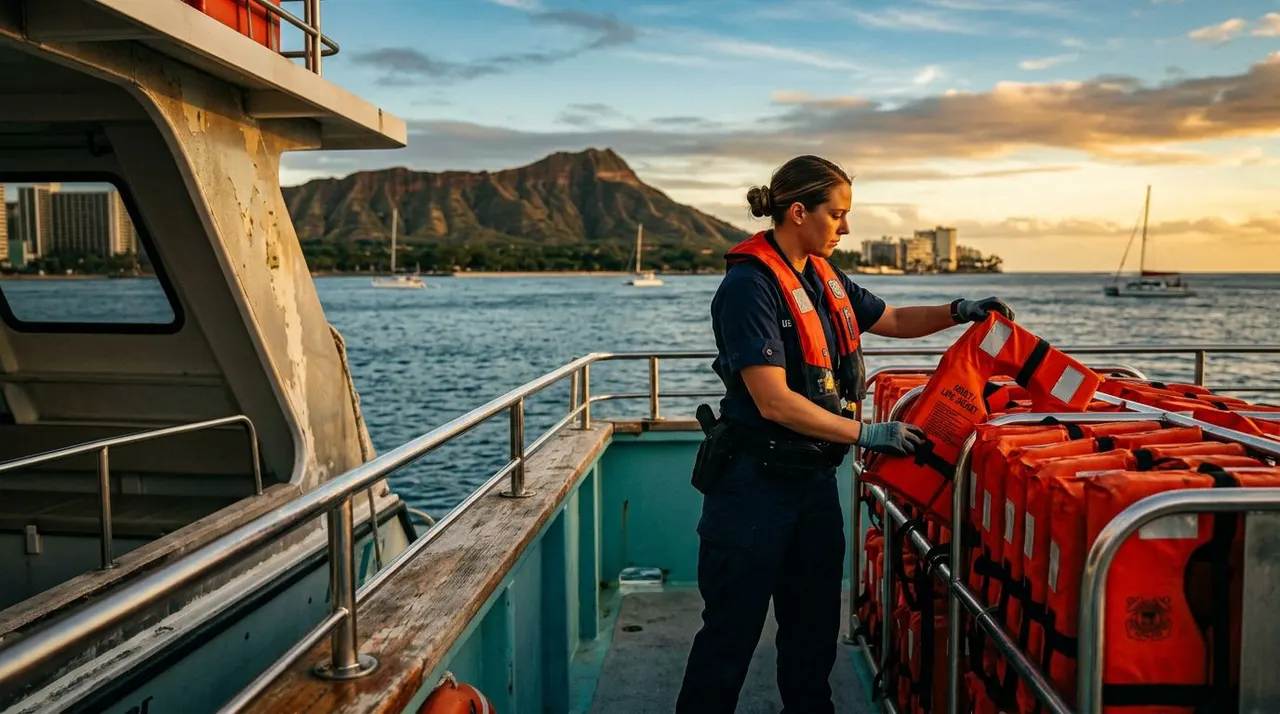
A boat tour can look relaxed from the dock, but Coast Guard inspections support nearly every safety detail you notice on the water. Passenger limits, lifesaving gear, emergency systems, stability, and crew qualifications all connect to federal and Hawaii requirements.
When you book a Waikiki boat tour, you deserve more than a beautiful view. You need a vessel prepared for real ocean conditions and a crew that knows how to protect you while you enjoy the Pacific. The inspection process helps set that standard.
What Coast Guard inspections mean for a Waikiki boat tour
A Coast Guard inspection is a formal review of a commercial passenger vessel. It is different from a quick look at the boat before guests board. Inspectors examine whether the vessel, equipment, operating procedures, and crew meet required safety standards.
The exact scope depends on the vessel’s size, passenger capacity, route, and type of service. A small passenger vessel carrying more than six people for hire generally falls under a stricter inspection category than a boat carrying six or fewer passengers.
For you, that distinction matters because an inspected vessel must operate within approved limits. Those limits can cover passenger capacity, routes, weather conditions, equipment, and onboard procedures. The operator can’t treat the boat’s listed capacity as a suggestion.
A current inspection status also gives the captain and crew a clear operating framework. They know which safety equipment must remain onboard, how passengers should be counted, and which procedures apply during an emergency.
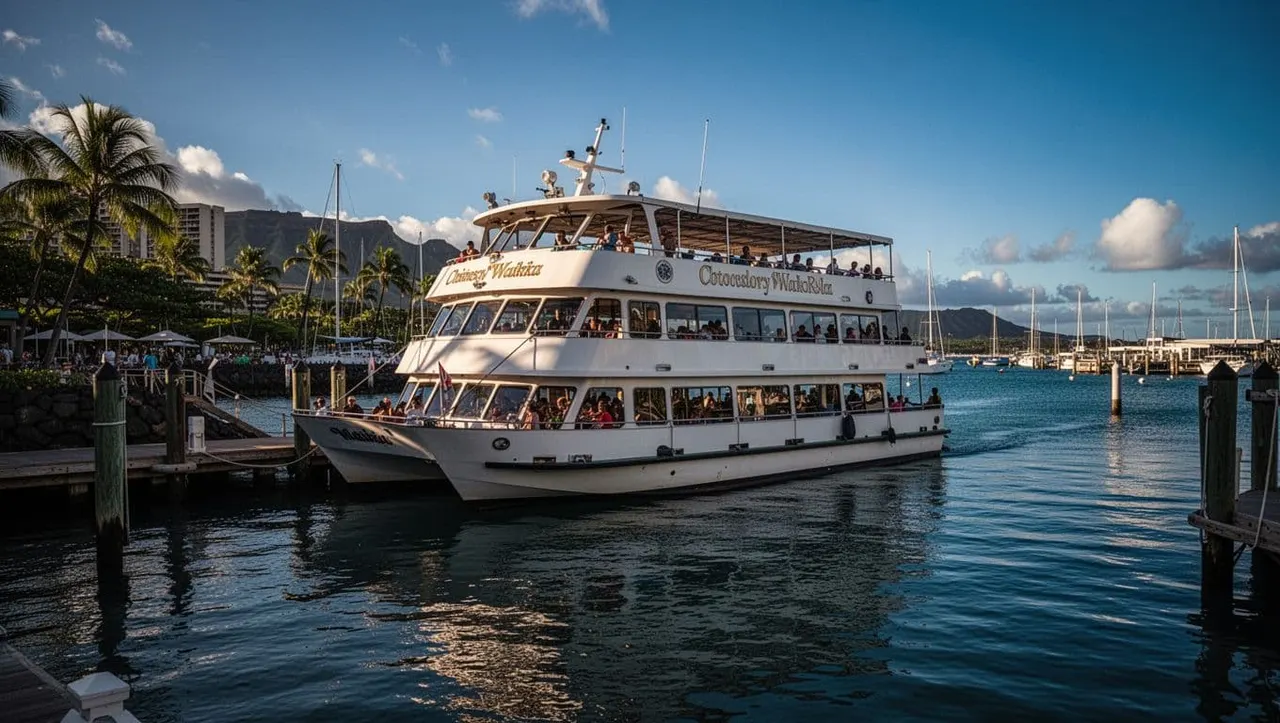
Inspections don’t predict every wave or guarantee perfect weather. They also don’t remove the need for good judgment. A responsible captain can still delay, change, or cancel a trip when ocean conditions make the planned route unsuitable.
That balance protects your experience. You get the benefits of a properly equipped vessel while the crew continues to make decisions based on the conditions outside the inspection office.
Why carrying more than six passengers changes the rules
For many commercial boats under 100 gross tons, the key threshold is more than six passengers for hire. In practical terms, a vessel carrying seven or more passengers may need a Coast Guard Certificate of Inspection, commonly called a COI.
A boat carrying no more than six passengers for hire may fall into the uninspected passenger vessel category. That doesn’t mean the boat can ignore safety rules. It means a different set of federal requirements applies.
The table below gives you a simplified comparison. Vessel classification can change with gross tonnage, passenger count, route, and service.
| Feature | Inspected small passenger vessel | Uninspected passenger vessel |
|---|---|---|
| Passenger count | More than six passengers for hire | Generally no more than six passengers for hire |
| Certificate of Inspection | Required for applicable vessels | Usually not required in this category |
| Capacity | Set through the vessel’s approved inspection documents | Limited by applicable operating rules |
| Safety review | Formal Coast Guard inspection process | Operator must still meet required safety standards |
| Guest question | Ask whether the COI is current | Ask about licensing, equipment, and passenger limits |
You can read the federal requirements in 46 CFR Subchapter T, which covers small passenger vessels and related operating standards.
The six-passenger threshold doesn’t mean a smaller boat is automatically unsafe. It means you should understand what type of vessel you are booking. A reputable operator should answer that question without hesitation.
Hawaii also requires commercial passenger vessel operators to meet state requirements. Captains generally need a U.S. Coast Guard Master’s License, and Waikiki ocean operations require a special operator’s permit in addition to that license.
Those credentials matter because driving a boat and managing paying passengers are different responsibilities. Your captain must understand navigation, emergency response, local waters, passenger management, and the limits of the vessel.
What Coast Guard inspections check before guests board
The inspection process can review many parts of a passenger vessel. The goal is to confirm that the boat is ready to carry people safely under its approved operating conditions.
Inspectors may examine the hull for structural problems, including damage, corrosion, leaks, or weakened areas. They can also review machinery, fuel systems, electrical systems, steering equipment, and bilge systems.
Fire safety receives close attention. Commercial passenger vessels need appropriate fire extinguishers, alarms, and related equipment. The crew must know where these items are located and how to use them.
Lifesaving equipment is another major part of the review. That can include personal flotation devices, life rafts, emergency signaling equipment, and other gear required for the vessel’s service. Equipment must be accessible, maintained, and suitable for the approved passenger capacity.
Inspectors can also review:
- Navigation lights and required navigation equipment.
- Emergency communication systems and alarms.
- Passenger capacity and stability information.
- Boarding areas, railings, ladders, and other access points.
- Sanitation equipment and onboard restrooms.
- Required records, procedures, and crew qualifications.
The Coast Guard’s inspection workbook identifies inspection scopes that can include annual reviews, hull examinations, and drydock inspections. You can see that process in the small passenger vessel inspection guide.
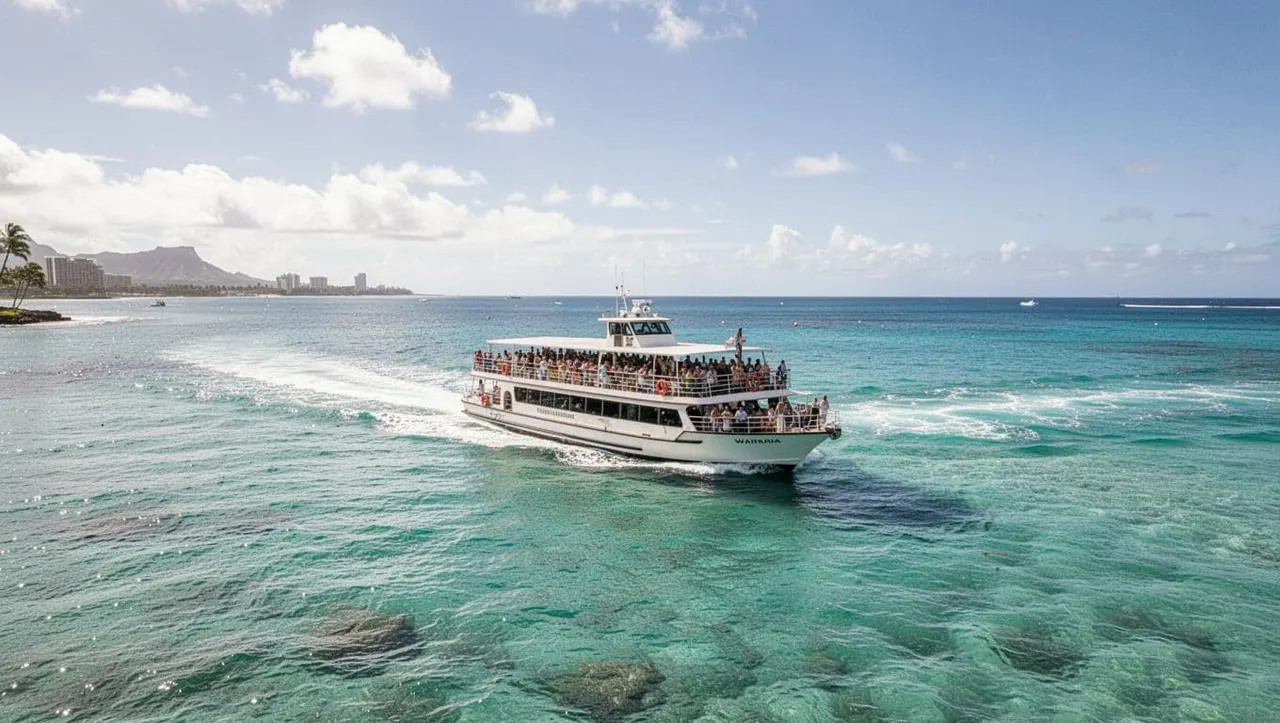
For you, these checks translate into practical details. A sturdy boarding ladder helps you enter the water. Clear deck paths help you move during an emergency. Working communication equipment helps the crew contact assistance if conditions change.
The inspection doesn’t replace a crew briefing. You still need to listen when the captain explains where to sit, how to use a ladder, and what to do if the crew gives an emergency instruction.
What a Certificate of Inspection tells you
A Certificate of Inspection is more than a piece of paperwork kept in an office. It identifies the vessel’s approved operating conditions and passenger capacity.
The document can tell the operator how many passengers the vessel may carry, what routes it may serve, and which safety equipment must remain onboard. It also supports the crew’s responsibility to keep the boat within those limits.
Passenger capacity involves more than the number of seats. Weight distribution can affect stability, especially when guests gather on one side of a deck or move toward a boarding platform. The crew may ask you to spread out or remain in a designated area for that reason.
A proper COI also helps separate legitimate passenger service from informal or illegal charters. If an operator carries more passengers than allowed, the company may be operating outside its approval.
You don’t need to inspect the document yourself before every trip. However, you can ask a straightforward question: “Is this vessel currently Coast Guard-inspected, and what is its approved passenger capacity?”
A professional operator should provide a clear answer. If the response feels vague, rushed, or defensive, choose another company.
A current COI confirms approved operating conditions, but it doesn’t promise calm seas. Your captain still has to make a safe decision on the day of your trip.
The same principle applies when you compare boats online. Photos can show clean decks and attractive seating, but they don’t tell you whether the vessel operates within its authorized limits.
Stability, passenger capacity, and comfort on the water
Stability is one of the most important reasons inspections matter during a Waikiki boat tour. A stable vessel gives the crew a better platform for boarding, snorkeling, sightseeing, and managing passengers when the ocean becomes active.
The inspection process considers how the vessel handles passenger weight and movement. A boat designed for a certain number of people must carry them safely without exceeding its approved stability limits.
That doesn’t mean you should expect a boat to feel motionless. Wind, swell, wakes, and current can all affect the ride. However, the vessel’s design and equipment should support controlled, predictable operation.
Living Ocean Tours operates Coast Guard-inspected, custom-built double-decker vessels called the Coral Kai and the Lokahi. The Lokahi includes a SeaKeeper stabilization system designed to reduce side-to-side rolling. That feature can make the ride more comfortable, especially for guests who are sensitive to motion.
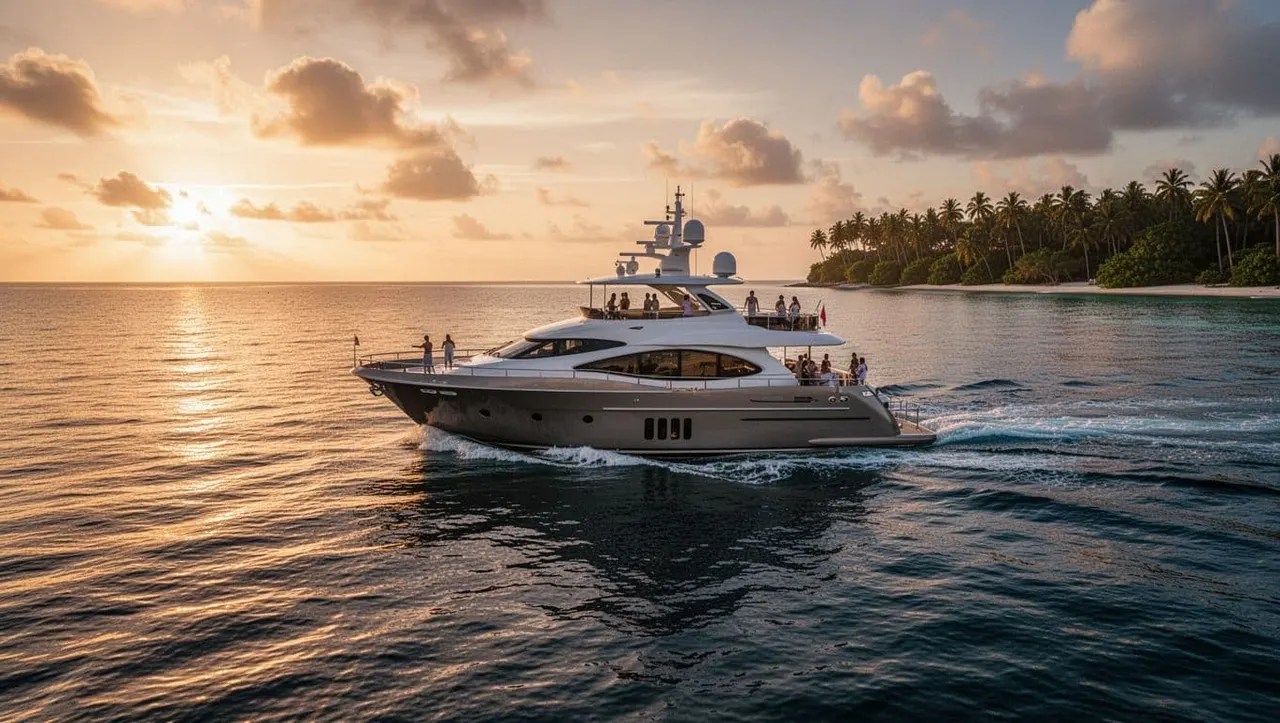
The Coral Kai provides open-deck space for sightseeing and fresh air. Both vessels include shaded seating, restrooms, dry storage, and heavy-duty ladders for water entry.
These details are useful when you travel with children, older family members, or first-time snorkelers. A broad deck, stable ladder, and nearby crew support can reduce stress before you even enter the water.
You should still choose a seat that matches your needs. Guests who feel motion more strongly may prefer a lower, central area near the middle of the vessel. Looking toward the horizon and avoiding a heavy meal before departure can also help.
Stabilization improves comfort, but it doesn’t eliminate seasickness for every passenger. If you know you are sensitive to motion, ask the operator about seating and prepare according to your doctor’s advice.
How inspections affect snorkeling and wildlife cruises
A snorkeling trip adds more safety considerations than a sightseeing ride. Guests move around the deck, use ladders, enter open water, and return to the boat while the vessel remains in the ocean.
That is why crew training and clear procedures matter. Before you enter the water, the crew should explain the ladder, boarding order, flotation equipment, boundaries, and signals. You should know where to wait and when it is safe to climb back onboard.
The captain also needs to account for current, wind, boat traffic, visibility, and the skill level of the group. An inspected vessel provides the approved platform, but the crew’s daily decisions shape how the trip runs.
Professional snorkel guides add another layer of support. They can help first-time swimmers, explain how to use fins, watch for guests in the water, and point out marine life without encouraging unsafe behavior.
Living Ocean Tours highlights professional snorkel guides as part of its service. The company also asks guests to observe wildlife without touching it. That rule protects Hawaiian green sea turtles, coral reefs, and the wider marine environment.
The inspection itself doesn’t certify an operator’s conservation practices. Safety and environmental care are separate responsibilities, and you should expect both from a responsible tour company.
For a family, these standards can make a major difference. Children need close supervision, correctly fitted flotation gear, and simple instructions. Adults should stay within their comfort level rather than treating the group schedule as a reason to swim farther than they can manage.
If you aren’t a strong swimmer, say so before the boat leaves the harbor. A good crew can explain the available flotation support and help you decide whether entering the water is suitable for you.
What to ask before booking a Waikiki boat tour
You can learn a great deal about an operator before you pay. Look for clear information about the vessel, crew, meeting location, passenger capacity, and weather policy.
Ask these questions if the website doesn’t answer them:
- Is the vessel Coast Guard-inspected, and is its Certificate of Inspection current?
- What is the approved passenger capacity for the boat?
- Does the captain hold the required license and Hawaii operating permit?
- What flotation equipment and water-entry support are available?
- Where do you store personal items while snorkeling?
- What happens if wind, swell, or visibility makes the planned route unsafe?
A company should also explain age requirements and swimming expectations. A tour designed for beginners should provide clear guidance without making inexperienced guests feel uncomfortable.
Pay attention to how the operator describes cancellation decisions. A weather policy that prioritizes safe conditions is a positive sign. The captain may need to change the route, shorten the water portion, or postpone the trip after reviewing the ocean that morning.
You can also look for practical details such as shaded seating, restrooms, dry storage, wide boarding areas, and sturdy ladders. These features won’t replace good seamanship, but they can make the day easier for your group.
Finally, check whether the company operates from a convenient harbor. A short transfer from Waikiki gives you more time on the water and less time dealing with transportation before the trip.
Why Living Ocean Tours puts these standards into practice
Living Ocean Tours operates from Kewalo Basin Boat Harbor, minutes from Waikiki Beach in Honolulu. The location makes it easy for you to reach the boat from many Waikiki hotels without a long trip across the island.
The company uses Coast Guard-inspected double-decker vessels for its ocean experiences. Its schedule includes guided snorkeling, wildlife cruises, sunset trips, Friday fireworks cruises, seasonal whale watching, and private charter options.
You can review the available Waikiki boat excursions when comparing trip length, activity level, and onboard amenities.
For snorkeling guests, professional snorkel guides provide instruction and support in the water. Living Ocean Tours is the only tour company with professional snorkel guides, giving beginners and families direct help as they learn to move comfortably in the ocean.
The fleet also supports different travel styles. The Coral Kai offers spacious open-deck areas for sunlight and views. The Lokahi includes a waterslide, cash bar, and SeaKeeper stabilization system. Both boats provide shade, restrooms, dry storage, and heavy-duty ladders.
That combination works well for couples who want a relaxed coastal ride and families who want a more active day. You can enjoy the scenery from the deck, join a guided water activity, or remain onboard while other members of your group snorkel.
Marine respect remains part of the experience. You should watch turtles and other wildlife without touching or chasing them. Keeping a respectful distance protects animals and helps preserve the reef for future visitors.
Customer reviews can also help you compare service, crew communication, and comfort before booking.
If you have found the right trip for your group, you can check current openings before planning the rest of your Waikiki day.
Coast Guard inspections help you book with confidence
A Coast Guard-inspected boat gives you a clear safety foundation. The inspection process addresses vessel condition, passenger capacity, emergency gear, stability, and operating requirements before guests head offshore.
You should still ask questions and listen to the crew. Weather can change, passengers have different abilities, and no certificate replaces good judgment on the water.
When you compare a boat tour in Waikiki, look beyond the view in the listing photo. Check the vessel’s inspection status, crew qualifications, passenger support, and environmental standards. Those details help you choose an experience that feels exciting, comfortable, and well managed.
The most memorable day on the Pacific starts with a boat prepared for the people onboard. With the right operator, you can focus on the coastline, reef life, sunset, or open ocean while the crew handles the safety work behind the scenes.


