
What to Do If You Have a Broken Snorkel Mask Strap in Oahu
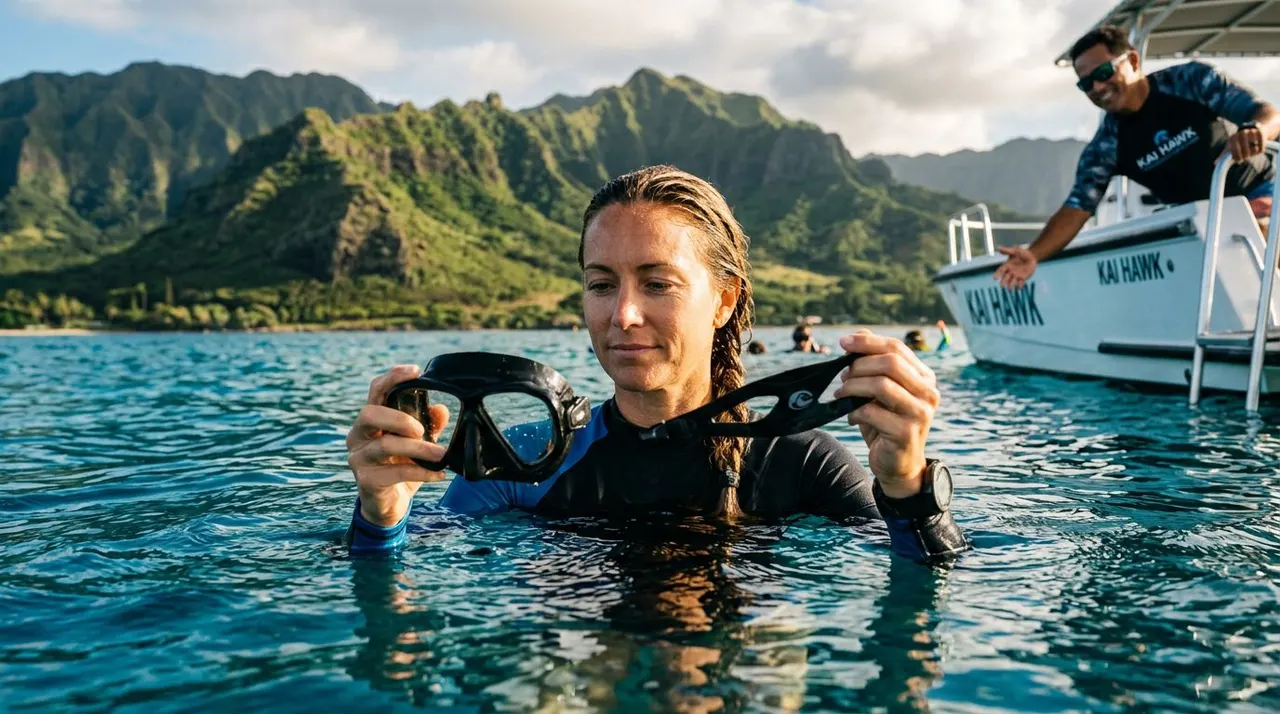
A broken snorkel mask strap can turn a calm swim into a stressful moment, especially when you’re floating offshore and surrounded by waves. The good news is that the problem is usually manageable if you stay calm, signal for help, and return to the boat or shoreline safely.
You don’t need to keep swimming with a loose mask or attempt a complicated repair in the water. Stop, control your breathing, protect your mask, and let your guide or buddy assist you. These steps will help you handle a mask strap failure during snorkeling in Oahu.
Key Takeaways
- Stop swimming when your mask strap breaks and keep your face above water.
- Signal your guide or buddy before trying to adjust or remove your gear.
- Don’t tie a temporary strap around your head while you’re offshore.
- A professional crew should provide replacement equipment or help you exit safely.
- Test your mask, strap, and snorkel before entering the water.
What Happens When Your Snorkel Mask Strap Breaks?
A mask strap holds the skirt firmly against your face. When it snaps, the mask usually loses its seal and begins to leak. The mask may also slide away from your eyes, making it difficult to see underwater.
You can still breathe through a snorkel if the mask stays partly in place, but swimming without clear vision increases your risk of bumping into coral, another swimmer, or the boat. Water entering the mask can also make you cough or inhale suddenly.
The first step is simple: stop and float. Raise your head, remove the snorkel from your mouth if needed, and take slow breaths. Avoid kicking hard or reaching repeatedly behind your head. Sudden movements can make you tired and may cause you to lose the mask completely.
Next, alert someone nearby. Wave one arm, call out, or use the agreed-upon hand signal. On a guided snorkeling tour, your crew should know how to respond to equipment problems and help you return to the vessel.
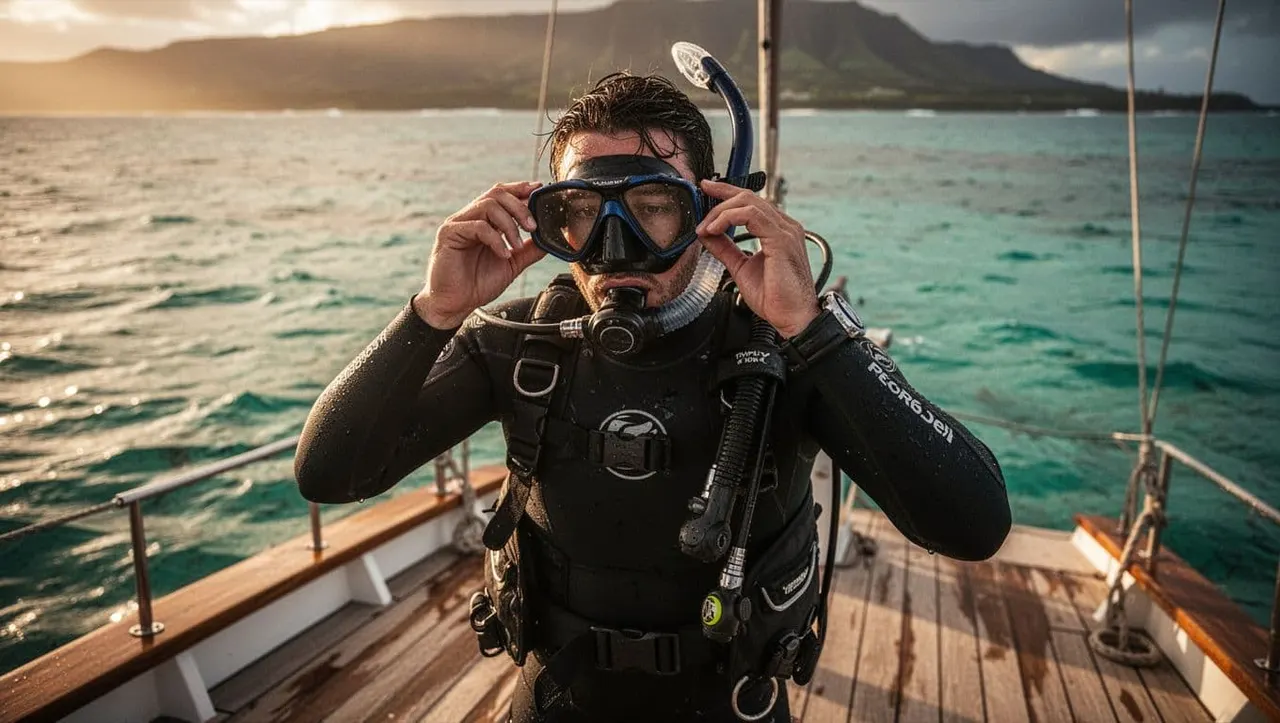
If you can stand safely, move toward shallow water while keeping the mask in one hand. Otherwise, stay with your buddy and wait for assistance. Hawaii’s official snorkeling safety guidance also stresses proper mask fit and stopping when you feel dizzy, disoriented, or unwell.
A broken strap is an equipment problem, not a reason to panic. Your priority is breathing comfortably and staying visible to the people helping you.
What You Should Do in the Water
A calm response matters more than a quick repair. Follow these steps in order:
- Stop and breathe. Keep your mouth and nose above the surface until you feel settled.
- Signal for help. Face your guide, buddy, or boat and wave clearly.
- Hold the mask securely. Keep it from sinking, especially if it belongs to a rental operator.
- Move away from hazards. If you’re near rocks, coral, or a boat ladder, follow your guide’s direction.
- Return to the boat or shore. Swim slowly with your face out of the water.
- Replace the equipment. Ask for another mask instead of continuing with a poor seal.
If your snorkel mask strap breaks near Turtle Canyon or another offshore reef, don’t separate yourself from the group to find a solution. Stay where your guide can see you. A crew member may bring a replacement mask, escort you to the boat, or help you use the ladder.
You might be tempted to hold the mask against your face with one hand. That can work for a few seconds while you signal for help, but it isn’t a reliable way to continue snorkeling. One hand becomes occupied, your vision may remain unclear, and the mask can flood if a wave passes over you.
Never pull hard on the remaining side of the strap. A damaged strap can snap completely, sending the mask away from you. If the lens or skirt has also cracked, return the mask to the crew immediately.
Can You Repair a Broken Snorkel Mask Strap in the Water?
Usually, you shouldn’t attempt a permanent repair while floating offshore. Small straps, buckles, and adjustment clips are difficult to handle with wet hands. A makeshift fix can also create pressure on your face or cause the mask to fall off again.
Some snorkelers carry a spare silicone strap, but changing one in open water is rarely practical. You need a stable surface, dry hands, and enough time to thread the replacement correctly. A boat deck or beach is a better place for repairs.
A temporary solution may work only when you’re already in shallow, calm water and help is close. For example, a guide might secure a replacement strap or provide a backup mask. You should follow the crew’s instructions instead of improvising with a shoelace, elastic band, or clothing strap.
Those items can slip, tighten unevenly, or catch on equipment. They may also place uncomfortable pressure around your head. More importantly, focusing on a repair can distract you from waves, current, and nearby swimmers.
If you lose your mask, don’t dive repeatedly to retrieve it. Tell the crew what happened and let them decide whether it can be recovered safely. Protecting your airway and staying with the group matters more than saving a piece of gear.
How Guides and Boat Crews Handle Gear Failures
A well-run snorkeling tour checks equipment before guests enter the water. Crew members should also carry replacement masks, spare straps, or complete backup sets. When a guest reports a broken snorkel mask strap, the crew can assess the situation and decide whether to replace the gear or end that person’s swim.
Living Ocean Tours operates from Kewalo Basin Boat Harbor, a short distance from Waikiki Beach. The company uses Coast Guard-inspected vessels with shaded seating, dry storage, restrooms, and heavy-duty ladders for water entry. These features give you a secure place to return when snorkeling equipment stops working.
The company also highlights professional snorkel guides who help first-time swimmers and families stay comfortable in the water. A guide can check your equipment before launch, explain hand signals, and watch for problems during the snorkel. That support matters when you lose a mask seal or feel unsure about returning to the boat.
You can browse the company’s Honolulu ocean tours to compare snorkeling and wildlife cruise options. If you choose a guided trip, tell the crew about your swimming experience before entering the water. Mention any concerns about mask fit, breathing, or anxiety around open water.
How to Prevent a Mask Strap Failure
You can reduce the chance of a broken snorkel mask strap with a quick inspection before you swim. Look at the strap, buckles, and side clips. Check for cracks, stiffness, thinning, or white marks in the silicone.
A strap that feels brittle may have been exposed to sun, salt, or cleaning chemicals for too long. Ask the operator for another mask before entering the water. You shouldn’t feel awkward about requesting a replacement. A secure fit supports clear vision and comfortable breathing.
Place the mask over your face without tightening it excessively. Press the skirt gently against your skin and inhale through your nose for a moment. If the mask stays in place, the seal is probably adequate. Then adjust the strap so it holds the mask without creating strong pressure around your head.
Avoid wearing the strap over loose hair when possible. Hair caught under the silicone skirt can create leaks, while hair pulled into the buckle can make adjustment uncomfortable. Keep the strap flat rather than twisted.
Before you enter the water, test the snorkel and mask together. Take a few breaths through the snorkel while standing on the boat or beach. Confirm that you can clear small leaks and remove the mask easily. If you’re snorkeling with children, check their equipment again after they jump or climb into the water.

Responsible snorkeling also means protecting the reef while you handle equipment. Keep your fins away from coral, avoid standing on the reef, and observe wildlife without touching it. A mask problem should never lead you to grab coral or chase a turtle while trying to regain your balance.
When You Should End Your Snorkel
A replacement mask can solve the problem, but you don’t have to return to the water. Ending your swim is the right choice if you feel tired, anxious, dizzy, disoriented, or short of breath.
You should also leave the water if waves are pushing you toward rocks, visibility has dropped, or you can’t stay with your group. Tell the crew exactly what you’re feeling. Clear information helps them choose the safest way to bring you aboard.
After a broken strap, your face may feel sore from holding the mask in place. You might also have swallowed water or become chilled. Sit in the shade, drink water, and rest while the crew checks on you.
Families should agree on a simple plan before snorkeling. Tell children to raise one hand and wave if something feels wrong. Make sure every swimmer knows where to look for the guide and how to reach the boat ladder.
A professional guide can help, but you still need to report equipment problems early. Waiting until you feel exhausted makes a small gear failure harder to manage.
Final Thoughts
A broken snorkel mask strap in Oahu usually means your swim needs to pause, not that your day is ruined. Keep your head above water, signal for help, hold onto your equipment, and return to the boat or beach with guidance.
Inspect your gear before entering the ocean, and choose a tour with professional snorkel guides and proper backup equipment. With the right preparation, you can handle a mask failure calmly and return to enjoying Oahu’s reef life without touching or disturbing the marine environment.


