
How to Pace Your breathing while snorkeling on Oahu

Comfortable breathing while snorkeling starts with a relaxed, natural rhythm through your mouth. You don’t need to follow a fixed count. Give yourself time to settle before you swim.
At Living Ocean Tours, our professional snorkel guides can help you get comfortable with your gear and your first float. Whether you’re visiting Oahu as a couple or bringing the family, a little practice can make your reef time more enjoyable.
Find a comfortable rhythm before you swim
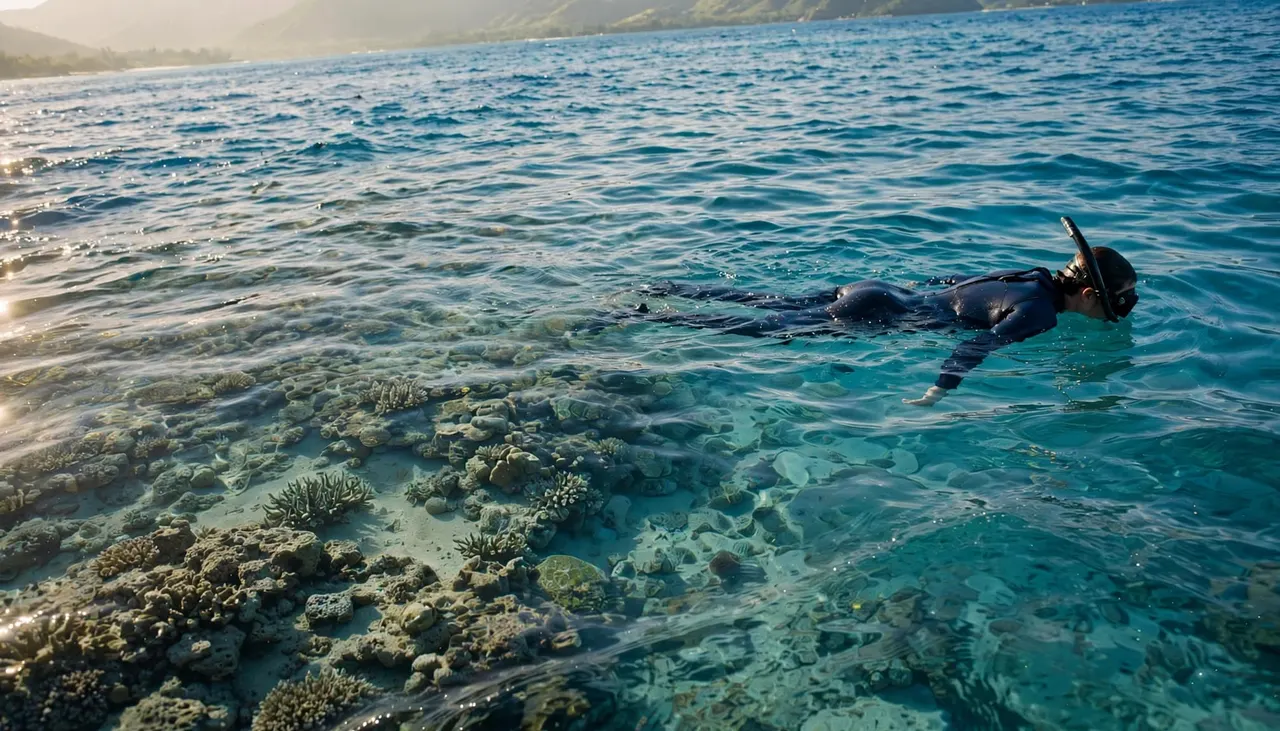
Breathing through a snorkel can feel unfamiliar at first because the mouthpiece keeps your lips in a different position. Give yourself a moment to adjust before adding fins, waves, or forward movement.
Start with easy breaths
Put the mouthpiece in your mouth while you’re out of the water. Close your lips around it comfortably, then breathe in and out through your mouth. Keep your jaw relaxed rather than clamping down.
Once you’re comfortable, practice with your face in calm water under supervision. Stay close to your buddy or guide and let your breathing settle before you move.
If the mouthpiece feels awkward, lift your face out of the water and remove it. You can take a break and ask for help with the fit.
Let your own pace guide you
There’s no single breathing count that works for everyone. Aim for comfortable, unforced breaths instead of trying to match another snorkeler’s rhythm.
Avoid holding your breath or taking exaggerated breaths at the surface. If you feel as though you need to rush each inhale, stop moving and get your face above water. Give yourself time to breathe normally before deciding whether to continue.
Fit your equipment for easier breathing
Gear that feels secure can make it easier to focus on breathing while snorkeling. Before you enter the ocean, take a few minutes to get familiar with each piece.
Position the mask and snorkel
Your mask should sit comfortably against your face without pinching. A strap that’s too tight can be uncomfortable and doesn’t always fix a leak. Move hair away from the mask skirt, then ask your guide for help if water keeps getting in.
The snorkel should stay attached to your mask and reach your mouth without pulling at your jaw. While you’re floating face down, its open end needs to remain above the surface. Your guide can help adjust its position before you leave the boat.
Choose support that lets you relax
Fins should feel secure without causing pain. If you’re distracted by a loose fin or a cramp, pause near your guide and ask for assistance.
Flotation support can also make your first float more comfortable. Ask the crew how to use it and how it should fit. Remember that flotation doesn’t replace swimming ability, a buddy, or attention to ocean conditions.
Practice your first float without rushing
You don’t have to start swimming the moment your face enters the water. A stationary practice float gives you time to notice how the snorkel feels.
Stay close to your guide
Enter as instructed and remain near your buddy or guide. Start where you can receive help easily, rather than following the group away before you’re ready.
Place the mouthpiece in your mouth, lower your face, and take a few comfortable breaths. Keep your body relaxed and use your flotation support as directed. You can lift your face and take a break whenever you want.
If you’re helping a child, let the guide know before entry. Stay close, and give the child time to get used to the equipment without pressure to keep up with other swimmers.
Add gentle movement
Once breathing while snorkeling feels comfortable, begin with easy fin movements. Keep your kicks small enough that you aren’t splashing or working hard to stay with the group.
Pause if your breathing becomes fast or uncomfortable. You don’t need to cover a particular distance to enjoy the water. A short, relaxed swim near your guide can give you plenty of time to look below the surface.
Know what to do if water enters your snorkel
A splash or an unexpected wave can interrupt your rhythm. Before you enter, ask your guide to demonstrate how to clear the snorkel you’re using.
Bring your face above the surface
If water enters the tube, lift your face fully above the water and remove the mouthpiece. Breathe normally, stay with your buddy, and signal your guide if you need help.
Don’t keep taking hard breaths through a flooded tube. Once you’re settled, your guide can help you drain it and adjust its position. Return to snorkeling only when your equipment works and you feel comfortable.
If you cough after getting water in your mouth, stop snorkeling and recover with your airway above water. Ask for assistance rather than trying to continue through the discomfort.
Treat breathing trouble seriously
Unusual shortness of breath can happen even when your mask and snorkel seem fine. If you’re dizzy, exhausted, or unable to manage your equipment, signal for help and leave the water.
Persistent coughing, chest discomfort, or unusual breathlessness calls for immediate medical attention. For an emergency, have someone call 911. Don’t return to the water after unexplained breathing trouble.
If you have a heart or lung condition, or unexplained shortness of breath, discuss snorkeling with your clinician before your trip.
Read the conditions before you enter

A comfortable breathing pace depends partly on how much effort you need to stay in place. On Oahu, waves, wind, and currents can change your swim even when the weather looks pleasant.
Give yourself an easier start
Choose conditions that suit your swimming ability. Strong currents, breaking waves, and poor visibility make it harder to stay oriented and manage your equipment. If the water feels beyond your comfort level, stay out and choose another time.
On a guided outing, listen to the crew’s briefing before entering. Learn the boundaries for the swim, where to return, and how to signal for assistance. Stay with your buddy and follow the guide’s instructions throughout the outing.
Avoid fighting a current
If a current carries you away, signal for help and avoid exhausting yourself by swimming directly against it. Hawaii rip-current guidance recommends staying calm and swimming parallel to shore to escape the current.
Conditions can make any return difficult, so alert your buddy, guide, or lifeguard as early as possible. Conserving energy and getting help matter more than trying to maintain your sightseeing plans.
Adjust your pace when you need a break
Your breathing may change as you move, get excited, or pay attention to something below you. Notice how you feel throughout the swim instead of waiting until you’re uncomfortable.
Slow down when you’re working hard
If you’re kicking quickly to follow someone, stop and let your guide know. Raise your face, remove your mouthpiece, and breathe normally. You can rest with your flotation support while your buddy stays nearby.
Once you feel comfortable, decide whether a shorter swim or a return to the boat makes sense. You don’t have to match the strongest swimmer in your group. A pace that lets you stay aware of your surroundings is a better fit.
Give children room to pause
Young snorkelers may need extra time with a mask or mouthpiece. Before entering, tell the crew about your child’s experience and ask for a demonstration together.
Keep a close eye on their comfort and follow the crew’s instructions. If your child wants to stop, help them return to the boat or another safe place. A break is part of the outing, not a setback.
Get in-water guidance on Oahu
At Living Ocean Tours, we’re Oahu’s only tour company with professional snorkel guides in the water with you. Our trips depart from Kewalo Basin Boat Harbor near Waikiki, and we provide gear and instruction before your swim.
You can ask for help with the mouthpiece, flotation, or your first float. Our guided Waikiki snorkeling experience gives you a way to explore with crew support while staying within your comfort level.
To see our available outings, use the booking button below.
Our Turtle Canyon Snorkel Tour is a two-hour outing with approximately one hour of in-water snorkeling time. You can CHECK AVAILABILITY for a guided visit.
Questions about breathing while snorkeling
Should you breathe through your nose or mouth?
Breathe through your mouth while using a standard snorkel. The mask covers your nose, and the mouthpiece connects you to the air above the surface. Practice while supervised until the mouthpiece feels comfortable. If you’re unsure about the equipment, ask your guide to demonstrate.
Should you take deep breaths through a snorkel?
Use comfortable, natural breaths rather than forcing deep ones. Breathing while snorkeling should feel manageable without a set count or repeated exaggerated inhales. If you feel short of breath, stop swimming, lift your face out of the water, and ask for help.
Can you take a break during a guided swim?
Yes. Tell your guide whenever you want to pause or return to the boat. You can lift your face, remove the mouthpiece, and breathe normally while your buddy stays nearby. A guided outing still requires you to pay attention to your own comfort and the day’s conditions.
Make comfort your guide
A relaxed pace starts before you swim. Get familiar with your gear, settle into natural breaths, and stay close to your buddy or guide.
If your breathing while snorkeling feels uncomfortable, stop and ask for help. You’ll enjoy your Oahu outing more when you give yourself permission to take your time.


