
booze cruise Waikiki: How to Set a Group Drink Limit
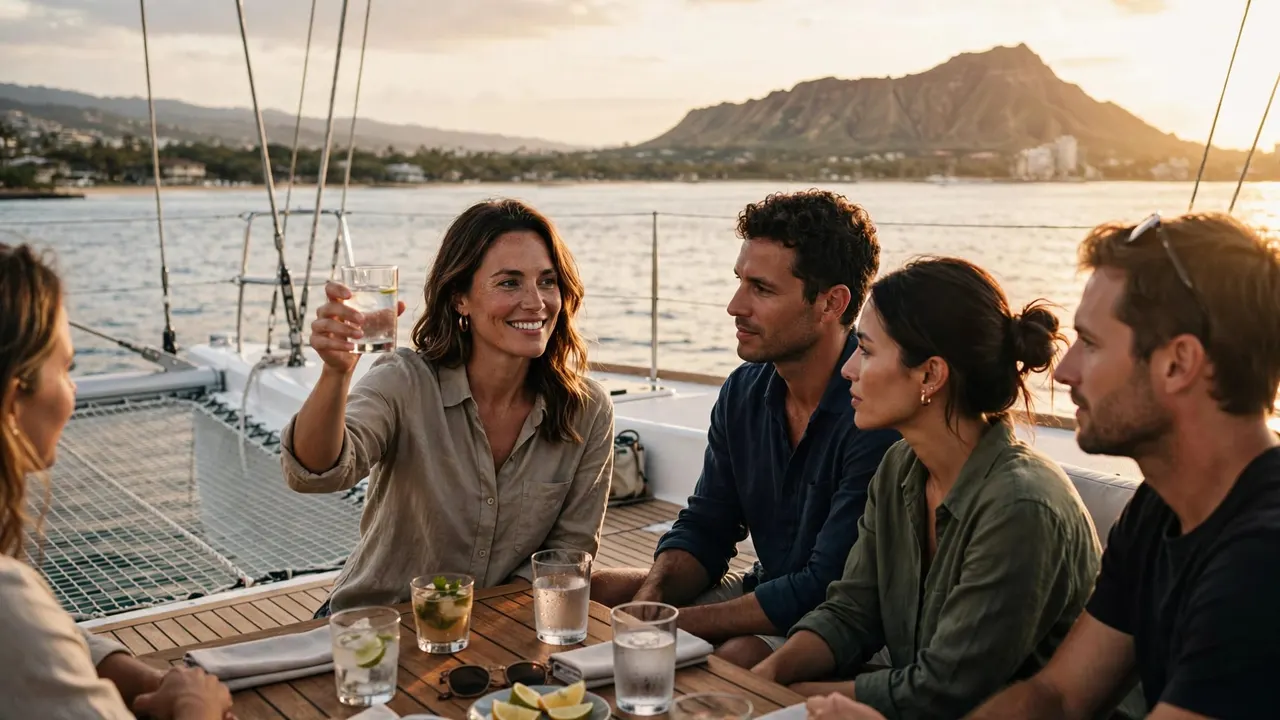
Set your booze cruise Waikiki drink limit before boarding, and make zero alcohol an equally welcome choice. Each adult needs an individual ceiling, permission to stop earlier, and a ride home that doesn’t depend on feeling sober.
At Living Ocean Tours, we want you to enjoy the coastline without pressure to match someone else’s pace. Start with an agreement your whole group can remember when the boat leaves the harbor.
Key Takeaways
- Set personal limits before anyone opens or orders a drink, and count earlier drinks too.
- Measure alcohol by serving size and strength, rather than the number of cans or cups.
- Keep swimming, snorkeling, and other water activities alcohol-free.
- Stop sooner if you feel unwell, follow crew instructions, and arrange your return transportation before departure.
Your group agreement is a planning tool. It doesn’t establish a medically safe amount or override the captain’s decisions.
Agree on Your booze cruise Waikiki Limit Before Boarding
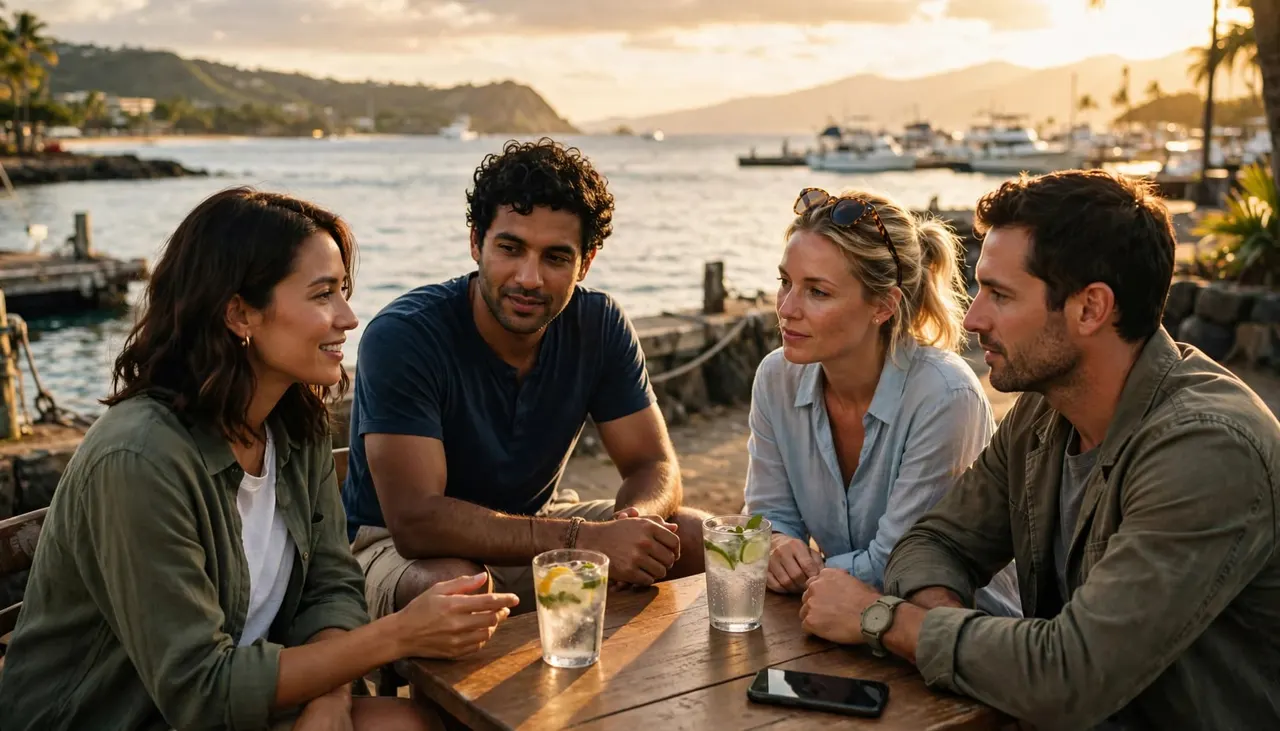
Choose individual ceilings, not a group average
Ask each adult to decide whether they’ll drink at all. Anyone who chooses alcohol should set their own maximum in standard drinks before arriving at the harbor.
There’s no passenger drink count that guarantees steady footing or sound judgment. Body size, medications, food, and drinking speed affect how alcohol feels. Someone else’s tolerance isn’t a useful target for you.
Keep personal ceilings private if that makes the conversation easier. Your group only needs a shared commitment to respect them.
Define when the count starts
Your booze cruise Waikiki plan should include drinks consumed before boarding. A hotel cocktail or lunch beer doesn’t disappear when the evening outing begins.
Write the agreement in your group chat: count all drinks, skip automatic rounds, and accept “I’m done” without debate. A birthday, honeymoon, or vacation toast doesn’t create an exception.
Choose the wording while everyone is clear-headed. Afterward, nobody should have to negotiate their limit in front of an audience.
A personal ceiling is a maximum you may stop below. It never creates an obligation to finish that amount.
Count Alcohol, Not Cups
Use standard drinks as your common measure
In the United States, a standard drink contains about 14 grams of pure alcohol. Container size alone won’t tell you how many standard drinks you’re holding.
These common servings each contain approximately one standard drink.
| Beverage | Serving size | Alcohol by volume |
|---|---|---|
| Regular beer | 12 fluid ounces | 5% |
| Wine | 5 fluid ounces | 12% |
| Distilled spirits | 1.5 fluid ounces | 40% |
Larger servings and stronger products can contain considerably more alcohol. Read the volume and ABV together, particularly with tall cans and canned cocktails.
For example, a 16-ounce beer at 8% ABV contains roughly 2.1 standard drinks. Calling it “one beer” understates the amount.
Keep spending limits separate
A shared bar budget controls spending, but it doesn’t control individual consumption. One person can drink most of a group’s allowance while everyone else has very little.
Instead, track your own servings and avoid topping up a partially finished drink. Refills make it harder to remember what you’ve consumed.
Also, don’t use binge-drinking thresholds as targets. NIAAA’s explanation of binge drinking describes a harmful drinking pattern, not a cruise allowance.
Make Food, Water, and Pauses Part of Your Plan
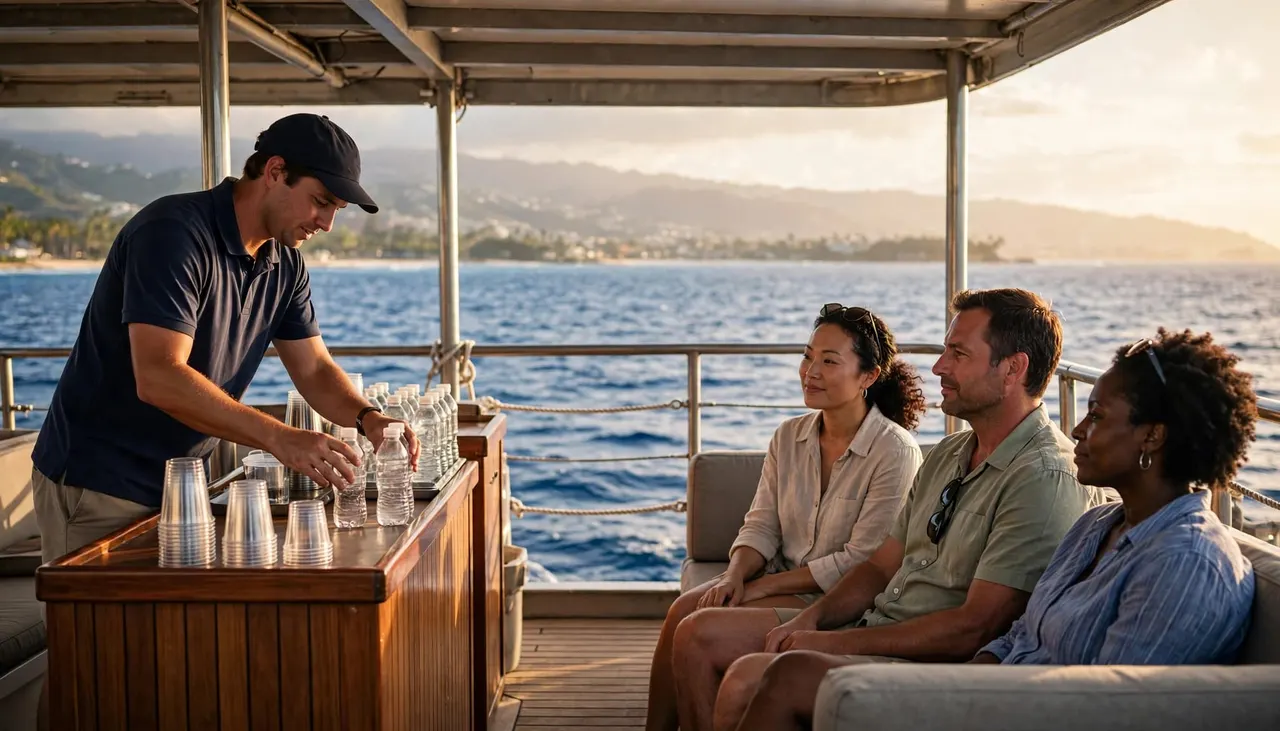
Eat before leaving for the harbor
Make time for a meal before boarding, especially after a busy beach afternoon. Don’t let getting ready for sunset replace dinner.
Food can slow alcohol absorption, but it doesn’t prevent impairment. Likewise, drinking water supports hydration without making alcohol leave your body faster.
If you’re already nauseated, overheated, or feeling drained, choose a nonalcoholic drink. You don’t need to test whether a cocktail will improve the situation.
Build pauses into the evening
For your booze cruise Waikiki outing, avoid drinking games, timed rounds, and orders placed for everyone at once. Those habits replace personal decisions with the group’s pace.
Start with water, settle into the boat’s movement, and listen to the safety briefing. Then leave space between any alcoholic servings.
Coffee, sea air, and a cold shower won’t sober you up. NIAAA’s alcohol metabolism information explains how your body processes alcohol. Your transportation plan should never rely on a quick fix after docking.
If a medication label warns against alcohol, follow that warning. Seasickness treatments can cause drowsiness, and alcohol can make that worse.
Keep Water Activities and Safety Duties Alcohol-Free
Separate drinking from swimming
Keep alcohol out of snorkeling, swimming, waterslides, and ocean-entry plans. You need clear judgment to hear instructions, use a swim ladder, and respond to changing conditions.
If you’ve started drinking, stay out of the water. Scheduling snorkeling on another day gives that activity your full attention without trying to fit it between drinks.
For family groups, designate an alcohol-free adult to supervise children. That responsibility includes boarding, moving around the vessel, and getting everyone safely back to your accommodation.
Respect the crew’s authority
Your personal limit never entitles you to another drink. The captain and crew control onboard safety and can direct you to sit down or stop drinking.
Boat operators have separate legal responsibilities. The U.S. Coast Guard’s boating-under-the-influence guidance explains that operating a vessel under the influence is illegal.
For passengers, the practical priority is remaining alert and responsive. Keep aisles clear, use handrails, and pay attention whenever the crew gives directions.
Even if your budget has room for another order, safety instructions end the discussion.
Write Down Your Stop Rule and Ride Home
Stop before the situation gets worse
Agree that nausea, dizziness, unusual sleepiness, or unsteady movement means no more alcohol and a prompt conversation with the crew. Don’t assume symptoms are only seasickness.
Stay with anyone who feels unwell. Confusion, difficulty waking, seizures, or slow or irregular breathing require urgent help. Alert the crew immediately and call 911 for a medical emergency.
Don’t leave someone alone to “sleep it off.” The rest of your group’s plans can wait while that person gets help.
Arrange transportation while you’re clear-headed
Before leaving your hotel, choose a taxi, rideshare, or another ride that doesn’t require someone who drinks to drive. Keep a backup transportation option in the group chat.
Assign one person to coordinate the pickup. That person should have a charged phone, the accommodation address, and access to payment.
Your booze cruise Waikiki agreement should also cover the rest of the evening. Reaching shore doesn’t reset your count or make driving safe.
Maine’s boating safety guidance reinforces the value of keeping alcohol away from boat operation. Apply the same sober-planning approach to your trip home.
Choose a Cruise That Fits Your Group
Our Waikiki Sunset Cruise departs from Kewalo Basin Boat Harbor near Waikiki. You can choose designated BYOB or cash-bar formats without making drinking the focus of everyone’s evening.
For a booze cruise Waikiki group with different preferences, agree on the format before making beverage plans. Adults who plan to drink must be 21 or older and should bring an original, unexpired government-issued photo ID.
You can enjoy the coastline together while making different drink choices. Nobody needs to order alcohol to participate.
Choose your sunset departure:
For a separate alcohol-free adventure, explore our Honolulu ocean tours. We’re the only tour company with professional snorkel guides, so you can plan guided time in the water separately from your evening drinks.
Browse our ocean experiences:
Frequently Asked Questions
How many drinks are safe on a boat?
No universal number guarantees safety. Zero alcohol is the lowest-risk choice. If you choose to drink, set an individual ceiling beforehand, count standard drinks, and stop earlier whenever your comfort or alertness changes.
Can someone use another person’s unused allowance?
Keep allowances individual. A friend choosing water doesn’t give you extra drinks. Transferring unused amounts defeats the purpose of setting personal limits and can turn a relaxed outing into pressure to finish a shared supply.
Should everyone finish a final drink before docking?
You don’t need to finish a drink because the cruise is ending. Leave it unfinished and follow disposal instructions. Rushing the last serving adds alcohol just before you need to disembark and organize transportation.
Does drinking water make you fit to drive?
Water doesn’t reverse alcohol impairment. Neither does eating after drinking. Use the transportation you arranged before boarding, even if you feel alert or believe you’ve stayed within your personal ceiling.
Keep Your Limit Simple and Your Evening Comfortable
A clear drink agreement protects your freedom to enjoy the coast at your own pace. Count accurately, respect each person’s stopping point, and keep a sober ride home part of the plan.
Once your group agrees, you can CHECK AVAILABILITY for your sunset outing.
The limit should support your evening, while the ocean and the people beside you remain the reason you’re there.


