
Booze Cruise Waikiki: How Alcohol Affects Balance

Alcohol can make it harder to stay steady on a moving boat because it affects the brain functions you use for balance, coordination, and judgment. Even a gentle swell asks your body to make constant adjustments.
At Living Ocean Tours, we want your time on the water to feel relaxed and comfortable. If your booze cruise Waikiki plans include a drink, understanding how the deck moves can help you make safer choices.
Start with what your body does to keep you upright.
Why a Moving Deck Challenges Your Balance
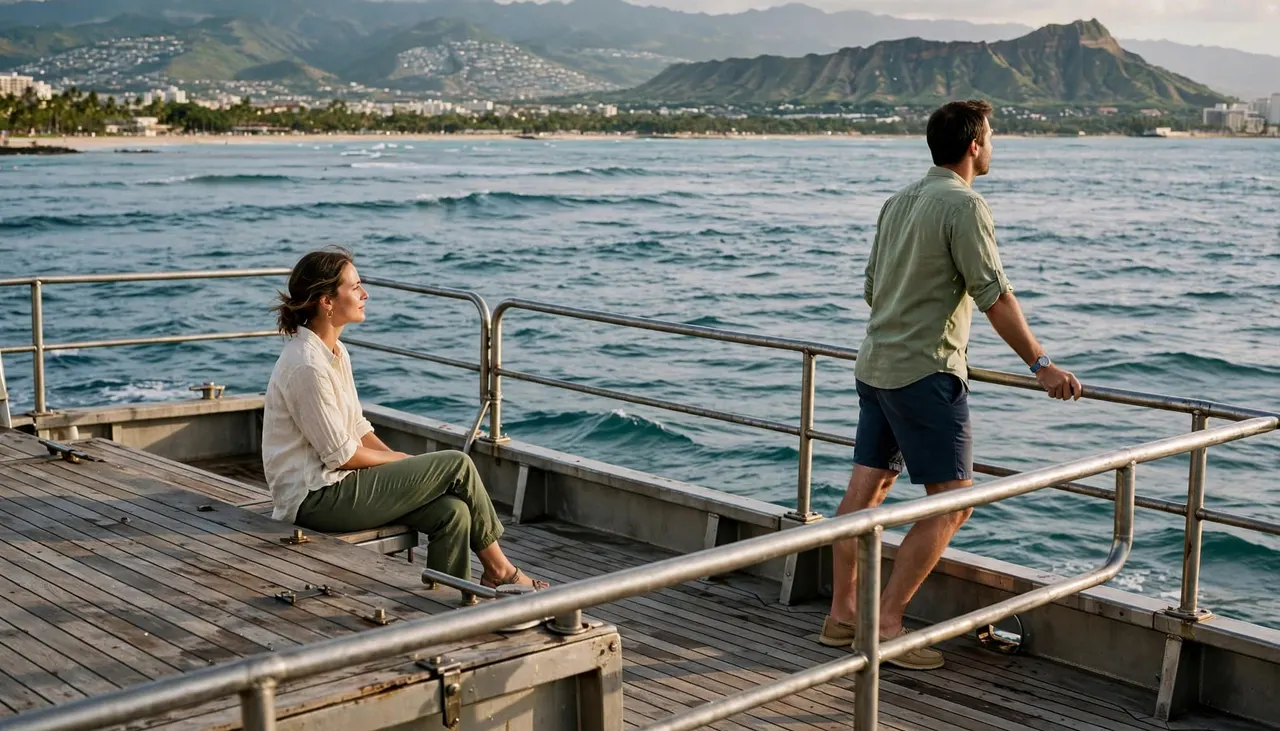
On shore, you can usually trust the ground beneath your feet to stay in one place. On a boat, that surface moves with the water, even when the weather looks calm.
Your Brain Combines Several Signals
Your sense of balance depends on information from your eyes, your inner ears, and sensors in your muscles and joints. Your brain combines those signals to judge where your body is and how it needs to move.
The Vestibular Disorders Association’s balance guide explains how these systems work together. Your inner ears detect head movement, while your eyes and body provide information about your surroundings and position.
The Boat Keeps Changing Your Footing
As a vessel rolls, rises, or turns, your ankles, knees, and hips adjust to keep you upright. You may barely notice those corrections while you’re seated, but they become more obvious when you stand or walk.
A turn toward the railing, a step onto a stair, or a reach for a bag can shift your weight at the same moment the deck moves. On a booze cruise Waikiki visitors choose for sunset views, staying aware of that movement matters even when the ride feels comfortable.
How Alcohol Affects Your Balance on a Boat
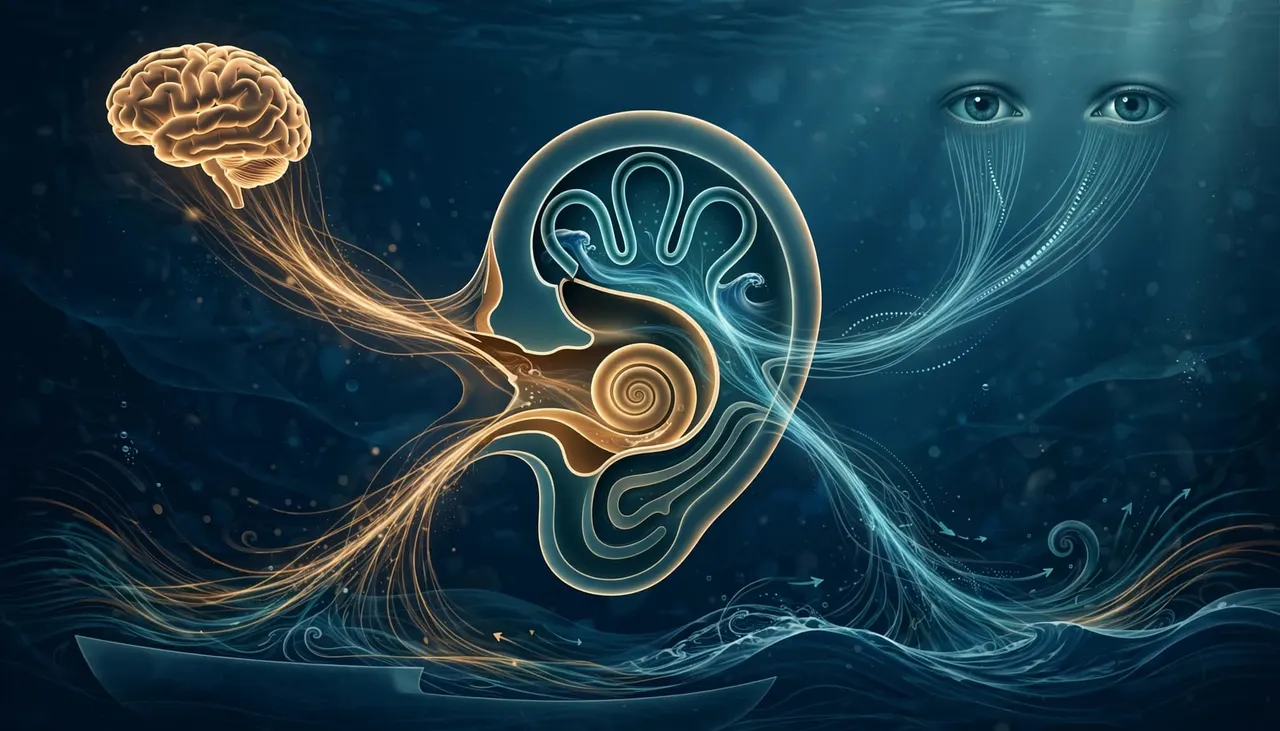
Alcohol can interfere with the signals and decisions you rely on to move safely. The National Institute on Alcohol Abuse and Alcoholism says alcohol affects brain functions involved in balance, coordination, speech, and judgment.
Slower Corrections Can Make You Unsteady
When the deck shifts, you need to notice the change and respond. Alcohol can make those movements less coordinated, so catching yourself or reaching a handrail may be harder.
You might also misjudge a step or feel more confident than your coordination warrants. That’s especially important near stairs, boarding gates, and the edge of the boat, where there’s less room to recover from a stumble.
Impairment Doesn’t Look the Same for Everyone
There’s no universal number of drinks that guarantees you’ll remain steady. The amount of alcohol, your body, food intake, medications, and other factors can affect how you feel.
A familiar drink on shore may feel different when you’re also adjusting to a moving deck. Choosing a nonalcoholic drink removes alcohol impairment from the equation and lets you enjoy the same coastline with your group.
Motion Sickness and Alcohol Are Different Concerns
Motion sickness can happen when the information your senses send your brain doesn’t agree. For example, your eyes may focus on a fixed surface inside the boat while your inner ears detect movement.
You might feel queasy, dizzy, sweaty, or unusually tired. Those symptoms can occur without alcohol, and drinking can make it harder to recognize or manage an unsteady feeling. Alcohol impairment and motion sickness can also happen at the same time.
Choose a Comfortable Place to Sit
If you’re prone to motion sickness, tell the crew early. A seat near the middle of the boat can experience less movement than one near the ends, though conditions and vessel design make every ride different.
Looking toward the horizon and getting fresh air may help some people. Keep your gaze away from a phone or book if looking down makes you feel worse.
Be Careful With Motion Sickness Medicine
Some medications for motion sickness can cause drowsiness. Alcohol can add to that effect, so ask a pharmacist or healthcare professional about your medication before combining the two.
If you already feel nauseated or dizzy, skip alcohol and let a crew member know. You don’t need to wait until you feel seriously ill to ask for help.
Move Around the Deck With Care
A booze cruise Waikiki outing gives you plenty to look at, but a good view is easier to enjoy when you’re settled and comfortable. Listen to the safety briefing before you start taking photos or moving around the boat.
Take Your Time When You Stand
Rise slowly and pause before walking. If you feel unsteady, sit back down and tell someone in your group or a crew member.
Use a fixed handrail when you move, especially on stairs or when changing decks. Keep your path clear of bags and loose belongings, and follow the crew’s directions about where you can safely sit or stand.
For a photo, find a stable position first. Avoid leaning over a railing or backing up while looking only at your screen. The shoreline will still be there when you’re ready to take the picture.
Give Children and Other Guests Room
Families may have different comfort levels on the same trip. Keep children close, help them follow crew instructions, and avoid carrying loose items that leave your hands occupied on stairs.
If you’re responsible for a child or a less-confident guest, clear judgment matters throughout the outing. You may need to respond quickly if they need help moving or begin to feel sick.
Plan Your Drinks Before You Board
Your booze cruise Waikiki plans don’t need to center on alcohol. A sunset, ocean air, and time together are just as enjoyable with water or another nonalcoholic drink.
If you choose to drink, decide on a limit before boarding and include any drinks you had earlier. That limit is a personal planning tool, not a guarantee of safety. Stop drinking if you feel dizzy, nauseated, unusually tired, or unsteady.
Eat before the trip and keep water available. Water and food don’t reverse alcohol impairment, and coffee won’t make you sober. Allow time for the effects to wear off, and arrange a ride that doesn’t depend on an impaired person driving.
Adults must be 21 or older to drink alcohol in Hawaii. Bring an original, unexpired government-issued photo ID if you plan to drink.
The U.S. Coast Guard’s boating guidance also addresses alcohol-related risks on the water. While the captain operates your tour, passengers still need to make safe decisions as they move around the vessel.
Keep Swimming and Snorkeling Alcohol-Free
Clear coordination matters in the water as much as it does on deck. You need to understand instructions, use a swim ladder, and respond to changing conditions.
Save alcohol until after you’ve finished swimming, snorkeling, or other water activities for the day. If you’ve already been drinking, stay out of the water. Tell the crew if you need help finding a comfortable place to sit.
For a separate reef outing, you can browse our Honolulu ocean tours. We’re the only tour company with professional snorkel guides, so first-time snorkelers and experienced swimmers alike can receive support in the water.
You can also help protect the marine environment by observing wildlife without touching or chasing it. Give sea turtles room to swim, and follow your guide’s directions around the reef.
Know When to Ask the Crew for Help
Tell a crew member promptly if you or someone in your group feels sick, dizzy, or unable to walk steadily. The crew can help you find a seat and respond to the situation. Don’t leave an unsteady person alone near a railing or stairway.
A fall or a blow to the head deserves attention, even if the person says they feel fine. Let the crew know immediately and follow their instructions.
Recognize an Emergency
Confusion, repeated vomiting, seizures, slow or irregular breathing, and difficulty waking someone can be signs of alcohol poisoning or another medical emergency. Alert the crew immediately and call 911 when possible.
Don’t assume someone who is unconscious will recover by sleeping. Don’t give them more alcohol, food, or coffee, and don’t try to make them vomit. Follow emergency dispatch and crew instructions.
Choose a Waikiki Cruise That Fits Your Group
Our Waikiki Sunset Cruise departs from Kewalo Basin Boat Harbor near Waikiki. You can enjoy the coastal views without drinking, which makes the outing a fit for groups with different preferences.
We offer separate BYOB and cash-bar sunset options. On the designated BYOB outing, adults who choose to bring drinks can bring cans; glass bottles aren’t permitted. Our Turtle Canyons Snorkel Excursion doesn’t permit alcohol.
If you’re planning a booze cruise Waikiki evening, choose the format that suits your group and make your return transportation part of the plan. You can CHECK AVAILABILITY for a sunset departure.
Frequently Asked Questions
Can One Drink Affect Your Balance on a Boat?
Alcohol can affect coordination and judgment, but its effects vary by person and situation. No drink count guarantees steady footing. Choosing not to drink is the surest way to avoid alcohol impairment during your cruise.
Does Drinking Water Prevent Alcohol Impairment?
No. Water can help you stay hydrated, but it doesn’t remove alcohol from your system or restore coordination. If you feel unsteady, stop drinking, sit down, and tell the crew.
Should You Drink Before Snorkeling?
Keep snorkeling and swimming alcohol-free. You’ll need clear judgment for the safety briefing, water entry, and the return to the boat. Save any alcoholic drinks until your water activities are finished.
Can You Enjoy a Sunset Cruise Without Alcohol?
Yes. You can spend the trip watching the Waikiki coastline and relaxing with your group. A nonalcoholic choice also leaves you free of alcohol’s effects on balance and judgment.
Enjoy the View With Steady Footing
A moving deck asks your body to make constant adjustments. Alcohol can make those adjustments harder, even when your cruise feels calm and relaxed.
Give yourself time to move, use the railings, and tell the crew when you need help. With a little attention to balance and comfort, you can keep your focus on the ocean and the people beside you.


