
Boat Tour: Why the Horizon Looks Different Upstairs
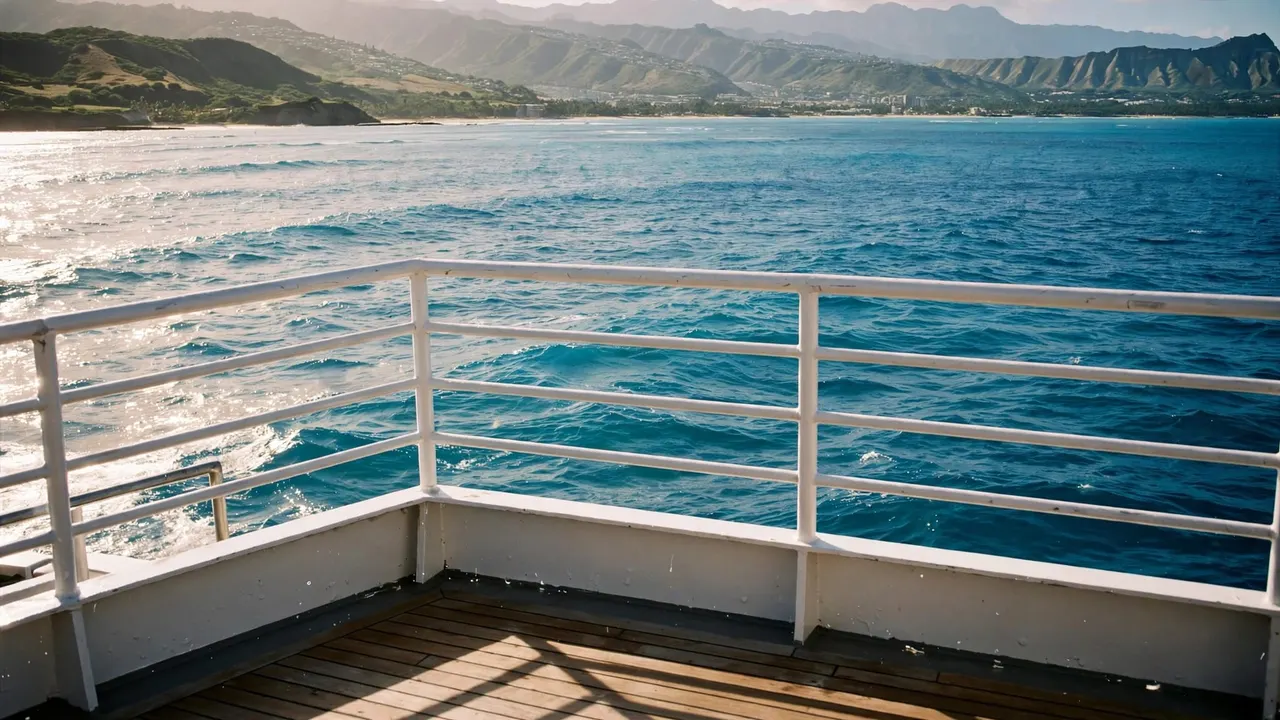
On a boat tour, the horizon looks farther away from an upper deck because your eyes sit higher above the sea. You also see past more nearby obstructions, so open water fills more of your view.
With Living Ocean Tours, you can experience that higher viewpoint aboard double-decker vessels close to Waikiki. Understanding what changes upstairs helps you choose a comfortable spot and appreciate the coastline as you cruise.
Key Takeaways
- A higher eye position extends your geometric horizon, although haze can limit what you actually see.
- Fewer nearby obstructions make the ocean feel more open, even when the extra viewing distance is modest.
- Upper-deck views come with different wind exposure and motion, so comfort matters alongside height.
- On your boat tour, changing your viewing direction can reveal as much as changing decks.
Why Height Changes Your Boat Tour Horizon
Your eye height sets the distance
Because Earth curves away beneath you, the ocean surface eventually disappears beyond your line of sight. That boundary is your geometric horizon.
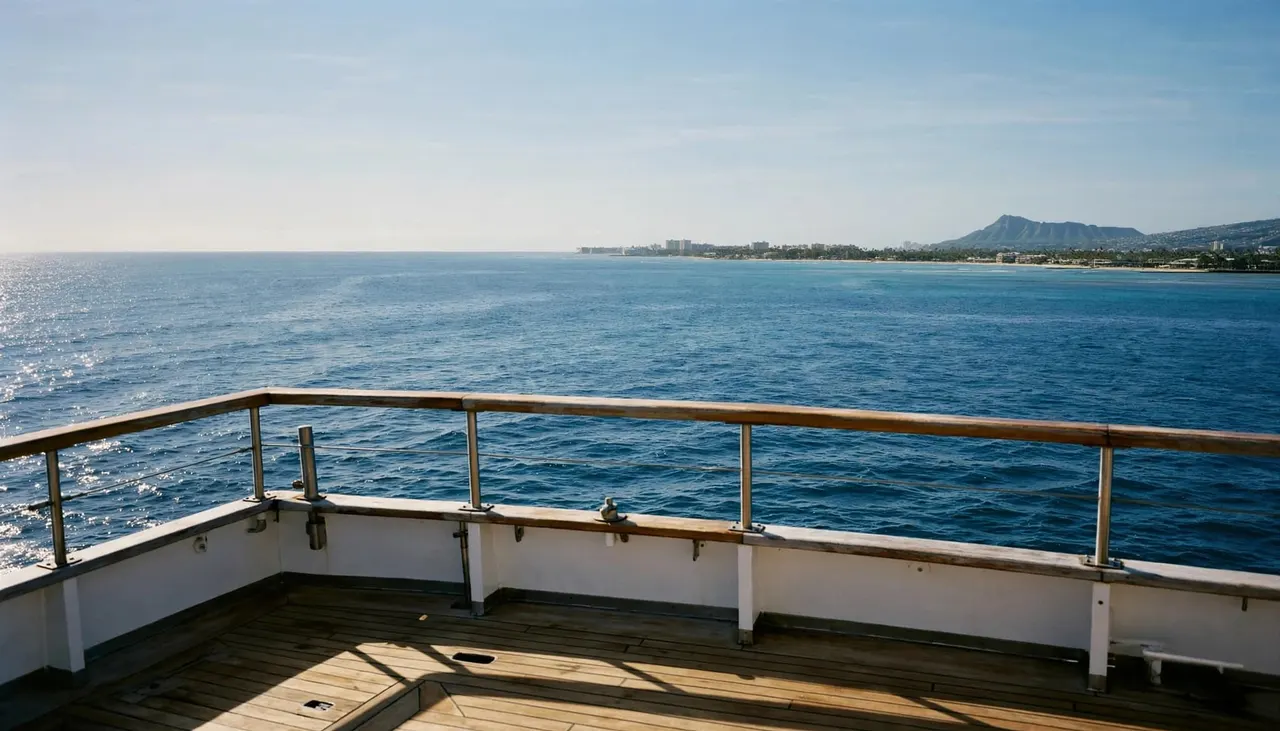
When you climb upstairs, your eyes rise above the water. Your sightline reaches farther before Earth’s surface curves out of view. You haven’t changed the ocean, but you’ve changed how much of it you can see.
The geometric horizon-distance estimate expresses this relationship: distance in kilometers is approximately 3.57 times the square root of eye height in meters. The height starts at sea level, not at the deck beneath your feet.
More height adds distance, with limits
At an eye height of 2 meters, that estimate places the horizon about 5 kilometers away. At 6 meters, it reaches approximately 8.7 kilometers.
Those figures describe geometry, not measurements of our vessels. They also leave out atmospheric refraction, which bends light.
Notice that tripling your eye height doesn’t triple your viewing distance. The relationship follows a square root, so each additional meter gives you a smaller increase.
Also, you can see a tall landmark beyond your sea-surface horizon because its upper portion rises above the curve. A distant ridge and the water below it don’t share the same visibility limit.
Why the View Feels Wider, Not Just Farther
Nearby obstructions fall out of the way
Much of the upstairs difference happens close to you. Depending on the vessel’s layout, you may see over seating, deck structures, or people who would interrupt a lower sightline.
As a result, your field of view contains fewer breaks. Water and sky appear connected across a broader stretch, which can make the ocean feel enormous.
You don’t need dramatically greater viewing distance to notice this effect. Even a small change in position can remove a nearby obstruction and reveal a cleaner horizon.
The coastline gains a different frame
Off Waikiki, you can look toward Diamond Head, the shoreline, or open Pacific water. Each direction gives your boat tour a different visual character.
An elevated position adds visible water between you and the coast. That foreground helps separate the shoreline from the horizon and gives photographs more depth.
However, the boat’s heading also changes your view. A seat facing open water during one part of the trip may face the coast after a turn. Choose a comfortable viewing area rather than expecting one seat to hold every angle throughout the cruise.
Why Haze and Sunlight Change the Horizon
Clear geometry doesn’t guarantee clear visibility
Height increases your potential viewing distance, but the atmosphere determines how much detail reaches your eyes. Sea spray, airborne particles, and moisture can soften distant scenery.
On a hazy day, the boundary between water and sky may look pale or indistinct. Climbing upstairs won’t remove that haze.
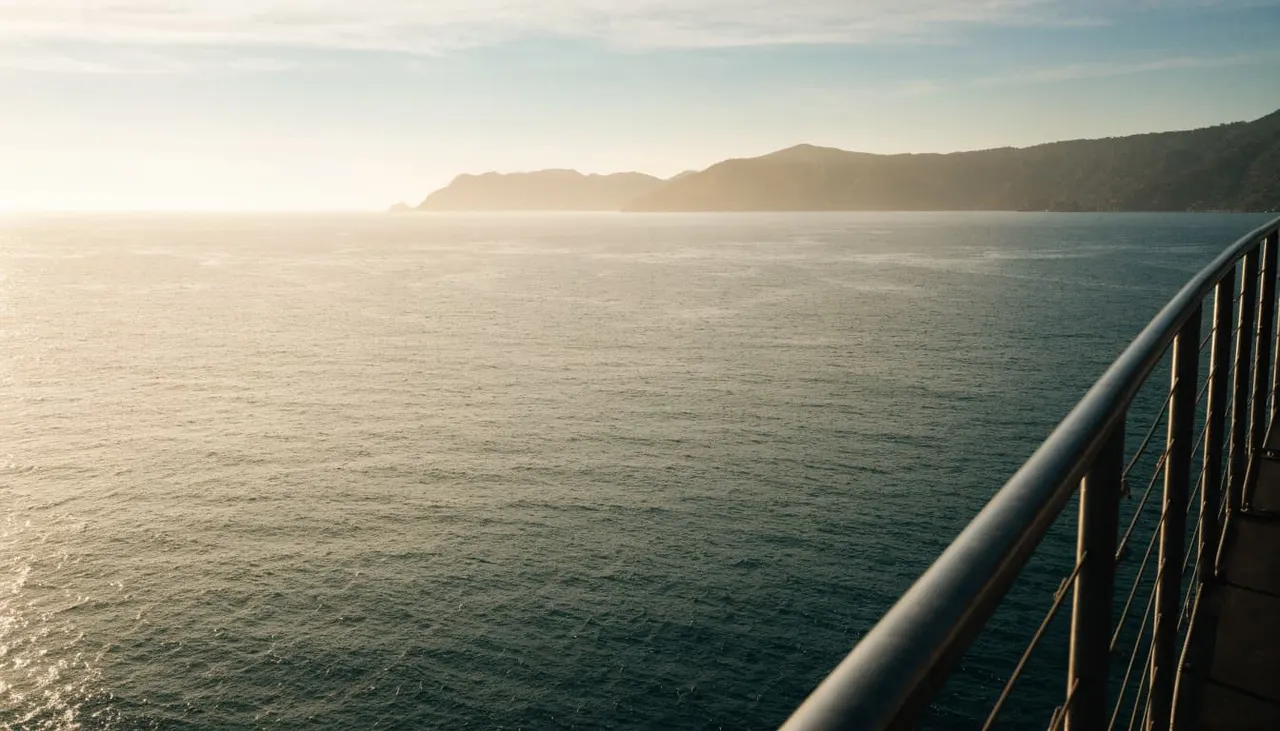
Low-angle sunlight adds another complication. Bright reflections can hide texture on the ocean, while backlighting turns distant land into a silhouette. Polarized sunglasses can reduce reflected glare, although their effect changes with your viewing angle.
Refraction shifts what you see
Light bends as it travels through layers of air with different densities. Near the horizon, that bending can affect where distant objects appear.
NOAA’s solar calculator glossary explains how atmospheric refraction lets you see the Sun before it geometrically crosses the horizon at sunrise. The same principle matters when you watch it descend in the evening.
That’s why a sunset isn’t simply a sharp object slipping behind a fixed line. Your elevation, the atmosphere, and any intervening clouds or land all influence the final view.
Choose Your Deck for Comfort as Well as Scenery
The upper deck offers perspective, but your best boat tour seat is one where you can relax. Wind exposure, motion, and access between levels all affect that choice.
On a rolling vessel, positions farther above its roll axis move through a larger arc. You may therefore notice more side-to-side movement upstairs. A lower position near the boat’s center can feel more comfortable, although conditions and vessel design still matter.
A wider view doesn’t require staying upstairs for the entire trip. Your comfort can change as the boat turns or the wind shifts.
If you’re prone to motion sickness, keep your gaze on a distant, stable reference rather than looking down at your phone. Let the crew know early if you start feeling unwell.
For families, keep children beside a responsible adult and keep stairs clear. Wear secure footwear, use handrails, and follow crew instructions about moving between decks. Never climb on seating or rails to gain extra height.
Finally, bring sunglasses and a light layer. An exposed viewing area can feel breezy even after a warm Waikiki afternoon. Keeping a small bag organized also leaves your hands free when you move around the boat.
Take Better Horizon Photos Without Chasing a Seat
You can improve your photographs before changing decks. First, straighten the horizon in your camera frame. A tilted sea line becomes especially noticeable when open water fills the picture.
Next, decide what deserves attention. For cloud color, give the sky more room. For water texture and reflected light, include more ocean. Placing the horizon away from the exact middle often gives either subject a clearer emphasis.
During your boat tour, photograph Diamond Head and the shoreline separately from the setting Sun when they don’t fit naturally together. A wider lens can’t make subjects in different directions share the same composition.
Keep your phone inside the railing and use a wrist strap. Because the boat moves, take a few frames rather than relying on one slow exposure.
Then put the camera away for part of the trip. Your eyes can follow changing light across a much wider scene than one photograph captures.
See Waikiki From Our Double-Decker Boats
Our Honolulu ocean tours and boat cruises bring you onto the water from Kewalo Basin Boat Harbor, close to Waikiki. The double-decker layout gives you different perspectives during the same outing.
For an evening focused on coastal scenery, choose our Waikiki Sunset Cruise. You can enjoy the changing light without planning your outing around a swim.
If your ocean plans also include snorkeling, we’re the only tour company with professional snorkel guides. That support helps you enjoy the reef with guidance while respecting marine life through observation rather than touching.
For a broader choice of ocean experiences, explore your dates below.
When evening views are your priority, you can CHECK AVAILABILITY for a sunset departure. Our sunset cruise page also introduces the experience.
Frequently Asked Questions
Does the horizon move higher when you go upstairs?
Relative to a perfectly horizontal line at eye level, the geometric horizon sits slightly farther below you as your height increases. It can still feel broader because you see more water and fewer nearby obstructions.
Will you see a curved horizon from the upper deck?
You shouldn’t expect an obvious curved line at ordinary tour-boat heights. The horizon generally looks level to your eyes. A wide-angle camera lens can introduce a curve that comes from lens distortion rather than the view itself.
Can you watch sunset comfortably from a lower deck?
Yes, provided you have an unobstructed sightline toward it. Height extends the horizon, but a clear lower-deck view can still give you the Sun, changing cloud colors, and reflections across the water.
Enjoy the Perspective That Fits You
A higher deck extends your horizon, but the most noticeable difference often comes from clearer sightlines and more visible water. Haze, sunlight, and the boat’s heading shape the rest.
Choose a comfortable place, follow the crew’s guidance, and enjoy more than one direction during your boat tour. The view upstairs is worth experiencing, but you don’t have to stay there to appreciate Waikiki from the ocean.


