
Boat Tour Wind: Keep Hats and Loose Items Secure
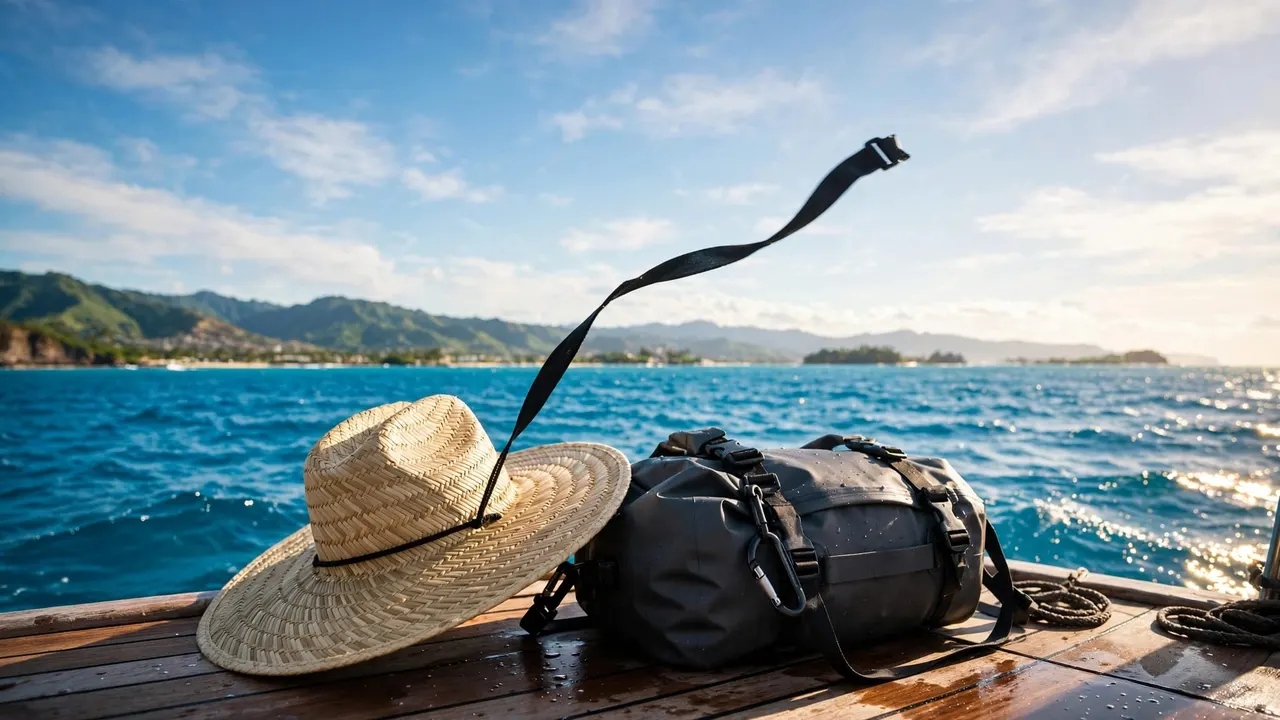
Boat tour wind can snatch a hat before you get your first clear view of the Waikiki coastline. It can also send a towel across the deck or put your phone at risk when you reach for a photo. If you’re heading out with Living Ocean Tours, a few small packing choices will help you spend less time chasing belongings and more time enjoying the water.
The simplest plan is to wear what stays on, zip away what doesn’t, and settle your gear before the boat moves. Start with the item most likely to fly: your hat.
Why boat tour wind feels stronger offshore
The breeze you feel at the dock may change once the boat reaches open water. There are fewer buildings to block it, and the boat’s movement adds to the airflow you feel on deck. A hat that stayed put during your walk to the harbor may need a strap offshore.
Wind can also shift during an outing. The National Weather Service uses the Beaufort Wind Scale to describe wind strength and its visible effects. You don’t need to memorize the scale to prepare. Check the forecast, then follow your captain’s instructions as conditions change.
Living Ocean Tours departs from Kewalo Basin Boat Harbor in Honolulu, near Waikiki. Its trips include time on the water for sightseeing and snorkeling. The company says it’s the only tour company with professional snorkel guides, so if you’re new to snorkeling, you can ask a guide about your gear before entering the water. On deck, you’ll still need to manage your own hat and personal items.
Choose a hat that stays put
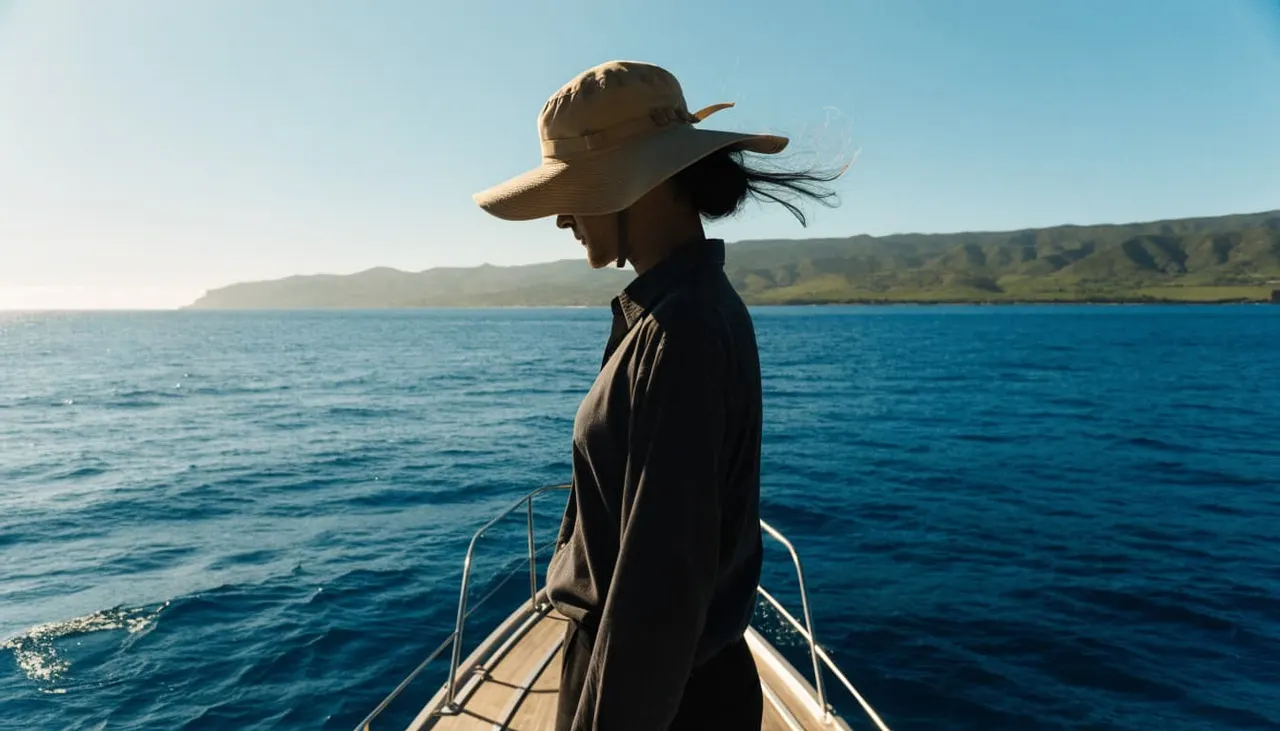
Sun coverage matters on the water, but an oversized brim is hard to enjoy if you’re holding it down all afternoon. Good boat tour wind protection starts with a hat you can wear comfortably without keeping one hand on your head.
Test the fit before departure
Try your hat on while you pack. If it slips when you turn your head or look down, don’t count on it staying put aboard. A close-fitting cap or a sun hat with an adjustable fit is easier to manage than a floppy style that catches every gust.
Check the brim, too. A wide brim may give you welcome shade at the dock but fold into your face in stronger wind. If you’re torn between two hats, bring the one you can forget you’re wearing.
Add a comfortable retainer
A chin strap or hat retainer gives you a backup when a gust lifts the brim. Adjust it so the hat stays in place without pulling against your chin. Then check that any loose cord won’t snag on your sunglasses or clothing.
Before snorkeling, put the hat in your bag rather than leaving it on a seat. If you prefer to go without one during the ride, use sunscreen and a sun-protective shirt for coverage.
Give small valuables a place that closes
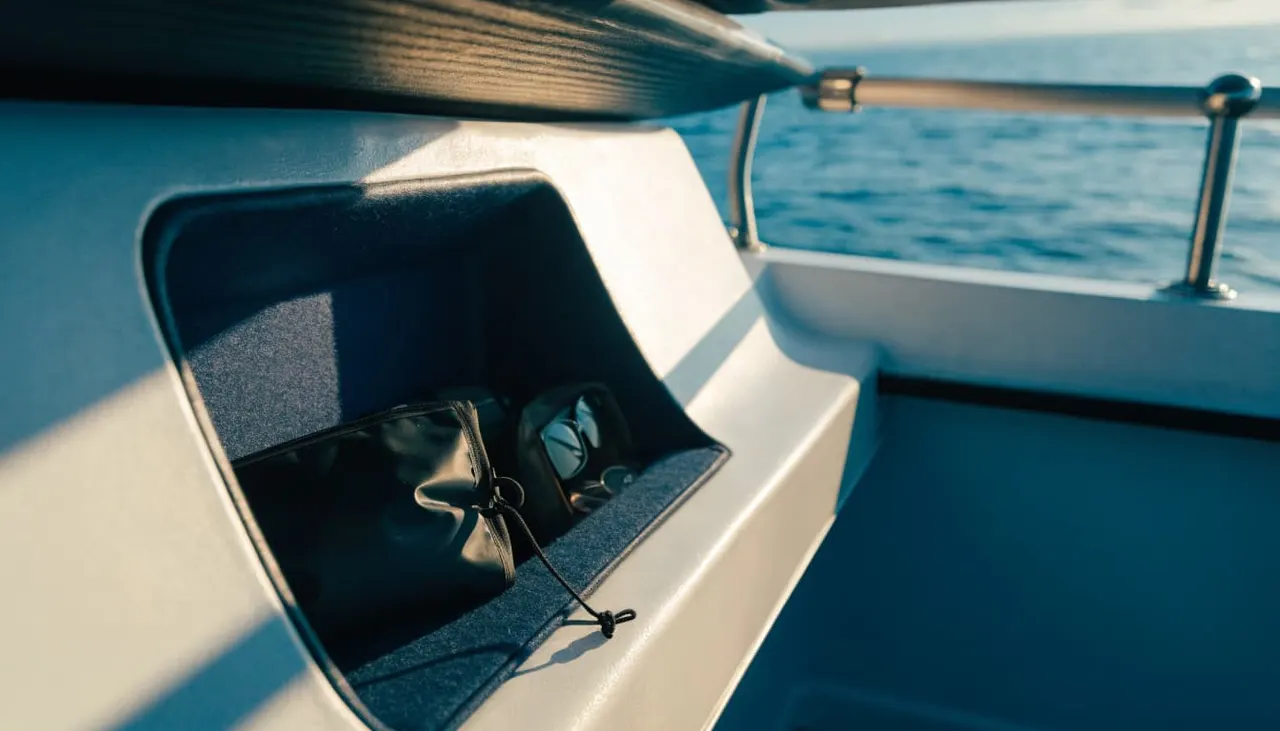
A phone, room key, sunglasses, and cards are easy to set down separately. They’re harder to track when you change seats or get ready to swim. Bring one compact bag with a zipper, and close it each time you take something out.
Protect your phone without carrying it everywhere
A waterproof pouch or small dry bag can help protect your phone from spray. Check its closure before boarding, and follow its instructions if you plan to use it near the water. A pouch won’t help if you leave it open on the bench.
Use a secure strap or pocket when taking photos. Put the phone away before climbing stairs or moving along the deck; you’ll want a free hand for the railing. If you’re responsible for a child’s belongings, keep those small items in the same bag instead of spreading them between seats.
Retain sunglasses and contain the little things
A sunglasses retainer is useful when you glance down at the water or turn into the breeze. Store the glasses in a case when you don’t need them. Hair ties, receipts, wrappers, and snack packaging belong inside a zipped pocket, not beneath a towel where they can escape.
Boat tour wind can lift a lightweight item from a seat in seconds. Closing your bag is easier than trying to spot that item against the ocean.
Settle your gear before the boat leaves

Boarding is the best time to decide where your belongings will go. Once the boat moves, you may need to stay seated or keep a hand on a railing. Ask the crew where to place your bag rather than assuming an open seat or a spot beside a stairway is available.
Keep your seat and walkways clear
Zip towels and spare clothing into your bag until you need them. Set a reusable water bottle where it cannot roll, as directed by the crew. Don’t spread your group’s belongings across neighboring seats, even if those seats are empty at departure.
Wear secure footwear for the dock and follow the crew’s footwear guidance aboard. Shoes or sandals with grip make more sense around damp surfaces than loose flip-flops. For children, assign one adult to manage the bag while the other helps them board.
Leave safety equipment accessible
Personal storage should never block a passage, exit, or access to safety gear. The U.S. Coast Guard’s life-jacket guidance says life jackets shouldn’t be buried under other gear or kept where passengers can’t readily reach them.
Listen during the pre-departure briefing and ask where your life jacket is if you’re unsure. A tidy deck helps everyone move when the crew gives instructions.
Pack for the kind of outing you’ve booked
You don’t need the same bag for a swim as you do for an evening ride. Keep your essentials compact, then add only what the outing calls for. Living Ocean Tours lists a hat, sunglasses, sunscreen, and a reusable water bottle among its suggested items; its Honolulu tour preparation details also call for a towel on snorkeling trips.
For snorkeling, plan for the ride back
Wear your swimsuit under a rash guard or cover-up if you intend to get in the water. Pack a towel and a dry layer in a bag that closes. Once you’ve swum, a breeze can feel cooler against wet skin.
Living Ocean Tours says it provides snorkeling equipment, so you can focus your personal packing on comfort. Ask a guide to check your mask or fins if the fit feels wrong. Before entering the water, confirm that your hat, glasses, and phone are tucked away. Observe marine life without touching it, and keep wrappers and other loose items out of the ocean.
For an evening cruise, favor secure layers
Bring a light windbreaker or wrap that fits inside your bag until you need it. Sunglasses can help with glare before the sun goes down; a retainer keeps them close when you turn toward the view.
For an evening departure, an oversized hat or loose scarf may demand more attention than it’s worth. Choose clothing you can move in comfortably, then keep your phone and room key in the same zipped place throughout the trip.
If an item blows away, let the crew help
A flying hat can trigger an instinctive reach. Resist the urge to lean over a rail, rush down stairs, or move through passengers while the boat is underway. Your footing and the crew’s directions matter more than the item.
If something goes overboard, stay safely aboard and tell a crew member what happened. Never try to retrieve it yourself.
Describe the item and where you last saw it. If it may have landed elsewhere on deck, wait until the crew says it’s safe to look. The Coast Guard’s boating guide emphasizes following passenger-safety directions, including remaining seated when conditions call for it.
Sometimes an item can’t be recovered. That’s frustrating, but it isn’t a reason to put yourself or someone else at risk.
Do one last check at the dock
A boat tour wind check takes little time when everything already has a place. Before the crew finishes boarding, look over what you’re wearing and what you’ve set down:
- Set your hat retainer and sunglasses strap so they’re comfortable.
- Zip your phone, key, cards, and loose packaging into a small bag.
- Stow your towel and extra layer, then secure your water bottle as directed.
- Check that your bag leaves seats, stairs, and safety equipment accessible.
Keep medication you may need during the trip easy to reach without leaving it loose. If your plans include snorkeling, make sure you can get to your towel after the swim without emptying your bag on deck.
Key Takeaways
A secure hat and one closable bag solve most of the everyday hassles caused by wind on a boat. Settle your belongings before departure, keep walkways clear, and use a railing when you move. If something gets away, tell the crew and let it go rather than reaching after it.
Frequently Asked Questions
What hat works best on a windy boat tour?
Choose one that fits closely and feels comfortable with a chin strap or retainer. A cap or adjustable sun hat is often easier to manage than a large, floppy brim. If you can’t keep it secure, leave it in your bag and use other sun protection.
How should you prepare for boat tour wind with kids?
Secure each child’s hat before boarding and pack their spare layer in one closable bag. Keep small toys and snack wrappers contained. During boarding, decide which adult will handle the bag so the other can keep a hand free to help the child.
Should you bring a dry bag for your phone?
A small dry bag or waterproof pouch is useful when spray or snorkeling is part of your day. Check the closure and keep the bag secured according to crew instructions. You should still put your phone away when using stairs or moving across the deck.
Enjoy the view, not the chase
That first glimpse of Waikiki from the water is better when you aren’t holding down a hat or searching for your room key. Secure the few things you bring, follow the crew’s directions, and let your hands stay free for the moments that matter.
A little preparation at the dock gives you more room to enjoy the ride.


