
Boat Tour Waivers: What You Agree to Before Boarding

Boat tour waivers are agreements that can affect your legal rights, including your ability to bring certain claims after an injury. Reading one before departure helps you understand what you’re signing, but the document doesn’t replace clear safety instructions or your judgment about entering the ocean.
When you join us at Living Ocean Tours for one of our Honolulu ocean tours, preparation gives you more time to enjoy the water. Start by separating the legal agreement from the practical responsibilities you’ll have aboard.
Key Takeaways Before You Sign
- Read the full agreement, including the activities, people, and businesses it identifies.
- A signature doesn’t automatically settle whether a waiver is enforceable or prevent every legal claim.
- Keep the paperwork separate from the safety briefing, your health needs, and the crew’s instructions.
Give each adult in your group time to read rather than passing around a phone at the boarding gate. If you don’t understand a passage, pause before signing. You should understand the agreement itself, even when a companion handles the reservation and payment.
What boat tour waivers mean before boarding
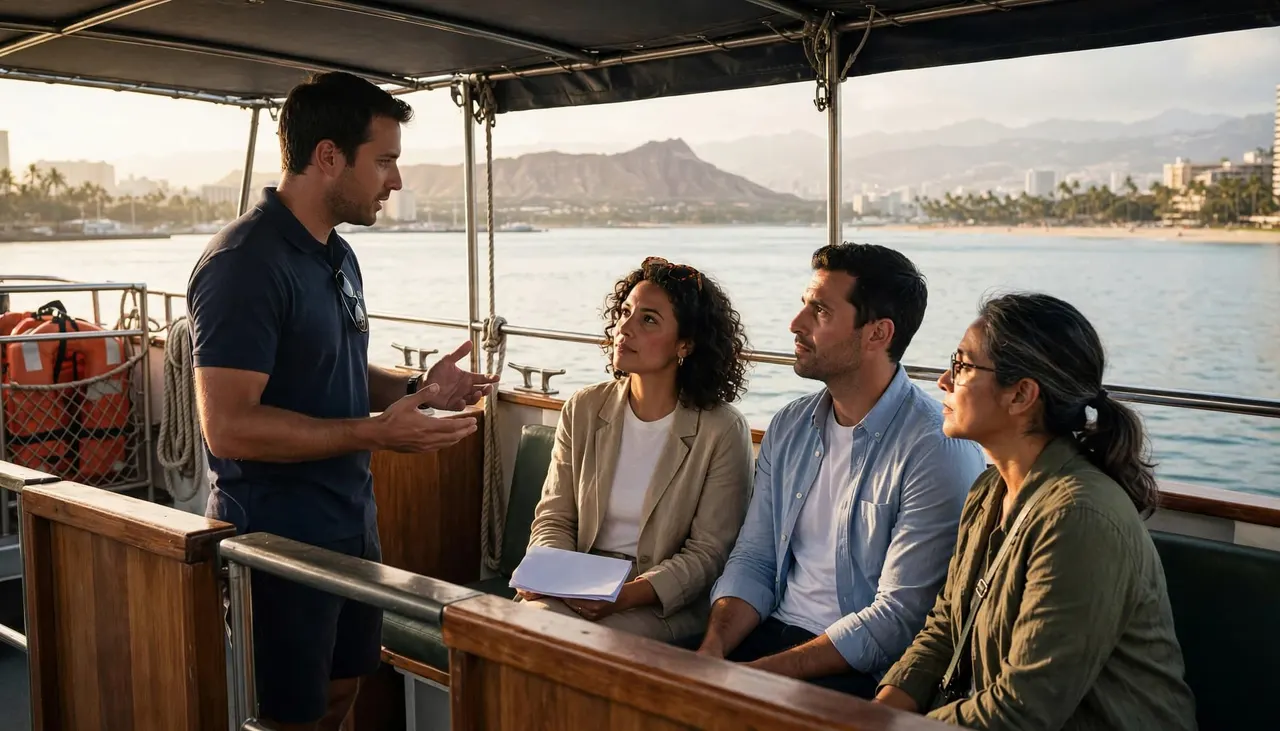
Understand the release you’re reading
A waiver asks you to accept an agreement about legal rights connected with an activity. Depending on its wording, it may seek to release the businesses or individuals it names from certain claims.
Read the full document rather than relying on its title. A heading such as “participant agreement” doesn’t tell you everything contained below it. Also, pay attention to the activity described and the parties named.
The agreement deserves your attention whether you’re an experienced swimmer or stepping onto a tour boat for the first time. Familiarity with snorkeling doesn’t explain the wording of a legal document.
Separate paperwork from practical preparation
Your reservation, waiver, and safety briefing answer different questions. The reservation identifies your outing. The waiver contains the agreement you’re accepting. Meanwhile, the briefing explains what you need to do aboard and around the water.
Completing one doesn’t replace the others. You still need to understand boarding directions, water-entry instructions, and how to get assistance.
Likewise, a form won’t tell the crew that you’re struggling with a mask or feeling unsteady. Speak up when something changes, even if you’ve already completed every item associated with your booking.
Why a signature doesn’t settle every legal question
Hawaii law places limits on enforceability
The legal effect of boat tour waivers depends on more than the presence of your signature. The wording, applicable law, and circumstances matter.
In Valina v. Maui Snorkel Charters, a federal district court described Hawaii’s approach to liability waivers. It identified statutory restrictions, substantial public-interest concerns, and contracts of adhesion as limits on enforceability.
That legal framework doesn’t establish the result for every excursion or agreement. You shouldn’t treat any waiver as an automatic answer to every dispute that might follow a trip.
Court cases show why the wording matters
The 2024 Ninth Circuit case Ehart v. Lahaina Divers involved guests who signed documents releasing rights to sue before their tour.
That example shows why a waiver deserves more attention than a routine attendance form. You’re signing language that may later become part of a legal dispute.
However, another guest’s agreement doesn’t tell you what your own document says. Read the wording in front of you rather than assuming every ocean operator uses an identical form.
Signing a waiver and determining whether a court will enforce it are separate questions.
You can take the agreement seriously without assuming that a signature eliminates every legal protection.
Safety instructions still matter after you sign
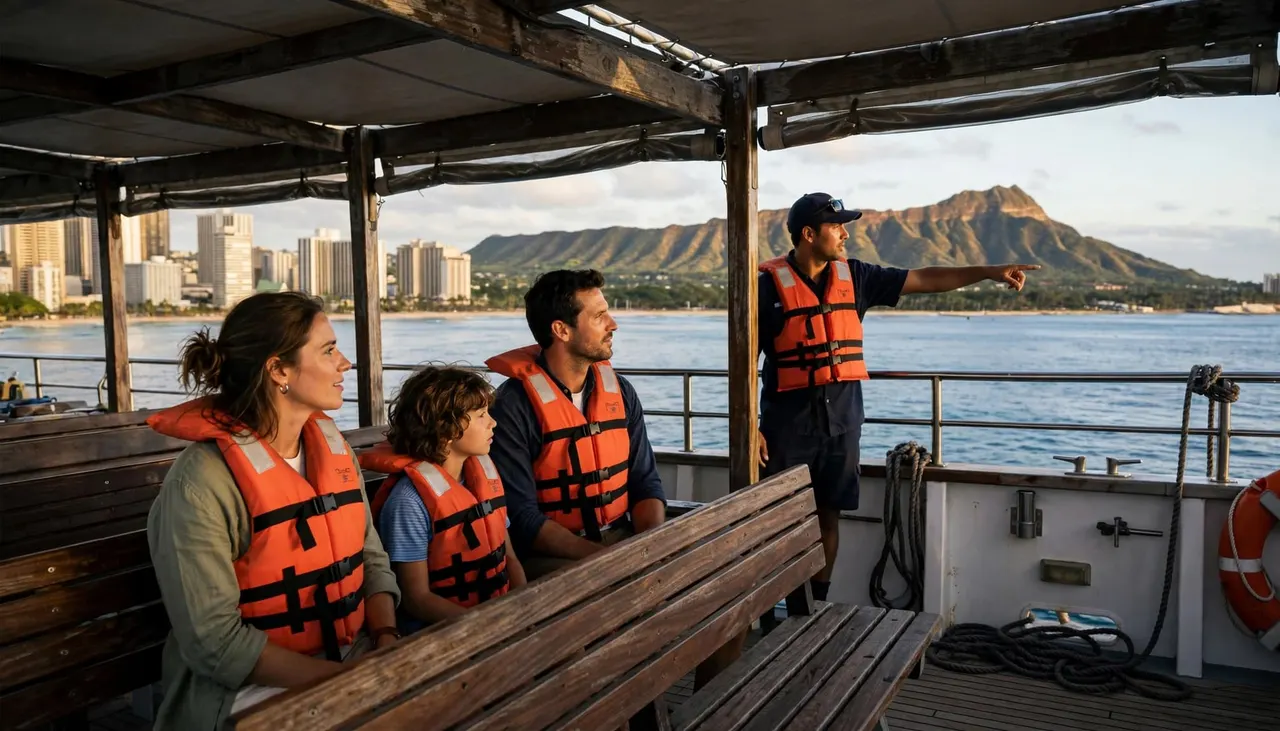
Understand flotation instructions
Keep boat tour waivers separate from the equipment and procedures that support your safety. A signed form doesn’t explain how a particular flotation device fits or when the crew wants you to wear it.
The Coast Guard’s life-jacket equipment guidance states that recreational vessels need an approved wearable personal flotation device for each person aboard. However, recreational-vessel requirements and inspected passenger-vessel rules aren’t identical.
For your outing, listen to the instructions about the equipment aboard. Get clarification before using anything unfamiliar, and tell the crew if a fit problem prevents you from following a direction.
Know how to request assistance
Before entering the water, understand the designated swimming area, the return signal, and how to alert a guide. These details matter when wind, engine noise, or distance makes ordinary conversation difficult.
If you’re uncomfortable with an instruction, speak up before acting. You shouldn’t have to guess whether to wait at a ladder or approach an entry point.
On deck, keep bags out of walkways and follow directions about seating and movement. Also, keep children close during boarding. Assign one adult clear responsibility rather than assuming everyone in your party is watching.
A briefing helps only when you can hear and understand it, so put your phone away while the crew speaks.
Prepare your group without rushing the agreement
Give the document your full attention
Finish reading boat tour waivers before distractions compete for your attention whenever possible. A quiet setting makes it easier to follow unfamiliar language than a busy harbor does.
Keep a copy of the agreement you completed alongside your reservation information. That gives you a record of the document associated with your trip.
For families, preparation includes more than paperwork. Explain that children need to stay close during boarding and listen when the crew addresses passengers. Each adult should also understand the directions rather than relying on one person to relay everything later.
The Coast Guard’s general passenger safety guidance encourages wearing approved life jackets while underway. Treat that as safety context, not a substitute for your vessel’s briefing.
Share relevant needs privately
Tell a crew member before departure if a mobility concern affects boarding or water entry. Likewise, mention anxiety around deep water if it could affect how you respond during snorkeling.
You don’t need to announce your medical history to the entire deck. A brief, private conversation can communicate the assistance you need.
Keep necessary medication accessible rather than underneath towels and spare clothing. For advice about snorkeling with a health condition or medication that affects alertness, speak with your medical provider before the outing.
If you develop breathing trouble, chest pain, unusual confusion, or significant dizziness aboard, alert the crew immediately. Don’t wait because you feel embarrassed or don’t want to interrupt the trip.
Your Living Ocean Tours departure in Honolulu
With us, your ocean day begins at Kewalo Basin Boat Harbor, minutes from Waikiki. Arriving prepared leaves you free to pay attention to boarding and the briefing.
We’re the only tour company with professional snorkel guides. You have guide support as you explore, but you still need to communicate discomfort and follow instructions. Let the crew know early if you’re nervous rather than waiting until you’re already struggling.
Our published guidance doesn’t recommend our tours during pregnancy because of delayed access to health care, motion sickness, and slip-and-fall concerns. That illustrates why activity suitability deserves attention separately from any agreement you sign.
Once you’re on the water, respect the wildlife as carefully as you follow onboard directions. Observe marine animals without touching them, and give yourself permission to pause if you feel uncomfortable.
Choose an outing that fits your group’s comfort level, then leave time to complete your preparation without rushing.
Frequently Asked Questions
Should you keep a copy of your signed agreement?
Yes. Save the completed document when a copy is available, along with your reservation confirmation. Keeping them together makes it easier to distinguish the agreement you signed from general information about the tour.
A saved copy also gives your travel party a consistent reference. However, storing the document doesn’t replace reading it before you accept it. Take time with the actual wording while you still have the opportunity to understand it.
What should you do if you’re uncomfortable before entering the water?
Tell a crew member and stay out of the water while you discuss the concern. Describe the immediate problem clearly, whether it’s dizziness, anxiety, a mask issue, or difficulty understanding an instruction.
Don’t enter because your partner or children are already excited to swim. You can support your group’s experience while making an individual decision about your readiness.
If the concern involves a health condition, your medical provider is the right person to advise you about activity suitability before departure.
Board With a Clear Understanding
Read boat tour waivers as agreements that deserve attention, then give the safety briefing the same focus. Your signature doesn’t replace understandable instructions, appropriate preparation, or early communication with the crew.
Keep your documents together and explain any assistance you need before departure. Once aboard, prioritize clear communication over keeping up with other guests.
You’ll be better prepared to enjoy the ocean when you understand both the agreement you’ve signed and the directions you need to follow.


