
Boat Tour Waikiki: Small Craft Advisory Guide
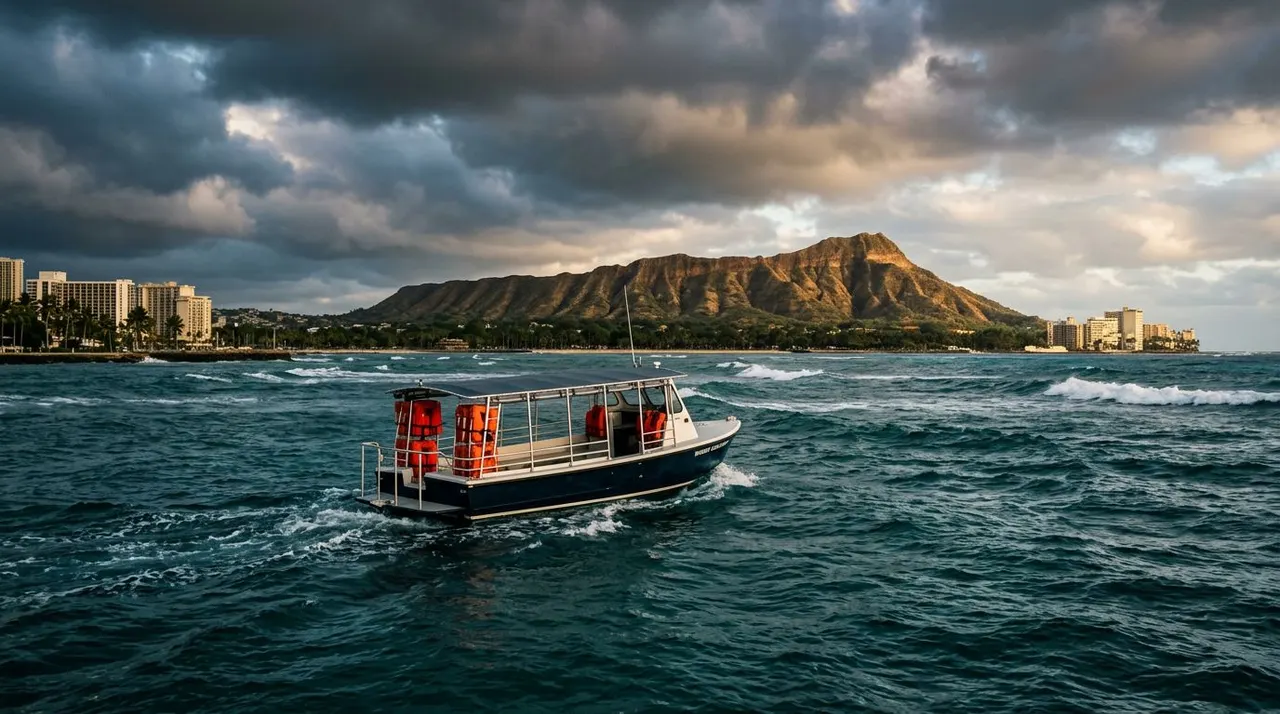
A small craft advisory can change your ocean plans quickly, especially when you have a boat tour Waikiki reservation tied to a short vacation. The notice may sound like an automatic cancellation, but it usually means the operator must review wind, waves, visibility, vessel size, and passenger safety before departure.
You still may be able to enjoy your scheduled cruise or snorkeling trip. The right approach is to understand what the advisory means, read the booking policy, and stay reachable on the day of your tour. Your operator’s safety decision matters more than a clear view from the beach.
What a Small Craft Advisory Means for a Boat Tour Waikiki Booking
The National Weather Service issues a Small Craft Advisory when marine conditions may create extra risk for smaller vessels. Wind speed, wave height, rough seas, reduced visibility, and other hazards can lead to an advisory.
There isn’t one universal boat size that defines “small craft.” The National Weather Service marine FAQ explains that the term depends on the vessel and local conditions. A boat that handles one set of conditions well may not be suitable for another route, passenger group, or activity.
For a Waikiki tour, the operator considers the forecast for the specific waters near Honolulu. Conditions outside Kewalo Basin may differ from what you see along the beach. A calm harbor does not always mean the open water is calm.
A Small Craft Advisory is also different from a storm warning or hurricane warning. An advisory points to hazardous conditions for smaller boats, while a warning usually indicates a more serious and immediate threat. Both require careful attention, but they don’t automatically produce the same booking outcome.
The official NOAA and National Weather Service marine forecast maps can help you understand the forecast area around Oahu. Still, your tour operator has the most useful information about the vessel, route, crew, and planned activity.
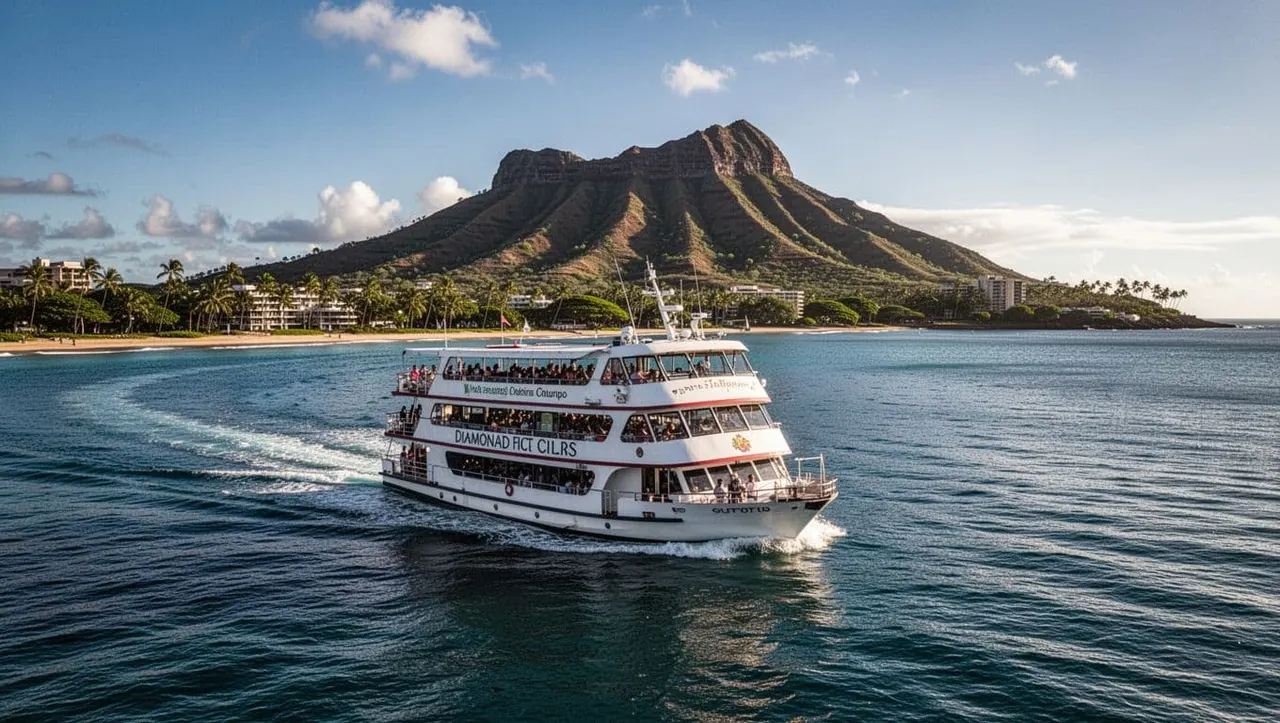
An advisory does not always cancel your tour
A boat can still operate during an advisory if the captain determines that conditions are manageable for that vessel and itinerary. The captain may also change the route, shorten the trip, delay departure, or remove the swimming portion.
For example, a sunset cruise may remain possible when snorkeling conditions are too rough for comfortable water entry. A sheltered coastal route may also be more suitable than a trip that travels farther offshore.
On the other hand, a tour can cancel even without an active Small Craft Advisory. The operator may identify local wind shifts, confused seas, strong currents, unsafe visibility, or other concerns that don’t appear in a simple weather app.
A responsible company puts the decision in the hands of its captain and operations team. The goal is not to fill every departure. The goal is to give you a safe, enjoyable experience without asking the crew or passengers to accept unreasonable conditions.
A clear beach and bright sunshine don’t prove that offshore conditions are safe. Marine forecasts and the captain’s assessment carry more weight than what you see from shore.
How Waikiki Tour Operators Decide Whether to Depart
A marine advisory is one part of a larger decision. Operators typically compare the forecast with the boat’s capabilities, the route, and the activity planned for that departure.
The crew may review:
- Wind direction and speed along the planned route.
- Wave height, period, and the way waves approach the coastline.
- Thunderstorms, heavy rain, lightning, or reduced visibility.
- Currents and water conditions at the snorkeling site.
- Passenger needs, including children, beginners, and guests prone to seasickness.
- Whether safe boarding, swimming, and re-entry remain practical.
A snorkeling trip has different requirements than a sightseeing cruise. Guests need to enter the water, swim with fins, follow guide instructions, and climb a ladder afterward. Even a boat that can travel safely through moderate chop may cancel snorkeling if the reef conditions make water entry uncomfortable or unsafe.
A sunset cruise may have more route flexibility because guests remain aboard. However, boarding and returning to the dock still require steady conditions. Fireworks cruises also depend on timing, harbor traffic, visibility, and the ability to return safely after dark.
Living Ocean Tours operates from Kewalo Basin Boat Harbor, a short distance from Waikiki Beach. Its Coast Guard-inspected, custom-built double-decker vessels, the Coral Kai and Lokahi, include shaded seating, onboard restrooms, dry storage, and heavy-duty ladders.
The Lokahi also has a SeaKeeper vessel stabilization system designed to reduce rolling motion. That feature can improve comfort, but it doesn’t make the boat immune to rough seas. Stabilization supports a captain’s decision; it doesn’t replace one.
Common booking outcomes during an advisory
Your operator may choose one of several outcomes. The exact option depends on the forecast, the vessel, and the booking policy.
| Situation | Possible booking outcome |
|---|---|
| Conditions remain suitable | The tour departs as scheduled, sometimes with a route change |
| The ocean is manageable, but snorkeling is not | The cruise operates without the in-water portion |
| Conditions may improve later | The operator delays departure or offers another time |
| Conditions are unsuitable | The tour is canceled and eligible guests receive a refund or rescheduling option |
| The forecast is uncertain | The operator waits for an updated marine report before making a final call |
Ask when the final decision will be made. Some operators decide the evening before departure, while others wait until the morning after receiving newer forecast information.
What to Check Before You Book a Waikiki Boat Tour
Booking a tour during a season with changing weather doesn’t have to be stressful. You can reduce surprises by checking the policy before entering payment details.
Look for clear answers to these questions:
- Who makes the weather decision? The captain or operator should have final authority over safety.
- When will you receive an update? Confirm whether notifications arrive by phone, email, or text.
- What happens after a cancellation? Ask whether you can reschedule, receive a refund, or choose another tour.
- What happens if the route changes? A modified trip may still count as a completed departure.
- What happens if you cancel because of a forecast? Your personal cancellation policy may differ from the operator’s weather policy.
- Are snorkeling and swimming guaranteed? Wildlife sightings and water conditions can change, even when the boat operates.
Save the operator’s phone number after booking. Check your email and voicemail on the morning of the trip. If you’re staying at a hotel, keep your phone volume on so you don’t miss a time-sensitive update.
You should also allow extra time to reach Kewalo Basin. Weather decisions can lead to schedule adjustments, and rushing through check-in adds stress before you even step aboard.
A third-party app can help you watch the general trend, but it should not replace direct communication with the operator. The National Weather Service marine services page provides official forecast information, while your captain interprets how those conditions affect the specific boat and route.
Choosing the Right Tour When Conditions May Change
Your preferred activity should match the forecast and your comfort level. If you want to swim with turtles, you need a tour with suitable water conditions and enough time for safe entry. If you mainly want ocean views, a cruise may offer more flexibility.
Living Ocean Tours gives you several ways to experience the Waikiki coastline. The company is also the only tour company with professional snorkel guides, which gives beginners direct instruction and helps experienced swimmers find marine life while following responsible wildlife practices.
Turtle Canyons Snorkel Excursion
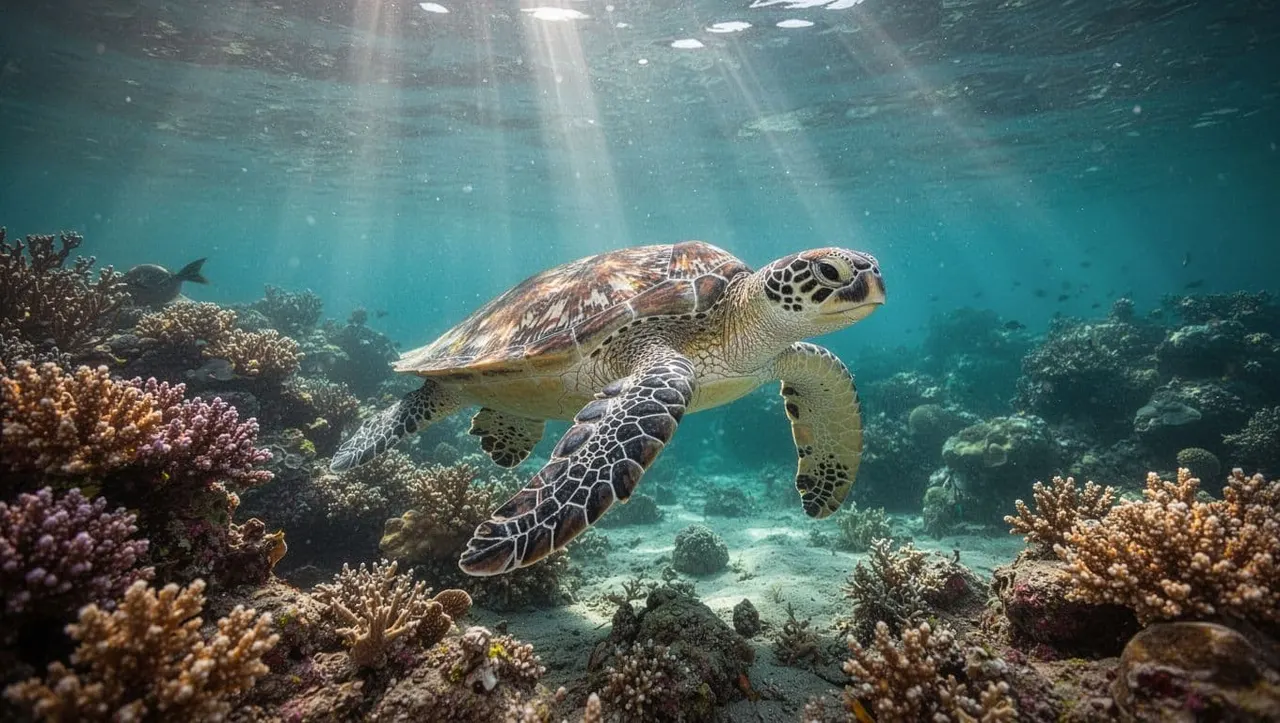
The Turtle Canyons Snorkel Excursion is a strong choice when the forecast supports in-water activity. The trip visits a natural cleaning station where Hawaiian green sea turtles often gather. Living Ocean Tours reports a 95% success rate for turtle sightings.
Professional snorkel guides help you with gear, water entry, positioning, and reef etiquette. You don’t need advanced skills to participate, although you should feel comfortable in the water and follow every crew instruction.
If an advisory appears, ask whether the trip will run with snorkeling included. The operator may decide that the boat can travel safely but that conditions at Turtle Canyons aren’t suitable for swimming.
You can review the Turtle Canyons Snorkel Excursion before choosing a date. Remember that turtles are wild animals. Keep your distance, observe without touching, and never chase wildlife for a closer photograph.
Deluxe Waikiki Snorkeling and Wildlife Cruise
The Deluxe Waikiki Snorkeling and Wildlife Cruise combines a less-crowded reef visit with time aboard the Lokahi. Guests can use the boat-mounted water slide, water trampoline, and floating lily pad when conditions and crew instructions allow.
This option suits families and active groups who want more than a short snorkel stop. The Lokahi’s shaded seating, restroom, dry storage, and SeaKeeper stabilization system add comfort between activities.
An advisory may affect the water toys before it affects the boat ride. The captain may keep guests aboard, postpone water access, or change the route. Ask how the company handles a modified itinerary before you book.
See the Deluxe Waikiki Snorkeling and Wildlife Cruise for current tour details.
Waikiki Sunset Cruise
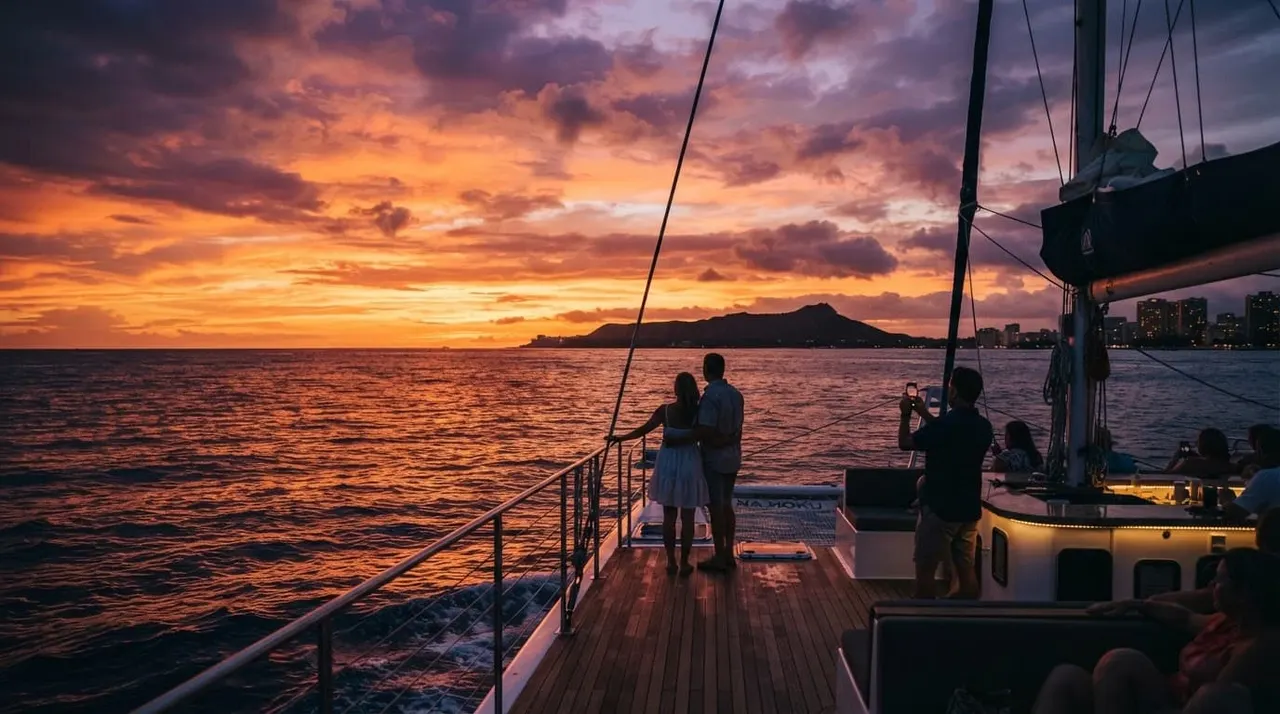
A Waikiki Sunset Cruise may be the better fit when you want scenery, fresh air, and time on the water without planning an in-water activity. Living Ocean Tours offers sunset options with BYOB and cash-bar choices.
Because the cruise focuses on sightseeing, the captain may have more route options during moderate conditions. Still, rough seas can affect comfort, boarding, and the return to Kewalo Basin. If you tend to get seasick, ask whether the Lokahi’s stabilization system is scheduled for your departure.
The Waikiki Sunset Cruise gives couples and families a relaxed way to see the coastline in changing evening light.
Whale Watching and Friday Fireworks Cruises
Whale watching tours operate seasonally from January through March, when humpback whales visit Hawaiian waters. The crew may need to adjust the route or viewing distance based on wind, waves, and whale activity. You should also expect wildlife sightings to remain unpredictable because whales are wild animals.
Learn about the Waikiki whale watching tour when planning a winter visit. During an advisory, ask whether the vessel will depart, whether the trip length changes, and what happens if visibility limits whale viewing.
Friday Night Waikiki Fireworks cruises depend on the evening schedule, harbor traffic, and visibility after sunset. A Small Craft Advisory may lead to a cancellation if the return trip is unsafe, even when the fireworks display itself continues.
You can review the Friday Night Waikiki Fireworks Cruise and choose a date that fits your itinerary.
How to Make Your Booking More Weather Flexible
When your trip includes one fixed activity, weather can create a tight schedule. A little planning gives you better options.
Book your main ocean tour early in your stay rather than on your final day. If the operator cancels, you may have time to reschedule. This approach also helps when your first choice is full on later dates.
Keep one land-based activity available as a backup. You won’t waste vacation time waiting for a decision, and you can enjoy another part of Oahu if the ocean doesn’t cooperate.
Choose clothing that works for changing conditions. Bring a light layer for the boat, reef-safe sun protection, a towel, and dry clothes for the ride back to your hotel. Secure hats and loose items because wind can increase offshore.
If you are sensitive to motion, sit near the center of the vessel and look toward the horizon. Avoid a heavy meal immediately before departure. Ask the crew where the most stable seating is once you board.
Families should discuss the possibility of a route change with children before the tour. Explain that the captain may change the plan to keep everyone comfortable. That expectation helps prevent disappointment if the water slide or snorkeling stop is unavailable.
A Small Craft Advisory should also prompt you to review your travel insurance terms if you purchased coverage. Policies differ, and weather-related benefits may require specific documentation. Keep cancellation emails and booking records if the operator changes your reservation.
What Happens If Your Tour Is Canceled
If Living Ocean Tours cancels because conditions aren’t safe, wait for the company to explain the available options. Depending on the policy and departure status, you may receive a refund, reschedule for another time, or select another suitable tour.
Don’t cancel on your own based only on a weather app before speaking with the operator. A personal cancellation may fall under different terms than a company weather cancellation.
When you receive a cancellation notice, ask three direct questions:
- Is the booking eligible for a refund or date change?
- Are other Living Ocean Tours departures available during your stay?
- Will the company contact you again if conditions improve?
Keep your confirmation email accessible. If you booked through a hotel desk or another booking channel, contact that seller as well. The party that processed your payment may handle part of the change.
A cancellation can feel disappointing, especially when you planned a turtle encounter or a sunset over Diamond Head. The captain’s decision protects guests, crew, and the marine environment. You can always plan another ocean outing when the conditions support it.
Living Ocean Tours combines professional snorkel guidance with Coast Guard-inspected vessels and guest amenities that support a range of comfort levels. Its Honolulu ocean tours include snorkeling, wildlife viewing, sunset cruises, fireworks outings, and seasonal whale watching.
Final Thoughts
A Small Craft Advisory is a marine safety notice, not an automatic rejection of your vacation plans. Your boat tour Waikiki booking may depart, change routes, lose its in-water activity, or move to another date based on the captain’s assessment.
Read the weather policy before paying, book early enough to allow a reschedule, and keep your phone available on tour day. When you choose an operator with professional guides, inspected vessels, and clear communication, you can enjoy Waikiki’s ocean with confidence while respecting the conditions that protect everyone aboard.


