
Boat Tour Waikiki: Lost and Found Steps
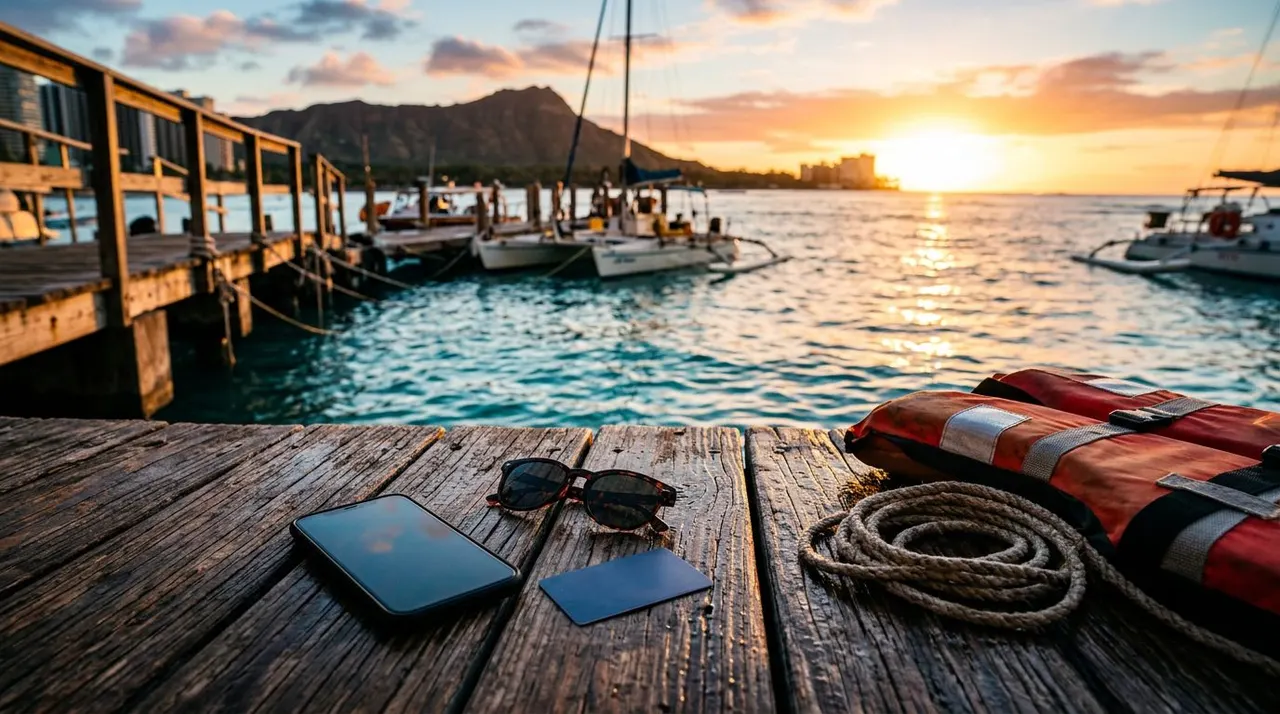
You planned a boat tour Waikiki adventure, then noticed your phone, sunglasses, or room key was missing. The boat may already be pulling away, or you may be standing beside the dock with wet towels and no idea where to start.
Act quickly, stay calm, and give the crew useful details. Most lost-item reports fail because the operator receives a vague message hours later. Start with the location, trip time, and item description, then protect anything that could expose your money or identity.
Boat tour Waikiki lost and found: act fast
Your first move depends on when you notice the missing item.
If you’re still aboard, tell a crew member before you leave the vessel. Don’t search under seats, inside storage areas, or near equipment without permission. Boat crews know which spaces are safe to check, and they may remember where guests sat during the trip.
If you’ve already reached the dock, speak with the captain, deckhand, or check-in staff. Ask whether the boat is still accessible and whether someone can look before the next group boards. Never walk back onto a vessel or docked boat without approval.
Once you’re at your hotel, contact the operator through the phone number or email in your booking confirmation. A direct call works well when the next tour is about to depart. Email helps when you need to include a photo, receipt, or detailed description.
Tell the crew the exact seat, deck, and time when you last saw the item. “I lost my phone on the boat” gives them little to work with. “Black phone near the shaded upper-deck bench after snorkeling” gives them a search area.
If you think the item fell into the ocean, tell the crew anyway. They can determine whether it is safe or realistic to look for it. Don’t lean over railings, jump into the water, or ask another guest to swim beneath the vessel. A lost camera isn’t worth a personal injury.
Why items go missing on a Waikiki boat tour
Boat decks create conditions that make small belongings easy to lose. Wind catches loose hats and towels. Sunscreen makes sunglasses slide. Movement during boarding can push a phone beneath a seat or into a narrow gap.
Snorkel trips add more opportunities for mix-ups. You may change into fins, carry a mask, remove a cover-up, and move between shaded seating and the swim-entry area. A wallet placed beside a dry bag can disappear under another guest’s belongings during that activity.
Water also changes the search. A phone that falls onto the deck may stay visible. A phone that slips overboard may sink, drift, or become impossible to locate. Salt water can damage electronics before anyone reaches them, so tracking and locking the device should happen quickly.
Crew members usually check seating areas, storage spaces, restrooms, and common walkways after guests leave. However, they may not find an item immediately if another trip starts soon. Some belongings also move when staff rinse the deck or prepare safety equipment.
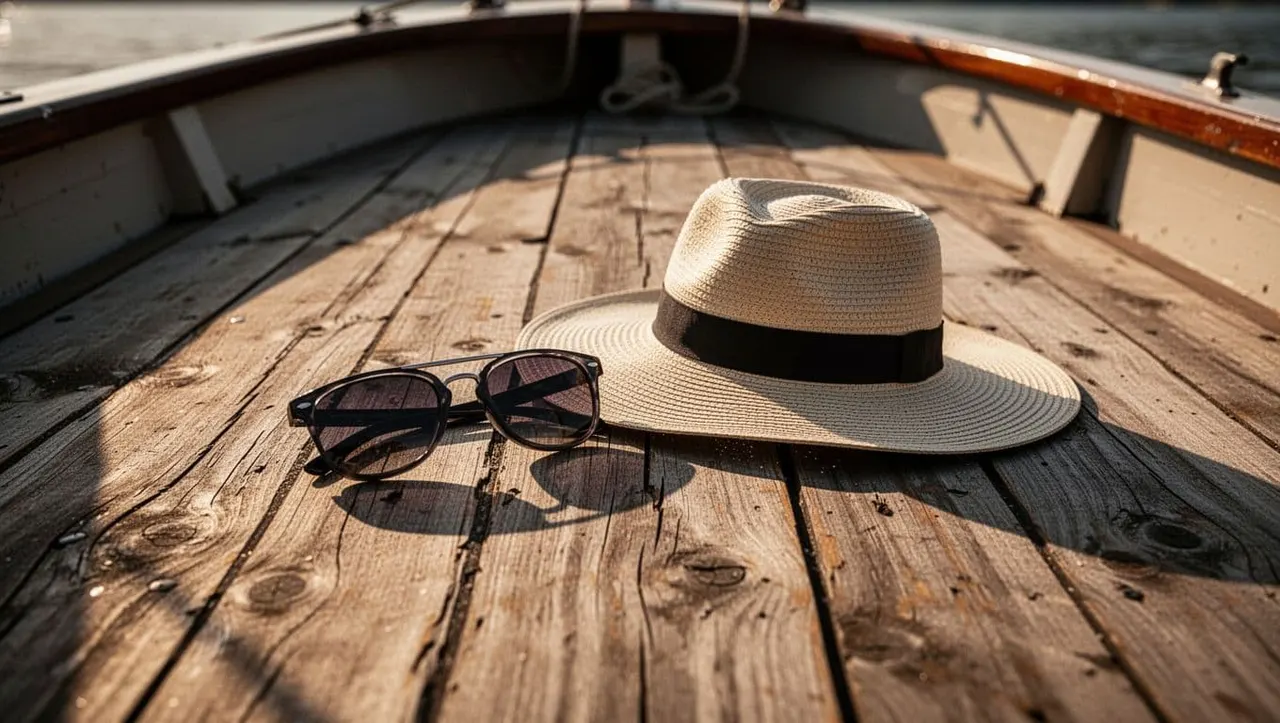
Sunglasses, hats, and towels often have little identifying information. Describe their color, brand, case, scratches, initials, or other marks. A plain black hat is difficult to match, while a blue hat with a white patch is easier to recognize.
The ocean also deserves consideration. Don’t throw a replacement item, fishing line, or improvised tool into the water. Hawaii’s marine life can become tangled in loose materials, and reef areas need respectful care. Observe wildlife without touching it, even when your missing item may be nearby.
Contact the operator with details they can use
Your message should help the crew identify the correct trip and search the right area. Before calling, open your booking email, text confirmation, or receipt. Look for the tour name, date, departure time, meeting point, and reservation number.
Include these details in your first message:
- State your full name and booking number, if you have one.
- Give the date, approximate departure time, and tour name.
- Describe the item, including its color, brand, size, and identifying marks.
- Explain where you last remember using it, such as the lower deck, upper deck, restroom, swim-entry area, or dry storage.
- Add a safe phone number and email address for the response.
- Ask whether the operator can hold the item for pickup or arrange shipping.
A clear message might say:
“I joined the 1:00 p.m. snorkeling trip on June 18 under the name Taylor Morgan. I may have left a green waterproof phone pouch beside the shaded lower-deck bench after returning from the water. The pouch has a white zipper and one car key inside. Please let me know if the crew finds it.”
Don’t send your credit card number, account password, passport number, or full home address in an initial message. Share only what the operator needs to identify and return the item. If shipping becomes necessary, provide a secure delivery address through the company’s official communication channel.
Living Ocean Tours operates out of Kewalo Basin Boat Harbor, just minutes from Waikiki Beach. If your tour departed there, confirm the slip and office location before returning. A Kewalo Basin Harbor guide can help you recognize the waterfront area, but your booking confirmation remains the best source for the exact meeting point.
A follow-up message the next business day is reasonable if you haven’t received an answer. Keep the tone polite and concise. Crew members may be working on the water, assisting guests, or preparing another departure when your message arrives.
Ask about the operator’s return process. You may need to collect the item at the harbor, meet staff during office hours, or pay shipping costs. A friend or hotel employee may be able to pick it up with your written authorization.
Protect phones, wallets, passports, and medication
Different belongings require different responses. A pair of sunglasses can wait for a crew search. A phone, passport, bank card, or prescription may need immediate action.
If you lost a phone or camera
Use Apple’s Find My service or Google’s Find My Device while the battery may still have power. If the location points to the harbor or boat, contact the crew instead of trying to retrieve it yourself.
Place the device in lost mode, add a safe callback number, and lock the screen. Don’t share your passcode with anyone who claims to have found it. If the phone contains banking apps, email, or saved travel documents, change important passwords after you have attempted recovery.
For a camera, gather the brand, model, color, lens, case, and serial number. A purchase receipt or saved product photo can help prove ownership. Memory cards may contain personal images, so explain that detail when you contact the operator.
If you lost cards or cash
Freeze or lock missing debit and credit cards through your bank’s app. Check recent transactions, especially if the wallet was lost in a busy tourist area. Report suspicious charges through the bank’s official number.
Cash usually can’t be traced, so focus on recovering identification and cards. If the wallet contains hotel key cards, tell the front desk. The hotel can deactivate the old key and issue another one.
If you lost a passport or ID
Contact the boat operator immediately, then contact the authority that issued the document. U.S. travelers should follow the State Department’s instructions for a lost passport. International visitors should contact their embassy or consulate for guidance.
Tell your hotel and airline if your identification affects upcoming travel. Keep a digital copy of your passport in a secure account, not in a public social media post. Never publish a photo that shows passport numbers or personal information.
If you lost medication or keys
Prescription medication may need a replacement through your doctor or pharmacy. Explain the situation to your hotel concierge or travel insurer if you need help locating a local provider.
For keys, notify your hotel if they open a rental car, vacation rental, or room. Avoid posting a photo of the key or identifying tag online. A lost key can create a security concern even when the key itself has little value.
How Living Ocean Tours handles a lost item report
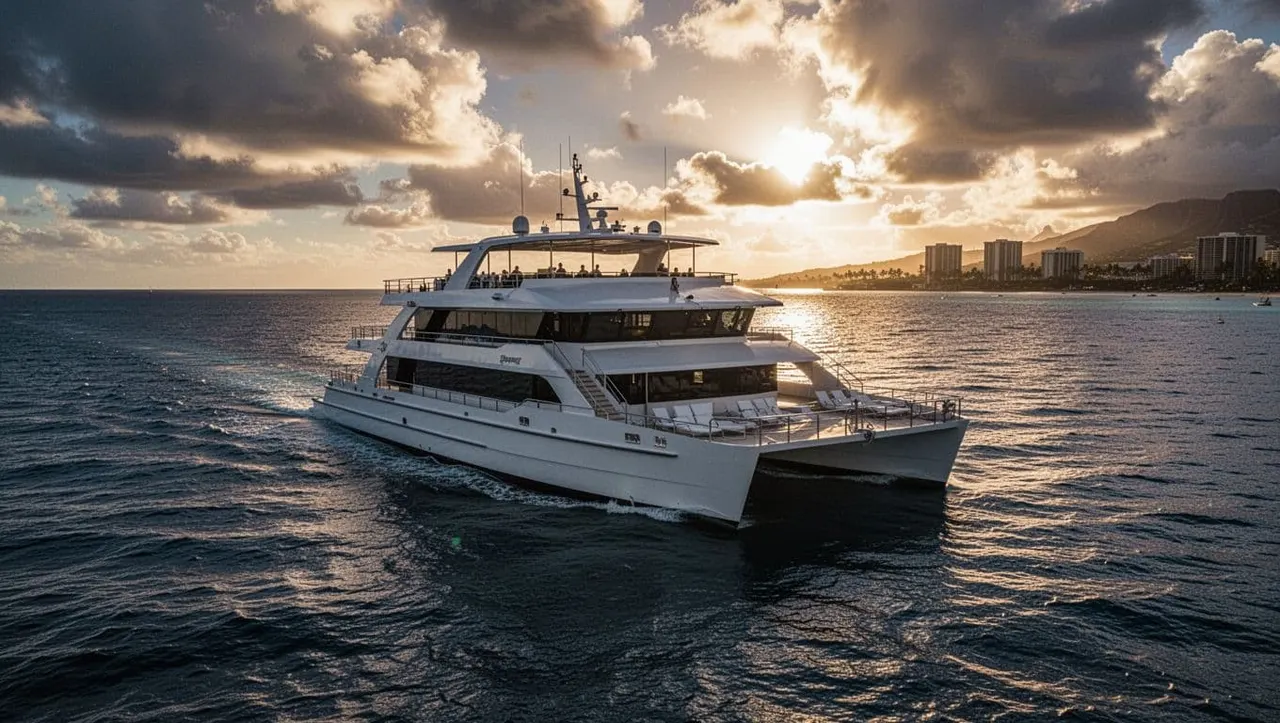
Living Ocean Tours is based at Kewalo Basin Boat Harbor and operates Coast Guard-inspected, custom-built double-decker vessels named Coral Kai and Lokahi. Both boats have shaded seating, restrooms, dry storage, and heavy-duty ladders for water entry.
Those amenities give you several places to check, but they also make your location details more important. Tell the crew which deck you used, whether you stored belongings in a dry area, and whether you moved after snorkeling.
The Lokahi includes a SeaKeeper stabilization system, which helps keep the vessel steady, along with a cash bar and upper-deck water slide. The Coral Kai has open deck space for ocean views. Regardless of the vessel, keep loose items secured when the boat is underway.
Living Ocean Tours is the only tour company with professional snorkel guides. Its guides help beginners and families understand safe water entry, equipment use, and the importance of observing marine life without touching it. That guidance also gives you a clear crew member to approach when you notice an item is missing.
You can review the company’s Living Ocean Tours ocean excursions before booking. If your missing item belongs to a Living Ocean Tours guest, use the contact information in your confirmation rather than relying on public comments or social media messages.
For recent guest feedback, you can view the review widget below.
If you want to check another departure after your lost-item report, use the company’s booking page.
Preventing lost items on your next boat tour Waikiki trip
A few habits can prevent the frantic search that follows disembarkation. Pack for movement, wind, water, and shared seating.
Use one small, brightly colored dry pouch for items you need aboard. A high-contrast color is easier to spot than black fabric on a dark seat. Keep your phone, room key, cards, and medication in the pouch unless you need them.
Before boarding, remove unnecessary valuables from your beach bag. Jewelry, extra cash, expensive sunglasses, and loose accessories are safer in your hotel safe or another secure place. Bring only what you need for the outing.
Follow the crew’s instructions for dry storage. Don’t place a wallet beneath fins, towels, or loose equipment. If a staff member directs you to a particular storage area, remember that location before you enter the water.
Secure hats and sunglasses when the boat picks up speed. Wind can carry a lightweight item overboard in seconds. If you wear prescription glasses, use a secure case when you switch to a snorkel mask.
Families benefit from assigning one adult to carry shared essentials. Children can enjoy the boat without holding phones, room keys, or loose cameras near the rail. Label personal gear with a first name and phone number, but leave out your hotel room number.
Take a quick photo of expensive equipment before the trip. Include the model, color, case, and serial number when possible. That image can save time when you describe the item to a crew member.
Before you step onto the dock, check your seat, the area beside your feet, the restroom, and the storage space you used. Look at the place where you changed equipment. A 30-second sweep is easier than retracing an entire harbor visit.
Sunset trips deserve an extra check because lower light makes small items harder to see. Fireworks cruises can also leave guests focused on the sky instead of their seats. Keep your pouch closed until you’re back at the hotel.
If you want to book another boat tour Waikiki experience
A missing item can spoil an afternoon, but it doesn’t have to end your ocean plans. After you handle the report, you can choose a future outing with fewer loose belongings and a crew that guides you through each step.
Living Ocean Tours’ Turtle Canyon Snorkel Excursion is a strong fit if you want a guided wildlife outing. The tour visits a natural underwater cleaning station where Hawaiian green sea turtles are often seen. The company reports a 95% success rate for turtle sightings, although wildlife encounters can never be guaranteed.
The Turtle Canyon Snorkel Excursion welcomes beginners and families with children ages 3 and older. Professional snorkel guides explain equipment use and safe entry, while guests observe turtles and reef life without touching or chasing them.
Keep your valuables in secure dry storage during the swim. Bring a phone only if you have a reliable waterproof case and a clear plan for keeping it secured. Otherwise, let the crew and the reef be the focus of your time in the water.
If you’re ready to choose another departure, you can CHECK AVAILABILITY.
Conclusion
When you leave something behind on a boat, speed and clear details give you the best chance of getting it back. Tell the crew before leaving the vessel, contact the operator through an official channel, secure your accounts, and never risk your safety by entering the water or an unauthorized work area.
For your next boat tour Waikiki outing, carry fewer valuables, use a visible dry pouch, follow storage instructions, and perform a quick seat check before disembarking. A small routine keeps your attention on the ocean instead of a missing phone.


