
Boat Tour Waikiki: A Guide for Guests With Dietary Restrictions
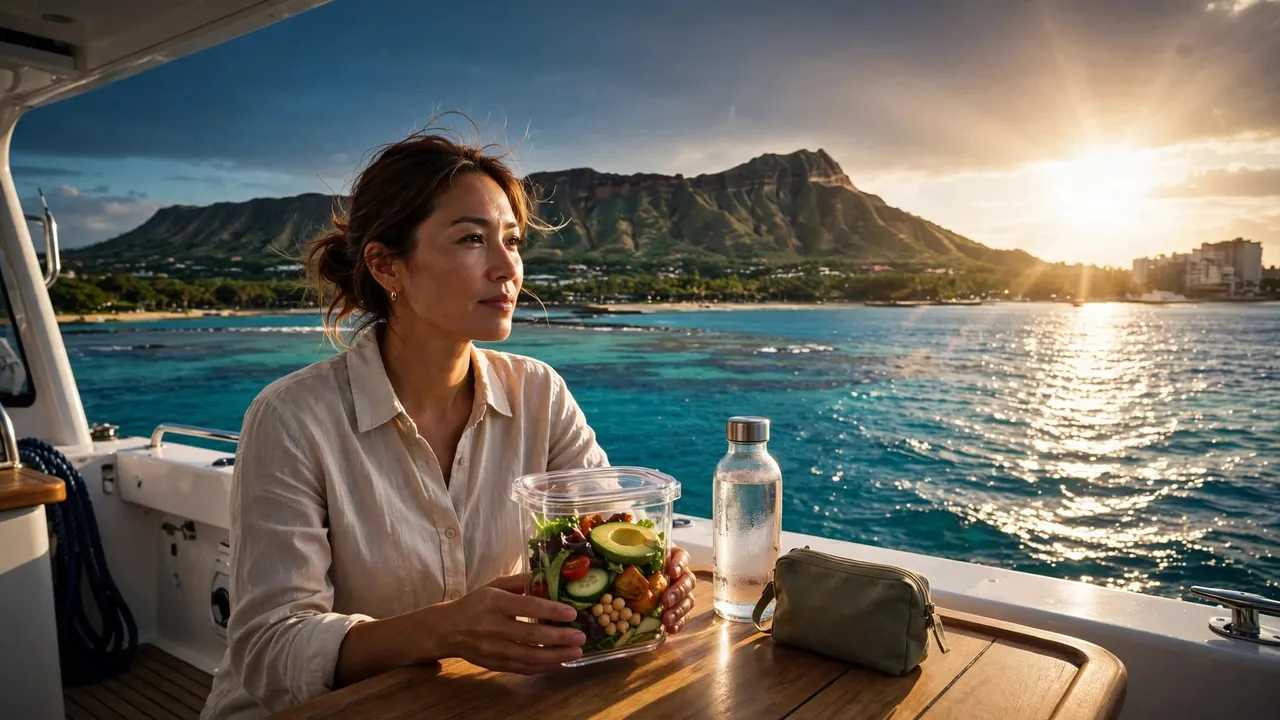
A Boat Tour Waikiki experience should feel relaxing, even when you manage food allergies, celiac disease, diabetes, or a medically required diet. The best plan is simple: confirm food policies before you book, pack only what the operator approves, and keep your needs clear and specific.
Living Ocean Tours offers Honolulu ocean tours for families, couples, first-time snorkelers, and wildlife lovers. You can enjoy Waikiki’s reef, coastline, and evening views without making assumptions about onboard food or allergen handling.
Key Takeaways for Dietary-Restricted Guests
- Tell the operator about serious allergies or medical dietary needs before paying for tickets, then confirm the answer in writing if possible.
- Ask what food and drinks are served, whether outside food is allowed, and whether the crew can store, heat, refrigerate, or label your items.
- Pack a compact, clearly identified meal only after you receive approval to bring it aboard.
- Keep medications, safe snacks, and water easy to reach instead of placing them in checked or shared storage.
- Choose the outing for its pace and activities, not because you assume a particular meal accommodation is available.
A Boat Tour Waikiki departure is easier when dietary planning happens before your travel day. That gives you room to focus on the views, your family, and the water.
Plan Your Boat Tour Waikiki Before Booking
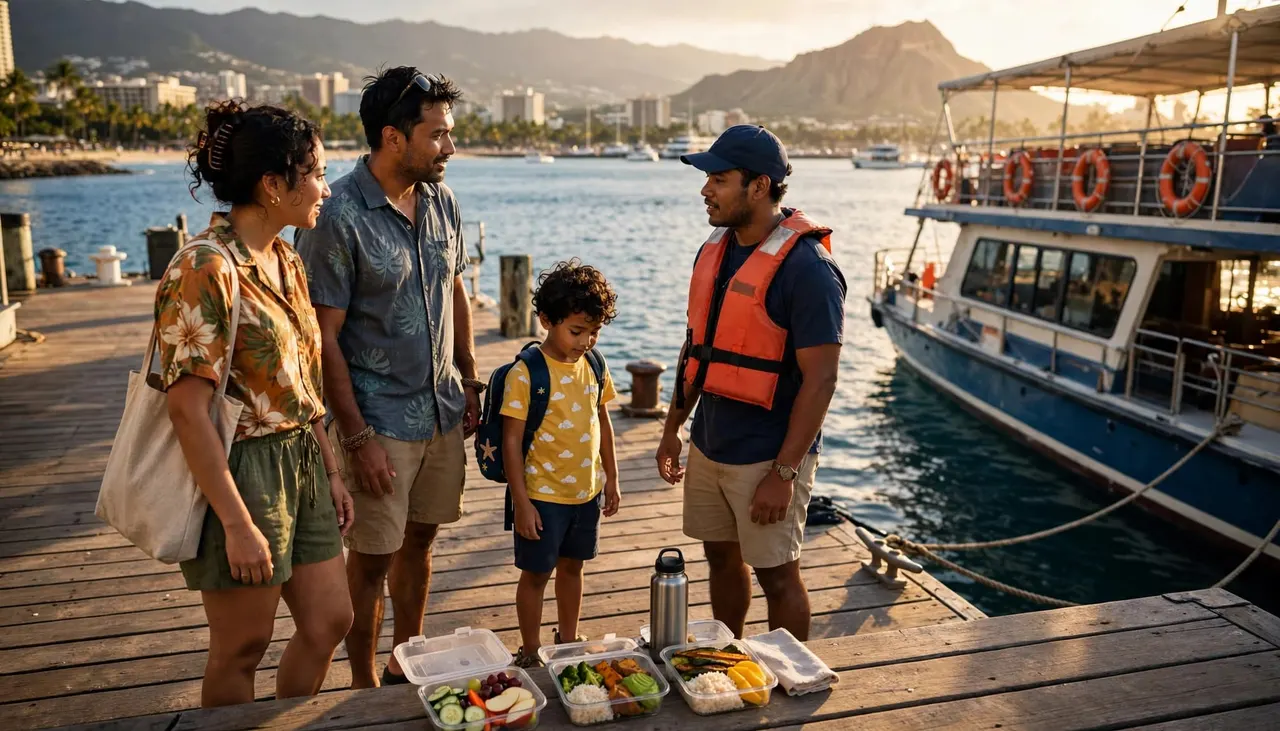
Share the restriction in plain language
Don’t only say that you have a “food allergy.” State the ingredient, the severity of the reaction, and whether cross-contact is a concern. For example, explain whether you avoid wheat because of celiac disease, need dairy-free food, carry an epinephrine auto-injector, or must eat at scheduled intervals.
Ask whether food is included on your selected departure. Then ask what ingredients may be present and whether the operator has a policy for guest-provided food. A crew can’t safely meet a need it hasn’t been told about.
If you take medication or have a condition that affects travel, review general trip preparation through CDC Travelers’ Health and speak with your clinician before leaving home.
Get answers to practical food questions
A clear question prevents a disappointing surprise at the dock. Before booking, ask if outside meals are allowed and whether there are restrictions on containers, coolers, beverages, or glass.
Also ask whether you can access your bag during the trip. Never assume food can be chilled, warmed, separated from other items, or handled by crew members unless they directly confirm it. Those details matter most when you need strict allergen control.
A verbal “we’ll see” is not a food-safety plan. Confirm what you can bring and what you can access before the day of your cruise.
Pack Food That Works on the Water
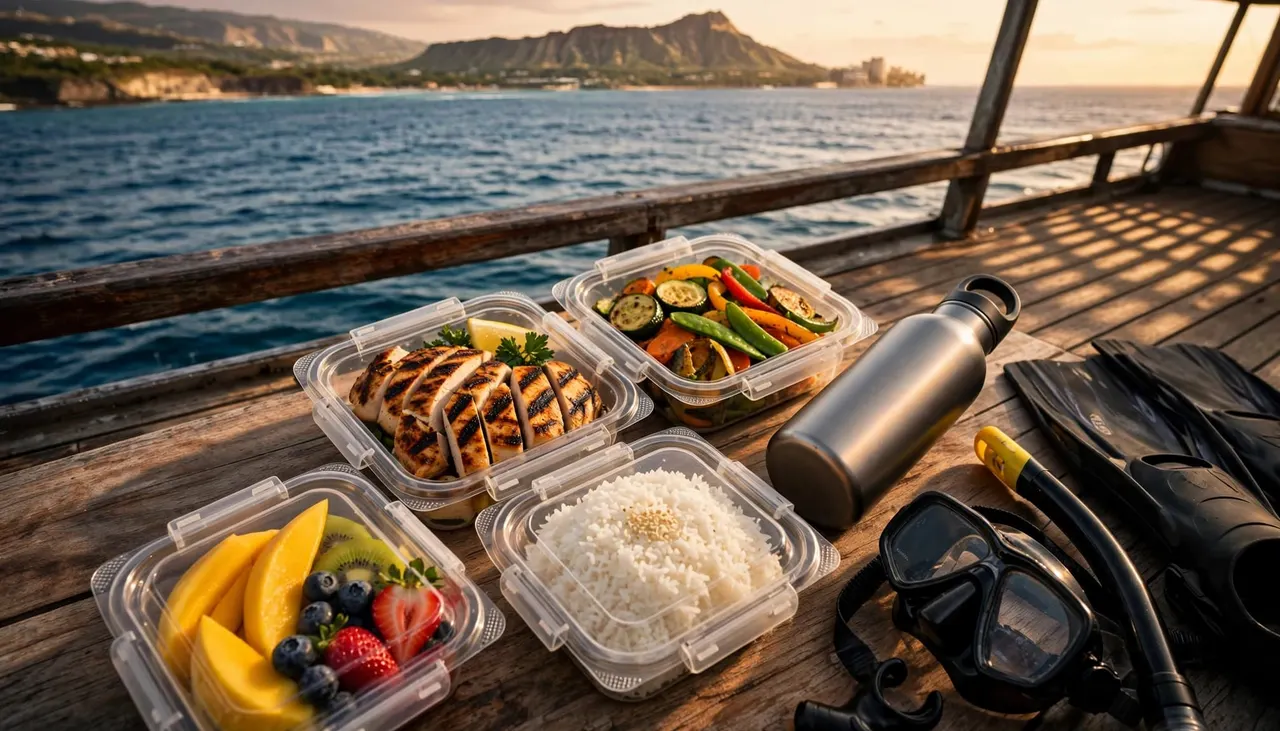
Keep your meal simple and sealed
If the operator approves outside food, choose items you already trust. Sealed portions reduce mix-ups and make it easier to keep your meal separate from shared snacks. A compact meal might include fruit, a familiar protein, rice or another tolerated starch, and a drink.
Avoid packing a complicated meal that needs a microwave, refrigeration, utensils, or careful assembly. Ocean conditions can make moving around harder, and a simple backup snack can be more useful than a full spread.
Use a small insulated bag only if it is permitted. Label your own container if that helps your group avoid confusion, but don’t expect crew members to identify ingredients or monitor who handles it.
Time meals around your activity level
Eat a familiar, moderate meal before leaving for your Boat Tour Waikiki outing. That can help you avoid low energy while snorkeling or feeling uncomfortably full on a moving boat. Bring enough food for your expected time away from shore, plus a small backup option for delays.
Hydration also matters in Hawaii’s sun and salt air. Drink water before boarding, especially if you plan to snorkel. If motion sickness affects you, ask a medical professional about appropriate medication before travel. Alcohol can make dehydration and nausea worse, so it may not fit your plan before an active ocean day.
Choose the Right Waikiki Experience
Turtle Canyons for guided reef time
The Turtle Canyons Snorkel Excursion is a strong choice if seeing Hawaiian green sea turtles and reef fish is high on your list. Living Ocean Tours reports a 95 percent turtle-sighting rate at the natural cleaning-station area, although wild animal encounters always depend on conditions and animal behavior.
Living Ocean Tours is the only tour company with professional snorkel guides. That direct in-water support can help you understand gear, water entry, and respectful wildlife viewing. Give honu and coral space, follow the crew’s instructions, and always observe without touching.
The deluxe cruise gives families more flexibility
The Deluxe Waikiki Snorkeling and Wildlife Cruise combines reef time with a waterslide, water trampoline, and floating lily pad. It works well when one person wants to snorkel while another would rather float, play, or enjoy the deck.
For guests with dietary restrictions, that flexible pace can make meal timing less stressful. You can eat before departure, bring approved snacks if allowed, and avoid treating an onboard offering as your only food plan. The Lokahi also has a SeaKeeper stabilization system that helps reduce boat roll, though it cannot remove all motion on the Pacific.
Sunset cruising keeps the focus on the view
A Boat Tour Waikiki sunset outing is a practical option when you want Waikiki’s shoreline, Diamond Head views, and ocean air without swimming or managing snorkel gear. Living Ocean Tours is Oahu’s top-rated and most reviewed sunset cruise company, and the regular Waikiki Sunset Cruise welcomes guests ages 3 and up.
Eligible departures may offer BYOB or cash-bar options, but you should confirm the current policy and food details before booking. Bring a light layer for the evening breeze, secure your belongings, and keep your approved snacks with you if you need them.
Stay Comfortable Once You Are Aboard
Keep essential items with you
Place emergency medication, safe snacks, water, and any medical note in a small bag that stays with you. Tell your travel companions where those items are. If your child has a dietary restriction, one adult should keep direct control of that bag rather than passing it between seats.
Choose food that won’t spill easily. A wet deck, wind, and boat movement make open containers inconvenient. Wait for a stable moment before eating, and keep walkways, stairs, and rails clear for other guests.
Respect the reef and the people around you
Food safety and ocean care both require attention. Don’t feed fish or throw food into the water. Even a small snack can affect wildlife behavior and create a mess on deck.
During snorkeling, listen to the professional guides and stay aware of your comfort level. You can return to the boat if a mask issue, fatigue, motion sickness, or anxiety makes the water less enjoyable. A good ocean day doesn’t require you to push past your limits.
Confirm Your Plan Before You Leave Your Hotel
Review your booking details
Check the departure time, meeting instructions, and tour type the night before. Then confirm that the operator has answered your food-related questions. Keep emails or messages available on your phone in case you need to refer to them at check-in.
Pack light, but don’t leave out the items that protect your health. Bring your medication, water, approved food, sunscreen you tolerate, a towel for snorkeling trips, and a light outer layer for evening cruises.
Set expectations with your group
Tell family members and friends which foods are safe to share and which are not. This matters when children pack snacks or when adults buy food on the way to the harbor.
A Boat Tour Waikiki trip works best when every person in your group understands the plan. They should know that crew instructions come first, wildlife needs space, and dietary choices stay under your control unless the operator has confirmed otherwise.
FAQ About Boat Tours and Dietary Restrictions
Can you join a Waikiki boat tour with a severe food allergy?
You may be able to, but contact the operator before booking. Explain your allergen, ask about food service and outside-food policies, and bring your prescribed medication. Don’t assume dedicated allergen-free preparation or cross-contact controls are available.
Should you bring your own meal?
Bring food only after the operator confirms that it is allowed. If approved, pack a familiar, sealed meal that does not need special handling. You should also ask whether coolers, insulated bags, or particular containers are permitted.
Is a sunset cruise easier than a snorkel tour for dietary needs?
A sunset cruise can be simpler because you stay dry and don’t need to coordinate food around water entry. Still, you need the same food-policy confirmation before departure.
Can you see turtles without snorkeling?
You might spot marine life from the deck, but sightings aren’t guaranteed. A turtle-focused snorkel excursion gives you the better opportunity to visit reef habitat while following guides who protect the animals and the reef.
A Better Ocean Day Starts With Clear Food Planning
A Boat Tour Waikiki adventure can fit your dietary needs when you plan ahead rather than rely on assumptions. Confirm the food policy, pack only approved items, and keep medication and safe snacks within reach.
Once those details are handled, you can give your attention to the Pacific, the Waikiki coast, and the responsible wildlife encounters that make time on Oahu’s water memorable.


