
Boat Tour Waikiki: What to Know About Boarding With a Baby
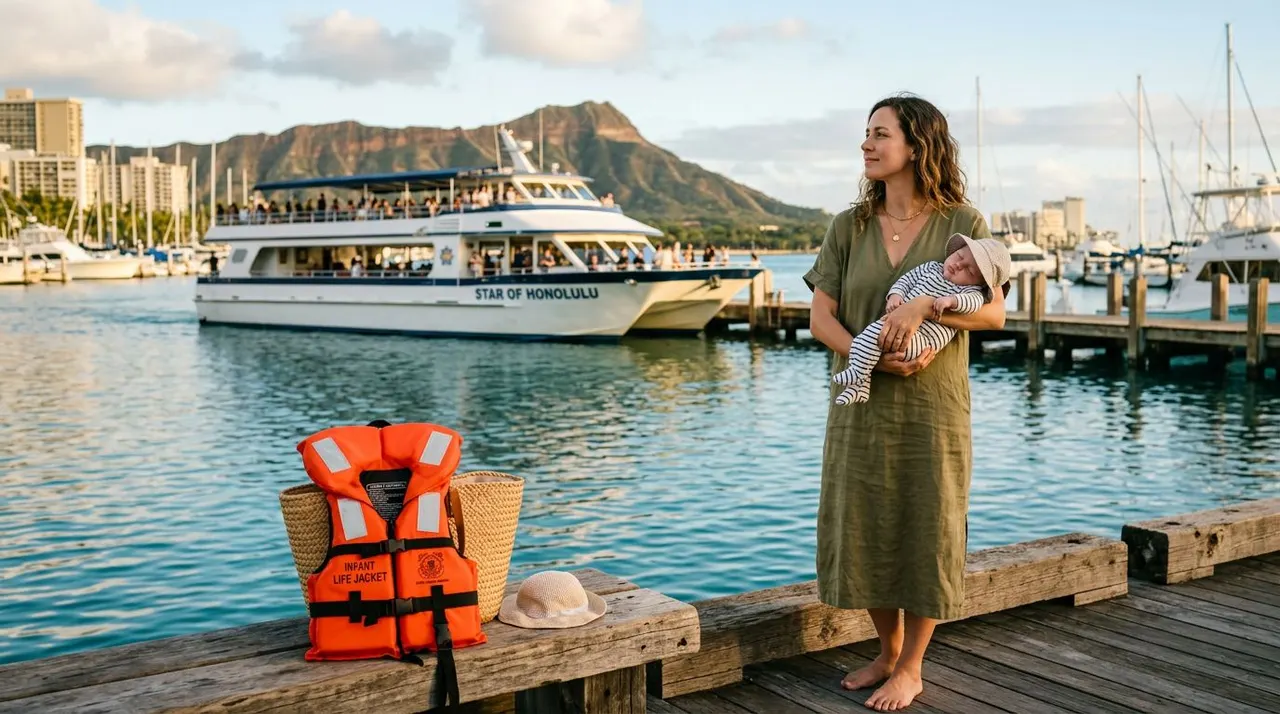
A peaceful ocean outing can sound perfect after a busy Waikiki morning, but a baby changes every part of the plan. When booking a boat tour in Waikiki with an infant, age rules and life-jacket fit matter more than the view.
Start with the operator’s written policy, then plan for comfort, sun, feeding, and a flexible schedule. The right decision may be to enjoy the harbor today and save the boat ride for a later trip.
Start With the Tour’s Minimum Age
Living Ocean Tours operates from Kewalo Basin Boat Harbor, close to Waikiki, and lists a minimum age of 3 years old for all tours. That means babies and toddlers under 3 can’t join its snorkeling cruises, wildlife outings, sunset sails, or other departures.
The company operates Coast Guard-inspected double-decker vessels and is the only tour company with professional snorkel guides. Those features can make a future family ocean day more comfortable, especially when your child is ready to participate.
For a future trip with a child who meets the age requirement, confirm your departure details before booking.
Don’t Assume Every Waikiki Boat Accepts Babies
An operator’s minimum age isn’t a minor detail. It reflects vessel procedures, available safety gear, route length, and the crew’s ability to care for every passenger.
Call before you book any boat tour Waikiki experience with a baby. Ask about the minimum age, infant-size life jackets, boarding steps, shade, restroom access, and the operator’s plan if conditions become rough. A reservation site may not explain those practical limits.
The Best Plan Can Be a Shore Day
You don’t need to force an ocean trip into a vacation schedule. A stroller walk along Waikiki Beach, a shaded lunch, or time at the hotel pool may suit a baby far better than an offshore ride.
If you are traveling with older children too, one adult can take them on a suitable cruise while another stays ashore with the baby. That split plan protects everyone’s comfort and keeps the day enjoyable.
Life-Jacket Rules for Babies in Hawaii
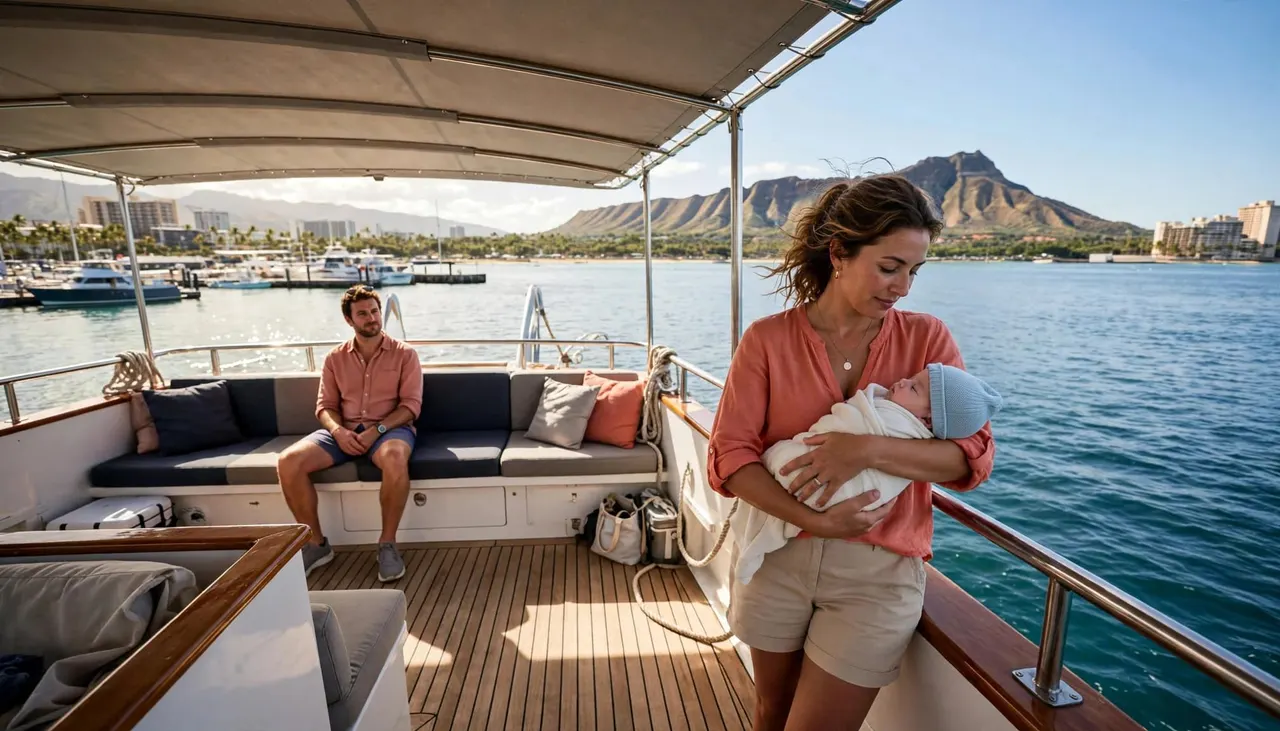
A life jacket isn’t a substitute for careful judgment about whether a baby should board. Still, you should understand the rules before considering any recreational vessel.
Children Must Wear a Properly Fitted PFD
Hawaii requires children age 12 and younger to wear a U.S. Coast Guard-approved personal flotation device on recreational vessels operating or anchored offshore. Review the state’s life-vest rules for children before your trip.
Federal guidance sets the same age boundary in different words. Children under 13 must wear an approved life jacket while a vessel is underway, except when they are below deck or in an enclosed cabin. The U.S. Coast Guard explains the requirement in its life-jacket wear guidance.
For an infant, the jacket must match the child’s actual weight. It should support the head, include a secure crotch strap, and stay below the chin and ears when you gently lift at the shoulder straps.
Infants Need More Than a Small Life Jacket
Hawaii’s boating guidance says the U.S. Coast Guard recommends against taking infants under 18 months on recreational vessels. That is a recommendation, not a blanket legal ban, but it deserves serious weight.
Babies can’t regulate body temperature, communicate nausea, or reliably hold their head in a safe position during sudden movement. Ocean spray, wind, sun, and an unexpected swell can turn a short sightseeing ride into a stressful experience quickly.
A correctly sized infant PFD is essential safety equipment, but it does not make open-water conditions appropriate for every baby.
Choose a Boat Tour Waikiki Families Can Enjoy Later
When your child reaches the minimum age, choose an outing that fits their attention span and confidence. A snorkeling-focused excursion may be exciting for one 5-year-old and overwhelming for another.
Start With a Sightseeing-First Mindset
A boat ride can be worthwhile even if your child never enters the water. You can watch the Waikiki shoreline, point out boats and seabirds, and let them get used to the sounds and motion of the harbor.
Don’t pressure a nervous child to snorkel or use a swim ladder. Staying aboard is a smart choice when the water feels intimidating. A calm first trip often builds confidence for a future reef adventure.
Match the Activity to Your Child’s Age
For active young swimmers, ask about guided instruction, flotation support, and how long guests typically spend in the water. Living Ocean Tours provides snorkeling gear and instruction, and its professional snorkel guides can help beginner swimmers settle in before entering the ocean.
A sightseeing or sunset cruise may suit children who prefer to stay dry. If motion sickness, fear of deep water, or fatigue is already an issue before departure, choose a calmer land-based plan instead.
Plan Boarding and Check-In Without Rushing
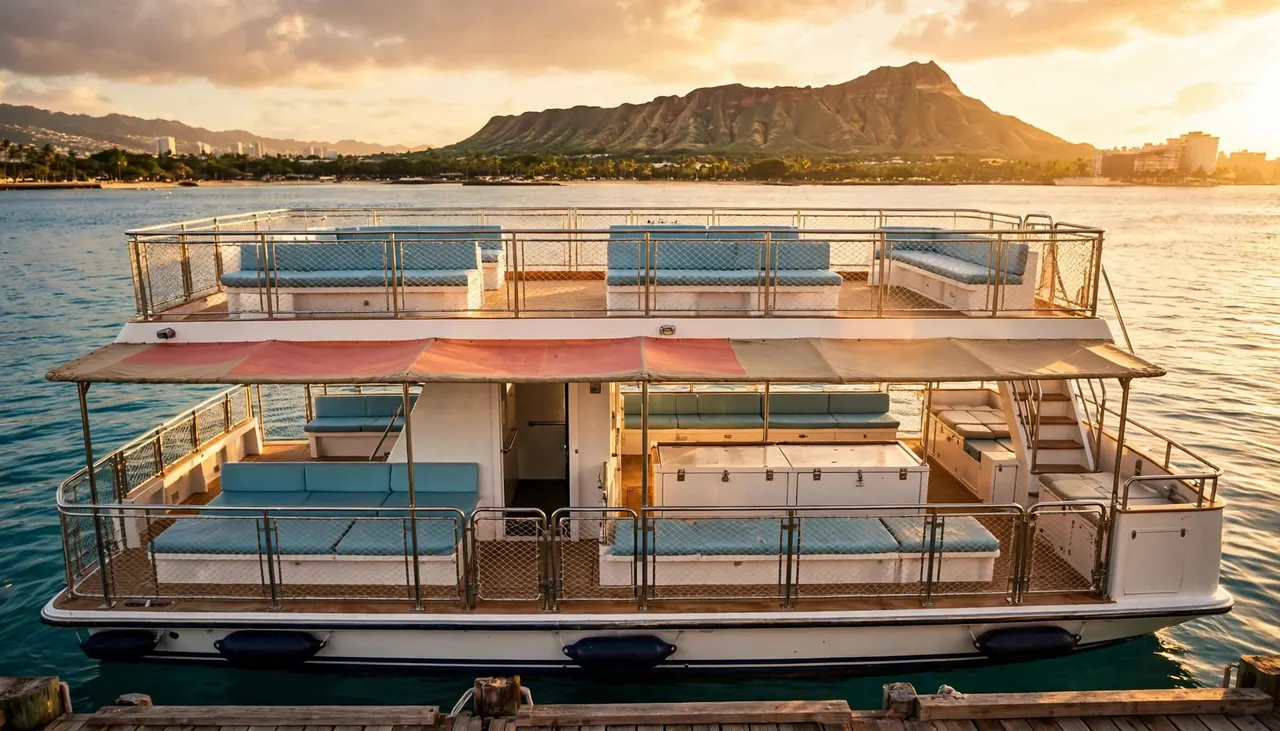
A rushed dock arrival creates avoidable problems. Kewalo Basin Boat Harbor is close to Waikiki, but traffic, parking, hotel elevators, and rideshare delays can still disrupt your timing.
Arrive Early Enough to Settle In
Living Ocean Tours asks guests to check in 30 minutes before departure at 1125 Ala Moana Boulevard, Slip B-01, Honolulu. Check your confirmation email before leaving your hotel because meeting details can change by departure.
Early arrival gives you time to use the restroom, complete a waiver if requested, put on sun protection, and listen to the safety briefing. It also lets you choose a comfortable seat before the boat leaves the dock.
Keep Your Hands Free at the Dock
Use a compact bag that closes securely. One adult should handle bags while the other stays focused on the child. Wear footwear with grip for the dock, use handrails, and wait for direct crew guidance before stepping aboard.
Don’t bring a bulky stroller onto a boat unless the operator has approved it in advance. Keep loose hats, bottles, toys, and phones secured. Clear walkways help crew members and other families move safely.
Pack for Comfort, Not a Beach Haul
A baby bag already fills fast, so bring only what you will use during the outing. Pack for sun, wind, spills, and a quick change in temperature.
Bring the Basics Within Reach
Keep diapers, wipes, a changing pad, spare clothes, feeding supplies, and a familiar comfort item in an easy-to-open bag. Add water for adults, a light cover-up, and a dry change of clothes.
A rash guard provides extra sun coverage for older children. You should also pack sunscreen appropriate for your child’s age and follow your pediatrician’s advice for babies. Bring a light layer because ocean breezes can feel cool after the boat leaves the harbor.
Prepare for Motion and Mood Changes
Feed your child lightly before departure if that fits their usual routine. Fresh air, a seat facing the horizon, and a calm adult can help an older child feel steadier.
Ask a health professional about age-appropriate motion-sickness options before your trip. Don’t wait for distress to build. Tell the crew early if your child feels cold, anxious, tired, or queasy.
Help Your Child Feel Secure Aboard
The deck is a shared working space, not a playground. Crew members need clear access to stairs, railings, restrooms, storage areas, and any water-entry equipment.
Choose a Calm Place to Sit
Ask the crew where your family can sit comfortably. A shaded lower-deck seat may work well for younger children and guests who want easier restroom access. When the boat is moving, keep children seated unless the crew says it is safe to move.
Hold a child’s hand near stairs and railings. You should never allow running, climbing, or hanging over the side. Secure bags where the crew directs you so nothing rolls across a wet deck.
Teach Respect for Wildlife Early
A boat tour Waikiki families remember should leave children excited about the ocean, not entitled to touch it. Watch turtles, fish, seabirds, and coral without touching, feeding, chasing, or crowding them.
Give other guests room at the rail. When the crew spots wildlife, wait for space rather than rushing forward with a child. Patient viewing protects the animal and makes the shared experience more relaxed.
Key Takeaways for a Baby-Friendly Ocean Day
A boat tour Waikiki outing requires more planning when you are traveling with a baby. The most important detail is the operator’s age policy, followed by a properly fitted child PFD and realistic expectations about ocean conditions.
- Check the minimum age before you reserve, because Living Ocean Tours welcomes guests ages 3 and up.
- Treat the Coast Guard’s under-18-month recommendation as a serious safety consideration.
- Arrive early, keep bags small, and let the crew guide your boarding process.
- Choose a shore activity when your baby seems uncomfortable, overheated, or unsettled.
- Save snorkeling for the day your child feels curious, rested, and ready.
FAQ About Boat Tour Waikiki Trips With Babies
Can you take a baby on a boat tour in Waikiki?
Policies vary by operator, so you must ask before booking. Living Ocean Tours has a minimum age of 3 for all tours, which excludes babies and younger toddlers. Hawaii boating guidance also says the U.S. Coast Guard recommends against recreational boating with infants under 18 months.
Does a baby need a life jacket on a boat?
Yes. Hawaii requires children 12 and younger to wear a Coast Guard-approved PFD while aboard a recreational vessel operating or anchored offshore. The jacket must fit the child’s current weight and stay securely below the chin and ears.
What if your older child refuses to snorkel?
Let them stay aboard. Watching the water, talking with the crew, and enjoying the coastline still count as a successful family outing. Never pressure a nervous child to use a ladder or enter open water.
Is a sunset cruise better for young children?
It can be a good fit for children age 3 and older who want ocean views without snorkeling. Still, consider bedtime, wind, motion sensitivity, and the length of the outing before you book.
A Better First Ocean Memory
Your baby’s comfort belongs ahead of the vacation itinerary. For a boat tour Waikiki families can enjoy, wait until your child meets the operator’s age requirement, fits a proper life jacket, and can handle the motion and weather with confidence.
A relaxed shoreline day is never a lesser choice. When the timing is right, your family can step aboard ready to enjoy the Pacific with calm, curiosity, and care.


