
Boat Tour Waikiki: How Captains Set a Safe Speed
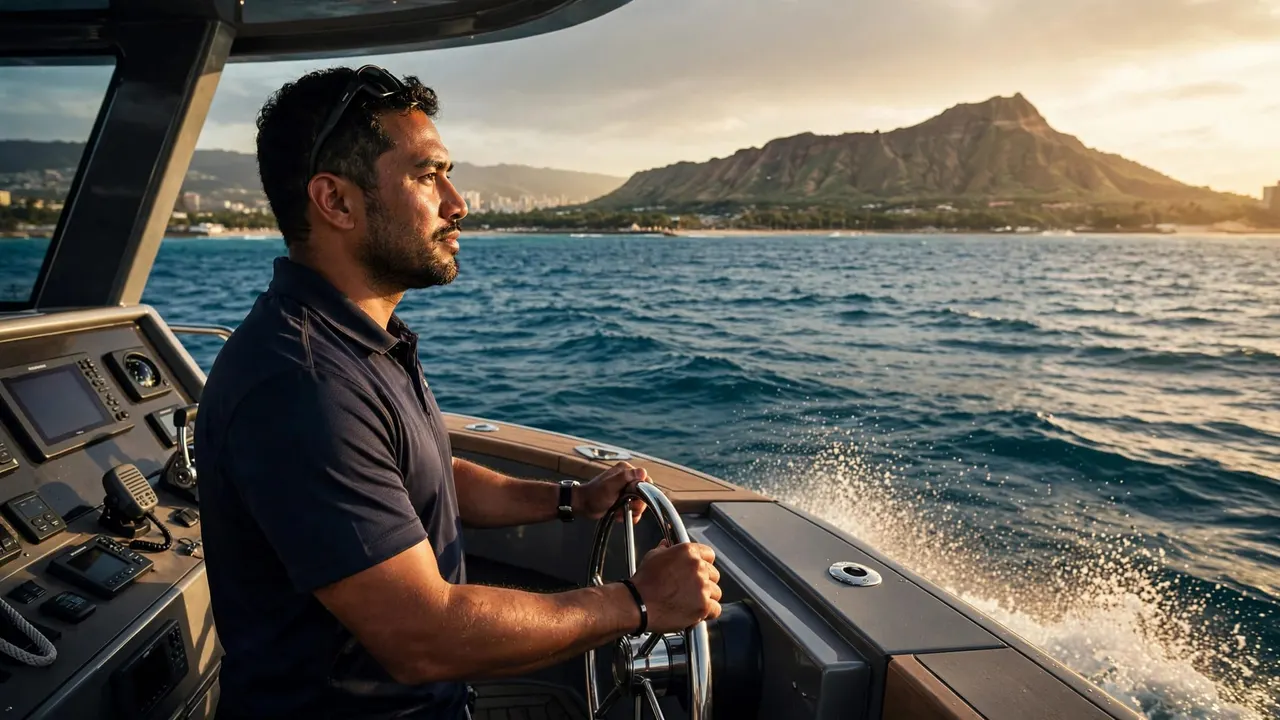
A fast-looking boat isn’t always moving too fast, and a slow-moving boat isn’t automatically safer. On a Boat Tour Waikiki guests book for snorkeling, sightseeing, or wildlife, safe speed changes with the water, traffic, visibility, and the activity planned for that moment.
Living Ocean Tours departs from Kewalo Basin Boat Harbor, minutes from Waikiki, with ocean experiences built around comfort, responsible wildlife viewing, and clear crew guidance. When you understand how captains make speed decisions, you’ll know why a route or pace may change during your trip.
How Captains Set Speed on a Boat Tour Waikiki
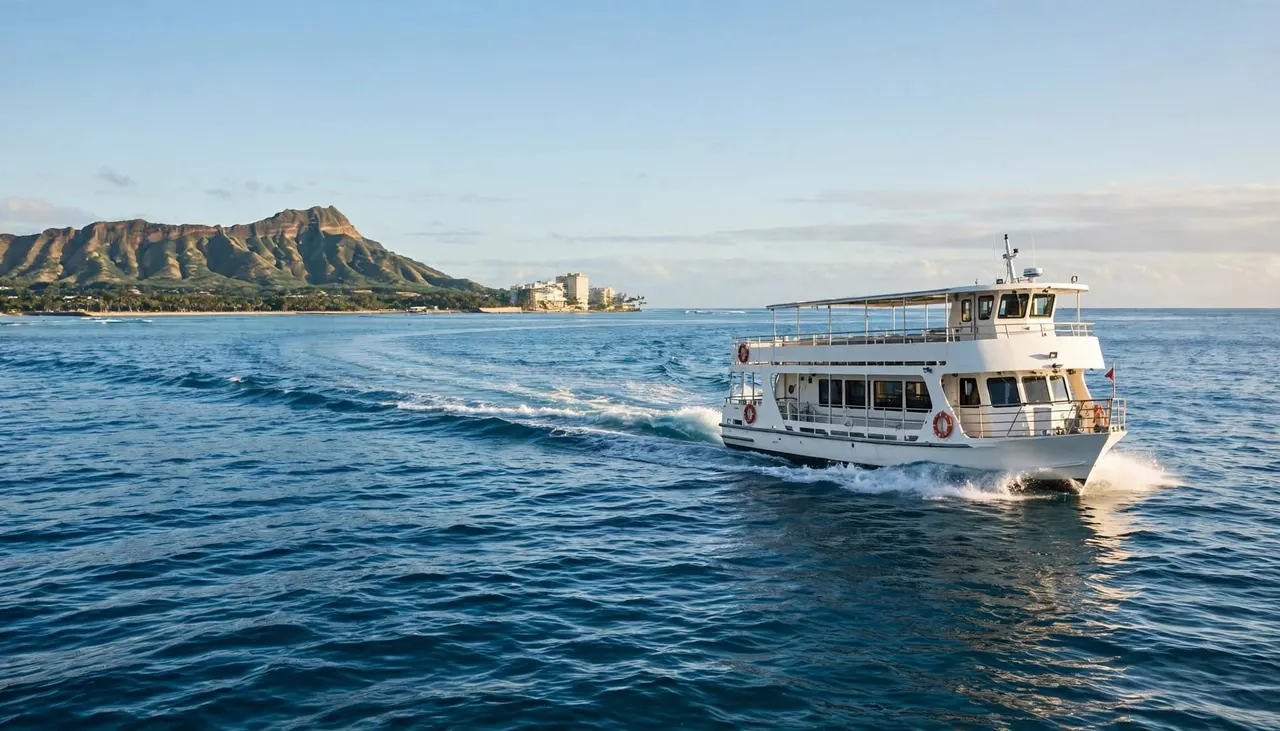
Captains don’t choose one speed for an entire trip. They make ongoing adjustments as the boat leaves the harbor, reaches open water, approaches a reef, or shares a route with other vessels. The aim is a controlled ride that gives the crew time and space to react.
Safe speed is not a fixed number
The U.S. Coast Guard Navigation Rules require vessels to proceed at a safe speed, but they don’t provide one universal number for every boat and every stretch of water. A speed that feels comfortable in open water can be wrong near a harbor entrance, swimmers, or a reef.
On a Boat Tour Waikiki itinerary, a captain considers visibility, traffic density, wind, swell, maneuverability, and the distance needed to stop or turn. The boat’s wake also matters. A large wake can affect smaller craft, paddlers, and people near shore.
Conditions outrank a rigid schedule
A captain doesn’t need to preserve a planned pace when conditions change. Stronger wind, boat traffic, rain, or an uncomfortable ride may lead to a slower cruise, a revised route, or more time in sheltered water.
A route change can be a sign of careful seamanship, not a missed experience.
When you board with room in your schedule, you can enjoy the coastline without putting pressure on the crew to chase a fixed timetable.
Wind, Swell, and Visibility Shape the Ride
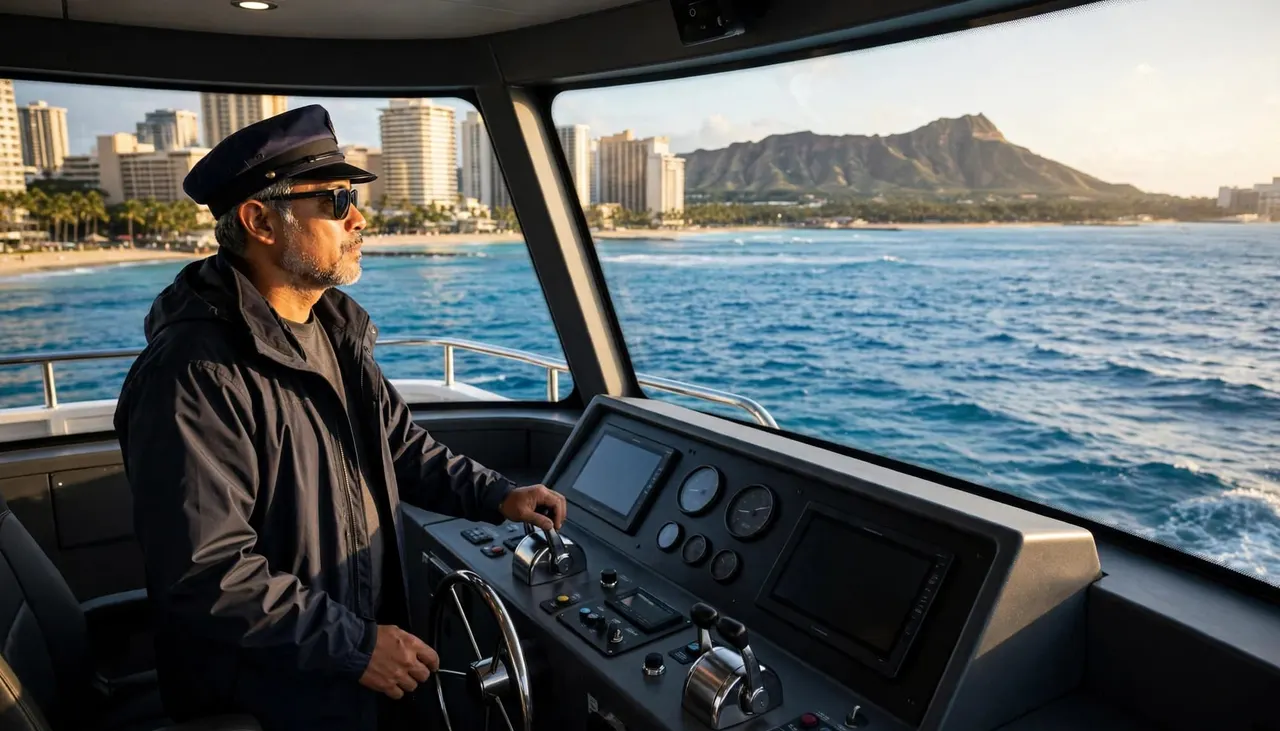
A calm Waikiki shoreline can hide a different picture beyond the harbor. Before you leave your hotel, review Honolulu coastal marine forecasts for wind, seas, showers, and changing conditions. The forecast helps you set expectations, while the captain makes the final operational call.
Wave period matters as much as height
Wave height gives you part of the story. Wave period, the time between waves, helps explain how much energy is moving through the water. A modest long-period swell can create a more noticeable boat motion than its height suggests.
Captains also notice whether the boat meets the swell head-on, from the side, or at an angle. A small course or speed adjustment can reduce pounding and rolling. That adjustment can make a big difference if you are traveling with children, new to boating, or prone to motion sickness.
Wind can build during the day
Trade winds can add short, uneven surface chop even when the sky above Waikiki looks bright. Rain, runoff, and reef sediment may also reduce underwater visibility. A clear view from your hotel balcony doesn’t guarantee calm water at the snorkel site.
The Hawaiian Coastal Waters Forecast gives regional details that beach weather apps often miss. Still, captains compare that information with actual conditions near Kewalo Basin and along the intended route.
Harbor Traffic Requires a Different Pace
Kewalo Basin is a working harbor where tour boats, fishing vessels, sailboats, paddlers, and other traffic can share nearby water. The careful pace you notice at departure is part of a safe operation.
Leaving the dock takes patience
Before departure, crew members complete guest checks, safety information, and boarding tasks. Once the dock lines come off, the captain moves at a controlled pace through the harbor. Secure your phone, sunglasses, hat, and water bottle before the boat begins moving.
You may hear a horn when vessels need to communicate a maneuver. Horn signals help boat operators coordinate near other traffic. They don’t mean your trip is in trouble, so stay calm and follow crew direction.
Open water creates more options
After the boat clears the harbor, the captain has more room to select a course and speed that fits the conditions. Even then, the crew keeps watch for vessels, floating debris, changing weather, and activity near the reef.
A Boat Tour Waikiki experience may include more sightseeing than expected if wind or swell makes a planned stop less comfortable. Diamond Head, the Waikiki shoreline, and the south shore remain impressive from the water, even when the route changes.
What You Can Do for a More Comfortable Ride
Your choices help the crew keep the deck safe. Arriving prepared also lets you focus on the water instead of rushing through the harbor.
Arrive early and settle in
Aim to reach Kewalo Basin about 30 minutes early, then confirm the check-in instructions in your booking email. Waikiki is close, but traffic, parking, and rideshare delays can quickly create stress.
Use the restroom before boarding, apply sunscreen, drink water, and ask questions before the boat leaves. If motion sickness affects you, tell a crew member early. They can suggest a comfortable place to sit and help you prepare for the ride.
Move only when the crew says it is safe
Deck conditions change when the boat turns, slows, or meets a wake. Hold a rail when directed, use footwear with grip for the dock, and keep loose belongings in a secure bag.
The Coast Guard’s boating safety guidance is a useful reminder that safety requires attention before and during a trip. A captain manages the vessel, while you help by listening, staying aware, and giving others space to move.
Snorkeling Stops Call for Slower, More Deliberate Handling
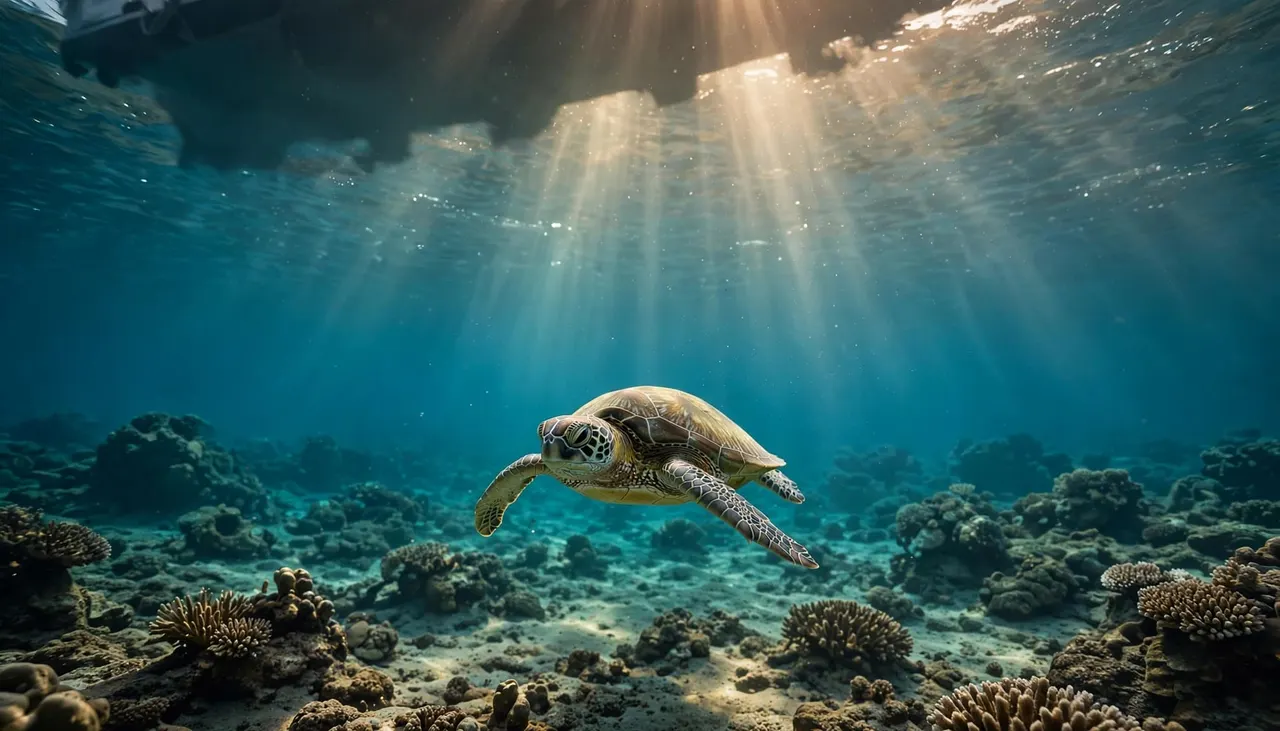
A snorkel stop has different demands than a coastal cruise. The captain needs to assess surface conditions, reef position, boat traffic, and how guests can enter and exit the water safely.
The approach to Turtle Canyon is measured
The Turtle Canyon Snorkel Excursion takes you along the Waikiki coast to one of Oahu’s best-known turtle areas. Living Ocean Tours is the only tour company with professional snorkel guides, so you have trained support in the water as well as a crew monitoring the boat.
A slower approach helps the captain position the vessel thoughtfully before guests enter. Once you are in the water, follow the guides, keep clear of the ladder until it is your turn, and never touch coral or wildlife.
Wildlife viewing never needs a chase
Hawaiian green sea turtles are wild animals, not photo props. A respectful encounter happens when you observe from a distance and let the animal choose its path. The same principle applies if you see dolphins, flying fish, or other marine life while cruising.
A Boat Tour Waikiki outing feels better when the captain gives wildlife and other water users enough space. Controlled speed protects the experience as much as it protects the ride.
For a guided snorkel outing with professional in-water support, you can CHECK AVAILABILITY for Turtle Canyon.
Key Takeaways
- Safe speed depends on wind, swell, visibility, traffic, location, and the boat’s ability to turn or stop safely.
- Conditions beyond Kewalo Basin can feel different from the protected water at the dock, even on a sunny morning.
- A captain may adjust speed, route, or snorkeling plans to keep your experience comfortable and safe.
- On any Boat Tour Waikiki trip, secure your belongings, arrive early, and follow crew instructions around the dock, deck, and water-entry areas.
- When you snorkel, give turtles and coral space. Observing without touching protects the reef and keeps the moment natural.
FAQ About Boat Tour Waikiki Speed
Why does the boat start slowly?
The harbor has close quarters, other vessels, docks, and changing traffic. Your captain needs time and room to maneuver, so a controlled departure is normal. The pace usually changes after the boat reaches more open water.
Can a captain change the route after departure?
Yes. Wind, swell, rain, visibility, traffic, and guest comfort can all affect the best route. A change may mean cruising a different part of the coast, adjusting the timing of a stop, or choosing conditions that better suit the group.
Should you worry if the crew asks you to stay seated?
No. The crew may ask you to remain seated during turns, bumpy conditions, docking, or a change in speed. Follow the instruction, hold a rail if you need to move later, and ask for help if you feel unsteady.
A Safer Pace Makes the Day Better
The best Boat Tour Waikiki experience isn’t measured by top speed. It comes from a captain who reads the water, makes steady adjustments, and puts guests, crew, and marine life ahead of a rigid schedule.
When you arrive prepared and trust those decisions, you can spend more of your day enjoying the reef, the coastline, and the open Pacific.


