
Boat Tour Waikiki: What Happens During Docking and Undocking
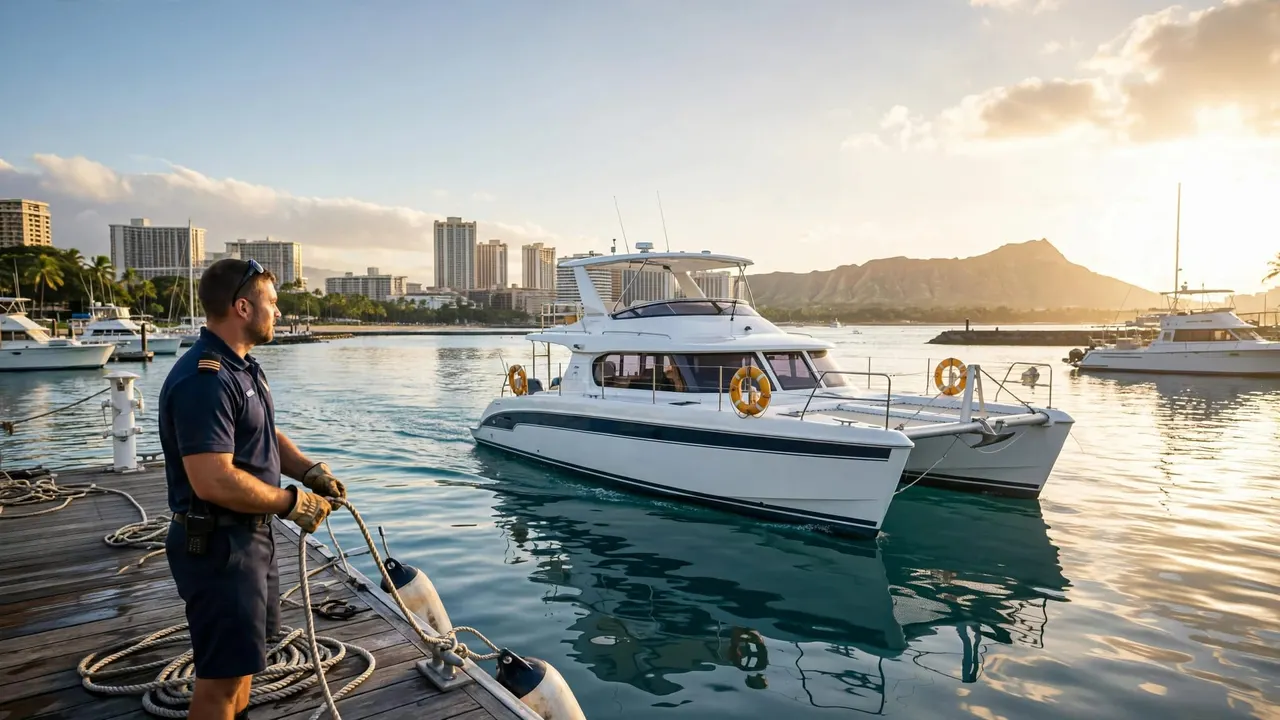
A calm harbor can make boarding look simple, but every Boat Tour Waikiki departure depends on a careful routine at the dock. The crew has to prepare the boat, account for guests, watch harbor activity, and give everyone clear directions before the day can begin.
Living Ocean Tours departs from Kewalo Basin Boat Harbor near Waikiki with family-friendly snorkeling, wildlife, and sightseeing experiences. When you understand what happens at docking and undocking, you can arrive more relaxed and give the crew space to work.
Your ocean day starts well before the Waikiki shoreline fades behind the boat.
A Boat Tour Waikiki Begins at a Working Harbor
Kewalo Basin is a departure point, but it is also an active marine workspace. Boats arrive, load supplies, return with guests, and move through a limited dock area. That is why your crew may ask you to wait in a certain place, keep children close, and avoid standing near the gangway until boarding begins.
Living Ocean Tours offers Honolulu ocean tours and cruises aboard custom-built double-decker vessels designed for comfort on the water. The company is also the only tour operator with professional snorkel guides, which gives first-time snorkelers direct support before and during their time in the ocean.
Your reservation is not the final headcount
A booking confirms your place, yet the crew still needs to verify that you are physically aboard. Guests can arrive late, step away from the dock, or miss a boarding call. Before departure, the captain and crew need one accurate count.
Stay near your group after check-in. If you need the restroom or want to grab something nearby, tell a crew member before leaving the boarding area.
A reservation and an onboard headcount are different things. The crew needs both before the boat can leave safely.
Clear walkways keep boarding orderly
Dock lines, wet surfaces, bags, and a moving vessel all create hazards near the boarding point. Keep your belongings compact and your hands free when you step across the gangway.
Wear shoes or sandals with grip for the dock. Once aboard, stow your bag where the crew directs you, then settle into your seat before the boat begins to move.
Before Docking: The Crew Prepares the Boat and Guests
The final minutes before the boat reaches the dock often feel quiet to passengers. Meanwhile, the crew is watching the berth, nearby traffic, wind, and the position of the vessel. Harbor conditions can change quickly, even when the ocean ride felt smooth.
The captain may slow the boat well before it reaches the dock. That controlled pace gives the crew time to prepare for arrival without rushing guests toward the exit.
You may be asked to remain seated
As the boat approaches its berth, listen for instructions about seating and movement. Crew members may ask you to stay in place until the vessel is settled, especially if you are traveling with young children or carrying gear.
Use handrails if you need to move. Avoid gathering around stairs, gates, or ladders before the crew invites you forward. A clear path helps everyone disembark without crowding.
Dock lines and fenders support a controlled arrival
Dock lines keep the boat positioned at the berth. Fenders help cushion the space between the hull and dock when conditions create small shifts. Those details may look routine, yet they require attention from trained crew members.
Never step on, move, lift, or handle a line unless a crew member directly asks you to help. Lines can be under tension, and the space between the boat and dock can change unexpectedly.
What Happens During Docking
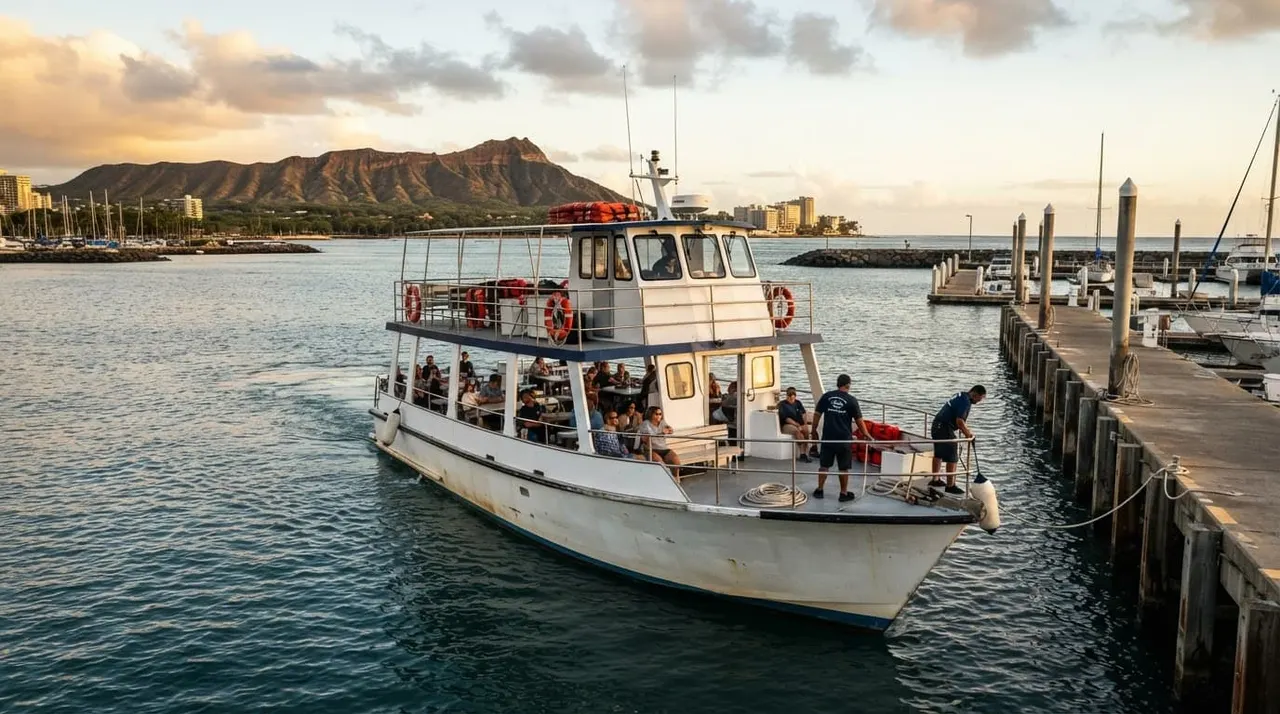
During docking, the crew’s priority is a stable boat, a clear dock, and safe passenger movement. The precise routine can differ by vessel, berth, weather, and harbor traffic. You do not need to know the technical details to help the process go smoothly.
For a Boat Tour Waikiki return, the best approach is simple: stay where the crew places you, secure loose items, and wait for the signal to stand.
The boat may pause before anyone exits
A brief pause at the dock is normal. The captain and crew may need a moment to confirm the vessel is secure and the gangway is ready. That pause also gives crew members time to open the correct exit and check the path ahead.
Don’t assume you can step off as soon as the boat touches the dock. Wait until a crew member says it is safe to disembark.
Families should move at the crew’s pace
If you are traveling with children, keep them beside you until the crew calls your group forward. Let one adult focus on children while another manages towels, bags, and snorkel gear.
Guests who need extra time should tell the crew early. A good team can offer clear guidance, but it helps when they know what you need before the dock is busy.
What Happens During Undocking
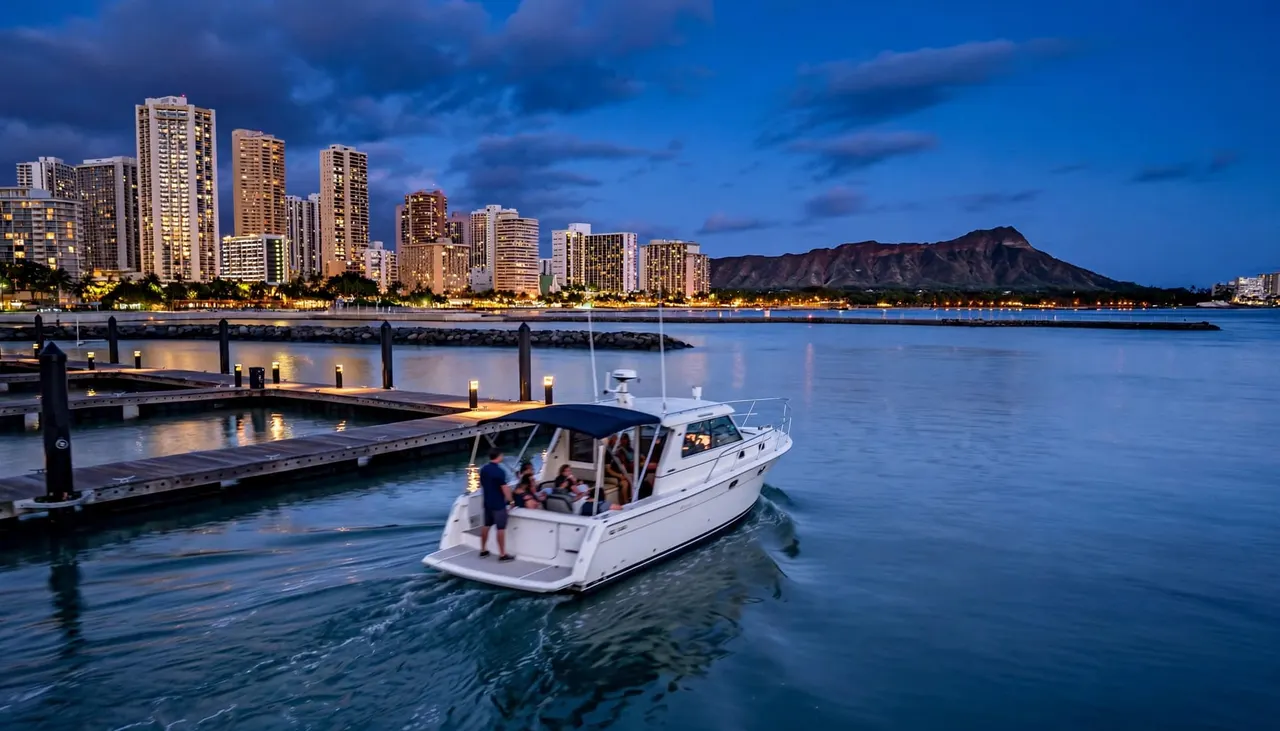
Undocking begins after boarding, the guest count, and the safety briefing are complete. The crew also needs clear pathways, properly stored belongings, and a vessel ready for the route ahead.
Your Boat Tour Waikiki experience may begin with a few quiet minutes in the harbor. That is time for the captain to make a careful departure, not a delay in the adventure.
Final checks happen before the boat leaves
Before departure, crew members check that passengers are aboard and that everyone has heard key instructions. You may learn where life jackets are stored, how to use the restroom, where to keep personal items, and how to move safely between decks.
Ask questions before the boat starts moving. If you missed an announcement, ask a crew member to repeat it rather than guessing where to sit or how to prepare for snorkeling.
The boat leaves at a controlled pace
Once the crew is ready, the vessel moves away from the berth slowly. You may feel a gentle shift as the boat enters the harbor channel and begins heading toward the open Pacific.
Stay seated or hold a rail if the crew asks you to move. Secure phones, hats, sunglasses, and water bottles before the ride picks up speed.
Your Role in a Smooth Departure
A Boat Tour Waikiki trip feels easier when you arrive with time to spare. Waikiki is close to Kewalo Basin, but traffic, hotel elevators, rideshare timing, and parking can still add stress.
Plan to arrive about 30 minutes early unless your confirmation gives different instructions. Review your meeting point the night before, and use the confirmation email as the final word for your departure details.
Pack for movement, sun, and spray
Bring a small bag that closes securely. Reef-safe sunscreen, sunglasses, a secure hat, and a light layer can make the ride more comfortable. Keep medication accessible if you are prone to motion sickness.
For a snorkel outing, wear swimwear that allows easy movement. Let the guide check your mask and fin fit before you enter the water, since minor adjustments are easier to make aboard the boat.
Follow the crew’s directions the first time
Your crew may ask you to sit, shift away from a ladder, or wait near a particular area. Those directions often relate to boat movement, other guests, or activity happening just out of view.
Keep your phone available for photos, but give announcements your full attention. Clear communication keeps the deck organized for every guest.
Docking Matters Even More on Snorkel Tours
A snorkeling boat has extra equipment, wet decks, and guests returning from the water. Careful docking gives the crew time to manage that activity without rushing anyone. The same attention applies before the boat leaves the harbor for a reef site.
Living Ocean Tours’ Turtle Canyon Snorkel Excursion in Waikiki visits a well-known turtle area along the Waikiki coast. The operator says green sea turtles are seen on most trips, although wildlife sightings always depend on the day.
Wildlife viewing starts with respectful behavior
Seeing a honu in the water is memorable, but giving it space matters more than getting close for a photo. NOAA green turtle guidance advises you not to touch or feed sea turtles because it can alter their natural behavior.
Hawaii’s Department of Land and Natural Resources recommends viewing green turtles from 10 feet or more away. Follow your professional snorkel guide’s direction, avoid blocking an animal’s path, and never touch coral.
Reboarding needs patience after a swim
Wet feet and tired legs can make ladders and deck surfaces harder to manage. Use the ladder one person at a time, hold the rail, and wait for the crew’s signal before stepping onto the deck.
After you reboard, keep fins and masks out of walkways. A clear deck helps the crew prepare for the return ride and a safe docking back at Kewalo Basin.
Ready to see Turtle Canyons with experienced guidance? CHECK AVAILABILITY.
Key Takeaways for Docking and Undocking
- Arrive early enough to check in, hear the safety briefing, and board without rushing.
- Keep dock paths, gates, and ladders clear until the crew calls you forward.
- Stay seated or use a handrail while the captain is docking or leaving the berth.
- Never handle dock lines or move equipment unless the crew gives direct instructions.
- Store hats, bags, phones, and snorkel gear before the boat begins moving.
- Treat wildlife respectfully, and give sea turtles plenty of room in the water.
Frequently Asked Questions
Why can’t a boat wait for late guests?
Holding a departure can affect the safety briefing, harbor traffic, and the time other guests have on the water. If boarding has closed, the crew may be unable to add you safely.
Check your confirmation before you leave your hotel. A 30-minute buffer gives you more room for traffic, parking, waivers, and finding the correct meeting location.
What should you do if you miss an announcement?
Ask a crew member to repeat it before you move around the boat. Do not guess about life jackets, seating, ladders, or where to store your belongings.
That question helps the crew account for you and keeps you from missing a direction that matters later offshore.
A Calm Dock Routine Sets Up a Better Ocean Day
A Boat Tour Waikiki outing begins with a complete headcount, clear walkways, and a crew that has time to do its job. When you arrive prepared and follow directions near the dock, you can spend less energy managing logistics.
The best moments belong offshore, whether you are watching the coastline, snorkeling near turtles, or relaxing with your family. Patience at the dock leaves more room for those moments on the water.


